
EPISODE · May 25, 2026 · 42 MIN
The Trial of Socrates and Plato's Allegory of the Cave
from Professor Jiang · host Predictive History
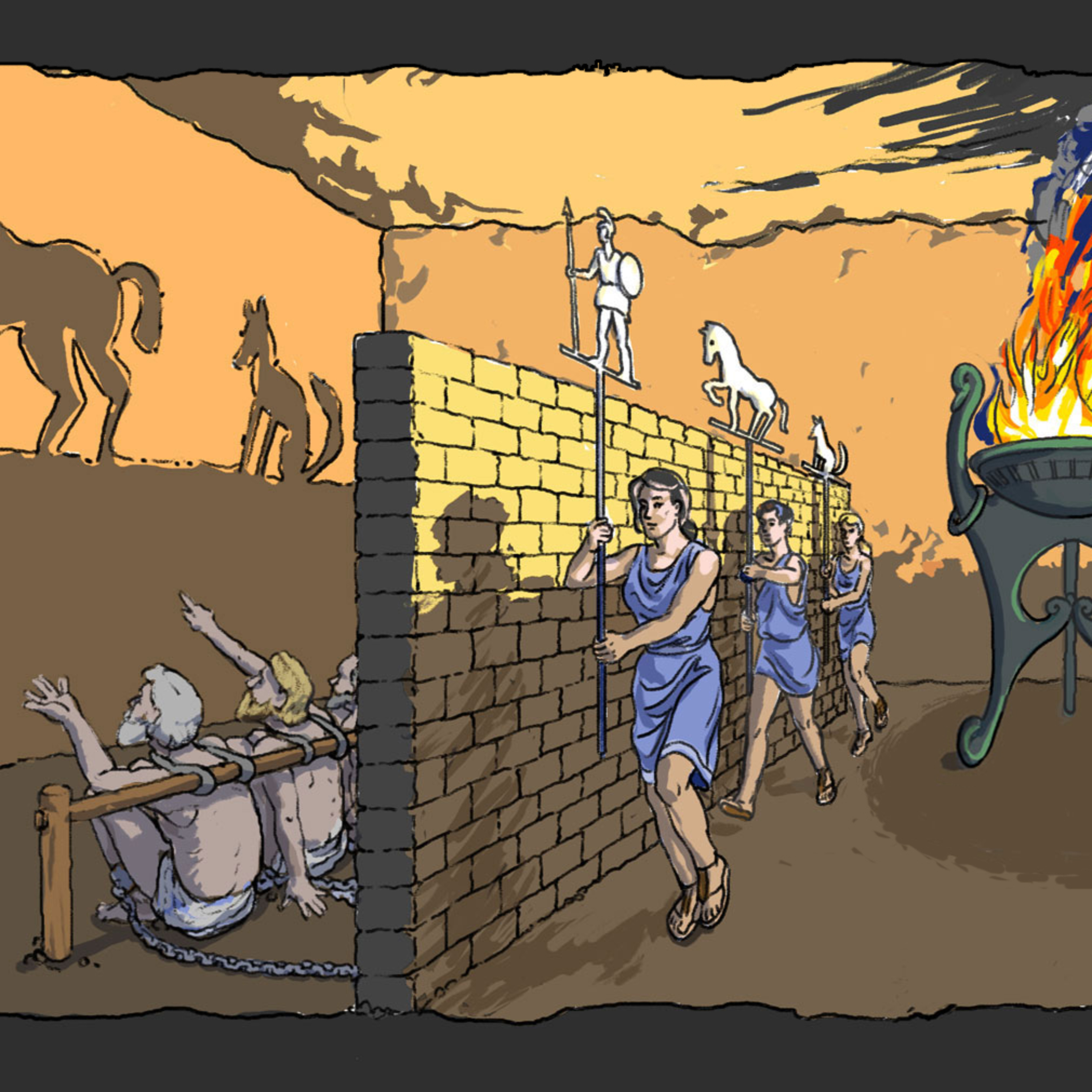
In 399 BCE the Athenian people condemned Socrates to drink hemlock. In this lecture to Chinese high school students, Jiang Xueqin examines the significance and legacy of the trial of Socrates. During his lifetime, Socrates enjoyed exposing Athens' leading intellectuals. He became so notorious that the satirist Aristophanes ridiculed him in a play. Socrates had many admirers though. A group of young aristocrats -- including Plato and Alcibiades -- became his devoted pupils.In 404 BCE the Thirty Tyrants (some of whom were Socrates' students) came into power, and the Athenian people revolted against their reign of terror and restored their democracy. In 399 BCE, the Athenian people charged Socrates with "impiety" and "corrupting the youth of Athens." Plato would spend the rest of his life promoting the memory of his beloved mentor as a martyr for the truth. In so doing, he would create the most powerful metaphor of Western thought -- the allegory of the cave. This allegory would have three major impacts:1.) It created the belief that Socrates was the world's greatest philosopher.2.) It helped Christians understand the life and death of Jesus.3.) It became the intellectual basis of Christianity.Please consider making a small donation here: https://buymeacoffee.com/jiangprofessor
Embed this episode
Ready to play
The Trial of Socrates and Plato's Allegory of the Cave
No transcript for this episode yet
Similar Episodes
No similar episodes found.