Transcriptomic Aging Clock Reveals Age-Related Molecular Patterns in Opioid Dependence
from Aging-US Hosted by Aging Podcast
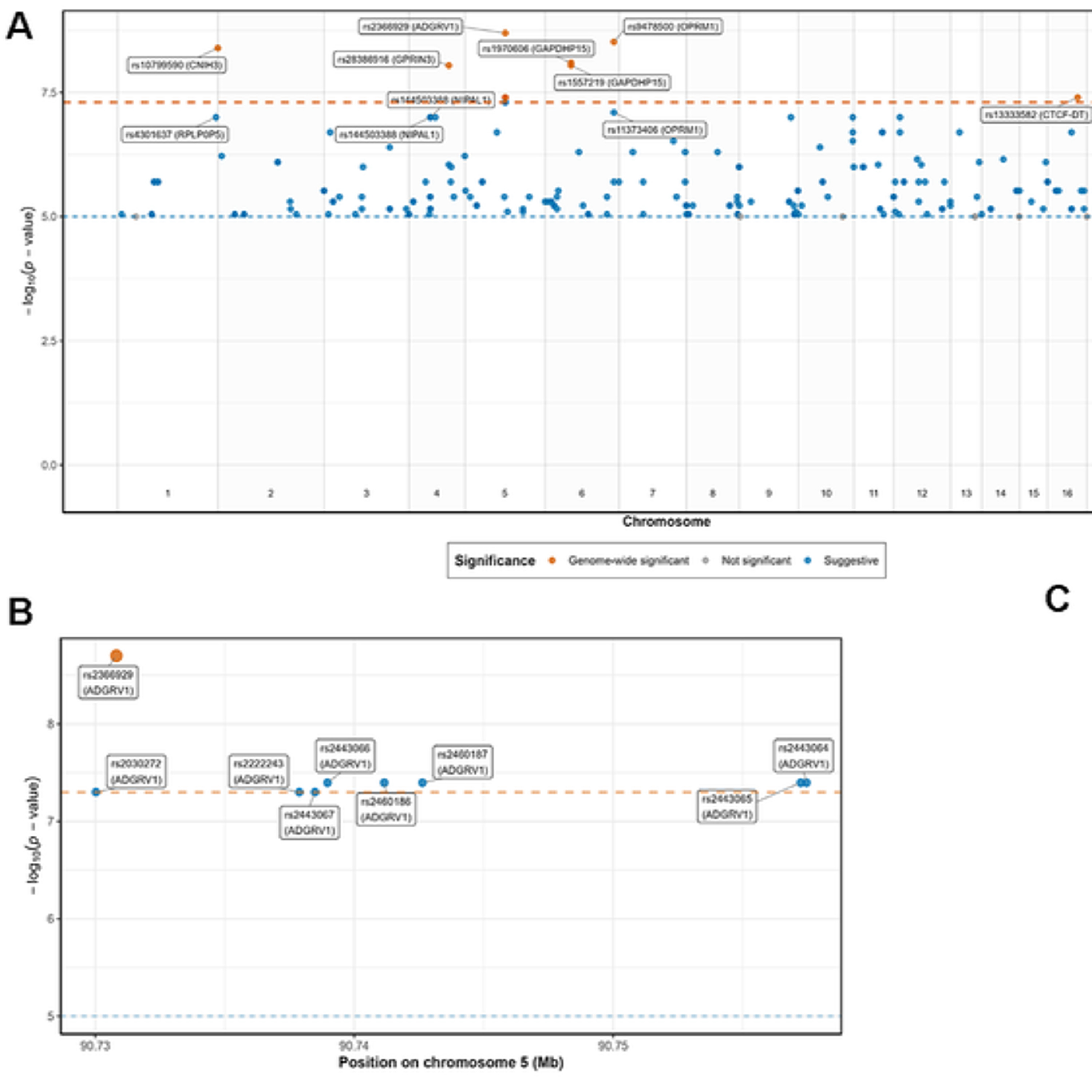
BUFFALO, NY — August 12, 2026 — A new #research paper was #published in Volume 18 of Aging on July 27, 2026, titled “Transcriptomic aging clock analysis identifies key genes in opioid dependence.” The study was led by first author Hai Duc Nguyen from the Division of Microbiology, Tulane National Biomedical Research Center, Tulane University. The corresponding author is Woong-Ki Kim, who is affiliated with the Division of Microbiology, Tulane National Biomedical Research Center, Tulane University, and the Department of Microbiology and Immunology at Tulane University School of Medicine. Opioid dependence is a chronic and relapsing condition associated with substantial health and societal burdens. Chronic opioid exposure can affect neuronal signaling, immune function, metabolism, and other biological processes, yet the molecular mechanisms underlying dependence remain incompletely understood. Increasing evidence also suggests that substance use disorders may be associated with molecular changes related to aging, raising questions about how chronic opioid exposure interacts with age-dependent processes in the brain. To investigate these relationships, the researchers conducted an in silico study integrating three complementary approaches: RNA sequencing-based transcriptomic profiling, transcriptomic aging-clock modeling, and analysis of previously published genome-wide association studies (GWAS). The transcriptomic analysis used a publicly available brain RNA-seq dataset containing 42 samples—21 healthy controls and 21 individuals with opioid dependence—while the genetic analysis incorporated findings from six independent GWAS. Full press release - https://www.aging-us.com/news-room/transcriptomic-aging-clock-reveals-age-related-molecular-patterns-in-opioid-dependence DOI - https://doi.org/10.18632/aging.206405 Corresponding author - Woong-Ki Kim - [email protected] Abstract video - https://www.youtube.com/watch?v=7VwU0mFGkbg Sign up for free Altmetric alerts about this article - https://aging.altmetric.com/details/email_updates?id=10.18632%2Faging.206405 Subscribe for free publication alerts from Aging - https://www.aging-us.com/subscribe-to-toc-alerts Keywords - aging, opioids, GWAS, transcriptomic clock To learn more about the journal, please visit https://www.Aging-US.com and connect with us on social media at: Bluesky - https://bsky.app/profile/aging-us.bsky.social ResearchGate - https://www.researchgate.net/journal/Aging-1945-4589 X - https://twitter.com/AgingJrnl Facebook - https://www.facebook.com/AgingUS/ Instagram - https://www.instagram.com/agingjrnl/ LinkedIn - https://www.linkedin.com/company/aging/ Reddit - https://www.reddit.com/user/AgingUS/ Pinterest - https://www.pinterest.com/AgingUS/ YouTube - https://www.youtube.com/@Aging-US Spotify - https://open.spotify.com/show/1X4HQQgegjReaf6Mozn6Mc [email protected]
Embed this episode
No transcript yet.