
EPISODE · Nov 9, 2025 · 43 MIN
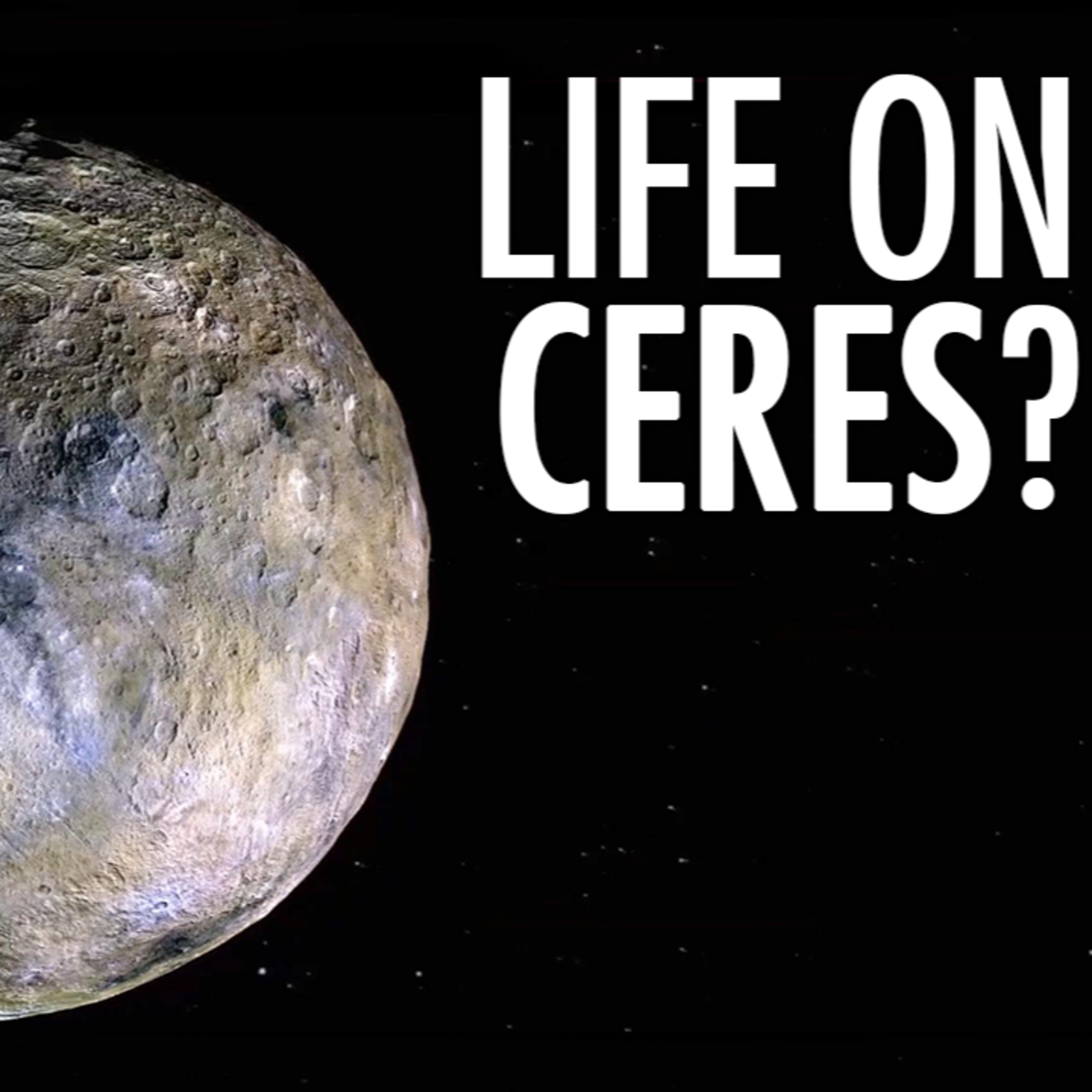
What Lies Beneath Ceres | Dr. Samuel Courville
from John Michael Godier's Event Horizon · host John Michael Godier
New evidence suggests that Ceres may still harbor subsurface brine, cryovolcanic activity, and internal heat sources capable of sustaining habitable environments. The discussion explores how radioactive decay, methanogenesis, and chemical energy could support life beneath its surface, what salt deposits reveal about ancient liquid water, and whether asteroids like Ceres could have delivered Earth’s oceans—and possibly life itself—featuring Dr. Samuel Courville with John Michael Godier.Links:https://www.science.org/doi/10.1126/sciadv.adt3283https://www.jpl.nasa.gov/news/nasa-ceres-may-have-had-long-standing-energy-to-fuel-habitability/https://www.seti.org/news/hidden-habitability-on-ceres-what-dawn-discovered-beneath-ceres-icy-crust/Podcast: hhttps://creators.spotify.com/pod/show/john-michael-godier/subscribeApple: https://apple.co/3CS7rjTMore JMG https://www.youtube.com/c/JohnMichaelGodierWant to support the channel?Patreon: https://www.patreon.com/EventHorizonShowFollow us at other places!@JMGEventHorizon00:00 Intro01:12 Why Ceres is stranger than expected03:25 Radioactive decay and internal heating over billions of years06:05 Could hydrothermal brines still exist beneath the surface?08:45 Methane, CO₂, and chemical energy for microbial life11:35 The “follow the salt” mystery and bright spots on Ceres14:05 Evidence that briny liquids reached the surface16:20 How Ceres differs from other asteroids and preserved its history19:10 Links to carbonaceous chondrite meteorites and organic chemistry22:15 Comparing Ceres to icy moons like Enceladus and Europa25:00 Could small early worlds have spawned life?28:05 Delivery of Earth’s water and the panspermia question31:00 What Bennu and Ryugu reveal about parent bodies33:15 The frost line, timing of formation, and habitability conditions36:00 Impacts, fractures, and evidence of cryovolcanism38:25 Why NASA sees Ceres as a sample-return priority40:10 Are Ceres’ microbes going extinct?41:00 Closing and Mars previewMusic:https://stellardrone.bandcamp.com/https://migueljohnson.bandcamp.com/https://leerosevere.bandcamp.com/https://aeriumambient.bandcamp.com/FOOTAGE:NASAESA/HubbleESO - M.KornmesserESO - L.CalcadaESO - Jose Francisco Salgado (josefrancisco.org)NAOJUniversity of WarwickGoddard Visualization StudioLangley Research CenterPixabay
Embed this episode
NOW PLAYING
What Lies Beneath Ceres | Dr. Samuel Courville
No transcript for this episode yet
Similar Episodes
No similar episodes found.
Similar Podcasts
No similar podcasts found.