
EPISODE · May 13, 2026 · 13 MIN
What The Epstein Emails Tell Us About The Legacy Media
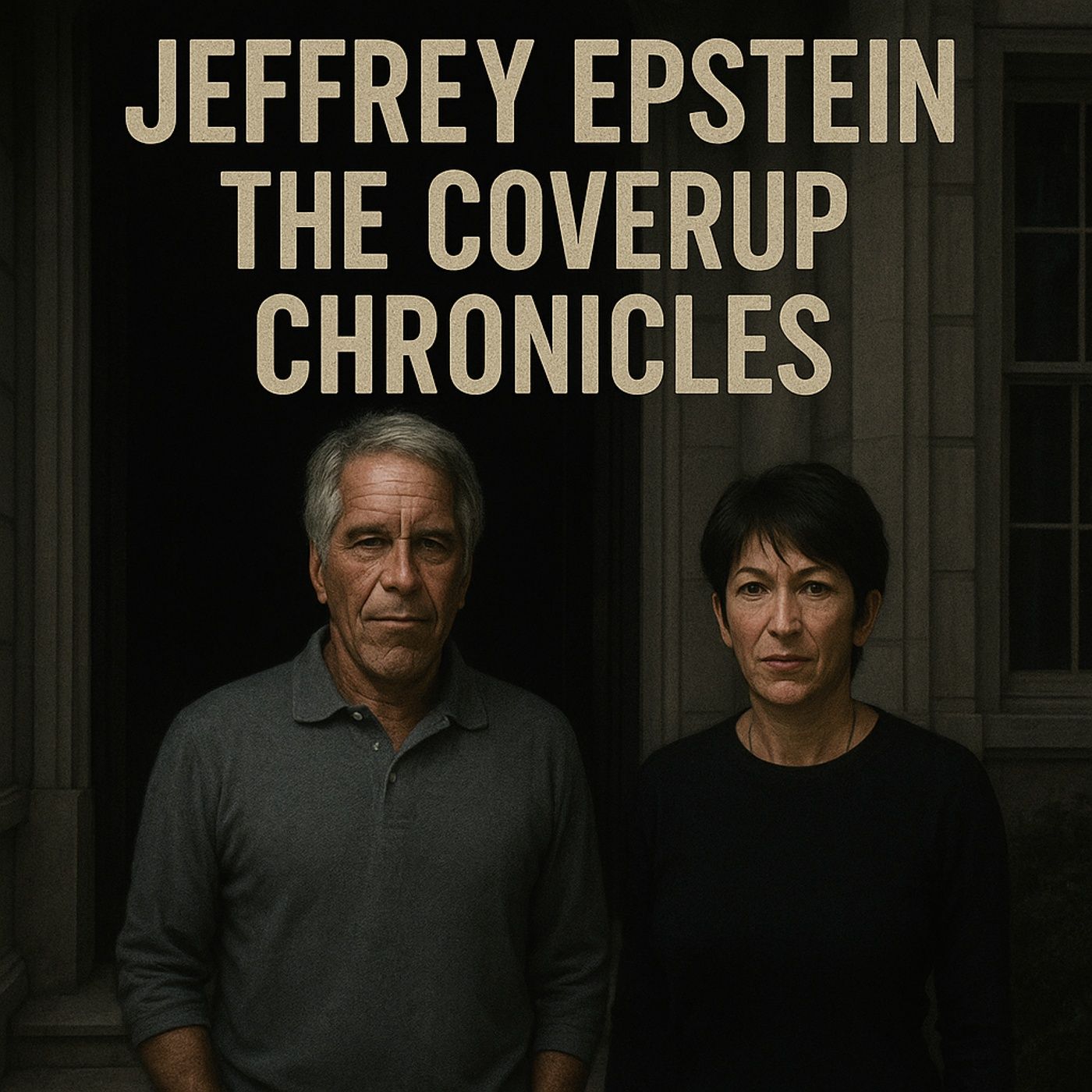
from Jeffrey Epstein: The Coverup Chronicles · host Bobby Capucci
Recent revelations have intensified scrutiny of major news organizations and their handling of the Jeffrey Epstein scandal, particularly following the release of emails showing New York Times reporter Landon Thomas Jr. communicating with Epstein in a manner critics say appeared closer to strategic guidance than objective journalism. The correspondence has revived longstanding accusations that influential media outlets—including ABC, Vanity Fair, the New Yorker, and the New York Times—minimized or suppressed reporting that could have brought Epstein’s activities to light sooner. Multiple newsrooms previously dismissed concerns as fringe speculation or “conspiracy theory,” creating an environment in which survivors struggled to be heard and credible leads were not pursued. Critics argue that these decisions, driven by the desire to preserve relationships with powerful figures in Epstein’s network, contributed to years of continued abuse.Today, media organizations have adopted a markedly different tone, positioning themselves as champions of transparency and accountability, but skepticism remains high among the public and advocates for survivors. Many contend that the press’s recent coverage is less a moral awakening than a defensive reaction to overwhelming evidence that can no longer be ignored. Trust in legacy media has eroded as news consumers question how such systemic failures were allowed to persist unchallenged and why no meaningful internal reckoning has occurred. The episode has reignited calls for accountability, not only for Epstein’s associates but also for the institutions that played a role in shielding them from scrutiny. For survivors and those demanding full disclosure, the issue is no longer whether the truth will emerge—but whether the media will finally confront its own role in delaying it.to contact me:[email protected]
Embed this episode
NOW PLAYING
What The Epstein Emails Tell Us About The Legacy Media
No transcript for this episode yet
Similar Episodes
No similar episodes found.
Similar Podcasts
No similar podcasts found.