
EPISODE · Feb 20, 2026 · 1H 14M
Who Hurt You?
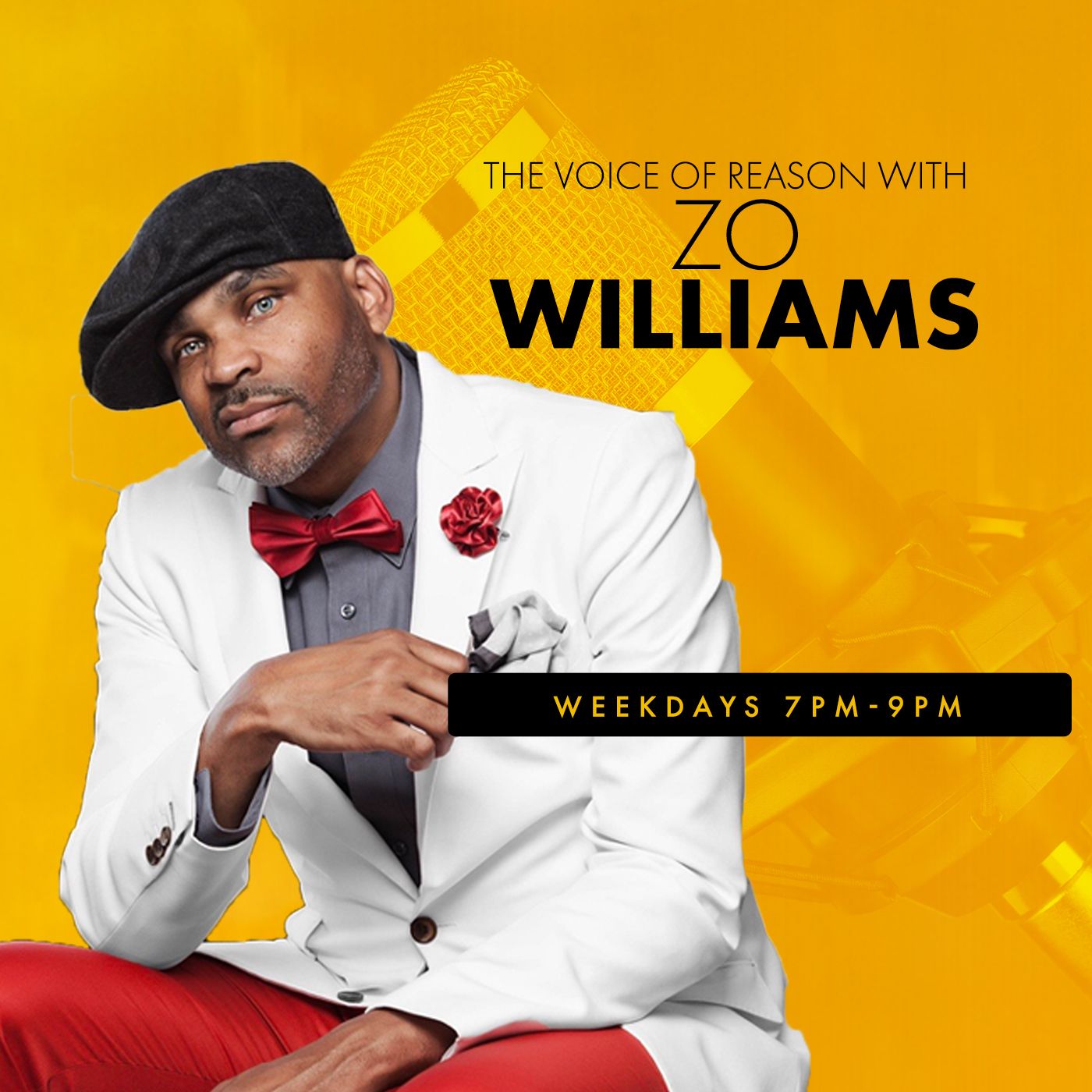
from Zo Williams: Voice of Reason · host KBLA 1580 Am
Hatred toward those who wounded you does not function as evidence of moral failure, spiritual immaturity, or psychological pathology; it functions as unprocessed attachment energy trapped in a nervous system that never received completion. The question therefore does not hinge on whether you may hate the person who hurt you, but whether hatred serves as an adaptive transitional response or calcifies into identity. From a neurobiological perspective, resentment reflects an activated threat circuit seeking resolution; from an attachment lens, it signals a ruptured bond demanding coherence; from an anthropological frame, it preserves group survival memory; from a spiritual dimension, it exposes the ego’s attempt to metabolize betrayal without dissolving itself. Safe space, then, does not exist to justify hatred—it exists to convert raw affect into integrated meaning. The most efficient release of anger does not involve suppression, performance forgiveness, or retaliatory fantasy; it requires conscious exposure, somatic discharge, narrative restructuring, and identity reorganization. In other words, hatred may begin as protection—but if it remains unexamined, it becomes self-incarceration. The real question hides underneath the obvious one: Do you want justice, or do you want freedom?
Embed this episode
NOW PLAYING
Who Hurt You?
No transcript for this episode yet
Similar Episodes
No similar episodes found.
Similar Podcasts
No similar podcasts found.