
EPISODE · Jun 5, 2026 · 5 MIN
Who is fueling retail investors' greed?
from Korea JoongAng Daily - Daily News from Korea
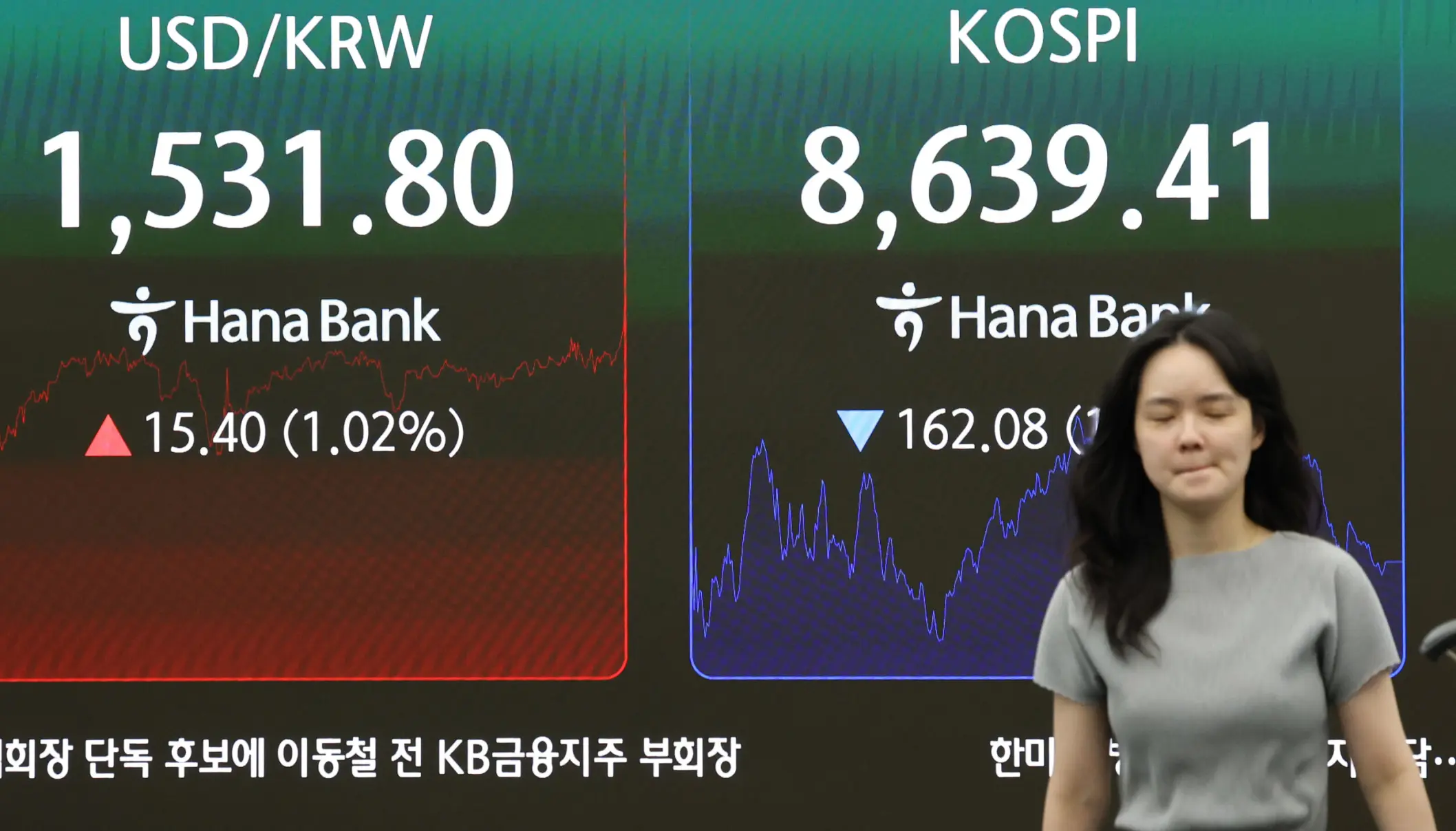
The Kospi is now approaching 9,000. Yet only a minority seem truly content. Whether they have made money or not, many retail investors remain anxious. Park Su-ryon The author is the deputy editor of Content Division Three and the head of corporate research at the JoongAng Ilbo. News of Nvidia CEO Jensen Huang's visit to Korea sent the stock market swinging wildly over the past week. Shares of companies scheduled to meet Huang surged, with some reaching daily price limits or record highs, only to fall a day or two later as investors rushed to take profits. The most striking example came when rumors spread that Huang would throw out the ceremonial first pitch at a baseball game wearing a Doosan uniform. Shares of listed Doosan Group companies jumped across the board on the speculation. Ironically, some of those stocks fell on Thursday, when the pitching appearance was officially announced. Even shares of LG Electronics and Naver, which had shown little reaction to the AI boom, climbed sharply on reports that Huang would attend a dinner gathering with company executives. Retail investors embraced a simple narrative: A meeting with Jensen Huang meant a company would benefit from AI. Day traders seeking quick profits amplified the volatility. What dominated the market was less faith in artificial intelligence than the pursuit of money. Some may argue that such enthusiasm is inevitable in a country that is home to Samsung Electronics and SK hynix, two of the world's leading AI-related chipmakers. Others may note that similar speculative behavior exists in U.S. markets. Yet for many retail investors, especially those investing with borrowed money, the reality is far less appealing. What appears to some as a market full of opportunities can be a dangerous environment for individuals exposed to heavy losses. The government has also contributed to the fever. At the end of last month, Korea introduced its first exchange-traded funds (ETF) designed to deliver twice the daily return of a single stock, namely Samsung Electronics or SK hynix. The move was intended in part to prevent funds from flowing into similar products listed in Hong Kong. The result has been even greater concentration in semiconductor-related investments. These leveraged ETFs change hands frequently and have added to market volatility. It is fair to ask whether this truly creates better opportunities for ordinary investors. The enthusiasm of Korean retail investors cannot be explained by semiconductor optimism alone. Since the launch of the Lee Jae Myung administration, policymakers have pursued measures aimed at drawing money out of real estate and into equities. Two revisions to the Commercial Act and tighter real estate lending regulations have played a role. In addition, the National Pension Service decided to postpone portfolio rebalancing and increase its domestic investment allocation, reinforcing expectations of continued support for the market. The government also appears unwilling to reconsider taxation on stock trading gains. While labor income remains taxed, investment gains continue to enjoy favorable treatment. For an administration that presents itself as progressive, the contrast is difficult to ignore. Against this backdrop, the Kospi is now approaching 9,000. Yet only a minority seem truly content. Whether they have made money or not, many retail investors remain anxious. Warning signs are accumulating: Samsung Electronics and SK hynix account for roughly half of total market capitalization, margin trading has reached a record 38 trillion won ($26.2 billion) and short-selling balances have climbed to 22 trillion won. Recently, President Lee expressed displeasure with a news article citing a securities firm's report that argued the Kospi would stand at only 4,100 without semiconductor stocks. On his X account, Lee remarked that the figure should instead be viewed positively because the market would still be at 4,100 even without semiconductors. Yet...
Embed this episode
NOW PLAYING
Who is fueling retail investors' greed?
No transcript for this episode yet
Similar Episodes
No similar episodes found.
Similar Podcasts
No similar podcasts found.