
EPISODE · Jun 13, 2026 · 40 MIN
Why Conversations with Church Leaders Go Wrong (Jeff Strong 4 of 4)
from Mormon History Podcast – Gospel Tangents – Mormon History Podcast · host RickB
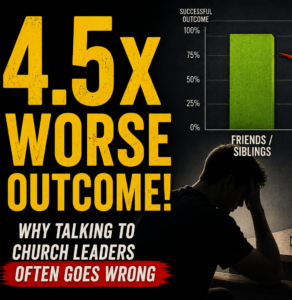
Why do conversations with Church leaders go wrong so often? Why do conversations with Church leaders go wrong so often? Former mission president Jeff Strong says talking to leaders and parents is one of the least helpful things to do in a faith crisis. It’s 4.5 times worse than talking with siblings. Why do some family members quit speaking to those who leave? Should Church leaders better model Christian disagreement? Can a bottom up movement like this succeed in a top-down organization? Check out our conversation… https://youtu.be/Y9pQpKe9CEk Don’t miss our other conversations Jeff: https://gospeltangents.com/people/jeff-strong Copyright © 2026 Gospel Tangents All Rights Reserved Jeff Strong, author of Torn, dives deep into the data surrounding how church members and leaders handle disaffiliation. The conversation shifts from personal narrative to the practical—and often surprising—realities of how we communicate within the faith. Staggering Cost of “Correction” Strong shares a provocative statistic from his research: while 83% of those in a faith transition reach out to someone, the outcome varies wildly depending on who they talk to. Interactions with siblings and friends generally go well, but conversations with devout church leaders are four and a half times more likely to “go badly,” meaning the relationship suffers and the individual feels more inclined to withdraw from the community. Strong attributes this to a default mode of trying to “correct or contain” the person rather than building trust. Agency vs. Stewardship A major theme of this discussion is the “goofy cultural idea” of practicing “enforced agency.” Strong argues that when parents or leaders attempt to manipulate outcomes—such as withholding an inheritance or cutting off family members to maintain a temple recommend—they are actually infringing on the foundational doctrine of agency. He reminds listeners that stewardship does not equal control, citing Joseph Smith’s experience with the lost 116 pages as a lesson that God’s work is not dependent on our ability to control others. Bottom-Up Revolution Addressing the concern that change in the Church is strictly “top-down,” Strong offers a empowering alternative: bottom-up culture change. While he avoids criticizing the institution or “steadying the ark” by telling Salt Lake what to do, he insists that individuals have the power to shape the culture within their own hearts, marriages, and wards. He notes that even one “Christ-centered” Bishop can completely transform a ward’s atmosphere in a short time. The Path Forward: Love Over Fear Strong concludes by urging members to stop “thinking through the amygdala”. When we act out of fear—the “circle the wagons” behavior—it shuts down spiritual growth. By choosing “perfect love” over fear, families can maintain strong relationships even when religious paths diverge. His ultimate goal is not to “recruit” people back, but to help the Church become a place where different types of people can stay, feel they belong, and remain rooted in the Gospel of Jesus Christ. 0:00 Why Conversations with Church Leaders Go Wrong 6:44 Cutting Off Family over Faith? 9:08 Can Bottom Up Influence Top Down? 23:24 Should Church Leaders Model Better? Don’t miss our other conversations Jeff: https://gospeltangents.com/people/jeff-strong Copyright © 2026 Gospel Tangents All Rights Reserved
Embed this episode
NOW PLAYING
Why Conversations with Church Leaders Go Wrong (Jeff Strong 4 of 4)
No transcript for this episode yet
Similar Episodes
No similar episodes found.
Similar Podcasts
No similar podcasts found.