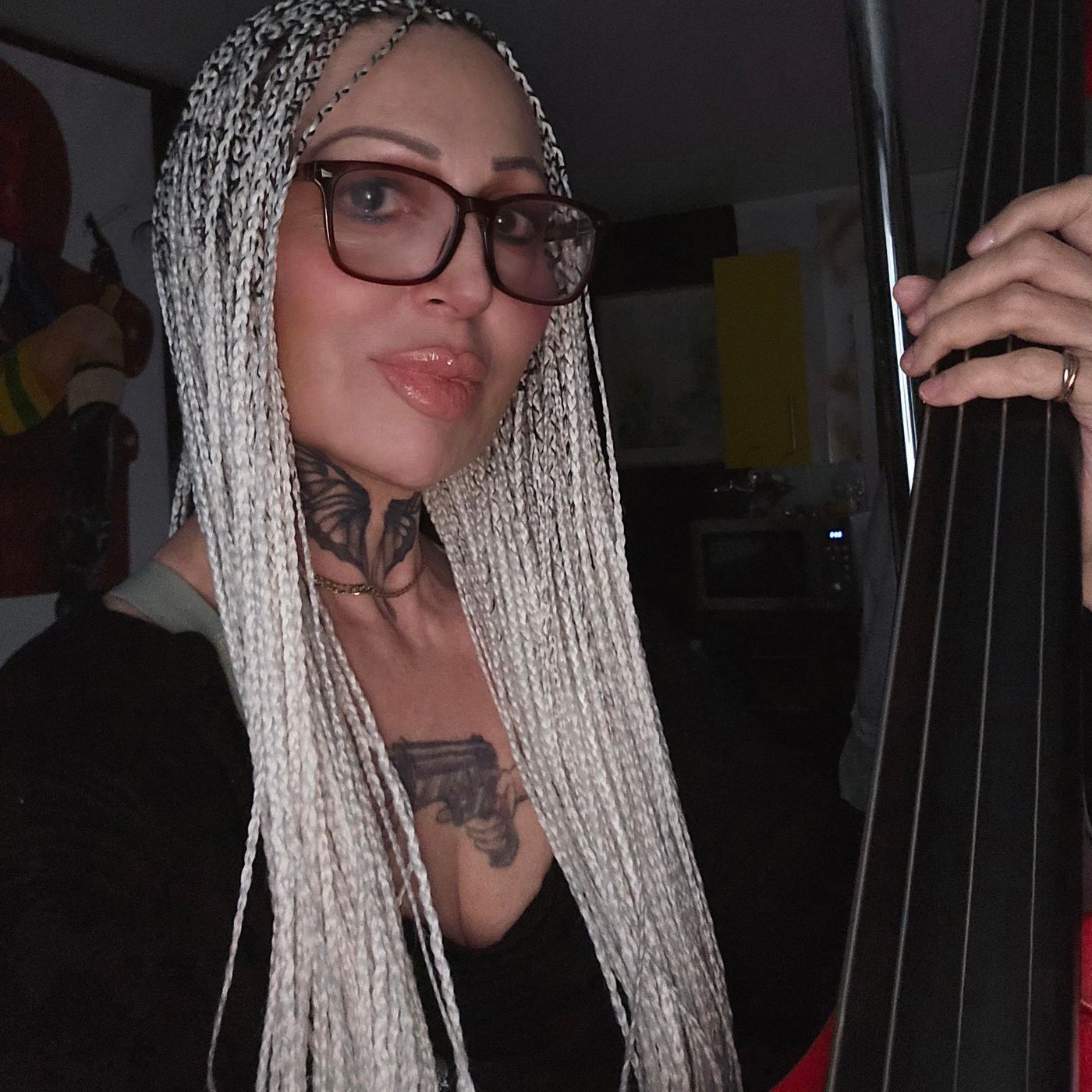
Why does my music teacher insist on slow practice? | iServalan | Digital Conservatoire episode artwork

EPISODE · Dec 18, 2025 · 3 MIN

Why does my music teacher insist on slow practice? | iServalan | Digital Conservatoire

from Continuum Music Studio · host Sarnia de la Maré FRSA

Why Slow Practice Is Crucial to Excellence ......and is often misunderstood. It is sometimes framed as remedial, cautious, or something you endure until you are “good enough” to go faster. And it is, in many ways, all of those things. But the advantages of purposeful slowing down cannot be underestimated. When you slow a passage down, you are not merely reducing speed. You are changing how the brain experiences the music. Gaps appear where none existed before. Tiny weaknesses are now revealed and can be adjusted. Transitions become visible. Movements that once blurred together can now be felt individually. "What am I doing wrong?".... becomes "now I can solve this little thing I do which I am not happy with." This is why slow practice is used by elite performers across disciplines — not because they lack skill, but because they understand how learning consolidates. Fast practice relies heavily on momentum. Slow practice relies on awareness.Slowing teaches you how to breath the music.  There is a crucial difference between muscle memory and narrative memory. Muscle memory allows the body to repeat actions. Narrative memory allows the brain to understand why one action leads to another. Slow practice builds the latter. Glenn Gould was famously meticulous about tempo in the practice room, often working at speeds far removed from performance. He understood that speed, when it arrives too early, conceals instability rather than resolving it. This approach aligns closely with the Suzuki principle, though it is often misunderstood. The goal is not perfection through discipline, but fluency through familiarity. When the body knows what comes next without anxiety, speed emerges naturally, inevitabley. Listening and predicting add an advantage to players that put them ahead of the novice. Speed is not something you add like a condiment.It is something that appears when nothing is in the way. Slow practice is not about being fearful and should never be shamed.It is about giving the music time to organise itself in the mind and the body.Speed runs the risk of hiding mistakes which then become learned and embedded, the mistake is now an irreversible habit. This is fatal for exams and performances.This is especially important for children and neurodiverse students who should be led by the slow example well before flashy, nimble virtuosity. iServalan™Music, listening, and the Continuum Approach: Exploring sound across genres, eras, and performance cultures — from Baroque to punk, hip-hop to minimalism — without hierarchy or haste.🎧 Podcast & essays: 🎻 Music Schoolhttps://iservalan.gumroad.com/l/concervatoire?https://iservalan.gumroad.com📚 Books & long-form work by Sarnia de la Maré FRSA:https://www.amazon.co.uk/stores/author/B0CWGX2DJ6🎨 Professional profile:https://www.a-n.co.uk/person/sarnia-de-la-mare-frsa-2/#iServalan #ContinuumApproach #MusicPodcast #RadicalListening #MusicAcrossGenres#PerformanceCulture #SarniaDeLaMaré

Why Slow Practice Is Crucial to Excellence ......and is often misunderstood. It is sometimes framed as remedial, cautious, or something you endure until you are “good enough” to go faster. And it is, in many ways, all of those things. But the advantages of purposeful slowing down cannot be underestimated. When you slow a passage down, you are not merely reducing speed. You are changing how the brain experiences the music. Gaps appear where none existed before. Tiny weaknesses are now revealed and can be adjusted. Transitions become visible. Movements that once blurred together can now be felt individually. "What am I doing wrong?".... becomes "now I can solve this little thing I do which I am not happy with." This is why slow practice is used by elite performers across disciplines — not because they lack skill, but because they understand how learning consolidates. Fast practice relies heavily on momentum. Slow practice relies on awareness.Slowing teaches you how to breath the music.  There is a crucial difference between muscle memory and narrative memory. Muscle memory allows the body to repeat actions. Narrative memory allows the brain to understand why one action leads to another. Slow practice builds the latter. Glenn Gould was famously meticulous about tempo in the practice room, often working at speeds far removed from performance. He understood that speed, when it arrives too early, conceals instability rather than resolving it. This approach aligns closely with the Suzuki principle, though it is often misunderstood. The goal is not perfection through discipline, but fluency through familiarity. When the body knows what comes next without anxiety, speed emerges naturally, inevitabley. Listening and predicting add an advantage to players that put them ahead of the novice. Speed is not something you add like a condiment.It is something that appears when nothing is in the way. Slow practice is not about being fearful and should never be shamed.It is about giving the music time to organise itself in the mind and the body.Speed runs the risk of hiding mistakes which then become learned and embedded, the mistake is now an irreversible habit. This is fatal for exams and performances.This is especially important for children and neurodiverse students who should be led by the slow example well before flashy, nimble virtuosity. iServalan™Music, listening, and the Continuum Approach: Exploring sound across genres, eras, and performance cultures — from Baroque to punk, hip-hop to minimalism — without hierarchy or haste.🎧 Podcast & essays: 🎻 Music Schoolhttps://iservalan.gumroad.com/l/concervatoire?https://iservalan.gumroad.com📚 Books & long-form work by Sarnia de la Maré FRSA:https://www.amazon.co.uk/stores/author/B0CWGX2DJ6🎨 Professional profile:https://www.a-n.co.uk/person/sarnia-de-la-mare-frsa-2/#iServalan #ContinuumApproach #MusicPodcast #RadicalListening #MusicAcrossGenres#PerformanceCulture #SarniaDeLaMaré

NOW PLAYING

Why does my music teacher insist on slow practice? | iServalan | Digital Conservatoire

0:00 3:26

No transcript for this episode yet

We transcribe on demand. Request one and we'll notify you when it's ready — usually under 10 minutes.

Frequently Asked Questions

How long is this episode of Continuum Music Studio?

This episode is 3 minutes long.

When was this Continuum Music Studio episode published?

This episode was published on December 18, 2025.

What is this episode about?

Why Slow Practice Is Crucial to Excellence ......and is often misunderstood. It is sometimes framed as remedial, cautious, or something you endure until you are “good enough” to go faster. And it is, in many ways, all of those things. But the...

Is there a transcript available for this episode?

Yes, a full transcript is available for this episode. You can read the complete transcript on the episode page.

Can I download this Continuum Music Studio episode?

Yes, you can download this episode by clicking the download button on the episode player, or subscribe to the podcast in your preferred podcast app for automatic downloads.
URL copied to clipboard!