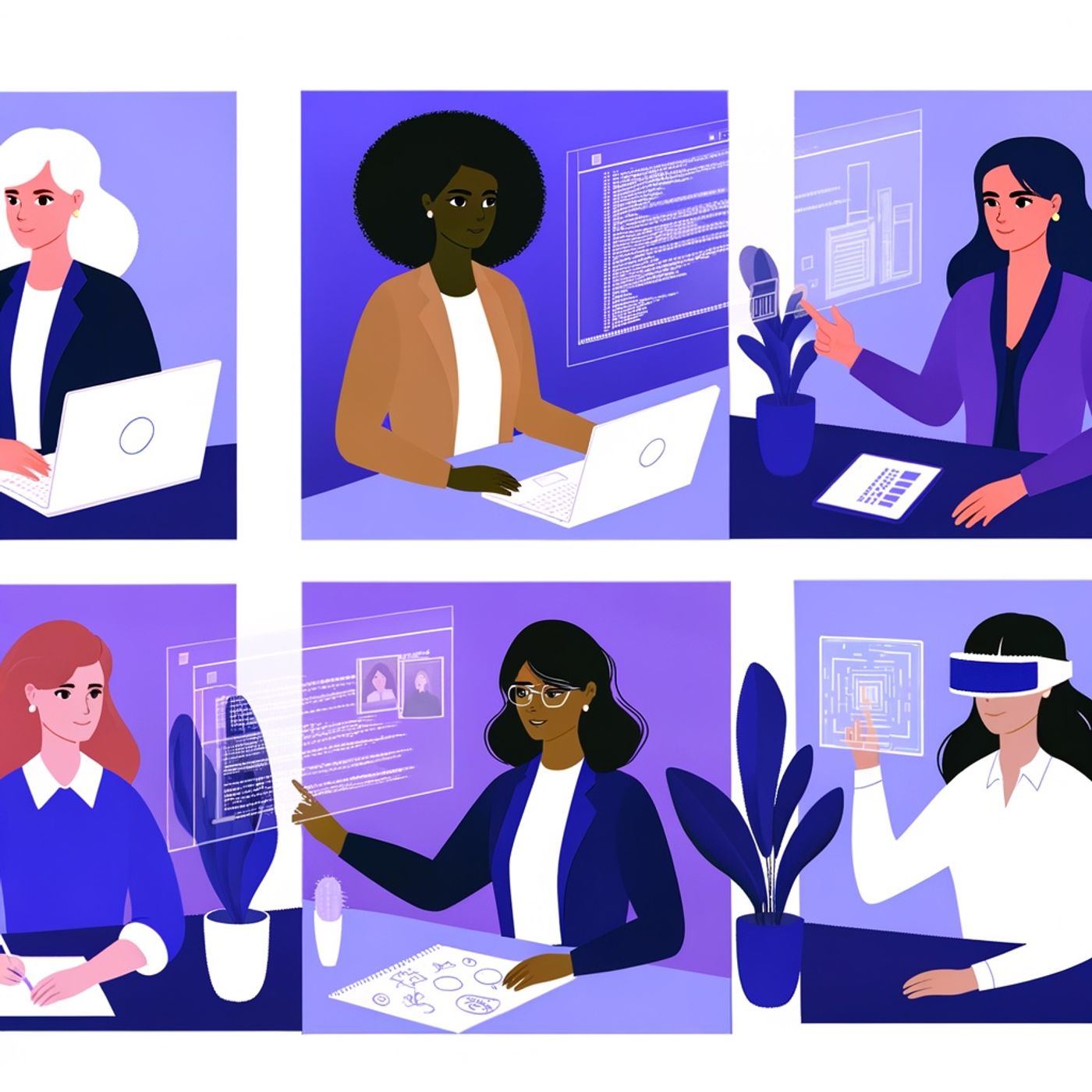
Women in Tech 2026: Why Half Leave by 35 and What We Can Do About It episode artwork

EPISODE · Mar 7, 2026 · 3 MIN

Women in Tech 2026: Why Half Leave by 35 and What We Can Do About It

from Women in Business · host Inception Point AI

This is your Women in Business podcast. Welcome back to Women in Business. I'm your host, and today we're diving into one of the most pressing challenges facing women right now: navigating the tech industry in 2026. Whether you're a software engineer, a startup founder, or someone considering a career pivot, this conversation is for you. Let's start with the reality on the ground. According to recent diversity reports from major tech companies like Google, Microsoft, Meta, and Apple, women make up roughly 26 to 28 percent of the global tech workforce. That number hasn't budged much since the year 2000, when we saw only a one percent increase over the past two decades. But here's what should concern us more: in technical roles specifically, representation drops to just 20 to 22 percent. And in emerging fields like artificial intelligence, women hold only 22 percent of global positions. The first discussion point we need to address is retention and burnout. Data shows that women in tech are about 45 percent more likely to leave the industry than men, with half of all women departing by age 35. Why? Fifty-seven percent of women report feeling burned out at work compared to 36 percent of men. Poor work-life balance ranks as the top reason women leave, cited by 45 percent of those departing. This isn't about individual resilience. This is about systemic pressure. Second, let's talk about the leadership pipeline. Women represent only 16 percent of Chief Technology Officers and 17 percent of tech company CEOs. This creates what researchers call the broken rung phenomenon, where advancement stalls at entry and mid-management levels. Without visible role models in leadership, younger women struggle to envision their own paths forward. Third, we must address the pay gap. Women in science and engineering roles earn between 87 and 90 cents for every dollar men earn. That compounds over a career, affecting not just salaries but retirement security and generational wealth. Yet here's the encouraging part: 75 percent of tech companies now conduct annual pay equity audits, signaling that awareness is driving action. Fourth, the skills gap deserves attention. Women are 25 percent less likely to have basic digital skills, and daily AI tool usage among women sits at just 34 percent compared to 43 percent for men. This gap determines who gets access to high-demand, high-paying roles in emerging technologies. Companies like Google have shown that intentional interventions work. They increased female hiring by 5 percent through diverse interview panels, standardized assessments, and blind resume reviews. Finally, let's acknowledge the progress. Ninety-one percent of tech organizations promoted women in 2024, up from 76 percent in 2019. Sixty-eight percent of women participate in employee resource groups, and mentorship programs show a 33 percent satisfaction boost. Women in tech startups have also made gains, with 37 percent of new startups now having at least This content was created in partnership and with the help of Artificial Intelligence AI.

This is your Women in Business podcast. Welcome back to Women in Business. I'm your host, and today we're diving into one of the most pressing challenges facing women right now: navigating the tech industry in 2026. Whether you're a software engineer, a startup founder, or someone considering a career pivot, this conversation is for you. Let's start with the reality on the ground. According to recent diversity reports from major tech companies like Google, Microsoft, Meta, and Apple, women make up roughly 26 to 28 percent of the global tech workforce. That number hasn't budged much since the year 2000, when we saw only a one percent increase over the past two decades. But here's what should concern us more: in technical roles specifically, representation drops to just 20 to 22 percent. And in emerging fields like artificial intelligence, women hold only 22 percent of global positions. The first discussion point we need to address is retention and burnout. Data shows that women in tech are about 45 percent more likely to leave the industry than men, with half of all women departing by age 35. Why? Fifty-seven percent of women report feeling burned out at work compared to 36 percent of men. Poor work-life balance ranks as the top reason women leave, cited by 45 percent of those departing. This isn't about individual resilience. This is about systemic pressure. Second, let's talk about the leadership pipeline. Women represent only 16 percent of Chief Technology Officers and 17 percent of tech company CEOs. This creates what researchers call the broken rung phenomenon, where advancement stalls at entry and mid-management levels. Without visible role models in leadership, younger women struggle to envision their own paths forward. Third, we must address the pay gap. Women in science and engineering roles earn between 87 and 90 cents for every dollar men earn. That compounds over a career, affecting not just salaries but retirement security and generational wealth. Yet here's the encouraging part: 75 percent of tech companies now conduct annual pay equity audits, signaling that awareness is driving action. Fourth, the skills gap deserves attention. Women are 25 percent less likely to have basic digital skills, and daily AI tool usage among women sits at just 34 percent compared to 43 percent for men. This gap determines who gets access to high-demand, high-paying roles in emerging technologies. Companies like Google have shown that intentional interventions work. They increased female hiring by 5 percent through diverse interview panels, standardized assessments, and blind resume reviews. Finally, let's acknowledge the progress. Ninety-one percent of tech organizations promoted women in 2024, up from 76 percent in 2019. Sixty-eight percent of women participate in employee resource groups, and mentorship programs show a 33 percent satisfaction boost. Women in tech startups have also made gains, with 37 percent of new startups now having at least This content was created in partnership and with the help of Artificial Intelligence AI.

NOW PLAYING

Women in Tech 2026: Why Half Leave by 35 and What We Can Do About It

0:00 3:36

No transcript for this episode yet

We transcribe on demand. Request one and we'll notify you when it's ready — usually under 10 minutes.

MG Show MG Show The MG Show, hosted by Jeffrey Pedersen and Shannon Townsend, is a leading alternative media platform dedicated to uncovering the truth behind today’s most pressing political issues. Launched in 2019, the show has grown exponentially, offering unfiltered insights, comprehensive research, and real-time analysis. With a commitment to independent journalism and factual integrity, the MG Show empowers its audience with knowledge and encourages active participation in the political discourse. Eat to Live Jenna Fuhrman, Dr. Fuhrman Our health is our most precious gift and smart nutrition can change your life. Each month, join Dr. Fuhrman and his daughter, Jenna Fuhrman as they discuss important topics in the world of nutrition. Eat to Live will change the way you eat and think about food. French Your Way Jessica: Native French teacher founder of French Your Way Boost your French listening skills and test your comprehension with this one of a kind series of podcasts. Get the chance to listen to a real conversation between native speakers talking at normal speed AND customise your learning experience through carefully designed sets of questions (2 levels of difficulty) available for download at www.frenchvoicespodcast.com. All interviews also come with the transcript. French teacher Jessica interviews native speakers of French from around the world who share a bit of their life and passion. Where else would you meet in one same place a French yoga teacher based in Melbourne, a soap manufacturer from Provence, or a couple cycling around the world? The Small Business Startup School – Business Notes | Financial Literacy | Retail Psychology – For Professionals & Entrepreneurs The Small Business Startup School Inc. Starting or buying a small business? While personal circumstances may vary, business patterns remain timeless. On The Small Business Startup School, we explore strategies, insights, and practical solutions to help entrepreneurs confidently navigate their journey.Hosted by Ola Williams—a retail entrepreneur, fintech founder, and financial coach with over two decades of experience—this podcast marries financial awareness and retail psychology with optimism to deliver actionable takeaways.Join us to learn, grow, and connect as we uncover the keys to business success.Let’s continue to learn together and be encouraged to keep on connecting!

Frequently Asked Questions

How long is this episode of Women in Business?

This episode is 3 minutes long.

When was this Women in Business episode published?

This episode was published on March 7, 2026.

What is this episode about?

This is your Women in Business podcast. Welcome back to Women in Business. I'm your host, and today we're diving into one of the most pressing challenges facing women right now: navigating the tech industry in 2026. Whether you're a software...

Can I download this Women in Business episode?

Yes, you can download this episode by clicking the download button on the episode player, or subscribe to the podcast in your preferred podcast app for automatic downloads.
URL copied to clipboard!