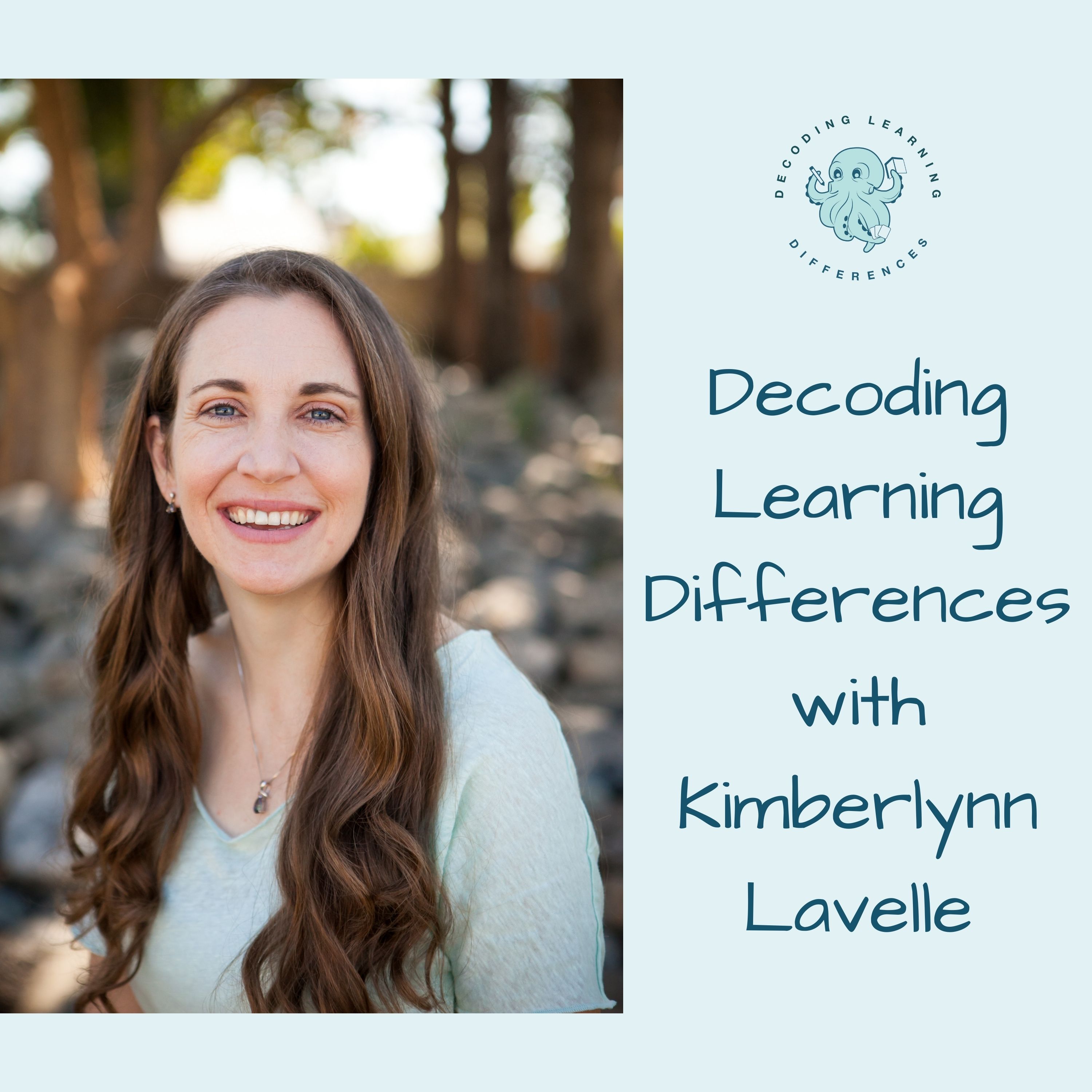
Work Completion is NOT the Goal! episode artwork

EPISODE · Mar 7, 2022 · 3 MIN

Work Completion is NOT the Goal!

from Decoding Learning Differences with Kimberlynn Lavelle · host Kimberlynn Lavelle

“When you finish that math worksheet, you have the reading comprehension one from yesterday to finish.”   Does that sound reasonable?   To most of us, it does.  We have likely heard and maybe said something very similar ourselves.   In a society focused on how “productive” a person is, we expect kids to finish worksheets like it is their job.   We even talk about school being a child’s job, and some parents pay kids for how well they do at their job! (Please see the episode “Motivation Killers” on why I don’t support this practice)   But learning is way more important than a job.  We can choose to quit a job, and we can choose to quit doing a “learning activity”, but the actual learning is happening.  Kids are constantly learning, especially when they are having fun and are interested in what they’re doing.   The more focused we are on a particular task being completed, the more likely it is that our child will find the task unpleasant and learn little from it.   Instead, ask yourself, “what is my goal in giving my child this task?”   Now, a worksheet to practice a particular math strategy is totally valid.  I recommend starting with hands-on learning first, and then worksheets can provide good practice and review.     However, the goal of the worksheet is to allow for that practice, not to finish a worksheet.  And maybe completing two problems is sufficient practice.  Maybe two full pages is more appropriate.   And there are plenty of times that a worksheet is too easy and not helpful practice, or too difficult and getting the child to complete it leads to a child who has a finished worksheet that they have no idea how to do or what they were supposed to have learned from it.   I see this last one all the time.  The other day I was given an incomplete comprehension page that one of my students was supposed to finish with me because they didn’t do it in class.  I immediately could see that the worksheet was at a much higher reading level than this child’s ability, and was not on a topic the child was interested in.   I certainly could have gotten that worksheet finished with the child, but I have limited time with these kids and I want the time that I do have with them to be used wisely.  So, instead of doing the worksheet, we worked on what I had planned already- some reading and math activities that were at her level.   The next time you are about to ask your child to complete something, question yourself: what is the purpose of this activity?  At what point will it have fulfilled its function?  Is it an appropriate level for my child? And then make an appropriate plan with that information.

“When you finish that math worksheet, you have the reading comprehension one from yesterday to finish.”   Does that sound reasonable?   To most of us, it does.  We have likely heard and maybe said something very similar ourselves.   In a society focused on how “productive” a person is, we expect kids to finish worksheets like it is their job.   We even talk about school being a child’s job, and some parents pay kids for how well they do at their job! (Please see the episode “Motivation Killers” on why I don’t support this practice)   But learning is way more important than a job.  We can choose to quit a job, and we can choose to quit doing a “learning activity”, but the actual learning is happening.  Kids are constantly learning, especially when they are having fun and are interested in what they’re doing.   The more focused we are on a particular task being completed, the more likely it is that our child will find the task unpleasant and learn little from it.   Instead, ask yourself, “what is my goal in giving my child this task?”   Now, a worksheet to practice a particular math strategy is totally valid.  I recommend starting with hands-on learning first, and then worksheets can provide good practice and review.     However, the goal of the worksheet is to allow for that practice, not to finish a worksheet.  And maybe completing two problems is sufficient practice.  Maybe two full pages is more appropriate.   And there are plenty of times that a worksheet is too easy and not helpful practice, or too difficult and getting the child to complete it leads to a child who has a finished worksheet that they have no idea how to do or what they were supposed to have learned from it.   I see this last one all the time.  The other day I was given an incomplete comprehension page that one of my students was supposed to finish with me because they didn’t do it in class.  I immediately could see that the worksheet was at a much higher reading level than this child’s ability, and was not on a topic the child was interested in.   I certainly could have gotten that worksheet finished with the child, but I have limited time with these kids and I want the time that I do have with them to be used wisely.  So, instead of doing the worksheet, we worked on what I had planned already- some reading and math activities that were at her level.   The next time you are about to ask your child to complete something, question yourself: what is the purpose of this activity?  At what point will it have fulfilled its function?  Is it an appropriate level for my child? And then make an appropriate plan with that information.

NOW PLAYING

Work Completion is NOT the Goal!

0:00 3:09

No transcript for this episode yet

We transcribe on demand. Request one and we'll notify you when it's ready — usually under 10 minutes.

MG Show MG Show The MG Show, hosted by Jeffrey Pedersen and Shannon Townsend, is a leading alternative media platform dedicated to uncovering the truth behind today’s most pressing political issues. Launched in 2019, the show has grown exponentially, offering unfiltered insights, comprehensive research, and real-time analysis. With a commitment to independent journalism and factual integrity, the MG Show empowers its audience with knowledge and encourages active participation in the political discourse. French Your Way Jessica: Native French teacher founder of French Your Way Boost your French listening skills and test your comprehension with this one of a kind series of podcasts. Get the chance to listen to a real conversation between native speakers talking at normal speed AND customise your learning experience through carefully designed sets of questions (2 levels of difficulty) available for download at www.frenchvoicespodcast.com. All interviews also come with the transcript. French teacher Jessica interviews native speakers of French from around the world who share a bit of their life and passion. Where else would you meet in one same place a French yoga teacher based in Melbourne, a soap manufacturer from Provence, or a couple cycling around the world? That Hoarder: Overcome Compulsive Hoarding That Hoarder Hoarding disorder is stigmatised and people who hoard feel vast amounts of shame. This podcast began life as an audio diary, an anonymous outlet for somebody with this weird condition. That Hoarder speaks about her experiences living with compulsive hoarding, she interviews therapists, academics, researchers, children of hoarders, professional organisers and influencers, and she shares insight and tips for others with the problem. Listened to by people who hoard as well as those who love them and those who work with them, Overcome Compulsive Hoarding with That Hoarder aims to shatter the stigma, share the truth and speak openly and honestly to improve lives. The Small Business Startup School – Business Notes | Financial Literacy | Retail Psychology – For Professionals & Entrepreneurs The Small Business Startup School Inc. Starting or buying a small business? While personal circumstances may vary, business patterns remain timeless. On The Small Business Startup School, we explore strategies, insights, and practical solutions to help entrepreneurs confidently navigate their journey.Hosted by Ola Williams—a retail entrepreneur, fintech founder, and financial coach with over two decades of experience—this podcast marries financial awareness and retail psychology with optimism to deliver actionable takeaways.Join us to learn, grow, and connect as we uncover the keys to business success.Let’s continue to learn together and be encouraged to keep on connecting!

Frequently Asked Questions

How long is this episode of Decoding Learning Differences with Kimberlynn Lavelle?

This episode is 3 minutes long.

When was this Decoding Learning Differences with Kimberlynn Lavelle episode published?

This episode was published on March 7, 2022.

What is this episode about?

“When you finish that math worksheet, you have the reading comprehension one from yesterday to finish.”   Does that sound reasonable?   To most of us, it does.  We have likely heard and maybe said something very similar ourselves.   In a society...

Can I download this Decoding Learning Differences with Kimberlynn Lavelle episode?

Yes, you can download this episode by clicking the download button on the episode player, or subscribe to the podcast in your preferred podcast app for automatic downloads.
URL copied to clipboard!