
EPISODE · May 27, 2026 · 7 MIN
Years after 'death' of mastermind of Korea's biggest Ponzi scheme, victims await justice
from Korea JoongAng Daily - Daily News from Korea · host CHO JUNG-WOO
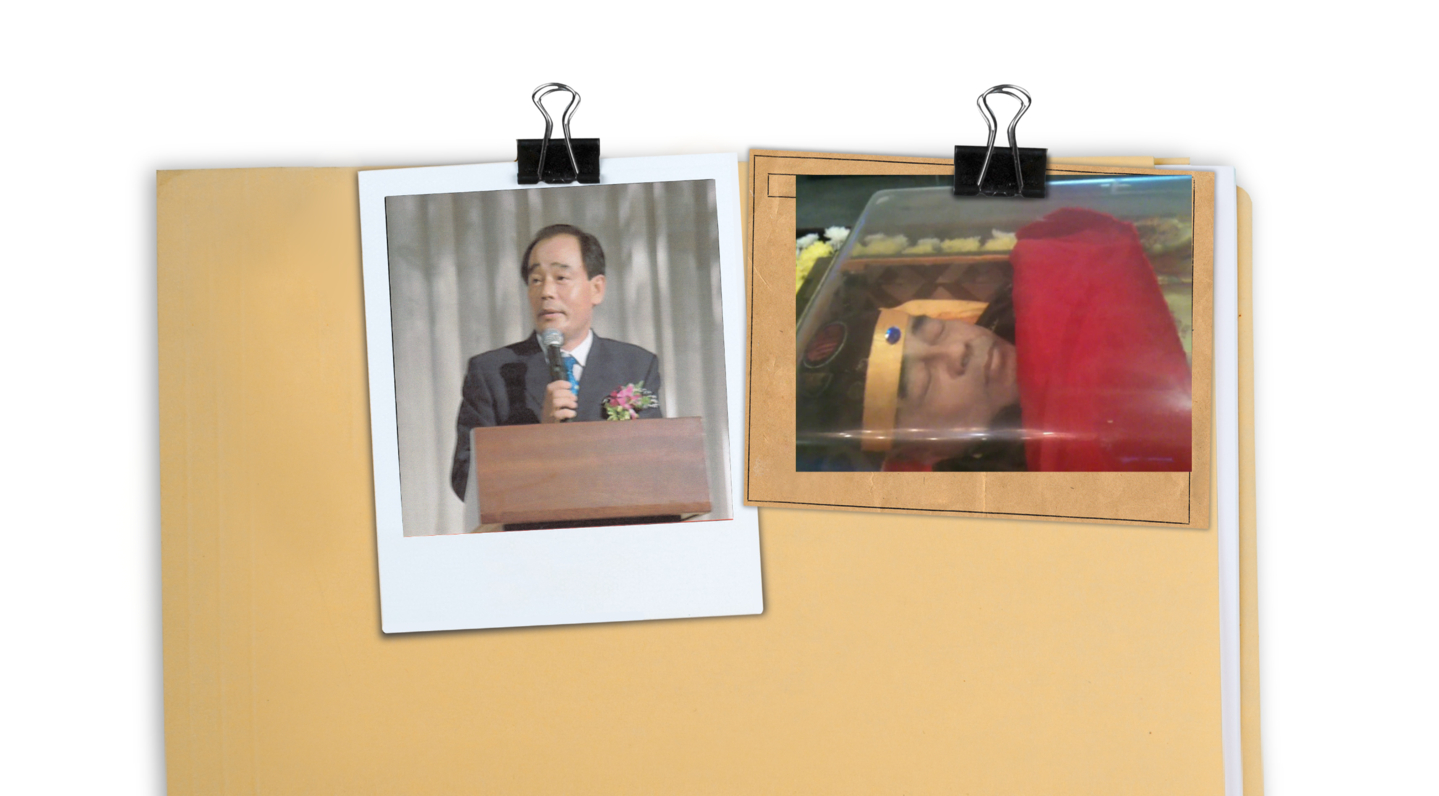
This article is by Cho Jung-woo and read by an artificial voice. [KOREAN CRIME FILES #19] Behind the glitz and glamour seen in pop culture, Korea's grimmest and most harrowing crime stories, some more well-known than others, continue to haunt society today. The Korea JoongAng Daily takes a deep dive into some of these stories, sharing a glimpse into the darker side of society as well as the most up-to-date known facts. — Ed. On the night of Dec. 9, 2009, Coast Guard officials boarded a fishing boat returning to port in Taean County, South Chungcheong, and surrounded a man on deck. "Freeze! Put your hands up!" one officer shouted. The officials stormed onto the vessel and began searching, expecting to uncover bags of cash or drugs. Instead, they found a passport left behind. When they opened it, they saw a name that stunned them. It belonged to Cho Hee-pal, the mastermind behind what remains Korea's largest Ponzi scheme. But the discovery came too late. Cho had already fled to China. How the scheme worked Cho's fraud operation, which preyed on ordinary people seeking financial security, stole an estimated 5 trillion won ($3.4 billion) from 70,000 victims. Cho launched his business empire in 2004, opening multiple companies across the country, starting in Daegu. On the surface, the business seemed legitimate. Investors were told they were leasing health devices, such as massage chairs, to be installed in places like hair salons and motels, where customers would pay to use them. Cho's company promised to manage the machines and distribute profits to investors. The targets were often vulnerable: retirees, unemployed workers and people still struggling in the aftermath of the 1997 Asian financial crisis. The returns sounded irresistible. For every machine purchased, investors were promised an average daily dividend of 35,000 won. An initial investment of 4.4 million won would return 5.81 million won after just eight months — an annual yield of roughly 48 percent. At the time, average bank interest rates hovered around 4 percent. And remarkably, the dividends arrived exactly on time every single day for four years. That consistency built trust. But the machines themselves generated little real profit. The dividends were being paid using money from new investors. It was a classic Ponzi scheme. As more people joined, more money flowed in. And as long as new investments continued, Cho could keep paying old investors. Until he couldn't. The runaway Cho knew the collapse was coming. Three months before his disappearance, he began preparing for a carefully orchestrated escape. He announced to investors that dividend payments would no longer be recorded in their bankbooks. Instead, they would receive text message notifications, and anyone wishing to claim their earnings could visit the office in person. Then he added a curious warning, "Don't tell other companies. They'll copy us." Every morning at 8:30 a.m., investors received text messages confirming their dividend payments. They were all fake. At the same time, Cho urged people to invest even more, warning that profit rates would soon decline. Victims poured in everything they had: their dividend earnings, retirement savings, marriage funds and even bank loans. By then, Cho's network had expanded to around 80 offices nationwide, including shell companies that existed only on paper. Then, at the height of the scheme, the offices suddenly shut down. Phones went unanswered. When police raided Cho's headquarters, they found it empty. Everyone involved had vanished, and all critical records had been removed. The mysterious whereabouts Police requested an Interpol Red Notice, but Cho had disappeared. According to an acquaintance who was unknowingly recruited to help with his escape, Cho boarded the boat carrying nothing but a small pouch. Investigators suspect it contained records of hidden assets and a list of officials he had bribed. Those suspicions were not unfounded. In May 2009, ...
Embed this episode
NOW PLAYING
Years after 'death' of mastermind of Korea's biggest Ponzi scheme, victims await justice
No transcript for this episode yet
Similar Episodes
No similar episodes found.
Similar Podcasts
No similar podcasts found.