
PODCAST · health
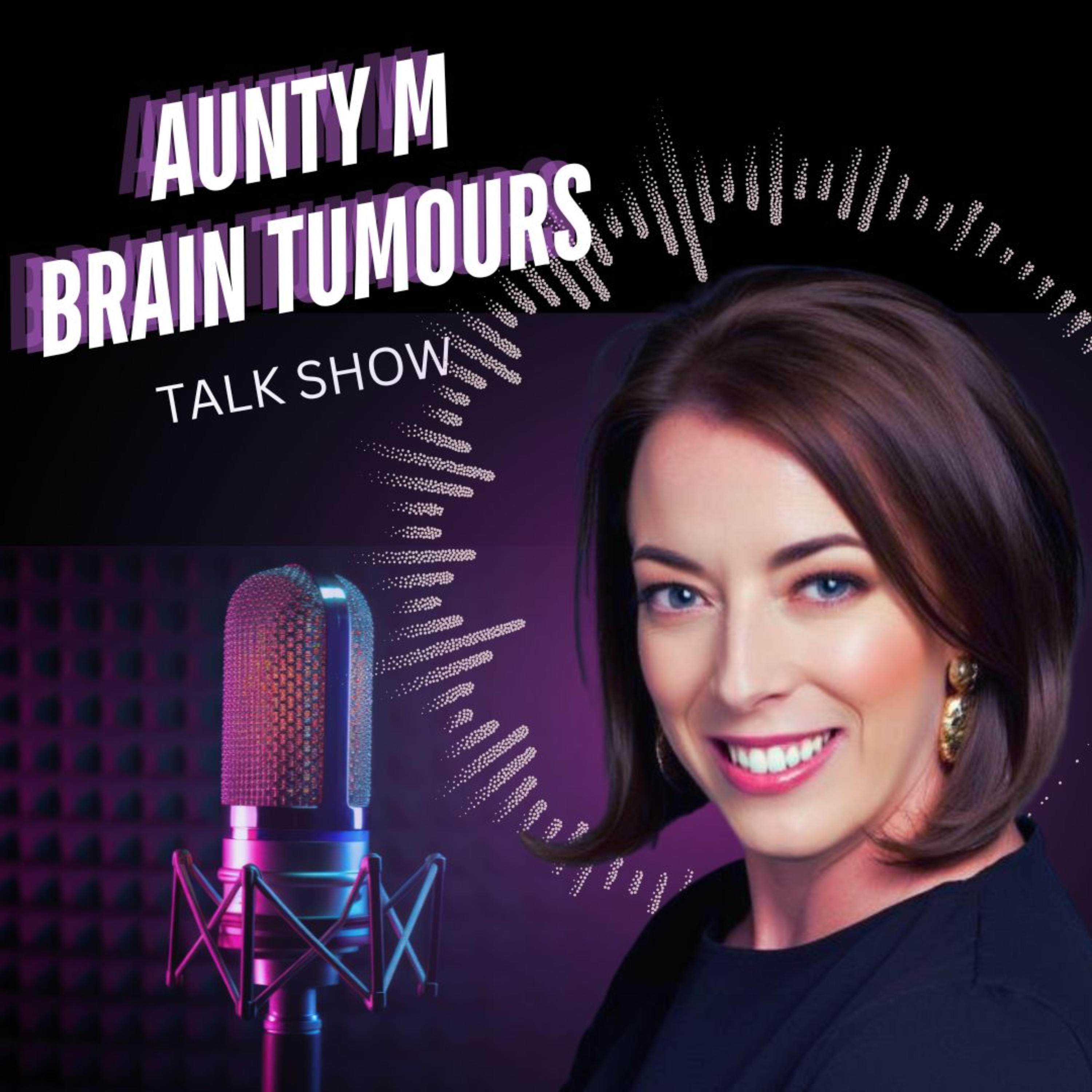
Aunty M Brain Tumours Talk Show
by Claire Bullimore
Aunty M Brain Tumours Talk Show - A podcast sharing inspiring stories of brain tumour survivors. Join our supportive community for heartfelt interviews, insights from medical experts, and empowering tales of resilience. Tune in, be inspired, and spread awareness on the path of brain tumour recovery.I’d love for you to join me on the podcast. If you have a story to share, advice to give, or just want to be part of the conversation, please reach out! Your voice could be the one that someone else needs to hear.
-
148
Earlier Brain Tumour Diagnosis: Red Flags Every GP Should Know
This is the final episode of Brain Tumour Awareness Month 2026.After 30 days of real people sharing their lived experience of brain tumours, this final conversation asks an urgent question:How do we diagnose brain tumours earlier?In this special closing episode, Claire speaks with Dr Victoria McBride, a GP who has become a passionate advocate for brain tumour awareness after her own family’s experience.In 2021, Dr McBride’s nephew Scott was diagnosed with a glioblastoma after repeatedly attending his GP with symptoms that were not recognised as warning signs. By the time he was admitted to hospital, he was critically unwell.This conversation explores:• Why brain tumour symptoms are so often missed• The danger of repeated reassurance without proper follow-up• How “headache plus” symptoms can be a warning sign• Why evolving neurological symptoms must not be ignored• The importance of pattern recognition in primary care• The barriers GPs face, including time pressure and lack of continuity• Why earlier diagnosis may not always change prognosis — but can change outcomes• How earlier detection can reduce disability, trauma and crisis admissions• The new toolkit is being developed with The Brain Tumour Charity and the Royal College of GPs to support earlier diagnosisThis episode is deeply personal, but it is also practical, hopeful and forward-looking.It brings together everything this month has shown us:the missed signs, the delayed diagnoses, the lives changed forever — and the urgent need for better awareness.After 31 stories, one truth is clear:People know when something is wrong.Patients need to be heard.And earlier diagnosis matters.Thank you for listening, sharing, and helping amplify these stories throughout Brain Tumour Awareness Month 2026.⚠️ Content note: This episode discusses delayed diagnosis, glioblastoma, medical trauma, and the impact of missed brain tumour symptoms.
-
147
Living Fully With an IDH-Mutant Astrocytoma
Jaime was diagnosed with an IDH-mutant astrocytoma — but not in the way anyone would expect.After surviving a traumatic brain injury years earlier, Jaime went through scans and rehabilitation to relearn how to walk, talk and function again. It was only much later, after noticing worsening tremors following the birth of her third baby, that more tests revealed something nobody had ever told her before:There had been a small mass on her brain all along.In this honest and uplifting interview, Jaime shares:• Finding out about her brain tumour completely by accident• The shock of learning something had been seen on earlier scans• Living through watch and wait• Why she pushed for second and third opinions• Choosing laser ablation surgery• Being diagnosed with a grade 2 astrocytoma• Starting Vorasidenib for her IDH-mutant tumour• Seeing her tumour begin to shrink• Living with uncertainty while raising three children• Staying present and finding joy in everyday life Jaime speaks powerfully about advocacy, openness, and making the most of life even when the future feels uncertain.Her message is clear:Stand up for yourself. Ask questions. Stay present. Book the trip. Get the tattoo.This episode is part of a 31-day series sharing real brain tumour stories for Brain Tumour Awareness Month 2026.If this episode resonates with you, please share it. Every story helps raise awareness.⚠️ Content note: This episode discusses brain tumour diagnosis, prior traumatic brain injury, surgery, scan monitoring, and long-term uncertainty.
-
146
Where There’s Life, There’s Hope | Elisabeth’s Brain Cancer Story
Elisabeth was 35 when a sharp pain in her head woke her in the night.What followed was a terrifying chain of events: repeated trips to hospital, being told it was unlikely to be serious, worsening headaches, vomiting, collapse in A&E, and eventually an MRI that revealed a mass on her brain.She was alone when she was told.It later emerged that for eight days, Elisabeth had been living through a brain haemorrhage.In this powerful and deeply honest interview, Elisabeth shares her journey with glioblastoma — from diagnosis during COVID, to multiple craniotomies, paralysis down her left side, learning to walk again, radiotherapy, chemotherapy, recurrence, and the reality of living far beyond what many people expect from this diagnosis.Elisabeth speaks openly about:• Being diagnosed alone during the pandemic• Her mum fighting to get her transferred to specialist care• The failed biopsy that led to life-saving surgery• Learning to walk again after being left paralysed on one side• Multiple surgeries, radiotherapy and chemotherapy• The exhaustion of treatment while raising two young children• Finding humour in the darkest moments — including “Cancer Carpool Karaoke”• Why she calls the things she looks forward to her “glimmers”• Support from St Christopher’s Hospice and why hospice care needs reframing• Fundraising through music and bringing people together• Choosing to live fully, even in the face of uncertaintyElisabeth’s story is raw, funny, heartbreaking and full of fight.Her message is clear:Speak up. Ask questions. Keep going. Where there’s life, there’s hope.This episode is part of a 31-day series sharing real brain tumour stories for Brain Tumour Awareness Month 2026.If this episode resonates with you, please share it. Every story helps raise awareness.⚠️ Content note: This episode discusses glioblastoma, brain haemorrhage, repeated surgery, chemotherapy, radiotherapy, disability, hospice care, and living with a life-limiting diagnosis.
-
145
15 Tumours, One Diagnosis | Austen’s NF2 Story
Austen was diagnosed with Neurofibromatosis Type 2 (NF2) in February 2025.After years of worsening balance and hearing issues, he was repeatedly told nothing was wrong — until an MRI revealed multiple tumours.At first, he was told there were four.Then eight.Then seven in his spine.A total of 15 tumours.In this honest and down-to-earth interview, Austen shares:• Being dismissed for years before finally getting answers• The shock of being diagnosed with a rare genetic condition• Finding out the full extent of his tumours in an unexpected moment• Living with hearing loss and balance issues• Starting lifelong treatment with Avastin• Making the decision not to have high-risk surgery• The uncertainty of symptoms — not knowing what is tumour-related• Fatigue and the reality of daily life with NF2• Leaving work to prioritise his health• The mental challenge of not knowing what the future holdsAusten speaks openly about how isolating rare conditions can feel — and why connecting with others who truly understand makes such a difference.He also shares how something as simple as getting a dog completely changed his life, giving him purpose, routine, and a reason to keep going.His message is simple:You can’t let it run your life. Just take it day by day.This episode is part of a 31-day series sharing real brain tumour stories for Brain Tumour Awareness Month 2026.If this episode resonates with you, please share it. Every story helps raise awareness.⚠️ Content note: This episode discusses brain tumour diagnosis, chronic illness, lifelong treatment, hearing loss, fatigue, and mental health challenges.
-
144
Learning to Walk With Fear and Still Showing Up
In 2022, Israh was diagnosed with a petroclival meningioma.But this episode is not only about diagnosis or surgery.It’s about what comes after.It’s about the “middle place” so many people in the brain tumour community know well — the place after treatment, where life continues, but uncertainty never fully leaves.In this thoughtful and deeply honest conversation, Israh speaks about living with the unknown:• the fear that does not fade with time• scanxiety and the dread of the next MRI• the uncertainty of planning ahead• the fear of needing another, more dangerous operation• living in a body changed by fatigue• grieving the person she used to be• learning to rest, set boundaries, and say no without guilt• discovering that strength is not always pushing throughIsrah shares how her life has changed since surgery. Once constantly busy, energetic and always on the go, she is now learning to live in a different way — with more compassion for herself, more awareness of her limits, and a deeper understanding of what it means to keep going even when fear is present.Her message is powerful:You do not need to be fully recovered to live a meaningful life.Alongside living with this uncertainty, Israh has also spent the month fundraising and showing her support for brain tumour charities, including The Brain Tumour Charity and Brain Tumour Research — raising money, raising awareness, and showing others that even in the unknown, purpose is still possible.This episode is for anyone living with uncertainty in their health, anyone struggling with scanxiety, fatigue, or fear of the future, and anyone who needs the reminder that it is still possible to keep showing up.If this episode resonates with you, please share it. Every story helps raise awareness.⚠️ Content note: This episode discusses brain tumour diagnosis, surgery, scanxiety, fear of recurrence, fatigue, and the emotional impact of living with long-term uncertainty.
-
143
The Stigma Almost Hurt as Much as the Tumour | Shahleen’s Story
Shahleen Hussain was diagnosed with a low-grade brain tumour in 2014, when she was just 14 years old.It began with passing out in school, nosebleeds, and double vision.What followed was years of hospital appointments, scans, uncertainty, steroid treatment, seizures, and the life-changing reality of living with both a brain tumour and epilepsy from a young age.Because of where the tumour is located, it is inoperable. Shahleen has lived for years with six-monthly MRI and CT scans, ongoing symptoms, and the fear that one day doctors may tell her it has started growing again.In this incredibly honest interview, Shahleen shares:• Being diagnosed as a child• Her parents being told she had only six months to live• Missing school and watching her whole family be affected• Bullying after steroid-related weight gain• Hair loss, weak teeth, and long-term side effects• Living with epilepsy caused by the tumour• The fear and trauma of repeated hospital stays• The financial strain on her family• The silence and stigma in parts of her community• Being told not to talk about illness because it brings “shame”• Why she is now speaking up publicly for othersShahleen’s story is not only about survival.It is about breaking stigma.It is about challenging harmful beliefs.It is about making sure no one feels ashamed of a medical condition.Now 23, Shahleen is using her voice to raise awareness for brain tumours, epilepsy, and the cultural barriers that stop some people from seeking help.This episode is part of a 31-day series sharing real brain tumour stories for Brain Tumour Awareness Month 2026.If this episode resonates with you, please share it. Every story helps raise awareness.⚠️ Content note: This episode discusses childhood brain tumour diagnosis, seizures, epilepsy, bullying, medical trauma, and cultural stigma around illness.
-
142
From End-of-Life Care to Still Here | Claire’s Story
Claire was diagnosed with a sphenoid wing meningioma in 2020.At first, it was a grade 1 tumour. Surgery followed quickly, but doctors could only remove part of it because it was wrapped around her optic nerve.What followed was years of scans, seizures, repeated regrowth, more surgery, radiotherapy, anxiety between appointments, and the devastating reality of a tumour that became increasingly aggressive.In this raw and deeply moving interview, Claire shares:• Her first craniotomy in 2020• Why surgeons had to leave part of the tumour behind• Seizures, losing her driving licence, and losing independence• A second craniotomy and six weeks of radiotherapy• A third craniotomy when the tumour returned again• Being told the tumour had “grown back like a train”• Losing sight in one eye and coming to terms with losing the eye itself• Undergoing surgery through the eye socket• Being placed on palliative and end-of-life care• Hearing a 12-month prognosis — and still being here a year later• Finding strength through positivity, humour, grounding, and refusing to give upClaire speaks with extraordinary honesty about what it means to keep going through repeated trauma, life-changing treatment, and a future that once felt impossible to imagine.And yet through it all, her message is clear:Do not give up.This episode is part of a 31-day series sharing real brain tumour stories for Brain Tumour Awareness Month 2026.If this story resonates with you, please share it. Every story helps raise awareness.
-
141
I Found Out Through My Online Chart | Christy’s Brain Tumour Story
Christy was diagnosed with a brain tumour in 2021, during the middle of the pandemic.It was discovered almost by accident.After struggling with body tingling, stress, and the pressure of being a mum and business owner during an incredibly difficult time, she was sent for an MRI as a final step after everything else came back clear.That scan revealed a meningioma.Christy found out by reading the results herself online while sitting in her driveway.The words “mass” and “meningioma” changed everything.At first, she was reassured that this was something slow-growing, something she might live with for years. She even named the tumour “Ruby” and tried to make peace with it. But follow-up scans showed it was growing faster than expected — and suddenly, doing nothing no longer felt like a safe option.In this powerful and deeply honest interview, Christy shares:• Finding out she had a brain tumour through her online medical chart• The emotional shock of diagnosis• Watching a “best case scenario” change• Choosing a craniotomy after multiple opinions• Telling her children• The fear before surgery and the relief of waking up afterwards• The reality of going home just two days after brain surgery• The medication side effects nobody warned her about• Struggling to read, think clearly, and feel like herself• Learning to accept help and be cared for• Creating her Instagram page, Life With Christy K, to document the emotional side of recoveryChristy’s story is not just about the tumour.It’s about what happens after.The invisible recovery.The emotional fallout.The loneliness.And the love that carries you through it.This episode is part of a 31-day series sharing real brain tumour stories for Brain Tumour Awareness Month 2026.If this episode resonates with you, please share it. Every story helps raise awareness.⚠️ Content note: This episode discusses brain tumour diagnosis, craniotomy, medication side effects, emotional recovery, and mental health challenges after surgery.
-
140
They Said It Was Just Hormones | Chelsea’s Brain Tumour Story
Chelsea was just 19 when she was diagnosed with a pilocytic astrocytoma.It started with headaches.At first, she thought it was exams. Then stress. Then dehydration. Then hormones — as she was told repeatedly.She went to the doctor multiple times.But nothing changed.Her symptoms worsened. The headaches became unbearable. She couldn’t walk in a straight line. She struggled to hold her head up. Still, she was dismissed.Until her mum stepped in.Chelsea was rushed to A&E, where a scan revealed a satsuma-sized brain tumour.Within 24 hours, she was in surgery.In this honest and emotional interview, Chelsea shares:• Being repeatedly dismissed by doctors• The symptoms that were missed• Emergency brain surgery at 19• Waking up in ICU• Learning to walk again• Losing independence during recovery• The emotional impact of isolation and depression• Finding support through The Brain Tumour Charity• Becoming a young ambassador to raise awarenessChelsea’s story highlights the importance of listening — both to your body and to patients.Her experience is a powerful reminder that sometimes, people know when something isn’t right.This episode is part of a 31-day series sharing real brain tumour stories for Brain Tumour Awareness Month 2026.If this episode resonates with you, please share it. Every story helps raise awareness.⚠️ Content note: This episode discusses brain tumour diagnosis, surgery, recovery challenges and mental health impact.
-
139
Living with an Glioblastoma | Jake’s Story
At 16, Jake was diagnosed with an inoperable glioblastoma — a diagnosis that forced him into survival mode while others his age were just beginning to explore life.In this episode, Jake shares his deeply personal journey:From early misdiagnosis to life-changing discoveryUndergoing intensive treatment and defying expectationsLiving with ongoing neurological and physical challengesMore than a story of survival, this is a conversation about adaptation, mindset, and rebuilding identity.Jake also explores how he uses:Writing as therapyMusic as rehabilitationDaily wellness practices to manage long-term effectsHis book, Keep Moving But Lay Still, reflects his experience with honesty, humour, and raw insight.This episode highlights an important truth:Survival is not the end of the story — it’s the beginning of a new way of living.🎗️ Part of our Brain Tumour Awareness Month series
-
138
Living with an Optic Pathway Glioma and The Mental Health Impact
In this episode, Molly Fenton shares her experience of living with an optic pathway glioma affecting her pituitary gland, optic nerve and hypothalamus.Although she was diagnosed at 16, Molly’s symptoms began much earlier—impacting her childhood, education, and overall health in ways that weren’t fully understood at the time.Now 23, Molly speaks openly about what it really means to live with a brain tumour as a young adult. From the shock of being told she had a “ticking time bomb” in her brain, to navigating long-term symptoms, mental health challenges, and the responsibility of monitoring her condition between scans—her story is raw, honest, and deeply human.In this episode, Molly talks about:growing up with undiagnosed symptomsreceiving a life-changing diagnosis as a teenagerthe emotional impact of living with uncertaintyfinding support through The Brain Tumour Charitybecoming a Young Ambassador and using her voiceadvocacy, research, and why awareness must lead to actionrebuilding identity and finding purposeMolly’s story is not just about surviving—it’s about speaking up, creating change, and ensuring no one feels alone in their experience.💬 “I’m not going to shut up until this brain tumour makes me.”
-
137
Naomi's Brain Tumour Story: My Acoustic Neuroma (vestibular schwannoma)
Naomi was diagnosed with an acoustic neuroma — also known as a vestibular schwannoma — in April 2016.But she knew something wasn’t right long before that.It started with a strange feeling in her ear, as though it was full of wax. Later came problems with balance and coordination, numbness down one side of her face, and the feeling that something was changing — even if it wasn’t immediately understood.Her diagnosis came after an urgent MRI, following a referral from her dentist.What followed was a long and complicated journey through treatment, hearing loss, regrowth, radiation side effects, vestibular rehabilitation, fatigue, identity loss, ill health retirement, and eventually rebuilding life in a completely different way.In this honest and powerful interview, Naomi shares:• The unusual symptoms that came years before diagnosis• The confusion around acoustic neuroma and whether it “counted” as a brain tumour• Choosing stereotactic radiosurgery• Losing hearing on one side• Facing regrowth and needing Gamma Knife treatment• The delayed side effects that changed her life again months later• Falling, fatigue, vestibular rehab and using a walking stick• Leaving the career that had shaped her identity• How Brainstrust helped her find herself again• Discovering creativity, volunteering and building Hope MosaicsNaomi’s story is not just about diagnosis and treatment.It’s about what happens after.It’s about grief, adjustment, identity, and finding new meaning in a life that no longer looks the way it once did.Now, nearly 10 years on from diagnosis, Naomi is using creativity to reconnect with herself and give back to the brain tumour community.This episode is part of a 31-day series sharing real brain tumour stories for Brain Tumour Awareness Month 2026.If this episode resonates with you, please share it. Every story helps raise awareness.⚠️ Content note: This episode discusses brain tumour diagnosis, treatment, hearing loss, fatigue, regrowth, and the emotional impact of long-term recovery.
-
136
18 months of rehabilitation After Brain Surgery
Anya was diagnosed with a large acoustic neuroma after experiencing persistent headaches.At first, it was thought to be stress. She was working across global time zones in a high-pressure consultancy role, balancing life with a young daughter at home.But an MRI revealed something far more serious — a large tumour located close to her brain stem.Everything changed overnight.Shortly after her diagnosis, Anya stepped away from work to prepare for surgery and spend time with her family. Her daughter was just four years old.The surgery was successful.But complications followed.Anya underwent two further surgeries and was placed into an induced coma.When she woke up five days later, her world was completely different.She experienced:• Weakness on one side of her body• Deafness in one ear• Facial paralysis• Severe balance issues• Double vision and visual lossWhat followed was months of intensive rehabilitation, including specialist vestibular therapy and neuro-rehabilitation.In this deeply reflective and powerful episode, Anya shares:• The shock of diagnosis and becoming a parent with a brain tumour• Life-changing complications after surgery• The mental and emotional impact of recovery• The power of neuroplasticity and small, consistent progress• Learning to accept a new identity• Finding purpose through advocacy and charity work• Why the psychological journey is often harder than the physical oneNow eight years on, Anya continues to support the brain tumour community, helping others navigate diagnosis, treatment and life beyond it.Her message is clear:Have faith in small steps. Don’t lose hope. And allow yourself time to adapt to a new way of living.This episode is part of a 31-day series sharing real brain tumour stories for Brain Tumour Awareness Month 2026.If this story resonates with you, please share it. Every voice matters.⚠️ Content note: This episode discusses brain tumour diagnosis, surgery complications, coma and rehabilitation.
-
135
A Mother’s Story: Amber’s Pilocytic Astrocytoma Journey
Lara shares the story of her daughter Amber, who was diagnosed with a Pilocytic Astrocytoma on 11th May 2010, when she was just eight months old.What began with a strange movement in Amber’s eye quickly became every parent’s worst nightmare. After an MRI, Lara and Amber’s dad were told that something “not very nice” had been found in their baby’s head. From that moment on, life became a cycle of surgery, chemotherapy, scans, uncertainty, and long-term effects that continue to shape Amber’s life today.In this deeply moving story, Lara speaks about:Amber’s diagnosis as a babyHer first nine-hour brain surgeryThe heartbreak and fear of not knowing if their daughter would come homeChemotherapy in early childhoodTravelling to America for proton beam therapyEmergency surgery after treatmentThe long-term impact of brain tumour treatment on memory, hormones, learning and daily lifeThe emotional toll on the whole familyThe support of Sheffield Children’s Hospital, the NHS, and brain tumour charitiesThis episode is a powerful reminder that brain tumours do not just affect one moment in time. For many families, the impact lasts for years — through childhood, adolescence, school, identity, and mental health.Lara’s story is raw, honest, heartbreaking and full of love. Above all, it is a tribute to Amber — her strength, her spirit, and everything she has overcome.Content note: This episode includes discussion of infant diagnosis, surgery, chemotherapy, radiation, long-term effects, and parental trauma.
-
134
Living With an Anaplastic Astrocytoma
Jenny is 54 and lives in Devon. She was diagnosed with an anaplastic astrocytoma (Grade 3) in 2021.Her first symptom seemed small — while having lunch with her parents, the spoon suddenly felt strange in her mouth. She thought she might have had a stroke. When she visited the GP, she was diagnosed with Bell’s palsy and given steroids.But things didn’t improve.Jenny became increasingly exhausted. Her memory worsened, she felt confused, and she struggled to walk. By the time she finished work each day as a podiatrist, she was so tired she had to slide out of the car when she got home.Her patients began to notice something wasn’t right.Eventually, Jenny returned to the GP with her mum. She could barely walk down the corridor. After neurological tests, the doctor immediately referred her to hospital.A scan revealed a lesion on her brain.Over the May bank holiday weekend in 2021, Jenny deteriorated rapidly and required emergency brain surgery. Surgeons first removed a cyst and then discovered a tumour beneath it. Weeks later she returned for a second operation to remove as much of the tumour as possible.In this episode, Jenny shares:• The early symptoms that were mistaken for Bell’s palsy• Severe fatigue, confusion and struggling to walk• The moment doctors found a lesion on her brain• Emergency surgery during a bank holiday weekend• Being diagnosed with anaplastic astrocytoma grade 3• Hearing a prognosis for the first time• Radiotherapy and chemotherapy treatment• A second craniotomy after tumour regrowth• Managing seizures and ongoing monitoring• A complex surgery to repair an infected cranioplasty site• Living with fatigue and learning to pace herself• Finding support through meditation, hypnotherapy and charities• Turning creativity into fundraising for brain tumour charitiesJenny now focuses on staying positive, walking daily, caring for her rescue dog, and raising money for brain tumour charities by selling handmade cards.⚠️ This episode discusses brain tumour diagnosis, emergency surgery, seizures and cancer treatment.
-
133
Me and My Hemangioblastoma Story
Barbara is 30 years old and based in Poland. She was diagnosed with a hemangioblastoma in March 2025.Just weeks earlier, she had gotten engaged under the northern lights in Norway and returned home excited to plan her wedding. Then the headaches started.At first, they came every morning. They were consistent, but not alarming enough to make Barbara think it was anything serious. She kept living her normal life — going to work, training for a half-marathon, and planning her future. But the pain didn’t stop, and some mornings it came with nausea.One morning in early March, the pain became unbearable.Barbara went for a CT scan, expecting reassurance. Instead, within an hour of getting home, she received the results: a tumour in her left cerebellum.She was admitted to the hospital the same day. An MRI suggested it was a hemangioblastoma, and further tests showed it was a highly vascular tumour, meaning it had a strong blood supply and carried a risk of serious bleeding during surgery. Barbara underwent angiography first, followed by surgery a few days later.In this episode, Barbara shares:Going from engagement and wedding planning to a brain tumour diagnosisReading the words “tumour in the left cerebellum” on her scan resultsBeing admitted to the hospital the same dayThe shock of learning she needed brain surgeryThe conversation with the doctor that made it all feel realHolding on to the feeling that “it’s not my time yet”Emergency surgery after an EVD was neededSpending nearly three weeks in the hospitalLearning to walk again after surgeryThe emotional difference between looking physically well and not feeling okay mentallyThe nightmares and fear that followed coming homeReturning to work after three monthsWhy support from psychologists matteredLearning that recovery is not a straight lineBarbara speaks honestly about the trauma, the fear, the relief of hearing it was benign, and the guilt she felt for not “allowing herself” to feel bad because it wasn’t cancer. Her story is a powerful reminder that even a benign brain tumour can change everything.⚠️ This episode discusses brain tumour diagnosis, surgery, emergency intervention, hospital trauma and mental health after treatment.
-
132
Living With a Grade 4 Astrocytoma: Jo's Story
Jo had already faced cancer once.After surviving breast cancer a decade earlier, she believed that chapter of her life was closed. But in 2024, after months of headaches, exhaustion, brain fog and anxiety — symptoms she thought were menopause — everything changed.A seizure at work led to an emergency hospital admission and the devastating news: a Grade 4 Astrocytoma, IDH-mutant, deep within her brain.In this episode, Jo shares:The shock of being diagnosed with a fast-moving brain tumourBeing told it was Grade 4 — and choosing not to hear survival statisticsBrain surgery to remove 90% of a 6cm tumourSix weeks of daily radiotherapyChemotherapy treatment after already enduring it years beforeThe emotional impact of living with a “stable but not gone” diagnosisNavigating disability benefits and financial changesThe vital support of Maggie’s, Macmillan, and brain tumour charitiesThe love and strength of her husband, JoeJo speaks with honesty about depression, identity changes, exhaustion, and the ongoing anxiety of scan results — while also expressing deep gratitude for the NHS team who cared for her.Her tumour is currently stable. And for now, that is everything.This is Jo’s story.If this episode resonates with you, please share it to raise awareness of brain tumours and the reality of living with a Grade 4 diagnosis.⚠️ Content note: This episode includes discussion of seizures, brain tumour diagnosis, surgery, radiotherapy, chemotherapy, depression, and anxiety.#BrainTumourAwarenessMonth #Astrocytoma #Grade4BrainTumour #IDH-mutant
-
131
Anne’s Cerebellopontine Angle Meningioma Story: Watch, Wait, and Live Well
Anne Hubbard is 57 and lives with a Cerebellopontine angle (CPA) meningioma. Her first major symptom was hearing loss in her left ear, which led her to seek help — though for years she’d also experienced headaches, brain fog, and fatigue that she assumed were menopause-related.After seeing an audiologist who ruled out issues with her eardrum and cochlear nerve, Anne was referred through her GP to ENT. Following antibiotics, steroids, and imaging, Anne received the call many people fear: they’d found a mass on her brain — with reassurance that it “wasn’t cancerous.” Further investigations followed, including an MRI with contrast and a CT venogram (CTV).Anne describes how slow the process felt. From being told about a mass in January 2024, it took months to confirm it was a meningioma, and around 10 months before she finally saw a neurosurgeon and fully understood the tumour’s location and plan. That waiting period left Anne feeling stuck in “no man’s land,” constantly questioning every ache, headache, or sensation.Anne found vital support through Brainstrust. After reaching out, she received personalised guidance, practical resources (including questions to ask her neurosurgeon), and access to a monthly online group called “Meningioma Matters.” Anne describes it as a lifeline — a community where people at every stage (watch & wait, pre-surgery, post-craniotomy) can share experiences, tips, and reassurance.When Anne finally saw the neurosurgeon, she learned her tumour was large (around 3cm x 3cm) and located at the back of the brain in the CPA region. Anne explains that it wasn’t a neat round “ball”, but more spread out — “like a handkerchief” — and wrapped around critical areas, making full removal unlikely and surgery high risk. Anne wanted the tumour removed, but her neurosurgeon explained that operating now could leave her worse than she is today. One sentence stayed with her: “If something goes wrong, I want to be able to say we had to operate — not that we chose to.”Anne shares what living with watch & wait is like: learning to manage fear, scan anxiety, and symptoms without letting the tumour take over every thought. She also talks about workplace advocacy — being open about balance issues and fatigue — and the practical help of her NHS hearing aid, including how it reduced her tinnitus.Anne also mentions support from Headway, including carrying a brain injury card for times she feels overwhelmed (especially in noisy environments). She closes with deep gratitude for Brainstrust, the team at King’s College Hospital, and her support network at home and at work.⚠️ Content note: This episode includes discussion of brain tumour diagnosis, scan anxiety, hearing loss, and mental health.
-
130
Me and My Occipital Condyle Meningioma: Watch & Wait, Motherhood
Sarah was diagnosed with a Occipital Condylar Meningioma in 2021 while pregnant.Her first symptom was flashing lights — like a migraine aura — while driving home. Because she was pregnant, she went to get checked, and a consultant noticed one pupil was larger than the other. A CT scan followed, and that was when Sarah was diagnosed with a brain tumour.At the time, she had just six weeks left of her pregnancy.Because of the pressure the tumour could place on her brain during labour, Sarah was advised she would need a C-section. Soon after Violet was born, Sarah’s eye closed and she lost sensation down one side of her face. At that stage, doctors decided to monitor the tumour and allow her time to recover and be with her newborn daughter before making a decision about surgery.Over the following year, Sarah remained on watch and wait. When scans showed growth, surgery became necessary to prevent the tumour from affecting her optic nerve and potentially causing permanent vision loss.In this episode, Sarah shares:Being diagnosed while pregnantThe shock of needing a C-section because of a brain tumourBecoming a new mum while living with uncertaintyWatch and wait with a growing meningiomaSurgery and what it was like saying goodbye before going underWaking up and immediately noticing her vision had improvedThe realities of recovery, balance issues and mobility strugglesUsing a wheelchair in the early weeks just to get outsideThe impact of physio and occupational therapyLiving with chronic fatigue and adapting to a new version of lifeStarting a wellbeing business inspired by recoveryWhy Brainstrust became such an important supportHere is Sarah's New Websitehttps://rainbowwithlove.co.uk/Sarah speaks honestly about motherhood, identity, recovery, and rebuilding life after surgery — while still learning how to pace herself physically and emotionally.⚠️ This episode discusses brain tumour diagnosis, surgery, pregnancy, mobility problems and fatigue.
-
129
One symptom I have after brain surgery is that when my eyes water, they burn
Kathy shares her story of being diagnosed with a sphenoid wing meningioma in 2025 — a diagnosis that came after what felt like “just a few headaches” and migraine episodes.Kathy initially went to her doctor for migraine medication. When it didn’t help, she was referred for a CT scan. Six weeks later, she almost didn’t go — worried she was being “attention seeking” for a headache — but her boyfriend encouraged her to attend.After the scan, staff walked Kathy straight to the emergency room. She assumed she’d had a stroke, especially after Googling symptoms. About an hour later, a doctor told her they’d found a large mass in her head. They suspected a meningioma (often non-cancerous), but Kathy was told she needed to go immediately to another hospital in Calgary where a surgeon was waiting.Kathy describes the shock of being admitted and monitored for surgery she didn’t realise was imminent. Her neurosurgeon showed her the scan: a tumour measuring 6cm x 5cm x 5cm, causing an 8mm midline shift and significant pressure. He explained it had likely been growing slowly for around 10 years, allowing her brain to adapt — but due to its size and impact, it had to come out.Kathy was admitted on May 26, and after a short delay due to emergencies, she had surgery on June 2. The operation lasted 11 hours. She remembers waking frightened for the first time, disoriented by the tubes and monitors, and then the relief of seeing her mum waiting as she was brought back to her room.A huge part of Kathy’s focus was getting home to her six-year-old son, and protecting him from fear. She explains how she kept the language simple: “a ball in my head” that doctors would “cut out.” She also shares touching moments of her son calling her “baldy,” laughing with her, and reminding her not to lift more than 10 pounds.Kathy’s recovery went well overall. Her vision was temporarily affected but improved within around six weeks. She describes one lasting issue — burning when her eyes tear up — likely from nerve damage. An occupational therapist gave her “rules to live by,” encouraging brain-friendly activities like puzzles, cooking, and multitasking exercises while her brain adjusted to the extra space.Kathy now runs an Instagram page, @BrainTumor.Awareness, driven by what she wishes she’d known sooner — especially that new migraines, numbness, and speech changes can be red flags. She also speaks about how stress, anxiety, and ADHD can mask symptoms, and why she wants people to understand a vital message:Benign tumours can still be extremely dangerous — location and size matter.Kathy ends by thanking her neurosurgeon, her son (her guiding force), her boyfriend, and her parents, who kept her son’s life as normal as possible while she faced surgery.⚠️ Content note: This episode includes discussion of emergency admission, brain surgery, and recovery.
-
128
Laura’s Story: Vestibular Schwannoma (Acoustic Neuroma), Surgery, Coma, and Recovery
Laura Earl shares her story of being diagnosed with a vestibular schwannoma (acoustic neuroma) in September 2023, and having it removed in April 2024.Her symptoms weren’t the “typical” ones people associate with brain tumours. Laura’s main signs were imbalance and dizziness — to the point she was even falling off a static bike — and later a small patch of facial numbness. She went to the dentist for a routine check-up, and her dentist referred her for an MRI (initially suspecting a jaw issue). Within days, the MRI revealed a large tumour measuring 3cm x 4cm.Laura met a neurologist soon after. Initially, the recommendation was watch and wait, but as the tumour showed signs of growth, surgery became the best option. Laura was told it was very likely benign, but she understood the risks: she would be deaf on one side (she is now deaf on the right) and there was a possibility of facial palsy (which she does experience).Laura describes the emotional challenge of telling her four children, and how her natural positivity helped her move forward — even questioning later whether she was in denial. In April 2024, she went in for surgery feeling independent and upbeat. It was a 16-hour operation, and the tumour was successfully removed.But soon after, Laura didn’t wake as expected. A CT scan revealed a bilateral stroke / blood clot complication, where blood expanded into the space left by the tumour removal. Laura was in a coma for three and a half weeks, and at the time, she was told she might not survive and might not have quality of life.Laura is now living proof that outcomes can surprise everyone. She shares her long recovery: paralysis, difficulty speaking, rehab at home and in hospital, and rebuilding life step by step with physio, OT, speech and language therapy, and psychology support. She talks openly about facial paralysis, loss of tongue sensation, ataxia and coordination issues, learning to do life differently — and her belief that hope and persistence have been central to her progress.Laura also pays tribute to her husband Daniel, highlighting how often loved ones are overlooked — and why saying thank you matters.⚠️ Content note: This episode includes discussion of stroke, coma, paralysis, brain surgery, and rehabilitation.
-
127
Sally’s Story: Oligodendroglioma Grade 2, Seizures, Surgery, and Vorasidenib
Sally shares her story of being diagnosed with a grade 2 oligodendroglioma after a seizure in September 2024.After a night out singing karaoke in London, Sally woke the next morning panicked and gasping — and the next thing she remembers is a paramedic telling her she’d had a seizure. In hospital, she was initially assessed for stroke and meningitis before a CT scan showed lesions, followed by an MRI. Her case was sent to an MDT at UCLH (University College London Hospital), where she was told it was a low-grade brain tumour and she’d be seen in London the following week.At UCLH, Sally learned the tumour was in the insular region, extending slightly into the frontal and temporal lobes. With ongoing focal seizures while medication settled, she chose the option that felt immediate and clear to her: surgery to remove as much as possible.Surgery was repeatedly delayed due to an intraoperative MRI theatre refurbishment, so Sally used private medical insurance to access the same surgical team at Cleveland Clinic London. She describes being taken into theatre awake, the moment she tried to say her family’s names as she went under, and waking up confused — then being assessed for movement on her left side. She also shares a tender (and slightly hilarious) moment: her husband was so relieved after the surgeon’s call that he squeezed Sally’s mum and broke her rib.A week later, histology confirmed what Sally and her daughter had been “manifesting”: oligodendroglioma, grade 2. Sally was referred to oncology to access vorasidenib via compassionate/special access, and she reflects on how treatment has allowed her to keep living the life she planned — even while navigating fatigue, recovery, and uncertainty.Sally also speaks openly about counselling support through The Brain Tumour Charity and Brain Tumour Support, fundraising (including wreath-making, bracelets, and a golf day that raised thousands), and the emotional complexity of living in the space between “all clear” and “terminal.”⚠️ Content note: This episode includes seizures, brain surgery, cancer diagnosis, and mental health discussion.
-
126
Cure GBM: Innovative Approaches to Glioblastoma Treatment
Jane Wakefield shares why she and her brother Richard founded Cure GBM after their father was diagnosed with glioblastoma multiforme (GBM) in 2021.Their dad’s symptoms began in early 2021. After being admitted to hospital in March (initially thought to be a TIA), he had a craniotomy about a week later. The surgery initially went well — but he developed an infection. Despite treatment, he returned from surgery on life support. Jane and Richard lost him five weeks after his operation.A lifelong friend (a neurosurgeon in Scotland) helped them understand GBM and navigate the medical reality. Over time, their conversations led to one conclusion: if they wanted to see change, they needed to build it.In this episode, Jane and Richard explain Cure GBM’s mission: bringing sonodynamic therapy (SDT) forward through trials in Europe, with a focus on speed, safety, and accessibility.Richard describes SDT in simple terms:an existing drug (used in brain surgery to highlight tumour cells) is absorbed by cancer cellsultrasound energy activates itthe reaction occurs inside cancer cellsthe goal is to damage tumour cells without invasive proceduresThey describe their vision for the future: SDT as a gentle, non-invasive outpatient treatment, potentially delivered alongside routine MRI appointments.They also discuss the practical realities of building a company: device access, regulatory requirements, funding, and why they believe a company can move faster than traditional routes.🔗 More info: HERE📱 Socials: search cure.gbm (Instagram / Facebook / LinkedIn)⚠️ Content note: This episode includes bereavement, end-of-life care, glioblastoma, and discussion of experimental/early-stage treatment research.
-
125
Turning Brain Cancer Into Activism | Sophie Reed (Jersey)
Sophie Reed lives in Jersey, Channel Islands. She was diagnosed with an astrocytoma (grade 3) after an unprovoked seizure at work in her hair salon.It started with a sudden “vacant” feeling — she knew something was happening, but couldn’t speak or explain it. Within a minute, she collapsed onto a client. Paramedics arrived and she was taken to hospital.After hours of waiting and only blood tests, she was discharged with a leaflet for a First Seizure (“First Fit”) Clinic.The next day, her GP pushed for an urgent CT scan — because fit, healthy 36-year-olds don’t usually have unprovoked seizures.When Sophie had her CT, radiology decided to use contrast. Shortly after, she got the call:“We found lesions on your brain. Come back in. You’re being admitted.”Sophie was told she had a large brain tumour. Then she heard words like “sinister” and “there’s not much we can do.” The following day she was told it might be metastatic cancer, and she underwent full-body scans while fearing she was dying.With Jersey having no specialist neuro services, Sophie sought a private consultation through her husband’s insurance and met Dr. Paul Grundy in Southampton, who believed it looked like a low-grade glioma. She chose surgery.In this episode, Sophie shares:her first seizure and losing speech mid-salonbeing discharged without brain imagingthe CT scan that changed everythingbeing told “sinister” and “not much we can do”fear of metastasis and full-body cancer investigationstravelling off-island for specialist careawake surgery (and why she’d do it awake again)the sound of her skull being cut — and triggers afterwards95% tumour resection and seizure freedom on Keppraradiotherapy (33 sessions) and chemotherapychoosing to pause chemo because side effects intensified each cyclewatch-and-wait and living with scan uncertaintydocumenting her journey on TikTok as @bobtheglobcastcampaigning and activism in Jerseywinning Pride of Jersey awards for advocacysetting up a charity to connect families with the right neurological supportthe financial strain of off-island treatment and why local fundraising should stay local⚠️ Content note: This episode includes seizures, brain cancer terminology, hospital communication trauma, awake neurosurgery, radiotherapy/chemotherapy, and ongoing uncertainty.
-
124
Rosette-Forming Glioneuronal Tumour: Jess’ Story
Jess Kaye was diagnosed in March 2025 with a Rosette-Forming Glioneuronal Tumour (RGNT) — a rare brain tumour with only a few hundred reported cases worldwide.For years, Jess had mild distortion in her right ear. In the last 12 months, it became more noticeable — sound sensitivity, ringing, distortion when her dog barked or someone yelled near her right side.An ENT referral and hearing tests came back normal. An MRI was ordered “just in case.”Three nights later, at 9:30pm, her specialist called from a silent number.“You’ve got a mass. You need to go straight to hospital.”Jess was told it was likely cancer. Surgery was scheduled. Then postponed. She went home for three agonising weeks not knowing what she was facing.In this episode, Jess shares:living with a rare tumour diagnosisthe shock of a late-night phone callbeing told it was “99% likely cancer”the emotional toll of waiting for surgerycraniotomy and eight weeks in rehab hospitalintensive physio, OT, speech therapy and hydrotherapyresigning from her full-time job due to fatiguemobility challenges and right-sided ataxiadouble vision and prism glassescognitive processing changes and word-finding difficultiesa paralysed vocal cord and speech therapy (including straw phonation)emotional changes linked to cerebellum and amygdala involvementstarting counselling and CBTadjusting to a “new version” of herselfJess speaks honestly about guilt, identity, fatigue, neuroplasticity, and learning to live differently.⚠️ Content note: This episode includes discussion of brain tumour diagnosis, surgery, rehabilitation, fatigue, and cognitive changes.
-
123
I Forgot How To Drive. | Delyth’s Oligodendroglioma Story
Delyth Smith was diagnosed with an oligodendroglioma in late 2023.For years, she felt like her health was declining. She blamed COVID, menopause, and depression. But something wasn’t right.A passionate climber and mountaineer, she could suddenly barely walk. She forgot how to drive in the middle of town. Her personality shifted — impulsive, emotionally volatile, swearing without filter. It felt bigger than menopause.Then, while recording social media interviews in Sheffield, she had a major seizure.She woke in an ambulance, confused, having bitten through her tongue. A CT scan revealed what she describes as a “snowball” behind her eye.Within a week, she underwent an eight-hour craniotomy.In this episode, Delyth shares:subtle neurological and personality changes caused by a frontal lobe tumourthe seizure that led to diagnosiswaiting weeks to learn exactly what type of tumour it wasa large, slow-growing oligodendroglioma with calcificationan eight-hour “flip-top” craniotomy removing 90%complications including cerebrospinal fluid leakageinfection, emergency re-operation and high-dose antibioticsthe emotional intensity of high-dose steroidsthe trauma of long hospital stays and witnessing others’ terminal diagnosesChristmas after diagnosis and the strain on familyscan monitoring and the uncertainty of regrowthwriting a book about the patient journey and “tumour humour”why mental health during hospitalisation matters just as much as treatmentDelyth speaks with sharp honesty, dark humour, and raw vulnerability about losing identity — and slowly rebuilding it.⚠️ Content note: This episode includes seizures, neurosurgery, infection complications, hospital trauma, and steroid-induced emotional changes.
-
122
One Day at a Time: Living With a Diffuse Astrocytoma
Kirsty was diagnosed with a grade 2 diffuse astrocytoma in December 2014 — during her second pregnancy.It began with an excruciating headache that was brushed off as dehydration. Months later, on the morning of her daughter’s due date — the day she’d planned a home birth — Kirsty had a tonic-clonic seizure. She was rushed to hospital, initially treated for suspected preeclampsia, and induced. She delivered a healthy baby… and then the seizures continued.Kirsty doesn’t remember that day. The next thing she recalls is waking up in hospital two days later — convinced she might be dead — and seeing her dad beside her, having travelled from Scotland to Australia. Soon after, she was told the words that changed everything: a brain tumour.In this episode, Kirsty shares:pregnancy, headache symptoms, and the seizure that led to diagnosisemergency hospitalisation, memory loss, and the shock of waking up to life-changing newssurgery and living with the reality of a diffuse tumour (microscopic cells remain)the emotional rollercoaster of watch & wait and scanxietycoping strategies for anxiety — including “future me already has it sorted”a second surgery years later and the impact of fatigue and reduced staminaa new gene-targeting therapy trial opportunity and what it changed for her mindsetbuilding a global support community and starting TuMerd (a dark-humour, truth-telling brain tumour space)finding hope in “one day at a time” livingKirsty also shares gratitude for her medical team, therapists, family, and community — and the power of connection when life changes overnight.⚠️ Content note: This episode discusses seizures, childbirth, brain tumour diagnosis, surgery, and scan anxiety.This is Day 5 of Brain Tumour Awareness Month 2026 — shared entirely through Kirsty’s own answers.
-
121
Central Neurocytoma: Holly’s Brain Tumour Story
Holly was diagnosed with a central neurocytoma in April 2023 — but her symptoms had been there for months.It started with blurry and double vision after gym sessions. Holly stayed silent, convinced that if she admitted something was wrong, it might derail her plans to start law school. But when her eye doctor examined her optic nerves, it was clear something serious was happening.Holly went for an MRI — and later that day, she saw the words herself on the hospital app: central neurocytoma. A tumour sitting in her ventricles.In this honest and often darkly funny story, Holly shares:Ignoring symptoms for months and why she stayed quietThe eye appointment that changed everythingFinding out her diagnosis by reading her own MRI reportThe phone calls to her boyfriend and parentsRapid deterioration — severe pain, vomiting, and vision lossEmergency escalation and two brain surgeries (including complications)Weeks in hospital with speech, physical and occupational therapyLiving with lasting vision changesThe decision to do proton radiation at Mayo Clinic to avoid further surgerySide effects like long-term nauseaHow humour helped her cope — and how her perspective on life shiftedHer advice: having honest, practical check-ins with your support systemThis episode contains raw emotion, humour, and a clear reminder that symptoms shouldn’t be carried alone.⚠️ Content note: This episode includes discussion of brain tumour diagnosis, neurosurgery complications, hospitalisation, and radiotherapy side effects.This is one of 31 real stories being shared for Brain Tumour Awareness Month 2026.
-
120
Brain Surgery at 10 Weeks Pregnant: My Pilocytic Astrocytoma Story
Lauren was eight weeks pregnant when doctors discovered a life-threatening brain tumour.For months, her symptoms were attributed to pregnancy — nausea, vomiting, dizziness, mood changes, neck pain. But what was happening inside her brain was far more serious.A tumour on her cerebellum was completely blocking the flow of spinal fluid, causing dangerous brain swelling and herniation. She was rushed for emergency, life-saving surgery.Lauren shares:The early symptoms that were dismissed as pregnancyRapid neurological declineBeing told she may not surviveEmergency craniotomy while pregnantWaking up to relief after unbearable pressureLearning she had a grade one tumourWatching and waiting while growing a babyDelivering by C-section before a second brain surgeryA diagnosis change to hemangioblastomaGenetic testing and the fear of Von Hippel-Lindau syndromeThe mental health impact after survivalLearning to slow down and give herself graceLauren is a registered nurse who spent years caring for oncology patients. Suddenly, she became the patient.This episode is about survival, motherhood, vulnerability, and the strength it takes to heal — physically and mentally.⚠️ This episode discusses emergency surgery, pregnancy complications, and life-threatening brain swelling.This is Day 3 of 31 brain tumour stories shared during Brain Tumour Awareness Month 2026.Please share to help amplify real voices.
-
119
From Headaches to Brain Surgery | A Childhood Craniopharyngioma Story
Julia is the mum of Scarlett, who was diagnosed with a craniopharyngioma just two weeks after her 5th birthday.What began as headaches and persistent vomiting was initially dismissed as a stomach bug, food intolerance, and even a urine infection. But Julia knew something wasn’t right.After multiple visits to A&E and continued symptoms, a CT scan finally revealed the cause: a brain tumour.In this powerful and emotional account, Julia shares:The red flags that were missedThe frustration of not being heardThe moment doctors said “brain tumour”Emergency transfer for specialist neurosurgerySurgery and the placement of a reservoirProton beam therapyLong-term hormonal impact and adrenal insufficiencyManaging daily medication and emergency injectionsThe incredible resilience of a five-year-oldThe charities that supported their family through treatmentScarlett’s tumour was confirmed as a craniopharyngioma — a benign but complex tumour located near the pituitary gland and optic nerves. While not cancerous, its position has lifelong implications.Now over a year post-treatment, Scarlett is stable and thriving.This episode is a powerful reminder of the importance of listening to parental instinct and understanding that “benign” does not mean simple.⚠️ This episode discusses childhood brain tumours and surgery.If this story resonates with you, please share to help raise awareness during Brain Tumour Awareness Month.
-
118
Scanxiety, Strength & Silver Linings | Jane’s Story
On the 21st of March at 7:30am, Jane received a text message that would change her life forever.What started as a GP appointment about perimenopause symptoms turned into a devastating conversation about brain tumours. Initially told she had two tumours and possible multifocal glioma, Jane left the surgery in shock, holding her husband tightly as the world around her carried on as normal.Further scans revealed one tumour — a glioma located deep in her thalamus, an area of the brain considered inoperable. Surgery was not an option. A biopsy carried significant risks. Radiotherapy and chemotherapy were discussed. And suddenly, Jane found herself in the unfamiliar and emotionally exhausting world of “watch and wait.”In this deeply honest interview, Jane shares:The trauma of diagnosisBeing told surgery isn’t possibleThe fear surrounding biopsy and treatment risksLiving with three-monthly scans and “scanxiety”Telling her 10-year-old daughterThe vital support of The Brain Tumour Charity and Brain Tumour SupportTurning her one-year diagnosis anniversary into a powerful charity concert - Find Jane on Instagram @memybraintumourandiThis episode is raw, brave and full of humanity. It’s about fear — but it’s also about love, resilience, advocacy, and finding light in the darkest moments.Jane’s story reminds us that sometimes strength looks like simply getting up each day and choosing hope.If this episode resonates with you, please share it. The more voices we amplify, the more awareness we create.⚠️ Content note: This episode discusses brain tumour diagnosis and treatment decisions.
-
117
My Dad Hid His Brain Tumour Diagnosis Until Chemo Made It Obvious
In this deeply personal episode, Julia opens up about her father’s diagnosis with astrocytoma, a type of brain tumour, and how it reshaped her family and her understanding of invisible disabilities.Julia shares the emotional rollercoaster of discovering her dad’s condition—initially hidden until chemotherapy made it undeniable. She reflects on how the diagnosis affected their family dynamics, especially communication and emotional expression. Julia also explores how her relationship with both her parents evolved, the impact of her father's permanent brain damage, and her journey through counseling and journaling to process grief and uncertainty.This conversation sheds light on the importance of empathy, creating safe emotional spaces, and the need for greater awareness around the often unseen struggles people with brain tumours face.🎧 Topics Covered:Coping with a parent’s cancer diagnosisThe silence and stigma surrounding illness in familiesThe power of journaling and therapy in emotional healingHow invisible disabilities affect daily life and relationshipsThe emotional burden of caregiving and overprotection🧠 Key Takeaway:Every family copes differently, but open communication, emotional support, and awareness of invisible disabilities can change everything.DISCLAIMERAny of the sites under Claire Bullimore or Aunty M Brain Tumours is not intended to provide and does not constitute medical, legal, or other professional advice. The content on Aunty M Brain Tumours is designed to support, not replace, medical or psychiatric treatment.
-
116
Victoria's Meningioma Story
In this powerful episode, Victoria shares her deeply personal journey of being diagnosed with a meningioma brain tumour in June 2017. What began as a few "funny five minutes" quickly escalated into a life-alteringdiagnosis. She opens up about the emotional and physical challenges she faced, including a moment when she couldn't recall her own daughter's name.Through resilience, the support of her loved ones, and her discovery of mindfulness and hypnotherapy, Victoria found a path to healing. Now a certified hypnotist, she uses her experience to help others find calm and clarity, teaching techniques like breathwork and guided relaxation. This episode is a heartfelt testament to the strength of the human spirit, the power of community, and the transformative nature of self-care.🌐Victoria's site: https://naturallycalmtherapy.co.uk/brainset/DISCLAIMERAny of the sites under Claire Bullimore or Aunty M Brain Tumours is not intended to provide and does not constitute medical, legal, or other professional advice. The content on Aunty M Brain Tumours is designed to support, not replace, medical or psychiatric treatment.
-
115
Sarah's Oligodendroglioma Grade Two Brain Tumour
Sarah’s life changed in an instant when she experienced a grand mal seizure. The cause? An oligodendroglioma grade two brain tumour. Facing the unknown, she underwent awake brain surgery, remaining calm in a situation that would shake most.Post-surgery, she found healing through positivity, spirituality, and self-education, even watching brain surgeries to understand her journey. A quote that resonated with her:"When you change the way you look at things, the things you look at change." – Wayne DyerHear Sarah’s incredible story of strength and perspective in the latest episode of Aunty M Brain Tumours Talk Show Podcast!DISCLAIMERAny of the sites under Claire Bullimore or Aunty M Brain Tumours is not intended to provide and does not constitute medical, legal, or other professional advice. The content on Aunty M Brain Tumours is designed to support, not replace, medical or psychiatric treatment.
-
114
Michelle's Oligodendroglioma Story
In this episode, Michelle shares her journey with oligodendroglioma grade 2, a brain tumour she was diagnosed with in 2010 following a grand mal seizure. Despite the challenges, she gave birth to a healthy daughter and found strength in her community. Michelle opens up about her experiences with surgery, radiation, and the lasting effects of an acquired brain injury. She discusses the importance of support networks, the anxiety of MRI results, and her advocacy for increased funding for brain cancer support services. Her story is one of resilience, hope, and the power of community.DISCLAIMERAny of the sites under Claire Bullimore or Aunty M Brain Tumours is not intended to provide and does not constitute medical, legal, or other professional advice. The content on Aunty M Brain Tumours is designed to support, not replace, medical or psychiatric treatment.
-
113
Madi's Oligodendroglioma Story
In this episode of Aunty M Brain Tumours Talk Show Podcast, Madi shares her powerful journey with an oligodendroglioma grade two brain tumour. Her story begins with unexpected seizures that led to a life-changing MRI. Initially told her tumour was slow-growing and not a major concern, Madi's move to a new province meant navigating a complex healthcare system and seeking new specialists.She opens up about the challenges of getting clear answers, the difficult decision to undergo a biopsy, and the unexpected complications that followed—including issues with her vision. Through research, support groups, and personal resilience, Madi found strength in understanding her diagnosis and redefining her future.Her journey is a reminder that a diagnosis isn’t an expiration date—it’s a new path to navigate.DISCLAIMERAny of the sites under Claire Bullimore or Aunty M Brain Tumours is not intended to provide and does not constitute medical, legal, or other professional advice. The content on Aunty M Brain Tumours is designed to support, not replace, medical or psychiatric treatment.
-
112
Christine's Angiomatous and Microcystic Meningioma Story
In this episode, Christine shares her journey with angiomatous microcystic meningioma, a diagnosis that profoundly impacted her daily life. She opens up about the significant symptoms she faced, the emotional toll of waiting for surgery, and the relief of finally receiving treatment. Christine describes how surgery brought noticeable improvements but also introduced unexpected complications during recovery.Despite the challenges of pain management and emotional fluctuations, she found strength in the support of her family and friends. Christine reflects on her experience, emphasizing that brain surgery was less daunting than she had feared. With no further treatment required, she expresses gratitude for skilled medical care and the importance of clear communication throughout the process.DISCLAIMERAny of the sites under Claire Bullimore or Aunty M Brain Tumours is not intended to provide and does not constitute medical, legal, or other professional advice. The content on Aunty M Brain Tumours is designed to support, not replace, medical or psychiatric treatment.
-
111
My Husband Had Brain Cancer - Glioblastoma Multiform
In this powerful episode, Imogen shares her journey of love, loss, and resilience after her husband, Wayne, passed away from glioblastoma in May 2024.Together since their teens, Imogen and Wayne built a life filled with music, family, and dreams for the future. But in early 2022, their world changed when Wayne began experiencing unexplained symptoms. What followed was a heartbreaking battle with brain cancer—marked by treatments, clinical trials, and unwavering hope.Through it all, Wayne remained the incredible husband and father he always was, facing his diagnosis with strength and love. His story is a reminder of the urgent need for brain tumour awareness and research.DISCLAIMERAny of the sites under Claire Bullimore or Aunty M Brain Tumours is not intended to provide and does not constitute medical, legal, or other professional advice. The content on Aunty M Brain Tumours is designed to support, not replace, medical or psychiatric treatment.
-
110
Surviving my Ependymoma and Thriving as a Cancer Rehab Specialist
At just 20, Steph Still’s life changed forever. Unusual symptoms led to a devastating diagnosis— Ependymoma. Surgery was her only option, followed byRadiotherapy, but it came with a heavy price. She had to relearn how to move, how to speak… how to live. The battle didn’t end in the operating room. With a paralyzed vocal fold and a long road to recovery, Steph faced unimaginable challenges. But she wasn’t alone. Hermother—a former ICU Senior Sister—stood by her side. Community support and exercise became her lifeline, proving that movement is healing.Determined not to let cancer define her, Steph went back to studying and is now a Cancer Rehab Specialist and fitness instructor helping others find strength in their own recovery. She knows firsthand the importance of mental well-being, communication, and the right support.DISCLAIMERAny of the sites under Claire Bullimore or Aunty M Brain Tumours is not intended to provide and does not constitute medical, legal, or other professional advice. The content on Aunty M Brain Tumours is designed to support, not replace, medical or psychiatric treatment.
-
109
My 4yr Old Son Had A Brain Tumour - He Is 24 Now
Claire Harris shares her emotional journey on the podcast, recalling the terrifying moment her son Jake was diagnosed with a brain tumour at just four years old. Initially misdiagnosed, it was a persistent health visitor who helped fast-track the MRI that changed everything. From major brain surgery to a surprisingly quick recovery, Claire reflects on the resilience of children, the overwhelming fear as a parent, and how she became overprotective in the years that followed. She also highlights the crucial need for awareness—educating parents and doctors about early symptoms can save lives. Her message? Stay informed, stay hopeful, and trust your instincts. 💙🎧 Listen now! #BrainTumourAwareness #ChildhoodIllness #Parenting #PodcastDISCLAIMERAny of the sites under Claire Bullimore or Aunty M Brain Tumours is not intended to provide and does not constitute medical, legal, or other professional advice. The content on Aunty M Brain Tumours is designed to support, not replace, medical or psychiatric treatment.
-
108
I'm Rising Funds For These Charities, And Maybe One Day They Can Help Find A Cure, For Me
Israr Jan-Parker shares her journey of being diagnosed with a brain tumour, the emotional and physical challenges she faces, and her determination to raise awareness and funds for Brain Tumour Research and The Brain Tumour Charity. She discusses the various challenges she undertakes to support the charities and her hope for future advancements in treatment.Israr was diagnosed with a petroclival tumour in 2022. She was told she had seven months to live due to the location of her tumour. Despite setbacks, she is determined to raise awareness for brain tumours. She is participating in a number of challenges to raisefunds for Brain Tumour Research and The Brain Tumour Charity. Including theuniversity where she teaches in Chichester. They have been taking part in thismonth. Find Out More About Israr's Fundraising Campaign on Givewheel.com here: https://gvwhl.com/AEKOPDISCLAIMER Any of the sites under Claire Bullimore or Aunty M Brain Tumours is not intended to provide and does not constitute medical, legal, or other professional advice. The content on Aunty M Brain Tumours is designed to support, not replace, medical or psychiatric treatment.
-
107
Vicki's Astrocytoma Story
In 2017, Vicki was diagnosed with an astrocytoma after battling severe migraines and vision issues. She faced surgery, complications, and an awake craniotomy with remarkable resilience. Despite the tumour growing to Grade 3, she endured chemotherapy, radiotherapy, and seizures—all while holding onto hope for her daughter. Now, her tumour is shrinking, and her story is a powerful reminder that strength and belief can defy the odds.DISCLAIMERAny of the sites under Claire Bullimore or Aunty M Brain Tumours is not intended to provide and does not constitute medical, legal, or other professional advice. The content on Aunty M Brain Tumours is designed to support, not replace, medical or psychiatric treatment.
-
106
Maria's Meningioma Story
Maria Peta was diagnosed with a meningioma on New Year’s Eve 2009 after her initial symptoms were misdiagnosed as migraines. A second opinion revealed a golf ball-sized tumour, changing the course of her life. As she navigated the fears and uncertainties leading up to surgery, she used humour to cope.The operation marked the beginning of a long recovery, where Maria struggled with her identity and emotional well-being. Counselling played a vital role in helping her process her experiences. Over time, she connected with others affected by brain tumours, finding purpose in advocacy and support work with Brain Tumour Research.Now, 15 years later, Maria reflects on her resilience, the lessons learned, and how time has shaped her journey from diagnosis to self-acceptance.DISCLAIMERAny of the sites under Claire Bullimore or Aunty M Brain Tumours is not intended to provide and does not constitute medical, legal, or other professional advice. The content on Aunty M Brain Tumours is designed to support, not replace, medical or psychiatric treatment.
-
105
Kiera's Medulloblastoma Recovery Story
In this inspiring episode, Kiera Mitchell shares herpowerful story of resilience after being diagnosed with a Medulloblastoma brain tumour at just 19, and left her with mobility issues. She talks about her challenges of rehabilitation and how fitness became a crucial part of her recovery. From struggling with mobility to regaining independence, Kiera’s journey highlights the importance of perseverance, strength training, andmental resilience. Now living life on her terms, she encourages others tokeep pushing forward, no matter the obstacles. Tune in to hear Kiera’s messageof hope and determination.DISCLAIMERAny of the sites under Claire Bullimore or Aunty M Brain Tumours is not intended to provide and does not constitute medical, legal, or other professional advice. The content on Aunty M Brain Tumours is designed to support, not replace, medical or psychiatric treatment.
-
104
Katie's Oligoastrocytoma Story
Katie Smith shares her journey of being diagnosed with an oligoastrocytoma, the challenges she faced with treatment and recurrence, and her ongoing battle with uncertainty and grief. She discusses her advocacy for brain tumour research and the impact of her experiences on her family. Katie emphasizes the need for awareness and the emotional complexities of living with a brain tumour while also highlighting her determination to make a difference for others in similar situations.DISCLAIMERAny of the sites under Claire Bullimore or Aunty M Brain Tumours is not intended to provide and does not constitute medical, legal, or other professional advice. The content on Aunty M Brain Tumours is designed to support, not replace, medical or psychiatric treatment.
-
103
Madi's Multiple Meningiomas Story
Madi Ruby, has been living with a brain tumourfor more than half of her life. First diagnosed at 23 in 1995 with a 6cmmeningioma, she underwent surgery and built a successful career in TV sales andIT, all while raising her son with her husband, Neil. But in 2013, her tumourreturned—this time with multiple growths.Despite setbacks, Madi refused to let herdiagnosis define her. She retrained as a counsellor, earned a PhD,DISCLAIMERAny of the sites under Claire Bullimore or Aunty M Brain Tumours is not intended to provide and does not constitute medical, legal, or other professional advice. The content on Aunty M Brain Tumours is designed to support, not replace, medical or psychiatric treatment.
-
102
Her Legacy Will Go On: Our Daughter Died From Brain Cancer
Through the eyes of her parents, we witness Amani’s heartbreaking yet powerful journey with Glioblastoma Multiforme Amani's strength never wavered from the first symptoms to the desperate fight for treatment. She dreamed of making a difference, and she did that —her #WalkofHope and #Chat2Amani were just the beginning.Even after her passing, Amani’s parents continue her mission, turning pain into purpose. They’ve built a primary school in Malawi, fundraised for a community centre in Uganda, and fiercely advocated for brain tumour awareness and research.Amani’s story is more than tragedy—it’s a testament to faith, resilience, and the impact one life can have. "Don’t forget our daughter". Brain tumours don’t discriminate. Let’s keep fighting.
-
101
Steven's Inoperable Parasagittal Meningioma Story
Steve Blake was diagnosed with an inoperable meningioma. For 18 months, he battled misdiagnoses before finally hearing the words "You have a brain tumour." The emotional toll of brain surgery and the harsh reality of recovery tested him in ways he never imagined. Brain surgery was just the beginning—he had radiotherapy, and the challenge of rebuilding life followed. Now, Steve is turning his journey into purpose—advocating, fundraising, and sharing his story so no one else has to face this journey alone.DISCLAIMERAny of the sites under Claire Bullimore or Aunty M Brain Tumours is not intended to provide and does not constitute medical, legal, or other professional advice. The content on Aunty M Brain Tumours is designed to support, not replace, medical or psychiatric treatment.
-
100
Julia's Inoperable Meningioma Story
Julia’s world changed with an incidental finding—a sphenoid wing meningioma that doctors said could never be fully removed. From the emotional toll of diagnosis to the complexities of brain surgery, radiotherapy, and Gamma Knife treatment, her journey has been anything but easy. Yet, through it all, she’s leaned on community, humour, and resilience to keep going. With support from Brainstrust and the kindness of her neurosurgical secretary, Julia now shares her practical tips and hard-earned wisdom for navigating life after surgery. She knows she’s one of the lucky ones—and she’s here to help others find strength in the face of uncertainty. #BrainTumourAwareness #Meningioma #BrainTumourAwarenessMonthDISCLAIMERAny of the sites under Claire Bullimore or Aunty M Brain Tumours is not intended to provide and does not constitute medical, legal, or other professional advice. The content on Aunty M Brain Tumours is designed to support, not replace, medical or psychiatric treatment.
-
99
Matthew's Glioblastoma Multiform Story
Matthew Warne shares his journey with glioblastoma multiforme (GBM), detailing his initial diagnosis, treatment experiences, and the emotional and physical challenges he faced. He discusses the importance of mental resilience,exploring alternative treatments, and making lifestyle changes to cope with the disease. Matt emphasizes the significance of support systems and planning forthe future while navigating the complexities of medical advice and personal health management.DISCLAIMERAny of the sites under Claire Bullimore or Aunty M Brain Tumours is not intended to provide and does not constitute medical, legal, or other professional advice. The content on Aunty M Brain Tumours is designed to support, not replace, medical or psychiatric treatment.
We're indexing this podcast's transcripts for the first time — this can take a minute or two. We'll show results as soon as they're ready.
No matches for "" in this podcast's transcripts.
No topics indexed yet for this podcast.
Loading reviews...
ABOUT THIS SHOW
Aunty M Brain Tumours Talk Show - A podcast sharing inspiring stories of brain tumour survivors. Join our supportive community for heartfelt interviews, insights from medical experts, and empowering tales of resilience. Tune in, be inspired, and spread awareness on the path of brain tumour recovery.I’d love for you to join me on the podcast. If you have a story to share, advice to give, or just want to be part of the conversation, please reach out! Your voice could be the one that someone else needs to hear.
HOSTED BY
Claire Bullimore
CATEGORIES
Loading similar podcasts...
Frequently Asked Questions
How many episodes does Aunty M Brain Tumours Talk Show have?
Aunty M Brain Tumours Talk Show currently has 50 episodes available on PodParley. New episodes are automatically indexed when they're published to the podcast feed.
What is Aunty M Brain Tumours Talk Show about?
Aunty M Brain Tumours Talk Show - A podcast sharing inspiring stories of brain tumour survivors. Join our supportive community for heartfelt interviews, insights from medical experts, and empowering tales of resilience. Tune in, be inspired, and spread awareness on the path of brain tumour...
How often does Aunty M Brain Tumours Talk Show release new episodes?
Aunty M Brain Tumours Talk Show has 50 episodes. Check the episode list to see recent publication dates and frequency.
Where can I listen to Aunty M Brain Tumours Talk Show?
You can listen to Aunty M Brain Tumours Talk Show on PodParley by clicking any episode. We provide an embedded audio player for direct listening, and you can also subscribe via your preferred podcast app using the RSS feed.
Who hosts Aunty M Brain Tumours Talk Show?
Aunty M Brain Tumours Talk Show is created and hosted by Claire Bullimore.
URL copied to clipboard!