
PODCAST · health
Autism and The Neuroverse
by New Focus Academy
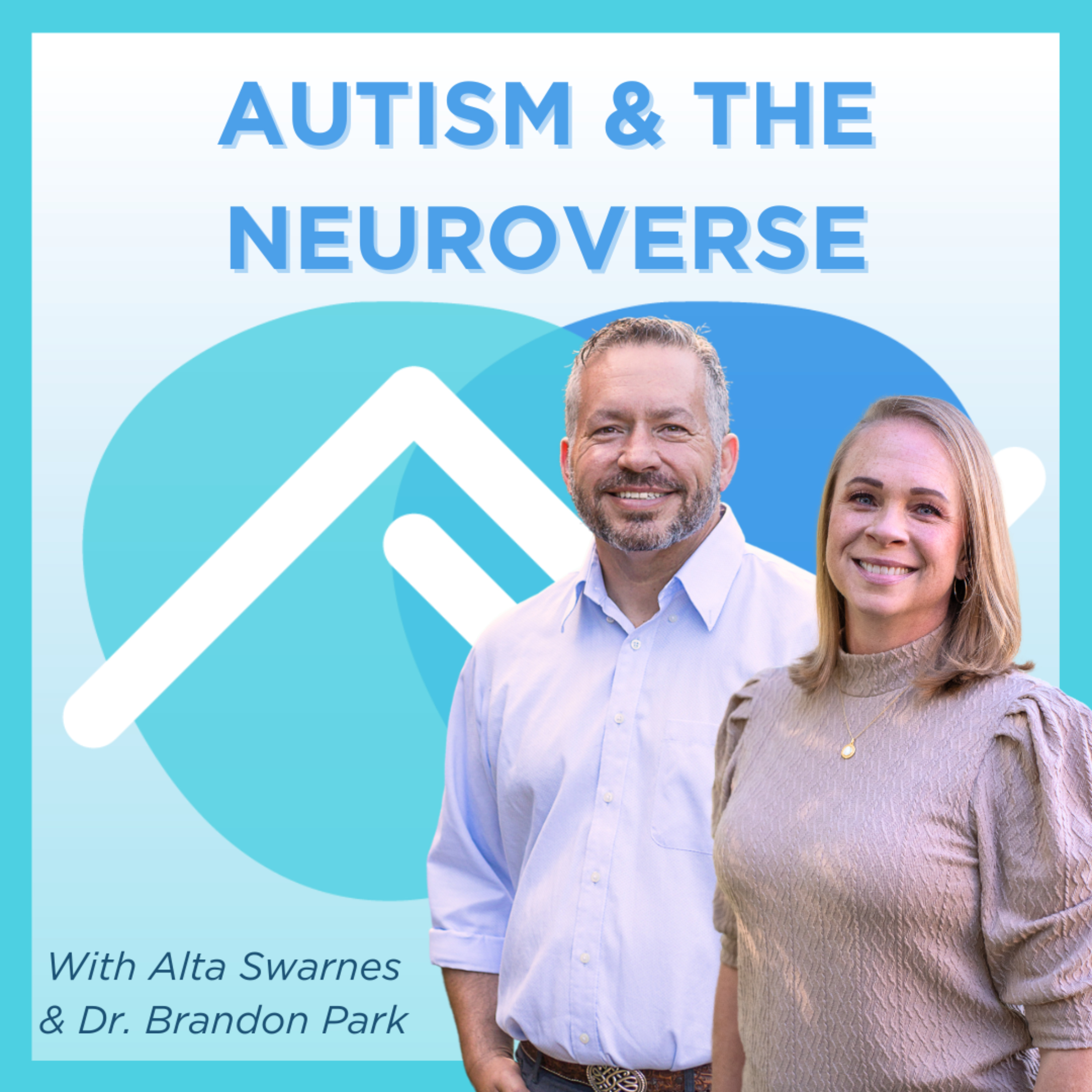
Dr. Brandon Park, Neuropsychologist & Founder of New Focus Academy, and Alta Swarnes, Family Connections Director, present a podcast on neuroscience and family/professional support, with emphasis on Autism. Dr Park is a self-proclaimed brain nerd and cognitive neuroscientist studying and supporting Autism. Alta Swarnes has been in the mental health field since 1997 and has a son on the Autism Spectrum. Alta interviews various professionals, including Dr. Park, and special trainings with a general focus on Autism and co-occurring disorders. Reach out to [email protected] for connections
-
75
The Four C’s: Building Stronger Relationships with Neurodivergent Kids with Dr. Park
What if the most powerful tool for helping neurodivergent children isn't a therapy technique, behavior plan, or intervention strategy?According to Dr. Park, it's the relationship.In episode 75 of Autism and the Neuroverse, Dr. Park shares the "Four C's"—a simple but powerful framework for building trust, connection, and lasting growth with neurodivergent children. Drawing from years of clinical experience and personal parenting lessons, he explains why our approach often matters more than our solutions. Whether you're a parent, educator, therapist, or caregiver, these practical insights can help strengthen your relationships and create an environment where neurodivergent individuals feel understood, supported, and empowered.
-
74
Autism in Girls: Why So Many Are Missed and How to Get the Right Diagnosis with Dr. Christina Feldman
Autism in girls often looks different than the traditional picture many parents and professionals expect. As a result, countless girls go undiagnosed—or are misdiagnosed with anxiety, depression, ADHD, or other mental health conditions before receiving answers that truly fit. In episode 74 of Autism and the Neuroverse, Alta sits down with licensed psychologist Dr. Christina Feldman, founder of Neurodiverse Psychological Services, to explore why autism is so frequently missed in girls and what families can do to seek accurate evaluations and support. Dr. Feldman also highlights an important shift in autism care: moving away from trying to change autistic individuals and instead helping them understand themselves, build on their strengths, and find environments where they can thrive. This conversation is a must-listen for parents, caregivers, educators, clinicians, and anyone seeking a deeper understanding of autism in girls.
-
73
Routines, Regulation & Raising Neurodivergent Kids with Brynn Bell
What does it actually look like to create a home environment that supports a neurodivergent child—not just in theory, but in the realities of everyday life?In episode 73 of Autism and the Neuroverse, Alta sits down with licensed clinical social worker and behavior specialist Brynn Bell to explore how families can create more structure, predictability, emotional safety, and connection at home. Brynn shares her unique family-systems approach to working with neurodivergent children and their families, explaining why routines, explicit communication, nervous system regulation, and collaborative problem-solving can dramatically reduce stress and improve relationships for everyone in the home.Brynn also offers powerful reminders for parents navigating neurodivergence at home:“Children do well when they understand how to do well.” A thoughtful and deeply practical conversation for parents, caregivers, educators, and anyone wanting to better understand the needs of neurodivergent children and families.
-
72
The Pediatrician’s Role in Autism: Early Signs, Advocacy & Support with Dr. Kristen Cook
What does autism look like in its earliest stages—and what role do pediatricians play in helping families navigate the diagnostic journey?In this episode of Autism and the Neuroverse, Alta sits down with board-certified pediatrician Dr. Kristen Cook, founder of MomDocTalk, to discuss the realities of autism screening, diagnosis, and early intervention from a pediatrician’s perspective. Dr. Cook explains how developmental milestones and early warning signs are evaluated during routine well-child visits, why autism diagnoses can sometimes take time, and how pediatricians collaborate with specialists to support children and families throughout the process.Dr. Cook also addresses the overwhelming amount of misinformation families face today and shares an encouraging reminder for parents navigating uncertainty:“You’re doing better than you think.” A compassionate, informative episode for parents, caregivers, and professionals supporting neurodivergent children.
-
71
Connecting With Neurodivergent Teens: Creativity, Identity & Emotional Safety
In episode #71 of Autism and the Neuroverse, Alta sits down with New Focus Academy therapist Jake Oakland to talk about one of the biggest challenges families face: how to truly connect with teens who are struggling emotionally—especially neurodivergent teens. Jake shares how he creates emotionally safe spaces for autistic teens through patience, flexibility, creativity, and “accurate empathy”—a deeper form of understanding that helps parents and clinicians better see the world from a teen’s perspective.Jake also shares insight into New Focus Academy’s growing drama program, including the upcoming student production of Beetlejuice, and explains why creative experiences can be so transformative for teens building confidence, resilience, and social connection.A thoughtful and hopeful conversation for parents, educators, and anyone supporting neurodivergent young people.
-
70
Finding a Voice: Understanding Selective Mutism
Selective mutism is often misunderstood as shyness—but in reality, it’s a complex anxiety disorder that can deeply impact a child’s ability to communicate.In episode 70 of Autism in the Neuroverse, Alta sits down with licensed clinical social worker Heidi Applonie, a leading specialist in selective mutism. Drawing from both professional experience and her personal journey as a parent, Heidi shares what selective mutism really is, how it shows up across different environments, and why early understanding is so critical.They explore the connection between anxiety, the nervous system, and the “freeze” response that can make speaking feel physically impossible. Heidi also offers practical, research-backed strategies for parents, educators, and caregivers—highlighting what actually helps (and what can unintentionally make things harder).From real-life success stories to actionable tools like “brave talking,” this conversation is filled with hope, insight, and a clear message: communication is possible—with the right support.
-
69
Autism, Prediction & the Modern World: Rethinking How We Support Neurodivergent Minds
In this powerful live presentation, Dr. Brandon Park breaks down autism through a lens that challenges traditional thinking—framing it not as a deficit, but as a different operating system navigating a world it wasn’t built for. From the concept of the brain as a prediction machine to the emotional toll of feeling misunderstood, Dr. Park offers a deeply human perspective on what autistic individuals experience daily—and why so many struggles stem from gaps in prediction, not capability.He also dives into the realities of today’s world:- How AI can both support and mislead- Why gaming and social media can become both lifelines and risks- The role of control, connection, and belonging- And how families and professionals can approach support in a more collaborative, effective wayThis episode is a must-listen for parents, clinicians, educators, and anyone looking to better understand neurodiversity in a rapidly changing world.
-
68
Relationships & Boundaries (Part 2): Safety, Rejection, and Building Connection
In Part 2 of this series, Dr. Park and Alta continue their conversation on relationships and boundaries—this time focusing on safety and how it shapes connection. They explore the many layers of safety in relationships, including physical, emotional, psychological, and social safety, as well as the often-overlooked impact of rejection. Dr. Park explains why rejection can feel so deeply painful and how that pain can lead young people to make unsafe choices in an effort to connect.This episode also introduces practical tools for teaching social awareness, including concept-driven learning, forward thinking, and role play, helping kids better understand boundaries, recognize social cues, and recover from difficult interactions.A powerful and compassionate guide for helping young people build relationships that are not only meaningful—but safe.3/5/26
-
67
Finding Light Again: A Teen’s Story of Growth, Family Healing, and Progress
In episode #59 of Autism and the Neuroverse, Alta and Dr. Park sit down with Andrew, a student at New Focus Academy, to talk about what it’s really like to struggle in school, feel disconnected at home, and slowly lose hope — and what it takes to rebuild from that place.Andrew shares how things began to spiral in public school: slipping grades, conflict at home, and habits that felt impossible to break. He opens up about feeling like he was a mistake — not just someone making mistakes — and how hard it was to accept that he needed help. Through therapy, journaling, and learning how to build real friendships, Andrew describes a shift many families hope for: moving from constant conflict to connection, and from “darkness in the tunnel” to seeing light again. This episode is for parents, teens, and young adults who feel stuck — and need a reminder that progress is possible, and your future isn’t over.12/12/25
-
66
Relationships & Boundaries (Part 1): Understanding the Social “Operating System”
In Part 1 of this two-part series, Dr. Park and Alta explore why relationships can feel especially complex for neurodivergent individuals—and how we can better support that journey. They break down the idea of different “social operating systems,” explaining why unspoken social rules can be difficult to interpret and why relationships often feel confusing or overwhelming.This episode introduces practical tools like circles of trust and powerful analogies to help young people understand friendship, boundaries, and connection. Most importantly, it reframes boundaries—not as walls that push people away, but as something that can actually build stronger, safer relationships.A thoughtful and accessible conversation for parents, educators, and anyone navigating relationships in a neurodiverse world.3/5/26
-
65
Service Dogs for Autism: Training, Trust, and Transformation
In episode #67 of Autism and the Neuroverse, Alta is joined by the team at Dog Training Elite, along with a parent navigating the journey of training a service dog for her son with autism. Together, they break down what it really takes to train a service dog—from temperament testing and task work to the often-overlooked reality: the handler and family must be trained just as much as the dog.This episode explores how service dogs can support children with autism through behavior interruption, deep pressure therapy, and safety tools like anchoring and blocking. It also highlights the emotional side of the journey—building trust, creating independence, and forming a bond that goes far beyond training.A candid, real-world look at the challenges, commitment, and life-changing impact of service dogs.2/20/26
-
64
Service Dogs That Change Lives: Inside 4 Paws for Ability
In episode #66 of Autism and the Neuroverse, Alta sits down with Devin Brown from 4 Paws for Ability, a nonprofit dedicated to breeding, raising, and training service dogs for children and veterans with disabilities. Devin shares how service dogs are carefully matched and trained to support a wide range of needs—including autism, anxiety, medical alert, and mobility. From early puppy socialization to advanced, individualized training, these dogs provide not only safety and support, but also independence and confidence.This conversation explores how service dogs can help prevent meltdowns, support emotional regulation, assist with elopement, and even act as social bridges for children. A powerful look at how the right partnership can transform daily life for both kids and their families.
-
63
Uniquely, Fully Enough: A Parent’s Journey Through Neurodiverge with Vicki Christensen
In this episode of Autism and the Neuroverse, Alta sits down with Vicki Christensen, special education advocate and author of Uniquely, Fully Enough: The Neurodivergent Parenting Journey. Vicki shares her personal journey raising her son with a rare chromosome disorder—from the uncertainty of diagnosis to navigating therapies, IEPs, and the emotional realities of parenting a neurodivergent child. She offers powerful insight into advocacy, inclusion, and the importance of trusting your instincts as a parent.This conversation explores how to balance planning for the future while embracing the present, why finding your “village” is essential, and how small moments of joy can reshape the parenting experience. A heartfelt and practical episode for parents walking a similar path.
-
62
From Emotions to Strategy: IDEA Advocacy for Experienced Autism Parents
What happens when you already know the special education system—but advocacy stillfeels overwhelming?In this episode, we speak directly to experienced parents of children with autism—those who know IEPs, FAPE, and IDEA, and may already be working with advocates, consultants, or attorneys. Drawing from Wrightslaw: From Emotions to Advocacy, we focus on the strategic side of advocacy: how to move from emotional reaction tostructured, effective action.We discuss why IDEA functions as a procedural accountability law, why parents must act as project managers, how master planning changes outcomes, and how documentation quietly builds leverage over time. We also explore how to frame private or therapeutic placements as necessary and appropriate, and why negotiation often works better than confrontation.This episode is about advocacy that is calm, strategic, and sustainable—designed to support your child’s progress not just this year, but for the long term.One of the primary selfhelp resources we recommend to parents is Wrightslaw, create by special education attorney Pete Wright and his wife, Pam Wright. The Wrightslaw website (www.wrightslaw.com) offers free, reliable, and practical information about special education law and advocacy, including IDEA, Section 504, evaluations, IEPs, dispute resolution, and parent rights. For parents who need guidance but may not have the financial resources to retain a formal advocate or attorney, Wrightslaw is widely regarded as the premier starting point. In addition to extensive free articles and newsletters, Wrightslaw publishes several foundational books that help parents understand not only what the law says, but how to use it effectively and strategically on behalf of their child.
-
61
Inside the Admissions Process at New Focus & LiFT with Janelle Ayala
Considering residential treatment can feel overwhelming, emotional, and deeply personal. Alta sits down with New Focus Academy and Life Focused Transitions Admissions Director, Janelle Ayala, to walk parents through what the admissions process actually looks like — from that first phone call to enrollment day.They discuss who New Focus and LiFT serve, how individualized care is determined, what documentation is helpful, and how families are supported every step of the way. Janelle also shares what questions parents should be asking programs, including topics that often go unspoken.Most importantly, this conversation offers reassurance: seeking support is not failure — it’s an act of love. If you’re navigating this decision, this episode brings clarity, transparency, and hope.
-
60
Supporting Neurodivergent Young Adults Through the Transition to Independence
In this episode of Autism and the Neuroverse, Alta sits down with Winslow Morrell, Clinical Director of the LiFT Program at New Focus Academy, to explore what the transition into adulthood really looks like for neurodivergent young adults.Winslow explains why independence for neurodivergent individuals is rarely linear, how anxiety, rejection sensitivity, and fear of failure can create paralysis, and why structured support is essential during this stage of life. He shares how the LiFT program focuses on building real-world skills—like employment, scheduling, transportation, social relationships, and self-advocacy—while helping students move from external structure to internal motivation.The conversation also highlights the critical role families play in the transition process, why failure is a necessary part of growth, and how parents can shift from “fixing” to supporting as their child steps into adulthood. This episode offers valuable insight for parents navigating young adulthood with their neurodivergent child, as well as professionals supporting transitions to independence.1/19/26
-
59
Autism De-Escalation Tools: Reflective Listening, Empathy, and the Executive Brain
In this episode of Autism and the Neuroverse, Alta sits down with Amanda Baker, Operations Director at New Focus Academy, to break down the ABCs of de-escalation and how understanding the limbic system can completely change the way we respond to escalating behavior. Amanda explains how the ABC model helps identify the activating event, the belief behind the event, and the consequential emotion that drives behavior—because it’s often not what happened that causes escalation, but what someone believes about what happened. You’ll also learn the difference between escalating beliefs vs. adaptive beliefs, why reflective listening is such a powerful de-escalation tool, and how empathy builds connection while still allowing adults to set limits. This conversation is packed with practical strategies for parents, educators, and caregivers supporting autistic kids, teens, and young adults—especially when emotions are high and regulation feels out of reach.10/24/25
-
58
Transitions to Adulthood: Helping Neurodivergent Young Adults Build Independence
In episode #60 of Autism and the Neuroverse, Alta and Dr. Park sit down with Tim McMahon, founder and executive director of BrightStone Transitions, to talk about one of the biggest questions families face: How do we help neurodivergent teens transition into adulthood? Tim shares why so many young adults reach adulthood without the real-world skills they need—not because they can’t learn, but because families often prioritize peace and comfort over life-skill practice (understandably). Together, they break down what independence actually requires: executive functioning, emotional regulation, electronics boundaries, daily living skills, and supported exposure to discomfort. You’ll also hear how transition programs help not only the student, but the entire family system—by creating space for parents to reset, rebuild relationships, and shift from “doing everything for” their child to coaching them toward independence. 1/8/26
-
57
Designing Spaces Where Everyone Belongs: Adaptive Playgrounds in Spanish Fork
In episode #58 of Autism and the Neuroverse, Alta speaks with Bart Morrill and Dale Robinson from Spanish Fork Parks and Recreation about the vision behind their inclusive, adaptive playground designed to serve families of all abilities.Bart and Dale share how listening to families in the disability community reshaped their approach to park design — creating a space where children no longer need to split up to find accessible play. From sensory-friendly features to thoughtful layout and community collaboration, this park represents a shift toward belonging, dignity, and shared experiences.This conversation highlights why inclusive public spaces matter, how adaptive design benefits everyone, and what happens when communities commit to building environments where families can truly step together.A hopeful, practical episode for parents, educators, and city leaders working toward a more inclusive world.
-
56
Disconnect to Reconnect: Helping Autistic Teens Build Healthy Tech Habits with Dr. Neil Christensen
In episode 57, Dr. Neil Christensen joins Dr. Park and Alta to break down why neurodivergent teens—especially autistic and ADHD youth—are significantly more vulnerable to digital media overuse. Drawing from decades in wilderness therapy and his Disconnect to Reconnect study, Neil explains the neurological, social, and emotional factors that pull teens toward excessive gaming, social media, and online communities.He shares why screens offer a powerful sense of control, predictability, and instant reward, and how this can escalate into dependency—especially when teens feel isolated, bullied, or misunderstood in real life.This episode is a compassionate, eye-opening guide for families navigating digital overwhelm in the neurodiverse community.10/6/25
-
55
Predictive Autonomy: Helping Neurodivergent Kids Build Real-World Independence with Dr. Park
In this final installment of the Predictive Process series, Dr. Park breaks down the crucial last phase: generalizing fluency and building predictive autonomy.Many autistic and neurodivergent young people face constant predictive gaps—moments when the world doesn’t match what they expect. These gaps trigger overwhelm, anxiety, shutdowns, or rigid coping strategies.Dr. Park explains how parents and caregivers can help kids move from safety and structure, to strategic growth, to finally becoming fluent, adaptive, and authentically themselves in unpredictable environments.Whether your child is a homebody, anxiously avoiding new environments, or pushing toward independence, this episode gives compassionate, practical guidance for supporting autonomy—without forcing conformity.10/24/25
-
54
ARFID & Neurodiversity: How Sensory, Trauma, and Anxiety Shape Eating with Lauren Sharifi
Today, Alta sits down with Lauren Sharifi, MPH, RD, LDN, a leading dietitian specializing in ARFID (Avoidant Restrictive Food Intake Disorder), to unpack one of the most misunderstood eating challenges faced by autistic and neurodivergent individuals. Lauren explains what ARFID is — and is not — highlighting the differences from anorexia, the impact of sensory sensitivities, and how trauma, anxiety, and executive functioning shape a person’s relationship with food. They discuss early signs parents can watch for, why traditional feeding approaches often backfire, and how accommodations can actually increase safety, regulation, and long-term progress. Lauren offers guidance on creating supportive mealtime environments, reducing overwhelm, and redefining “recovery” in a way that honors neurodiversity. A validating, informative episode for families, providers, and anyone wanting a deeper understanding of ARFID.10/3/25
-
53
Inside Salt Lake City's Neurodiverse-Friendly Airport with Mark Cheminant
In episode #54 of Autism and the Neuroverse, Alta talks with Mark Cheminant, ADA Coordinator for the Salt Lake City International Airport, about transforming air travel into an inclusive and supportive experience for every passenger.Mark shares how his team implemented sensory rooms, adaptive training, the Sunflower Program, and social stories to support neurodiverse travelers. From pre-flight tours to sensory-friendly spaces, Mark explains how accessibility is becoming a built-in part of airport culture — not an afterthought.Whether you’re a parent traveling with a child on the spectrum or an adult seeking a calmer travel experience, this episode offers practical hope: everyone can travel safely, comfortably, and with confidence.10-13-25
-
52
Adapting Clothes, Empowering Lives with Hilary Pham from Equability
In episode #53 of Autism and the Neuroverse, Alta sits down with Hilary Pham, founder and CEO of Equability, a company that transforms existing clothing into adaptive, accessible fashion.Hilary shares how watching her mother struggle with arthritis inspired her to create solutions that make everyday clothes easier to wear — without sacrificing personal style. From adding magnets to buttons and zippers to tailoring for medical or sensory needs, Equability is helping people of all abilities express themselves and regain independence through clothing.Hear how Hilary’s mission is reshaping the fashion industry, one garment at a time, and why adaptive clothing is about far more than convenience — it’s about confidence, identity, and inclusion.
-
51
Masking and Burnout in Autism: Understanding the Hidden Cost of Fitting In With Blankenship
In episode #52 of Autism and the Neuroverse, Alta and Dr. Park speak with therapist and Autism Learning Lab founder Chris Blankenship, LCSW, about one of the most overlooked challenges in autism: masking and burnout.Chris explains how masking—the effort autistic individuals make to appear “neurotypical”—can lead to exhaustion, depression, anxiety, and disconnection. He breaks down how burnout differs from typical fatigue, how trauma and social pressure can intensify it, and why safe spaces for unmasking are essential. Listeners will learn how families and caregivers can help autistic individuals find balance, set boundaries, and embrace authenticity without losing connection or opportunity.
-
50
Beauty in Pain with Author Corey Hatfield
Author and mother Corey Hatfield joins Alta on episode 51 to share her journey of raising a son with autism, finding compassion for herself, and learning to see beauty in pain. Through heartbreak, humor, and faith, Corey’s story—captured in her memoir The Light from a Thousand Wounds—reminds us that even our hardest moments can become the places where light enters in.9-25-25
-
49
From Fear to Calm: Sensory-Friendly Barbering with Henry Tribes
On episode #50, Alta talks with master barber, educator, and inventor Henry Tribes about creating sensory-friendly haircuts for autistic and neurodivergent clients.Henry shares how a weighted blanket inspired his weighted haircut cape, why he pursued Sensory Safe certification, and the strategies he uses to reduce overwhelm—questionnaires, gradual desensitization, music, fidgets, flexible pacing, and zero restraint.Hear the story behind his first spectrum clients, how he supports families, and his mission to expand training and build a sensory-first barbershop. Parents and providers will learn practical ways to turn haircut anxiety into trust, confidence, and dignity.9-29-25
-
48
Synesthesia and Storytelling: Nicola Rose on Magnetosphere and Depicting Neurodiversity on Screen
In episode #49 of Autism and the Neuroverse, Alta and Dr. Park speak with filmmaker Nicola Rose about her film Magnetosphere. Set in the 1990s, the film follows a teenage girl with synesthesia — a neurological condition where senses blend, allowing people to see sounds, taste shapes, or feel emotions as colors.Nicola shares her research process, including interviews with individuals who live with synesthesia, and how she translated those experiences into authentic cinematic language. Together, the guests discuss how synesthesia connects to neurodiversity, the challenges of sensory overload and burnout, and why storytelling matters in helping us see the world through different perspectives .9/22/25
-
47
ADHD, Motherhood, and Advocacy: Charlotte Shores on Turning Neurodivergence into Strength
In episode #48 of Autism and the Neuroverse, Alta sits down with Charlotte Shores — chef, entrepreneur, Mrs. Utah America 2025, and mother of three neurodivergent children. Charlotte shares her personal journey with ADHD, the challenges of undiagnosed neurodivergence growing up, and how she has turned her differences into strengths.She opens up about perfectionism, overstimulation in motherhood, and raising children with ADHD and autism, while also advocating for greater understanding and inclusion.Parents and listeners will find encouragement, relatability, and practical insights into navigating life as both a neurodivergent adult and caregiver9/15/25
-
46
Predictive Strategies for Autism: Dr. Park on Building Safety, Flexibility, and Forward Thinking
In episode #47 of Autism and the Neuroverse, Alta and Dr. Park continue their series on helping neurodiverse children thrive by exploring predictive strategies.Dr. Park explains how parents can move beyond safety and stability to teach kids forecasting, consequential reasoning, and predictive questioning. He shares practical tools like using social stories, role-play, mirrors, and visual mapping to build flexibility, self-awareness, and independence.Listeners will learn how to shift from reactive moments to proactive growth, guiding autistic children and teens toward confidence and forward thinking.11/15/25
-
45
Autism Awareness & Law Enforcement: Building Safe Community Connections with Chief Sever
In episode #46 of Autism and the Neuroverse, Alta speaks with Heber City Police Chief Parker Sever about how law enforcement can better serve neurodiverse individuals.With nearly 30 years of experience, Chief Sever shares how his department uses crisis intervention training, autism awareness workshops, sensory kits, and proactive community events to improve interactions with autistic children, teens, and families.Listeners will learn how police can foster trust, de-escalate crises, and create safe, positive connections between law enforcement and the neurodiverse community.9/8/25
-
44
Executive Functioning and Autism: Building Emotional Regulation, Flexibility, and Independence with Jay Williams
In episode #45 of Autism and the Neuroverse, Alta speaks with Jay Williams, New Focus Academy's special education coordinator, about the critical role of executive functioning skills in the lives of autistic children and teens. Jay explains how skills like emotional regulation, flexible thinking, impulse control, and organization form the foundation for independence and success. Through real-life classroom stories, practical strategies, and parent workshops, Jay shares how families can support these skills at home.This episode offers parents, teachers, and caregivers tools to help neurodiverse young people thrive in school, relationships, and daily life.8/25/25
-
43
Music Therapy for Autism: Communication, Emotional Regulation, and Family Connection with Mary White
In episode #44 of Autism and the Neuroverse, Alta sits down with Mary White, founder and clinical director of Pure Progression Music Therapy. Mary shares how music therapy helps autistic children and teens build communication, regulate emotions, and develop social and sensory skills.From drumming and songwriting to group improvisation and family sessions, music becomes a powerful tool for connection and growth. Parents and educators will learn practical ways music can support emotional regulation, flexibility, and everyday life skills for neurodiverse individuals.8-22-25
-
42
Helping Autistic Children and Teens Build Safety, Security, and Stability with Dr. Park
In this episode of Autism and the Neuroverse, hosts Alta and Dr. Park explore how parents, teachers, and professionals can support autistic children and teens by building a strong foundation of safety, security, and stability. Dr. Park explains how predictive gaps—moments when the world feels confusing or unpredictable—can create anxiety, meltdowns, and shutdowns for many neurodiverse young people.Listeners will discover practical tools to create structured yet flexible environments, strengthen positive relationships, and foster somatic awareness, helping children recognize and regulate their emotions, physical needs, and stress responses. Dr. Park also shares how narrative tools—simple storytelling and planning techniques—can prepare autistic youth for daily routines, social situations, and bigger life transitions, such as moving toward independence and adulthood.Whether you’re a parent raising an autistic child, an educator supporting neurodiverse students, or a therapist working with families, this conversation offers real-world strategies for helping autistic children and teens thrive.
-
41
Radical Acceptance & the Autism Spectrum with Adam Durrant
Struggling with unfair situations may be a daily challenge, especially for individuals on the spectrum. But what if we could channel that energy towards something more constructive? Adam Durrant explores the concept of Radical Acceptance, a part of Dialectical Behavioral Therapy (DBT) with roots in Buddhist philosophy and Greek stoicism. Learn how this practice can help individuals accept life's unavoidable challenges while focusing on meaningful, positive actions. Highlights include:Why Radical Acceptance is a lifelong skill for building resilience Practical approaches for managing anxiety among children on the spectrum The two-arrow metaphor that reveals how to distinguish pain from needless suffering Whether you’re a neurodiverse individual, caregiver, or professional, this conversation offers actionable insights into fostering self-compassion, flexibility, and growth. Listen now to learn how Radical Acceptance can empower you or your loved ones to handle life's unpredictability with grace. 7-21-25
-
40
Why Does Reciprocity Feel Like a Puzzle for Kids with Autism?
Ever wondered why mutual give-and-take in relationships can feel so challenging for kids with autism? Dr. Park explores the complexities of social interactions, from understanding the "reciprocal circle" to challenges in switching perspectives during conversations. This episode uncovers the unique risks neurodiverse kids may face, like manipulation or misplaced trust, and highlights how teaching healthy boundaries can strengthen connections rather than create walls. Plus, you'll gain actionable insights for fostering trust, emotional safety, and meaningful relationships in your child’s life. Whether you're a parent, educator, or professional supporting the autistic community, this episode offers expert advice to help you better understand and empower those you care for. 7/14/25
-
39
Building a Village in Education with Irene Summers
What does it take to truly support neurodiverse students in their educational journeys? On this episode of Autism and the Neurodiverse, we’re joined by Irene Summers, Academic Director at New Focus Academy. Irene shares her inspiring path into education, driven by a deep belief in the power of teamwork and community to help students thrive. From reimagining education schedules to implementing flexible, neurodiverse-friendly learning structures, Irene offers expert insights into creating impactful educational environments. Learn why she believes every student deserves a strong network of support and how her team's innovative approaches are driving real change. If you’re curious about fresh ways to engage neurodiverse learners or want a peek behind the scenes at a unique educational model, this episode is for you. 6/23/25
-
38
Internal Family Systems with Adam Durant
Discover the transformative power of Internal Family Systems (IFS) therapy in this in-depth conversation with Alta and Adam. This episode unpacks the intricacies of IFS, a therapeutic approach designed to help individuals connect with their inner selves, understand complex emotions, and heal deep-seated trauma. Together, Alta and Adam explore how IFS promotes self-compassion and balance by addressing the interplay between different parts of the psyche. They share real-life examples, actionable strategies, and reflective insights to guide listeners on their journeys toward inner harmony. Whether you are new to therapy, a seasoned practitioner, or simply curious about healing practices, this discussion provides a rich resource for understanding the significance of IFS in processing trauma, nurturing relationships, and fostering overall well-being for individuals and families alike.6-9-25
-
37
Speech Therapy with Betina Workman
Alta sits down with Betina Workman, a seasoned speech-language pathologist with over 20 years of experience. Betina shares her personal and professional journey into working with neurodiverse populations, including her inspiring story of raising her own neurodiverse child. Together, they explore how speech therapy goes far beyond articulation and sound-making, encompassing social language, cognitive skills, and interpersonal relationships. Learn how Betina uses neurodiverse-affirming and developmental approaches to build meaningful connections with kids and empower families. From her unique assessment techniques to heartwarming success stories that include playful tactics, this episode uncovers the compassionate art of helping neurodiverse individuals thrive.
-
36
Vocational Services with Meta-Mindfulness Connection
Autism and the Neuroverse by New Focus Academy brings you an insightful conversation this week with Jacki Burnham and Burkley Probst from Meta Mindfulness Connection. Jacki and Burkley share their expertise as part of the vocational team, explaining their innovative approach to supporting neurodiverse students on their paths to independence. Hear about their life-changing 10-week vocational program, which combines mindfulness practices with skill-building in real-world job settings. Discover how mindfulness helps students make thoughtful career decisions and develop essential skills like communication, autonomy, and reliability. You’ll also learn how their partnerships with local businesses not only benefit students but transform workplaces. Whether you're a parent, educator, or advocate for neurodiverse individuals, this episode is packed with inspiration and practical advice for fostering growth and independence. 5-12-25
-
35
Pathological Demand Avoidance (PDA) with Dr. Brandon Park
What is Pathological Demand Avoidance (PDA), and how does it fit within the autism spectrum? Join Dr. Park and Alta on this episode of Autism and the Neuroverse, where they explore the complex nature of PDA, discussing why some experts prefer calling it "persistent demand avoidance" and whether it should even be classified separately. This episode dives into key distinctions between PDA and related behavioral challenges, offering strategies for empathetic support, building emotional and physical safety, and maintaining a healthy balance of control and boundaries. Whether you're a parent, educator, or professional in the neurodiversity field, you'll gain actionable insights to better support individuals with PDA and autism. Tune in for practical guidance, expert perspectives, and a compassionate approach to understanding this often-debated topic.
-
34
Acceptance and Commitment Therapy (ACT) with Dr. CJ Powers
Dr. C.J. Powers, a clinical psychologist, breaks down Acceptance and Commitment Therapy (ACT). Dr. Powers explains ACT’s core principles of acceptance, mindfulness, and committed action and illuminates its impact on psychological flexibility. Especially for individuals with neurodivergence, like autism, ACT offers game-changing tools for overcoming rigidity and aligning actions with values.Discover how ACT works, explore practical exercises for personal growth, and learn how Dr. Powers adapts ACT to support neurodiverse clients. Plus, get expert insights into using ACT to face life’s challenges and step into meaningful action.
-
33
Problem Solving & The Autistic Mind with Dr. Brandon Park
This episode explores the unique way individuals on the autism spectrum perceive their surroundings and manage challenges, all while highlighting the importance of prediction and emotional regulation.Dr. Park shares evidence-based insights into key brain functions, strategies to support learning, and actionable advice for creating a more adaptive and supportive environment for neurodivergent individuals. Discover expert advice for building better, more inclusive spaces for neurodivergent individuals!4/23/25
-
32
The Process of Growth with Brandon Park
What does real growth look like, especially for neurodiverse children and teens?Join Alta Swarnes and Dr. Brandon Park in this insightful discussion as he unpacks "The Process of Growth," breaking it down into practical, actionable steps designed to help families support their neurodiverse loved ones. Through his compassionate approach, Dr. Park emphasizes the importance ofperspective-taking,empowering choice, andbuilding lasting habits.Discover strategies like using "judo-style" redirection, understanding the reinforcement behind behaviors, and fostering nuanced application of skills. Learn how even the smallest shifts in perspective can lead to significant, positive change—not just for kids, but for everyone involved in their lives.Whether you’re a parent navigating daily challenges or a professional supporting individuals with autism, this episode delivers actionable insights and heartfelt encouragement for the ongoing growth process.Tune in now and gain tools to change perspectives, guide choices, and help neurodiverse individuals thrive.2/10/25
-
31
Self Care with Brandon Park
Taking care of yourself isn’t selfish—it’s essential.In this heartfelt episode ofAutism and the Neurodiverse, Dr. Brandon Park and Alta Swarnes explore the often-overlooked topic of self-care for parents, particularly those raising neurodivergent children. Together, they unpack the importance of meeting your own needs, sharing personal stories and actionable strategies that highlight how self-kindness improves not only your well-being but also the way you support your child.Discover how practices like gratitude journaling, creating intentional breaks, and identifying your unique needs can transform your resilience and your ability to lead by example. Dr. Park also discusses an essential perspective shift—how modeling self-care equips children to prioritize their own needs as they grow, fostering independence and self-awareness.Tune in for practical advice, personal reflections, and plenty of warmth to help you care for yourself while nurturing a family environment grounded in empathy and understanding.Listen now and take the first step toward deeper self-kindness—for you and your family.2/3/25
-
30
Addiction Insights with Winslow Morrell
Join Alta as she welcomes Winslow Morrell, a new therapist at New Focus Academy, for an insightful conversation about addiction’s impact on young people. Winslow shares his extensive experience working with addiction in its many forms—substance abuse, technology dependency, and more—offering expert insights on how understanding connection can play a pivotal role in recovery and healing. Listeners will gain guidance on identifying the difference between deep enthusiasm for an activity and addiction, the role of connection in overcoming isolation, and strategies to help young individuals and families work through these challenges. Whether you're a parent, educator, or someone seeking to better understand addiction in today’s world, this episode offers heartfelt compassion, professional expertise, and actionable advice. 12/13/24
-
29
TMPRR Approach with Dr. Brandon Park
Join hosts Alta Swarnes and Dr. Brandon Park as they unpack the TMPRR approach (Teach, Model, Practice, Reinforce, Reflect). Developed by Dr. Park during his time at a state hospital, TMPRR is a groundbreaking method designed to help neurodiverse individuals retain and generalize knowledge, whether at school, therapy, or home. They’ll break down the steps of TMPRR, explain its roots in psychology and speech therapy, and highlight its impact on everyday learning, from academics to chores. Dr. Park also shares how TMPRR empowers parents and clinicians alike, giving them practical tools to support children toward fluency and adaptability in a complex world. 12/2/24
-
28
Concept Driven Learning with Dr. Park
In this episode, Doctor Park and Alta explore concept-driven learning and forward thinking. They discuss the importance of understanding the meaning and purpose behind what we learn, especially for individuals with autism. Doctor Park and Alta also share practical strategies for addressing failures, fostering problem-solving skills, and finding constructive solutions. Join them in this thought-provoking episode as they empower listeners to embrace a concept-driven approach to learning. 11/4/24
-
27
Academics and the School Year with Kris Thacker
In this episode we explore the intricacies of education, community engagement, and supportive interventions for neurodiverse students at New Focus Academy. Join Kris and Alta as they delve into the progressive strategies being implemented in their school to enhance educational experiences. Discover unique initiatives like "Connection Day," meant to bridge relations between students and teachers, and memorable adventures that blend fun with education, like historic railroad journeys and integrated holiday events. Kris and Alta also highlight impactful community service projects, including volunteering off-campus, which not only strengthens community ties but provides students with invaluable, practical experiences. They discuss tackling school refusal with supportive methods, highlighting the role of Individualized Education Programs (IEPs) in fostering student growth and preparing them for successful transitions. 10/28/24
-
26
Attachment in Early Childhood with Phil Francis
In this episode, Alta talks with Phil, a therapist at New Focus, and they delve deep into the complexities of attachment styles and their impact on emotional and social development. Our discussion spans a range of topics, from the foundations of ambivalent and anxious-avoidant attachments in children due to early environmental influences, to the pervasive effects of life events such as divorce or parental loss. We explore the adaptive capabilities of the brain through neuroplasticity and the particular struggles faced by neurodivergent children, including those with undiagnosed autism, in navigating social realms. Our conversation also covers significant life transitions like puberty and starting high school, emphasizing how these periods can challenge emotional health and relationships. Concluding with insights into John Bowlby's attachment theory and its relevance to neurodiverse teens today, this episode underscores the universal human need for connection and security. Join us as we unpack the challenges and triumphs in fostering healthy attachments across the lifespan. 10-21-24
We're indexing this podcast's transcripts for the first time — this can take a minute or two. We'll show results as soon as they're ready.
No matches for "" in this podcast's transcripts.
No topics indexed yet for this podcast.
Loading reviews...
ABOUT THIS SHOW
Dr. Brandon Park, Neuropsychologist & Founder of New Focus Academy, and Alta Swarnes, Family Connections Director, present a podcast on neuroscience and family/professional support, with emphasis on Autism. Dr Park is a self-proclaimed brain nerd and cognitive neuroscientist studying and supporting Autism. Alta Swarnes has been in the mental health field since 1997 and has a son on the Autism Spectrum. Alta interviews various professionals, including Dr. Park, and special trainings with a general focus on Autism and co-occurring disorders. Reach out to [email protected] for connections
HOSTED BY
New Focus Academy
Loading similar podcasts...
Frequently Asked Questions
How many episodes does Autism and The Neuroverse have?
Autism and The Neuroverse currently has 50 episodes available on PodParley. New episodes are automatically indexed when they're published to the podcast feed.
What is Autism and The Neuroverse about?
Dr. Brandon Park, Neuropsychologist & Founder of New Focus Academy, and Alta Swarnes, Family Connections Director, present a podcast on neuroscience and family/professional support, with emphasis on Autism. Dr Park is a self-proclaimed brain nerd and cognitive neuroscientist studying and supporting...
How often does Autism and The Neuroverse release new episodes?
Autism and The Neuroverse has 50 episodes. Check the episode list to see recent publication dates and frequency.
Where can I listen to Autism and The Neuroverse?
You can listen to Autism and The Neuroverse on PodParley by clicking any episode. We provide an embedded audio player for direct listening, and you can also subscribe via your preferred podcast app using the RSS feed.
Who hosts Autism and The Neuroverse?
Autism and The Neuroverse is created and hosted by New Focus Academy.
URL copied to clipboard!