
PODCAST · business
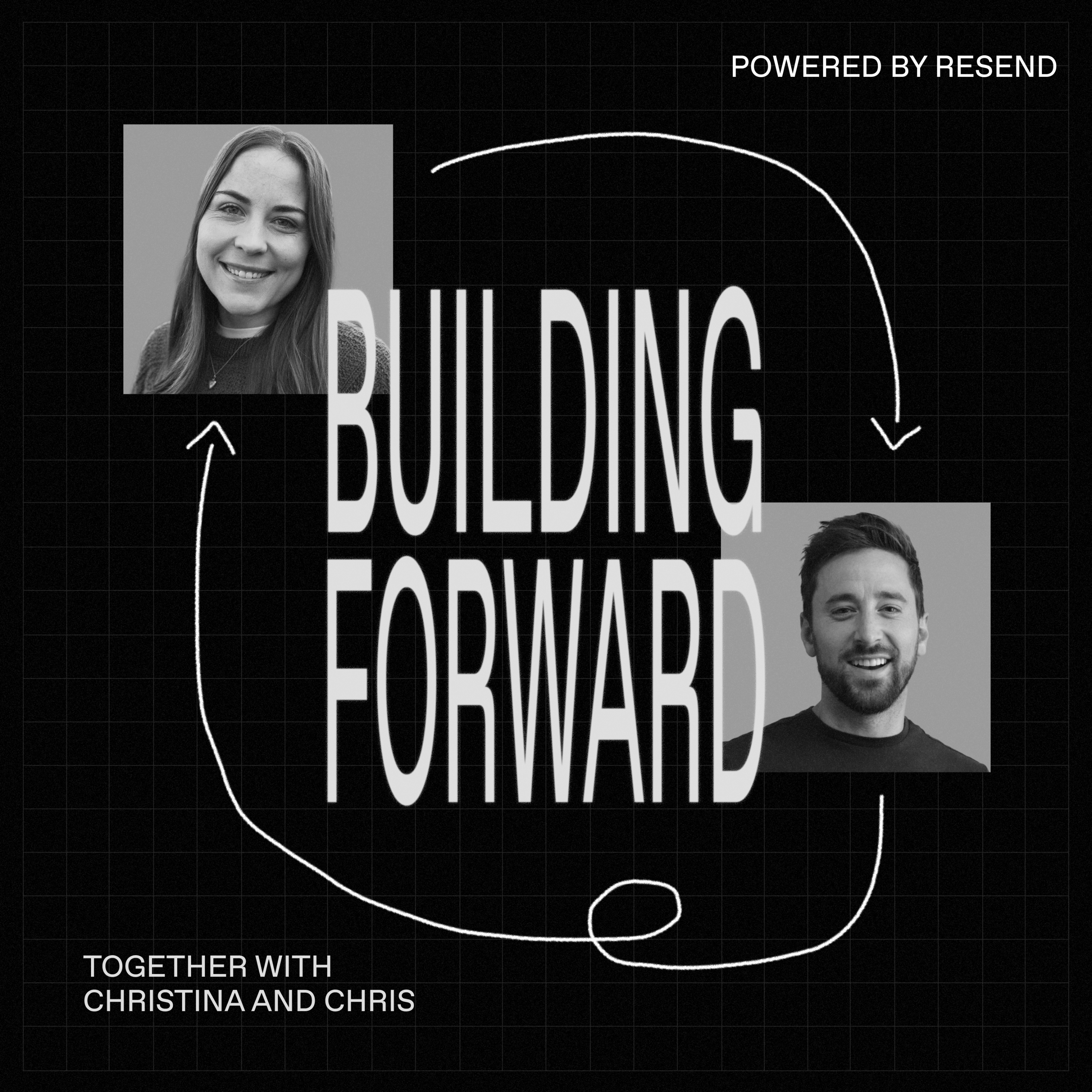
Building Forward
by Resend
Join Christina and Chris as they build an IRL conference in public. documenting the ideas, challenges, milestones, and conversations with experienced people along the way, while sharing the entire process with the community.
-
6
06: How to market to devs
Join us at Resend Forward: https://go.resend.com/building-fwdHow do you market a developer conference (and a developer product) without making devs roll their eyes? In this episode of Building Forward, Christina Martinez and Chris Pennington sit down with Hank Taylor (advisor, co-host of the Code to Market podcast, ex-Vercel, Laravel, GitLab, Neo4j) to unpack the marketing and event strategies behind some of the most iconic dev conferences of the last few years.## What's covered- The story behind Next.js Conf 2020: how a viral ticket page turned a 5,000-person goal into 80,000 registrants (and moved the NPM download needle for Next.js)- Why "developers hate marketing" is wrong and how to speak to a developer's identity, ego, and aspirations- Balancing in-person and virtual experiences so both feel premium- Why Laracon attendees stay in their seats while other conferences empty out- The rise (and saturation) of side events, viral ticket generators, and "wrapped"-style campaigns- Advice for anyone launching a first-time dev conference: find a meaningful theme beyond your product## Connect with Hank- Hank Taylor — https://codetomarket.fm---## Timestamps0:00 Intro and Meet Hank Taylor2:52 Balancing Virtual and In-Person5:22 Do Developers Really Hate Marketing?7:51 The Viral Ticket That Broke Next.js Conf12:26 Marketing a Product vs a Conference15:13 Why LaraCon Attendees Stay Seated17:44 Side Events and Viral Fatigue21:33 Making Your Conference Stand Out24:17 Where to Find Hank
-
5
05: Designing content and speaker lineups
Planning a tech conference? In this episode of Building Forward, Christina Martinez and Chris Pennington break down how they're crafting the content and speaker lineup for Resend Forward, their first-ever conference. Learn how to define your audience, balance technical depth with storytelling, and design a day that feels crafted for real humans.---## Timestamps0:00 Intro1:15 Listening Online3:11 Real-Life Conversations At Meetups6:32 Defining The Audience8:33 Applying Guiding Principles10:14 Content Style: Story Vs Technical14:49 Speaker Experience And Skill Levels16:13 Diversity And Balance19:58 Designing The Full Day20:41 Special Experiences And Wrap-Up
-
4
04: Developers are People, too
In this episode of Building Forward, Christina Martinez and Chris Pennington sit down with Carter Rabasa, organizer of Cascadia JS, to unpack 14 years of lessons on crafting intimate, high-quality tech events in an age of impersonal corporate conferences.https://cascadiajs.com/## What's covered- The origin story of Cascadia JS and how JSConf inspired a "by devs, for devs" philosophy- Why developer-run conferences beat professionally-produced ones — and how to acquire event organizing skills as an engineer- Building inclusive, safe communities through a code of conduct that applies to everyone (including organizers)- Running a conference as a family business, with Carter's wife and kids playing key roles- Curating talks thematically for a diverse audience and designing for the 75% of time attendees *aren't* watching talks- The wild origin of Cascadia's karaoke tradition (featuring a custom karaoke API built by Portland engineers)- Why remembering that "developers are people" is the most important principle for building events that matter## Timestamps0:00 Introducing Carter Rabasa1:12 The Origins of Cascadia JS4:37 By Devs, For Devs Philosophy7:38 How to Acquire Event Skills10:34 Code of Conduct and Inclusion14:23 Running It as a Family17:57 Curating the Speaker Lineup20:59 Extracurriculars and Regional Flavor24:29 The Karaoke Origin Story27:35 Remember Developers Are People29:14 How to Connect and Attend
-
3
03: Where to start
Planning your first developer conference from scratch? In this episode of Building Forward, Chris Pennington and Christina Martinez from Resend share the exact steps they took when tasked with creating Resend's first tech conference, from gathering advice to defining a philosophy to picking the perfect venue (SF Jazz).Join us at Resend Forward: https://resend.com/forward## What's covered- Where to actually start when your boss says "we're doing a conference"- Why talking to experienced organizers (React Miami, Supabase, Cascadia JS, etc.) beats Googling- How to write a philosophy document — including anti-goals — that drives every decision- The venue hunt: touring in person, red flags to watch for, and knowing when it's "the one"- Trade-offs between sponsor count, attendee experience, and staying true to your theme- Why constraints (limited booths, focused theme) can actually improve your event
-
2
02: Considering the User Journey
Ever wondered what makes a tech conference actually memorable? Rebecca Bakels, organizer of React Miami, shares the intentional design decisions, from lighting colors to 40-minute breaks, that turn a technical event into an unforgettable human experience.In this episode of Building Forward, hosts Christina Martinez and Chris Pennington from Resend sit down with Rebecca to unpack five years of lessons from running one of the most vibes-forward React conferences out there.## What's covered- How Rebecca got involved with React Miami and the story behind her sister Michelle Bakels co-founding it with G2i- Why the "hallway track" and human connection matter more than the talk lineup- Intentional design details most organizers overlook: signage, lighting, couch comfort, and attendee flow- How to plan the pace of a conference — long breaks, bottomless coffee, and a new "recovery morning" concept for 2025- What new conference organizers over-engineer vs. under-invest in- Why most technical meetups fail the social anxiety test, and what a great meetup (like Miami's Hack Night) actually looks like- Advice for anyone thinking about starting their own conference
-
1
01: How it begins
Join us for Resend ForwardOCT 21, 2026San Francisco, CAGet your ticket 👇https://resend.com/forwardEver wondered what it takes to plan a developer conference from scratch? In this kickoff episode of Building Forward, Resend's developer experience team shares the messy, honest reality of crafting in-person events — from hot cocoa bars to poke bowl logistics fails — as they build toward their first-ever tech conference, Resend Forward.Hosted by Christina Martinez and Chris Pennington, both DX engineers at Resend, this conversational two-host podcast is about learning in public as they figure out conferences, meetups, and what great developer experience really means.What's coveredWhy Resend is launching its first conference, Resend Forward, and the "craft and intentionality" philosophy behind itWhat developer experience actually means — for human developers, AI agents, and everyone in betweenA behind-the-scenes recap of four 2025 meetups: Vercel SF, Utah Tech Week, YC SF, and Mux SFLessons learned: Q&A formats, signup friction across venues, premium food presentation, check-in flow, and when ceramic dishes are a bad ideaTreating every event as an experiment and what's coming next as they scale up to a full conference0:00 Welcome to Building Forward0:43 What Is Resend Forward2:11 Why Build In Public3:11 Defining Developer Experience5:55 In-Person Events Matter More7:50 The Unhappy Path9:01 Meetup #1: Vercel SF12:32 Meetup #2: Utah Tech Week16:02 Meetup #3: YC San Francisco19:15 Meetup #4: Mux SF and Poke Logistics23:17 What We're Improving Next24:28 What's Next for the Podcast26:08 Question for Listeners
We're indexing this podcast's transcripts for the first time — this can take a minute or two. We'll show results as soon as they're ready.
No matches for "" in this podcast's transcripts.
No topics indexed yet for this podcast.
Loading reviews...
Loading similar podcasts...
Frequently Asked Questions
How many episodes does Building Forward have?
Building Forward currently has 6 episodes available on PodParley. New episodes are automatically indexed when they're published to the podcast feed.
What is Building Forward about?
Join Christina and Chris as they build an IRL conference in public. documenting the ideas, challenges, milestones, and conversations with experienced people along the way, while sharing the entire process with the community.
How often does Building Forward release new episodes?
Building Forward has 6 episodes. Check the episode list to see recent publication dates and frequency.
Where can I listen to Building Forward?
You can listen to Building Forward on PodParley by clicking any episode. We provide an embedded audio player for direct listening, and you can also subscribe via your preferred podcast app using the RSS feed.
Who hosts Building Forward?
Building Forward is created and hosted by Resend.
URL copied to clipboard!