
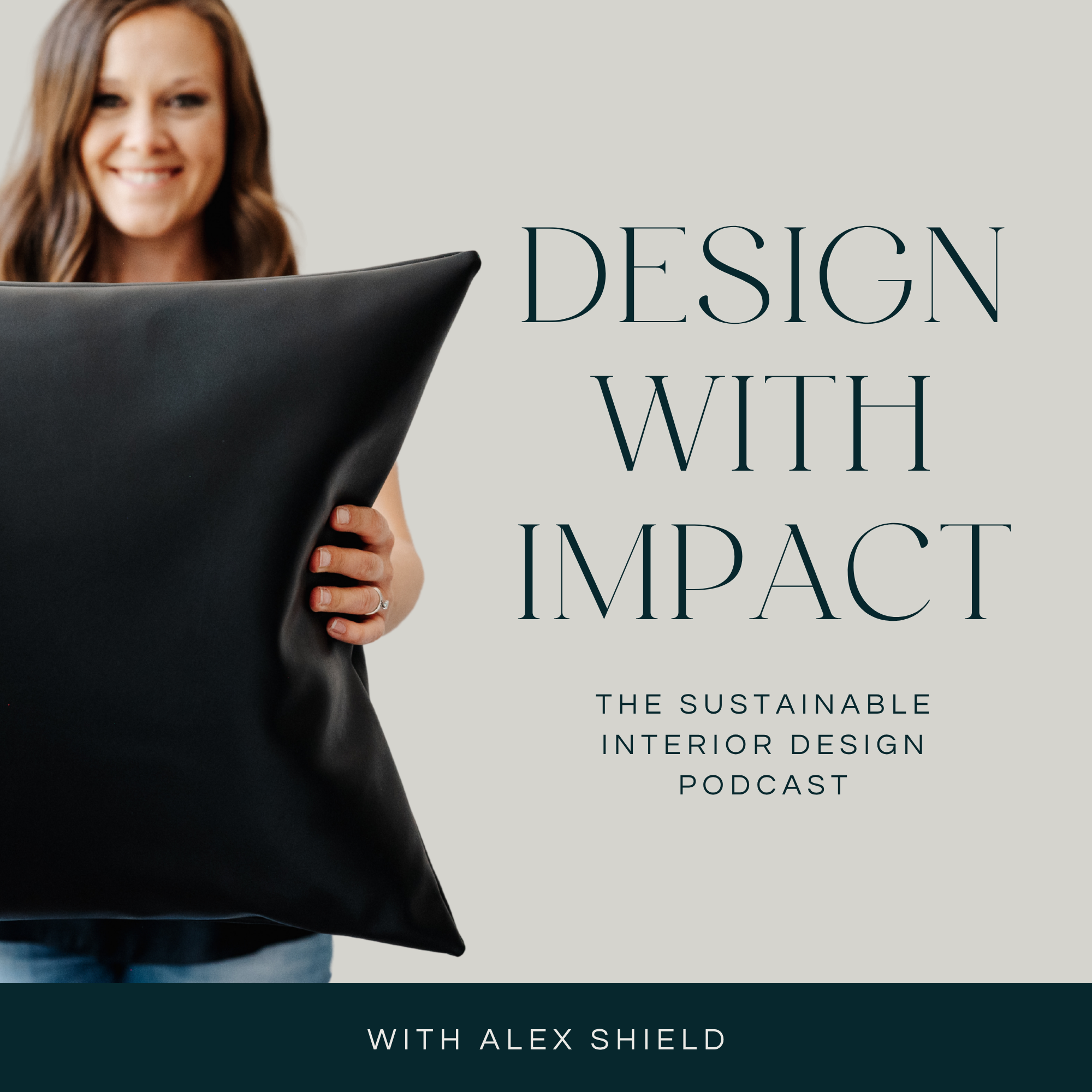
PODCAST · arts
Design with Impact
by Alex Shield
Design with Impact is a podcast for interior designers who want to create beautiful, sustainable, and healthy spaces—while building a purposeful, profitable business.Hosted by interior designer and sustainability advocate Alex Shield, this show explores sustainable interior design, eco-friendly materials, and non-toxic homes, giving you practical tools to design with intention and reduce environmental impact.Each week, you’ll hear solo episodes and expert conversations covering indoor air quality, healthy materials, circular design, low-waste renovations, passive design strategies, and wellness-focused interiors—all broken down into actionable steps you can apply in real projects.You’ll also learn how to market a sustainable design business, attract aligned clients, and stand out in a growing industry focused on health, sustainability, and conscious living.</
-
17
17. Sustainable Design, Systems & Profit: Business Lessons for Interior Designers with Rebecca Hay
Episode 17: Sustainable Design, Systems & Profit: Business Lessons for Interior Designers with Rebecca HayDescription:What does it really take to build an interior design business that is both profitable and sustainable?In this episode of Design with Impact, I’m joined by Rebecca Hay, an interior designer, international speaker, business mentor, and founder of Designers Room. Rebecca built her interior design firm, Rebecca Hay Designs, into a seven-figure business before transitioning her focus to coaching and mentoring other interior designers.Rebecca and I talk about something that doesn't get nearly enough attention in the design industry: the connection between strong business systems and sustainable design.We explore how having the right processes in place can give designers more freedom to make thoughtful material choices, research sustainable suppliers, manage waste, and create better client experiences—without sacrificing profitability.From pricing your services and working with vintage and antique pieces to talking to contractors about waste management, this conversation is packed with practical advice for interior designers who want to build a business that works better—for themselves, their clients, and the planet.What You’ll Learn in This Episode:Why systems and structure can actually create more freedom and creativity in your interior design businessThe three foundational systems every full-service interior design business needsWhy a strong supplier network can help your team make more sustainable sourcing decisionsHow to balance sustainability, quality, durability, and profitability when specifying productsWhy designers need to understand their costs and price their services for profitHow strong business systems can free up time for sustainable research and better design decisionsHow the next generation of designers may approach sustainability, technology, and business differentlyRebecca's advice for designers who want to build a profitable business while creating more sustainable, meaningful spacesConnect with Rebecca Hay:Website: www.rebeccahay.comInstagram: @rebeccahaydesignsPodcast: Resilient by DesignWorkshops:Rebecca offers workshops for interior designers, visit www.rebeccahay.com for upcoming workshops and resources.Montreal Waste Management Companies:TriobacRamasse.caConteneurs MonstresConnect & continue the conversation:Follow Design with Impact on Instagram: @designwithimpact_Share this episode with a fellow interior designerLeave a review to help more designers discover the podcast
-
16
16. What I Learned from the 30 day $30K Eco Design Challenge: Sustainable Sourcing, Materials & More
Episode 16: What I Learned from the 30 day, $30K Eco Design Challenge: Sustainable Sourcing, Materials & MoreDescription:What happens when you put sustainable interior design to the test?In this solo episode of Design with Impact, I’m sharing my experience taking on the 30-Day, $30K Eco Design Challenge, hosted by the Good Future Design Alliance (GFDA). The challenge was to transform a space in 30 days with a maximum budget of $30,000 while following three key principles: low waste, low toxin, and low carbon.For this project, we transformed a cold, poorly insulated master bedroom into a healthier and more sustainable space. We reinsulated the exterior walls, removed wall-to-wall carpeting, refinished the existing hardwood floors, sourced pre-loved and antique furniture, incorporated locally made lighting from recycled materials, and selected natural and low-tox materials throughout the room.But the project didn't go exactly according to plan.I’m sharing the sourcing challenges, unexpected discoveries, difficult decisions, and lessons I learned along the way—including why designing sustainably requires flexibility, patience, and a willingness to let the design evolve.If you're an interior designer looking to incorporate more low-waste, low-tox, and low-carbon practices into your projects, this episode offers a behind-the-scenes look at what sustainable design can actually look like in practice.What You’ll Learn in This Episode:What the 30-Day, $30K Eco Design Challenge is and the three sustainability principles behind itHow we applied a low-waste, low-tox, and low-carbon framework to a master bedroom renovationWhy sourcing pre-loved furniture can make a project more sustainable—but also requires patience and flexibilityHow antique and secondhand pieces influenced the final designWhy we chose natural latex and organic cotton for the upholstered headboardHow we incorporated lighting made from recycled materialsHow we approached insulation, flooring, paint, and other building materials with health and sustainability in mindThe challenges of finding materials and products that meet multiple sustainability criteriaWhy sustainable design doesn't always mean choosing the "perfect" productWhy good design takes time, especially when sourcing pre-loved and one-of-a-kind piecesHow a low-waste, low-tox, and low-carbon framework can change and improve the design processWhy flexibility is essential when designing with sustainability in mindFree Webinar: Build Your Sustainable Supplier ListIf you're an interior designer who wants to make more sustainable choices but feels overwhelmed trying to find the right suppliers and materials, join my free live webinar on September 29th.I'll be sharing my framework for evaluating suppliers so you can start building a trusted sustainable supplier list that reflects your values and your business. Save your seat: Build Your Sustainable Supplier List: A Framework for Smarter SourcingConnect & continue the conversation:Follow on Instagram: @designwithimpact_Share this episode with another designerLeave a review to help more designers find Design with Impact
-
15
15. How to Build a Sustainable Supplier Network for Your Interior Design Business
Episode 15: How to Build a Sustainable Supplier Network for Your Interior Design BusinessDescription:If you've ever wished someone would just hand you a list of trusted sustainable suppliers, this episode is for you.As an interior designer, you already have enough on your plate. Researching every flooring, textile, furniture piece, paint, and finish from scratch can feel overwhelming—especially when you're trying to make healthier and more sustainable choices for your clients.But after years of building my own sustainable sourcing network, I've learned that it's not really about having a long list of suppliers. It's about knowing who you can trust, who has the right expertise, and who shares your values.In this solo episode of Design with Impact, I share some of the biggest mistakes I've made when building my sustainable supplier network—from assuming a familiar supplier is automatically the right fit, to taking sustainability claims at face value, to searching for the "perfect" supplier.I'll also share why relationships have become one of the most valuable resources in my sustainable design practice, and how you can start building your own trusted network of suppliers, manufacturers, reps, and other design professionals.If you're an interior designer who wants to source more sustainably without spending countless hours researching every product, this episode will give you a practical place to start.What You’ll Learn in This Episode:Why your usual supplier isn't always the right supplier for a sustainable projectWhy you shouldn't take terms like "eco-friendly," "natural," or "sustainable" at face valueWhy there probably isn't one "perfect" sustainable supplier or productHow to use a good, better, best approach when making sustainable selectionsHow to identify your own sustainability priorities and use them to guide your sourcing decisionsWhy relationships are one of the most valuable tools in sustainable sourcingHow suppliers, reps, manufacturers, makers, and other designers can help expand your networkWhy your sustainable supplier list should become a living, evolving resource—not just a spreadsheetHow to start building a trusted supplier network without trying to figure everything out on your ownFree Webinar: Build Your Sustainable Supplier List: A Framework for Smarter SourcingJoin the free live training on September 29th to learn how to evaluate sustainable suppliers and build your own trusted supplier network. Register here: Build your ListConnect & continue the conversation:Follow on Instagram: @designwithimpact_Share this episode with a fellow designerLeave a review to help grow the movement
-
14
14. Designing for Longevity: Sustainable Furniture, Local Manufacturing & Circular Design
Episode 14: Designing for Longevity: Sustainable Furniture, Local Manufacturing & Circular DesignDescription:What does sustainable furniture actually mean—and how can interior designers confidently source pieces that align with their values?In this episode of Design with Impact, Alex sits down with Méghane Delorme, co-founder of Fabrique Allwood, a Quebec-based furniture manufacturer that's redefining sustainable furniture through local production, zero-waste manufacturing, and timeless craftsmanship.Méghane shares how Fabrique Allwood transformed its production process to eliminate wood waste, developed partnerships within the circular economy, and built a business around creating furniture that's designed to last for generations—not landfills.If you're an interior designer looking to make more sustainable sourcing decisions, this episode is packed with practical advice on choosing local manufacturers, asking better questions, and understanding what truly makes furniture sustainable.What You'll Learn in This Episode:Why locally made furniture is one of the most impactful sustainability decisions designers can make.What "sustainable furniture" really means beyond marketing claims.How Fabrique Allwood developed a zero-waste manufacturing process.The role thoughtful product design plays in reducing manufacturing waste.How wood offcuts are repurposed through schools, artists, makers, and community partnerships.Why circular economy principles create opportunities for collaboration across the design industry.How reusable shipping blankets dramatically reduce packaging waste during local deliveries.Why investing in high-quality, solid wood furniture is more sustainable—and often more economical—than replacing fast furniture every few years.Why visiting local workshops and manufacturing facilities can strengthen client trust and improve your sourcing decisions.Connect with Méghane DelormeFreebie: Free sample box for interior designers + Lunch & Learn sessionsWebsite: https://fabriqueallwood.comInstagram: @fabriqueallwoodOther Resources:Vivi Lamarre - Creating wood handles from offcutsMirabuches - Creating fire logs from wood dustConnect & continue the conversation:I am creating resources and trainings for interior designers who want to learn more about sustainability and I need your input! I would be so grateful if you would take a few minutes to give me your feedback here: SurveySign up for our newsletter: Newsletter Sign-upFollow on Instagram: @designwithimpact_Share this episode with a fellow designerLeave a review to help grow the movement
-
13
13. Beyond Beautiful Spaces: Why Sustainable Art Matters in Interior Design
Episode 13: Beyond Beautiful Spaces: Why Sustainable Art Matters in Interior DesignDescription:Artwork is often the finishing touch that brings a space to life—but have you ever stopped to consider its environmental impact?In this episode of Design with Impact, Alex sits down with Jenny McCarty, founder of Sage Leaf Studio, to explore what makes artwork truly sustainable. With a unique background in ecology and water resource management, Jenny combines science, conservation, and creativity to create beautiful wildlife-inspired art while minimizing environmental impact.Together, they discuss how interior designers can make more thoughtful art selections, what questions to ask artists, and why artwork deserves a place in every sustainable design conversation. From eco-friendly materials and low-tox finishes to packaging, shipping, and conservation, this episode offers a fresh perspective on specifying art with intention.What You'll Learn in This Episode:How Jenny's background in ecology shaped her journey into sustainable art.Why sustainability should extend beyond furniture and finishes to include artwork.What makes a piece of artwork truly eco-friendly.The environmental impact of traditional art materials and packaging.How Jenny built a values-driven art business using recycled materials, sustainable packaging, and conservation initiatives.Why perfection isn't necessary when building a sustainable business—and why progress matters more.How asking manufacturers and suppliers better questions can create industry-wide change.Why original artwork creates more meaningful, lasting interiors than mass-produced décor.Practical questions interior designers can ask artists before specifying artwork.Encouraging trends in the art industry, from eco-friendly pigments to reduced packaging.How art can inspire conservation and become a catalyst for positive environmental impact.Connect with Jenny McCarty:Freebie: Sustainable Art Sourcing ChecklistWebsite: www.thesageleafstudio.comInstagram: @sage_leaf_studioConnect & continue the Conversation:I am creating resources and trainings for interior designers who want to learn more about sustainability and I need your input! I would be so grateful if you would take a few minutes to give me your feedback here: SurveyJoin the conversation: Design with Impact Community on SKOOLSign up for our newsletter: Newsletter Sign-upFollow on Instagram: @designwithimpact_Share this episode with a fellow designerLeave a review to help grow the movement
-
12
12. How I Built a Sustainable Interior Design Business (Without Having It All Figured Out)
Episode 12: How I Built a Sustainable Interior Design Business (Without Having It All Figured Out)Description:In this solo episode of Design with Impact, I’m sharing my personal journey into sustainable interior design—how a childhood shaped by reuse and resourcefulness, a project installation filled with waste, and a powerful documentary completely changed the way I think about design.If you’ve ever felt called to incorporate sustainability into your business but worried it would be too complicated, too expensive, or too overwhelming, this episode is for you.I’m sharing the pivotal moments that led me to build a business centered around healthy homes and sustainability, the challenges I faced along the way, and my advice for designers who want to create more meaningful impact through their work.Because I didn’t build a sustainable design business overnight—it evolved one decision, one project, and one conversation at a time.What You’ll Learn in This Episode:The early experiences that shaped my values around sustainability and resourcefulnessHow seeing the amount of waste generated during a project installation changed my perspective on interior designThe documentary that completely transformed the way I think about consumption and the products we buyWhy sustainability is about more than just materials—it's also about people, waste, and end-of-lifeThe challenges of transitioning into sustainable interior designWhy you don't need to know everything before getting startedHow small decisions can create meaningful impact over timeThe importance of aligning your business with your valuesWhy sustainable design is the future of our industryEncouragement for designers who are just beginning their sustainability journeyResources available to help you confidently incorporate sustainable design into your businessConnect & continue the conversation:Join the conversation: Design with Impact Community on SKOOLSign up for our newsletter: Newsletter Sign-upFollow on Instagram: @designwithimpact_Share this episode with a fellow designerLeave a review to help grow the movement
-
11
11. What’s Really Inside Your Sofa? The Truth About Healthy, Natural Furniture
Episode 11: What’s Really Inside Your Sofa? The Truth About Healthy, Natural FurnitureIn this episode of Design with Impact, Alex sits down with Christine Sintermann, co-founder of Biosofa, to explore what’s really hiding inside the upholstered furniture we bring into our homes.After discovering the amount of plastic, petroleum-based foam, and synthetic materials used in conventional sofas, Christine and her husband set out to create a different kind of furniture—one built around natural materials, repairability, and circular design.Together, they unpack the health and environmental impacts of conventional furniture, the problem with greenwashing in the industry, and why interior designers need to look beyond aesthetics and start asking what’s inside the products they specify.If you’ve ever wondered how to source healthier furniture, avoid misleading sustainability claims, and create spaces that support both people and the planet, this episode is for you.What You’ll Learn in This Episode:How Christine’s journey into sustainable furniture beganWhat’s inside a typical mass-market sofa—and why it mattersThe health and environmental concerns surrounding petroleum-based foam and synthetic materialsWhy furniture waste and microplastics are becoming a growing issueWhat you would actually find inside a Biosofa, including natural latex, jute, certified wood, and natural fibersWhy repairability and end-of-life should be considered when specifying furnitureWhy vague terms like “eco,” “green,” and “conscious” aren't enoughWhy transparency matters and what questions designers should be asking manufacturersWhere designers should focus first when creating healthier homes: furniture, walls, and floorsWhy sustainable design doesn't have to be perfect—and why better choices add up over timeChristine’s vision for the future of the furniture industry and product transparencyConnect with Christine Sintermann:Freebie: Natural Home GuideWebsite: https://biosofa.com/Instagram: @the_biosofaReference to video (Natural vs. Synthetic fibres on fire): https://www.youtube.com/watch?v=87hAnxuh1g8Connect & continue the conversation:I am creating resources and trainings for interior designers who want to learn more about sustainability and I need your input! I would be so grateful if you would take a few minutes to give me your feedback here: SurveyJoin our newsletter: Newsletter Sign-upFollow on Instagram: @designwithimpact_Share this episode with a fellow designerLeave a review to help grow the movement
-
10
10. Designing for Wellness: Building Biology Principles for Interior Designers
Episode 10: Designing for Wellness: Building Biology Principles for Interior DesignersDescription:In this episode of Design with Impact, Alex sits down with Jen Nickel, founder of Invision Design Solutions, to explore the powerful intersection of interior design, building science, and human health through the lens of building biology.Jen shares her journey into wellness-driven design, what building biology really means, and why interior designers have an important role to play in shaping healthier homes. Together, they dive into topics like indoor air quality, toxic off-gassing, moisture resilience, mold prevention, natural building materials, passive house design, and lighting strategies that support circadian rhythm.They also unpack key takeaways from the Ontario Natural Building Conference, including circularity, deconstruction, innovative insulation materials, and how natural finishes like clay and lime plasters can improve indoor environments.If you’re an interior designer ready to move beyond aesthetics and start designing homes that truly support long-term wellbeing, this episode is a must-listen.What You’ll Learn in This Episode:What building biology is and why it matters in interior designHow interior design decisions directly impact human health and wellbeingThe importance of moisture resilience and how modern construction traps moistureKey insights from the Ontario Natural Building ConferenceHow deconstruction helps divert demolition waste from landfillsNatural building materials like straw bale, hempcrete, rammed earth, and clay plastersWhy repairability is a major factor in sustainable designPassive House basics and how high-performance building impacts healthLighting strategies that support circadian rhythm and better sleepPractical ways to maximize natural daylight in a spaceConnect with Jen Nickel:Website: https://www.invisiondesign.ca/Instagram: @jen_nickel_invisiondesignLinkedIn: Invision Design SolutionsResources Mentioned:Ontario Natural Building CoalitionStone House Kachelofen – Jessica SteinhauserOuroboros (deconstruction and material reuse)Arcana Restoration Group (historic masonry restoration)Beyond PlastersConnect and continue the conversation:Join our newsletter: Newsletter Sign-upFollow on Instagram: @designwithimpact_Share this episode with a fellow designerLeave a review to help grow the movement
-
9
9. Building a Values-Driven Brand: How Interior Designers Can Lead with Purpose
Episode 9: Building a Values-Driven Brand: How Interior Designers Can Lead with PurposeDescription:In this episode of Design with Impact, Alex sits down with entrepreneur, speaker, and founder of Voes & Co., Desiree Dupuis, to explore the future of sustainable materials, vegan design, and values-driven business.Desiree shares her journey from corporate life to building a globally recognized vegan footwear brand rooted in ethics, innovation, and conscious consumerism. Together, Alex and Desiree dive into the environmental impact of traditional leather, the rise of next-generation plant-based materials like cactus leather and mushroom leather, and why sustainability is about so much more than trends.This conversation is packed with insight for interior designers, creatives, and entrepreneurs who want to align their work with their values while creating products and spaces that are healthier for people, animals, and the planet.If you’ve been curious about sustainable materials, conscious sourcing, circular design, or building a purpose-driven business, this episode is for you.What You’ll Learn in This Episode:Why Desiree founded Voes & Co. and built the brand around vegan valuesThe environmental and ethical impact of traditional leather productionWhat next-generation plant-based leathers are made fromThe difference between “vegan” and truly sustainable materialsHow to evaluate materials using a Life Cycle Assessment (LCA)Why durability and end-of-life matter in sustainable designThe challenges of sourcing innovative, low-impact materialsHow conscious consumer choices drive industry changeWhy timeless design is more sustainable than trendsThe importance of defining your personal and business valuesAdvice for entrepreneurs building values-driven brandsWhat the future of sustainable materials and circular design could look likeConnect with Desiree Dupuis:Freebie:30% off Voes & Co. Chelsea Boots with code: DWIVIPWebsite: Voesandcompany.comInstagram:@voes_and_co, @desireedupuisReady to start designing more sustainably but not sure where to begin? The Sustainable Design Starter Kit is the perfect first step. It’s packed with practical tools, resources, and guidance to help you confidently incorporate eco-friendly, healthier choices into your projects—without overwhelm. Whether you're new to sustainable design or looking to refine your approach, this kit will help you create spaces that are better for your clients and the planet. Get the kit: Sustainable Design Starter Kit.
-
8
8. How to Source Non-Toxic Rugs: What Every Interior Designer Needs to Know
Episode 8. How to Source Non-Toxic Rugs: What Every Interior Designer Needs to KnowDescription:In this episode of Design with Impact, Alex sits down with Sandy Wong, founder of Rugs by Roo and the Healthy Home Summit, to talk about one of the most overlooked pieces of a healthy home: the rug.Sandy shares how her journey as a mom led her to discover how difficult it is to find rugs that are truly safe, natural, and free from harmful chemicals. Together, they unpack what’s really inside most conventional rugs, why 80% of rugs on the market are synthetic, and how materials like polypropylene and polyester are often treated with chemicals like PFAS to make them stain resistant.From red flags to certifications to pricing and durability, this episode is packed with practical advice for interior designers who want to confidently specify rugs that support indoor air quality, long-term health, and sustainability—without sacrificing style.What You’ll Learn in This Episode:Sandy’s story behind founding Rugs by Roo and why she started sourcing healthier rugsWhy the Healthy Home Summit was created and why consumer education mattersThe surprising statistic: 80% of rugs on the market are syntheticWhy synthetic rugs often contain chemical treatments like PFASThe most important things to look for when sourcing a healthier rugKey rug components designers should evaluate: fibers, dyes, backing, and adhesivesRed flags like “stain resistant,” “water repellent,” “UV protected,” and “antibacterial” claimsThe simple “smell test” designers can use when shopping for rugsWhat to look for on the back of the rug (and why stitched backing matters)The importance of ethical sourcing and avoiding child labor in the rug industryWhy healthy rugs cost more upfront—but often cost the same over timeConnect with Sandy Wong:Free Workshop for Interior Designers: Healthy Rugs, Decoded (June 12th – recorded if you can’t attend live)Website: www.rugsbyroo.com & www.healthyhomesummit.comInstagram: @rugsbyroo & @healthyhomesummitConnect & continue the conversation:Join the mailing list: Newsletter sign-upFollow on Instagram: @designwithimpact_Share this episode with a fellow designerLeave a review to help grow the movement
-
7
7. Sustainable Interior Design Q&A: Clients, Waste Management & What to Prioritize
Episode 7: Sustainable Design Q&A: How to Talk to Clients, Reduce Waste & Prioritize What MattersDescription:In this solo Q&A episode of Design with Impact, Alex answers some of the most common questions interior designers have when they’re starting their sustainable design journey.From how to talk to clients about sustainability without sounding preachy, to how to manage the massive amount of waste created during installs and renovations, Alex breaks down practical strategies you can implement right away.You’ll also learn how to prioritize sustainable decisions when everything feels important—from shopping local and sourcing healthier materials, to carbon footprint, recycled content, and certifications. If sustainable design has ever felt overwhelming, this episode will help you simplify your approach and focus on what creates the biggest impact.What You’ll Learn in This Episode:How to talk to clients about sustainability in a way that feels positive and approachableThe Climate Funnel Framework and how it helps you “meet clients where they are”What to focus on when clients aren’t interested in sustainability (durability, comfort, resale value)How to guide curious clients with low-risk sustainable swaps (like zero-VOC paint)Why you should ask clients about their sustainability priorities early in the projectThe “good, better, best” method for making sustainable choices within a budgetWhy sustainability sells best when connected to personal values—not guiltWhy waste is one of the biggest blind spots in interior designHow to incorporate waste planning during the early design phaseHow to prioritize sustainability when it feels like a never-ending checklistHigh-impact areas to focus on first (floors, walls, cabinetry, bedrooms, kitchens)Why health, durability, longevity, and carbon footprint are strong guiding principlesHow the 80/20 rule can help you create impact without chasing perfectionWhat’s included in the Sustainable Design Starter Kit and how it supports designersLinks:Join the Design with Impact Mailing List: https://alexshielddesign.myflodesk.com/pmy1xwvnojClimate funnel: https://illuminem.com/illuminemvoices/the-climate-funnel-a-framework-to-ignite-change-through-effective-communicationCarols Terol's talk "Igniting Change: A Journey through the Climate Funnel": https://www.youtube.com/watch?v=5Xjt_ukVrh0Sustainable Design Starter Kit: https://alexshielddesign.com/the-sustainable-design-starter-kitConnect & continue the conversation:Follow on Instagram: @designwithimpact_Share this episode with a fellow designerLeave a review to help grow the movement
-
6
6. Non-Toxic Kitchens: Why Aluminum Cabinets Are the Future of Healthy Design
Episode 6: Non-Toxic Kitchens: Why Aluminum Cabinets Are the Future of Healthy DesignDescription:In this episode of Design with Impact, Alex sits down with Ona Vilarmau from IMD Cabinets, a company that designs and manufactures custom luxury kitchens and cabinetry made entirely from aluminum.They dive into why traditional cabinetry can be a hidden source of formaldehyde, VOCs, and toxic adhesives, and how those materials can impact indoor air quality—especially in the kitchen, one of the most material-dense spaces in the home.Ona shares how IMD Cabinets creates 100% non-toxic, VOC-free cabinetry using an innovative clip-together system (no glues or adhesives), why aluminum is one of the most durable and recyclable materials available, and how designers can confidently specify healthier cabinetry options without sacrificing aesthetics.If you’re an interior designer looking to create kitchens that are healthier, longer-lasting, and better for the planet, this episode is full of valuable insights.What You’ll Learn in This Episode:Why most kitchen cabinets aren’t solid wood (and what they’re actually made of)The hidden chemicals in conventional cabinetry, including formaldehyde and VOCsHow cabinetry impacts indoor air quality and long-term healthThe difference between low-VOC and VOC-free (and why it matters)How IMD Cabinets manufactures aluminum kitchens without glues, adhesives, or toxic finishesWhy aluminum is ideal for kitchens, bathrooms, laundry rooms, and high-humidity environmentsHow aluminum cabinetry performs over time compared to MDF and woodThe sustainability benefits of aluminum, including durability and recyclabilityHow IMD minimizes waste during manufacturing through recycling and material optimizationHow powder coating creates warmer, more customizable finishes (without an industrial look)Customization options: woodgrain finishes, color matching, sintered stone doors, and etched designsWhere aluminum kitchens make the most sense (coastal homes, rentals, cabins, outdoor kitchens, and more)The future of kitchen design and the growing demand for healthier, transparent materialsConnect with Ona Vilarmau:Website: www.imdcabinets.comInstagram: @imdcabinetsReady to start designing more sustainably but not sure where to begin? The Sustainable Design Starter Kit is the perfect first step. It’s packed with practical tools, resources, and guidance to help you confidently incorporate eco-friendly, healthier choices into your projects—without overwhelm.Whether you're new to sustainable design or looking to refine your approach, this kit will help you create spaces that are better for your clients and the planet. Get the kit: Sustainable Design Starter KitConnect & continue the conversation:Follow on Instagram: @designwithimpact_Share this episode with a fellow designerLeave a review to help grow the movement
-
5
5. The Sustainable Social Media Strategy: How Designers Can Build Community & Attract Ideal Clients
Episode 5: The Sustainable Social Media Strategy: How Designers Can Build Community & Attract Ideal ClientsDescription:In this episode of Design with Impact, Alex sits down with Valentine Aouad, founder of GreenSocials, to explore how interior designers can use social media intentionally—not just to grow an audience, but to build real community and attract aligned clients.Valentine shares why sustainability messaging often falls flat online, how designers can communicate their values without sounding preachy or overwhelming, and why showing behind-the-scenes decision-making is more powerful than simply posting polished final photos.If you’ve been struggling with what to post, how often to show up, or how to talk about sustainability without turning people off, this episode is packed with actionable strategies and mindset shifts to help you market your sustainable design business with clarity and confidence.What You’ll Learn in This Episode:Why social media can be a tool for connection rather than distractionHow Valentine built GreenSocials and why she only works with purpose-driven brandsThe biggest mistakes designers make when communicating sustainability onlineWhy the words “sustainable” and “eco-friendly” can sometimes create mistrustHow to talk about sustainability in a way that feels engaging and relatableWhy clients connect more with the process than the polished final revealThe importance of showing decision-making, trade-offs, and real project storiesWhat “green hushing” and “green shouting” mean—and why transparency mattersA realistic definition of consistency (and why posting nonstop isn’t the answer)How to create content pillars that make posting easier and less overwhelmingWhy trends can hurt your brand if they attract the wrong audienceThe difference between an audience and a community—and how to build oneSimple community-building habits designers can implement in just 5 minutes a dayHow to attract clients who value sustainability (not just aesthetics)Connect with Valentine Aouad:Website: green-socials.comInstagram: @green.socialsValentine's Podcast: @reconnect.podReady to start designing more sustainably but not sure where to begin? The Sustainable Design Starter Kit is the perfect first step. It’s packed with practical tools, resources, and guidance to help you confidently incorporate eco-friendly, healthier choices into your projects—without overwhelm.Whether you're new to sustainable design or looking to refine your approach, this kit will help you create spaces that are better for your clients and the planet. Get the kit: Sustainable Design Starter Kit.Connect & continue the conversation:Follow on Instagram: @designwithimpact_Share this episode with a fellow designerLeave a review to help grow the movement
-
4
4. The Truth About Textiles: Performance Fabrics, PFAS & Healthier Choices for Interior Designers
Episode 4: The Truth About Textiles: Performance Fabrics, PFAS & Healthier Choices for Interior DesignersAre “performance” fabrics actually safe for our homes—or are they loaded with hidden toxic chemicals?In this episode of Design with Impact, I’m joined by Patty Grossman, co-founder of Two Sisters EcoTextiles, to break down what interior designers need to know about sustainable textiles, healthy upholstery, and non-toxic fabric choices.Patty shares eye-opening insights into the textile industry, including why fabric can contain up to 25% chemicals by weight, what toxic substances may be hiding in common upholstery and drapery fabrics, and why certifications like GOTS and OEKO-TEX matter when sourcing for clients.We also discuss the truth about recycled polyester, why it’s often a greenwashing tactic, and what designers can do right now to avoid specifying plastic-based fabrics like polyester, acrylic, and vinyl.If you’re an interior designer who wants to create healthier, more sustainable interiors without sacrificing style or durability—this episode is a must-listen.What You’ll Learn in This EpisodeWhy textiles are one of the biggest contributors to indoor toxinsWhat chemicals are commonly found in upholstery and drapery fabricsWhy VOCs are only part of the problemThe difference between natural, synthetic, and cellulosic fibers (rayon/viscose)Why polyester and acrylic are essentially plasticWhat designers should know about PFAS, phthalates, and flame retardantsWhy recycled polyester isn’t the sustainable solution we think it isHow to choose fabrics that are durable without toxic additivesThe truth about blackout curtains and healthier alternativesThe difference between GOTS vs OEKO-TEXWhat to ask fabric reps when sourcing textilesThe future of sustainable textiles and circular fiber innovationsConnect with Patty:Website: https://www.twosistersecotextiles.com/Instagram: @twosistersecotextilesReady to start designing more sustainably but not sure where to begin? The Sustainable Design Starter Kit is the perfect first step. It’s packed with practical tools, resources, and guidance to help you confidently incorporate eco-friendly, healthier choices into your projects—without overwhelm. Whether you're new to sustainable design or looking to refine your approach, this kit will help you create spaces that are better for your clients and the planet. Get the kit: Sustainable Design Starter Kit.Connect & continue the conversation:Follow on Instagram: @designwithimpact_Share this episode with a fellow designerLeave a review to help grow the movement
-
3
3. Healthy Homes 101: Indoor Air Quality, Mold & Non-Toxic Interior Design
Episode 3: Healthy Homes 101: Indoor Air Quality, Mold & Non-Toxic Interior DesignDid you know the air inside your home can be 2–5 times more polluted than outdoor air? In this episode of Design with Impact, we’re diving deep into the hidden world of building biology, indoor air quality, and non-toxic interior design.I’m joined by interior designer and building biology expert Amanda, who breaks down how our homes function as a “third skin”—and how the materials, furniture, and design decisions we make can directly impact our health.If you’re an interior designer looking to create healthier, more sustainable spaces, or a homeowner wanting to reduce toxins in your home, this episode is packed with practical insights you can start applying today.What You’ll Learn in This EpisodeWhat building biology is and how it differs from sustainable designWhy indoor air quality is often worse than outdoor airThe most common hidden toxins in homes (VOCs, microplastics, PFAS & mold)How furniture, cabinetry, and finishes impact your healthWhy carpet may be one of the biggest sources of toxins in your homeRed flags to watch for when sourcing materials (greenwashing, flame retardants, VOC levels)Simple ways to improve ventilation and air quality (including MERV filters & air exchangers)Common design mistakes that can lead to moisture and mold issuesWhy bathrooms are the biggest risk area in home designHow to design for clients with chemical sensitivities or autoimmune conditionsWhat EMFs are and how they may affect sleep, stress, and overall healthConnect with Amanda:Free e-book: www.healthyhouseontheblock.com/ebookInstagram @healthyhouseontheblockWebsite: www.healthyhouseontheblock.comReady to start designing more sustainably but not sure where to begin? The Sustainable Design Starter Kit is the perfect first step. It’s packed with practical tools, resources, and guidance to help you confidently incorporate eco-friendly, healthier choices into your projects—without overwhelm. Whether you're new to sustainable design or looking to refine your approach, this kit will help you create spaces that are better for your clients and the planet. Get the kit: Sustainable Design Starter Kit.Connect & continue the conversation:Follow on Instagram: @designwithimpact_Share this episode with a fellow designerLeave a review to help grow the movement
-
2
2. Rethinking Waste: The Power of Upcycled Interiors
Episode 2: Rethinking Waste: The Power of Upcycled InteriorsWhat if the most beautiful pieces in your designs didn’t come from a catalog—but from what others throw away?In this episode of Design with Impact, Alex sits down with Montreal-based designer Philippe Charlebois-Gomez, founder of Studio Botté, to explore how discarded materials can become stunning, one-of-a-kind lighting—and why upcycling needs to become standard practice in interior design.From salvaging street finds to collaborating with clients on meaningful, story-driven pieces, Philippe shares how circular design is reshaping the industry—and how you can start integrating it into your projects today.What You’ll Learn in This EpisodeWhat sustainable interior design really looks like in practiceThe difference between circular design and upcyclingHow to source reclaimed materials for your projectsWhy reuse should be a core design principle—not an afterthoughtHow to build a network of makers, artisans, and reuse resourcesThe value of creating custom, story-driven design piecesHow working with local artisans enhances the client experienceWhy limiting shipping and sourcing locally reduces environmental impactConnect with PhilippeInstagram: @studio.botteWebsite: www.studiobotte.comReady to start designing more sustainably but not sure where to begin? The Sustainable Design Starter Kit is the perfect first step. It’s packed with practical tools, resources, and guidance to help you confidently incorporate eco-friendly, healthier choices into your projects—without overwhelm. Whether you're new to sustainable design or looking to refine your approach, this kit will help you create spaces that are better for your clients and the planet. Get the kit: Sustainable Design Starter Kit.Connect & continue the conversation:Follow on Instagram: @designwithimpact_Share this episode with a fellow designerLeave a review to help grow the movement
-
1
1. What is Sustainable Interior Design (and Why it Matters More Than Ever)
Episode 1: What is Sustainable Interior Design (and Why it Matters More Than Ever)What is sustainable interior design—and why should every designer be paying attention?In this foundational episode of Design with Impact, Alex Shield breaks down what sustainable interior design really means beyond aesthetics. From reducing environmental impact to creating healthier spaces, this episode explores how design decisions shape not only our homes—but our planet and well-being.You’ll learn why the design industry plays a major role in global waste, how everyday materials can impact human health, and what it actually looks like to design with intention. Alex also shares her 5 core principles of sustainable interior design, giving you practical ways to start making more conscious choices today—whether you're a designer or simply designing your own home.If you're ready to rethink the way you approach interiors and create spaces that truly support people and the planet, this episode is your starting point.Because sustainability isn’t a trend—it’s the future of design.What You’ll Learn in This EpisodeWhat sustainable interior design actually meansThe true environmental impact of the design industryHow interiors affect human health and well-beingWhy sustainability is a responsibility—not a trendThe connection between materials, air quality, and wellnessHow to start making more sustainable design decisions todayReady to start designing more sustainably but not sure where to begin? The Sustainable Design Starter Kit is the perfect first step. It’s packed with practical tools, resources, and guidance to help you confidently incorporate eco-friendly, healthier choices into your projects—without overwhelm. Whether you're new to sustainable design or looking to refine your approach, this kit will help you create spaces that are better for your clients and the planet. Get the kit: Sustainable Design Starter Kit.Connect & continue the conversation:Follow on Instagram: @designwithimpact_Share this episode with a fellow designerLeave a review to help grow the movement
-
0
Welcome to Design with Impact
Sustainable Interior Design for Healthier Spaces and Meaningful ImpactSustainable interior design isn’t a trend—it’s the future.If you’re an interior designer who wants to create beautiful, healthy spaces and build a purpose-driven, profitable business, you’re in the right place.In this teaser episode of Design with Impact, host Alex Shield shares the story behind her shift into sustainable interior design—from confronting industry waste to uncovering the hidden health risks in everyday materials like formaldehyde, PFAS, and flame retardants.What started as a personal journey—sparked by the documentary The True Cost and designing her son’s nursery—quickly became a mission to help designers rethink how we create spaces, source materials, and serve our clients.What to expect from the Podcast:Each week, you’ll get actionable insights on:Eco-friendly materials & healthy home designSustainable systems and processes for your design businessMarketing and positioning your brand to attract aligned, values-driven clientsWho it's for:Interior designers who want to:Design more sustainably without feeling overwhelmedCreate healthier, non-toxic homesBuild a profitable, values-driven interior design businessSustainability isn’t optional anymore—it’s the future of design.Hit Follow to learn how to reduce waste, design with intention, and create real impact—without sacrificing beauty or profitability.Ready to start designing more sustainably but not sure where to begin? The Sustainable Design Starter Kit is the perfect first step. It’s packed with practical tools, resources, and guidance to help you confidently incorporate eco-friendly, healthier choices into your projects—without overwhelm. Whether you're new to sustainable design or looking to refine your approach, this kit will help you create spaces that are better for your clients and the planet. Get the kit: Sustainable Design Starter Kit.Connect & continue the conversation:Follow on Instagram: @designwithimpact_Share this episode with a fellow designerLeave a review to help grow the movement
We're indexing this podcast's transcripts for the first time — this can take a minute or two. We'll show results as soon as they're ready.
No matches for "" in this podcast's transcripts.
No topics indexed yet for this podcast.
Loading reviews...
ABOUT THIS SHOW
Design with Impact is a podcast for interior designers who want to create beautiful, sustainable, and healthy spaces—while building a purposeful, profitable business.Hosted by interior designer and sustainability advocate Alex Shield, this show explores sustainable interior design, eco-friendly materials, and non-toxic homes, giving you practical tools to design with intention and reduce environmental impact.Each week, you’ll hear solo episodes and expert conversations covering indoor air quality, healthy materials, circular design, low-waste renovations, passive design strategies, and wellness-focused interiors—all broken down into actionable steps you can apply in real projects.You’ll also learn how to market a sustainable design business, attract aligned clients, and stand out in a growing industry focused on health, sustainability, and conscious living.</
HOSTED BY
Alex Shield
Loading similar podcasts...
Frequently Asked Questions
How many episodes does Design with Impact have?
Design with Impact currently has 18 episodes available on PodParley. New episodes are automatically indexed when they're published to the podcast feed.
What is Design with Impact about?
Design with Impact is a podcast for interior designers who want to create beautiful, sustainable, and healthy spaces—while building a purposeful, profitable business.Hosted by interior designer and sustainability advocate Alex Shield, this show explores sustainable interior design, eco-friendly...
How often does Design with Impact release new episodes?
Design with Impact has 18 episodes. Check the episode list to see recent publication dates and frequency.
Where can I listen to Design with Impact?
You can listen to Design with Impact on PodParley by clicking any episode. We provide an embedded audio player for direct listening, and you can also subscribe via your preferred podcast app using the RSS feed.
Who hosts Design with Impact?
Design with Impact is created and hosted by Alex Shield.
URL copied to clipboard!