
PODCAST · religion
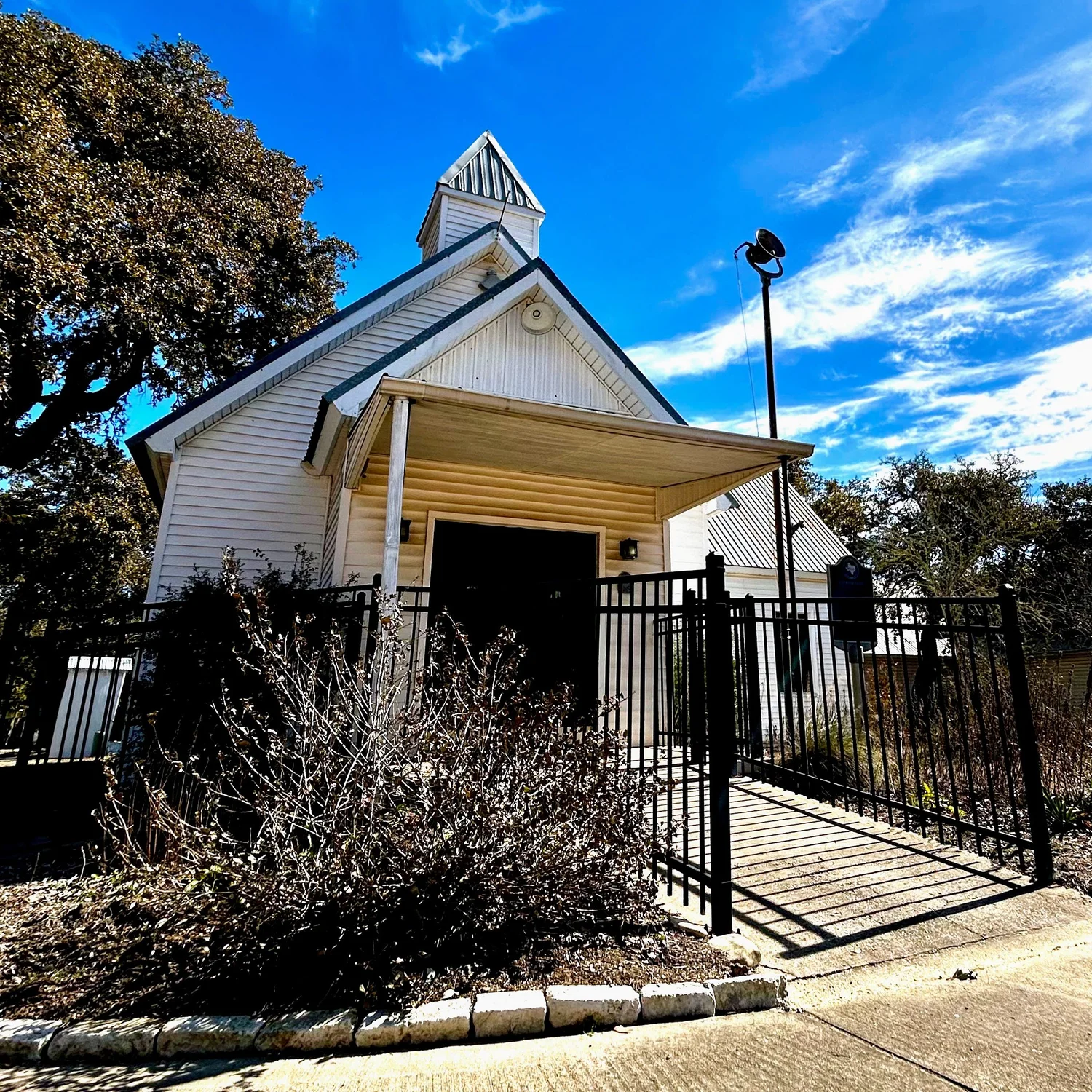
Driftwood Community Church
by Driftwood Community Church
Sermon archives of Driftwood Community Church
-
100
Ephesians, pt. 6: The Saved Affections
In a culture that tends to believe success is the result of the self-made man or woman, we assume our will is uninfluenced, unpolluted, unbiased, and therefore solely responsible for the discipline we credit ourselves with. That belief leaves little room for grace and plenty of room for contempt and judgment. Today we explore how Paul digs beneath the will to get to what actually matters, the affections of the heart: Ephesians 3:14-21
-
99
Ephesians, pt. 5: Saved from Sameness
Often we seek safety and comfort in sameness and homogeneity. It’s easy to see difference and diversity as something to solve or fear. Scripture has a different perspective. Paul thought the expression of God through the embrace of difference and diversity was worth imprisonment, and believed that these little communities of difference united under Jesus were proof to the world that Jesus had won. This week we invite you to explore Ephesians 3 with us and all it might be calling us to. Scripture reading: Ephesians 3:1-13
-
98
Ephesians, pt. 4: Saved to Works
Often we bring preconceived ideas and doctrines into these dense, wordy texts. What if we began to simply ask, “What are these texts inviting us to see?” What if there is more to this whole thing than some eternal destination? What if Salvation is about the here and now? This week we invite you to explore Ephesians 2 with us and all it might be calling us to. Scripture reading: Ephesians 2
-
97
Ephesians, pt. 3: Paul’s Three Prayers
Maybe the structure of Ephesians is more prescriptive than the actual commands or teaching. In today’s talk we take a look at Paul’s prayer for his churches and how those prayers may shape the way we live as the resurrected body of Christ. Today's Scripture readings: Ephesians 1:15-23
-
96
Ephesians, pt. 2: Reorientation of the Self
Maybe the structure of Ephesians is more prescriptive than the actual commands or teaching. In a world where our identity is often tossed about on the waves of ever-changing circumstances, technology, culture wars, and opinions, Paul reminds us that who we are is based solely on God's love for us through the work of Jesus. Today's Scripture readings: Ephesians 1:3-14
-
95
Everything Sad is Becoming Untrue
Today, we wanted to step away from our normal flow and series to speak into our church. Many individuals in our little church have experienced loss and hurt over the last month. So today we took the opportunity to speak to the heart of that loss and hurt. Today's Scripture readings: Ecclesiastes 7:1-5; Psalm 103:1-14; John 1:1-5, 10-14,16-18; Proverbs 8:22-31
-
94
A Better Citizen
Today, we take some time to acknowledge America's 250th birthday. We currently face deep division within our nation, and much of that division runs right through the church. Our commitment to the extremes on either side is hindering our witness to the resurrected Jesus. The way of Christ calls us away from those extremes and shapes how we live as citizens in the countries we call home. The way of the cross isn't lived just for our own good, but for the good of this country as well.
-
93
A Better Temple
Today, we begin to understand the basic understanding of the foundation and identity of the church.
-
92
The Fruit of the Spirit
Growing up, the fruit of the Spirit versus the fruit of the flesh felt like a moral checklist, a list of behaviors that existed for their own sake. But there's a deeper purpose behind them, one that shapes us into a colony of heaven here on earth, the church.
-
91
A Literary Icon of the Church
Whether it's the first couple in Genesis or the picture of the church in Acts, the authors of scripture have a habit of creating literary icons, models for what something is meant to be. We see it in individuals, in marriages, in nations. This week, we explore Luke's literary icon of the church in Acts 2, a Spirit-empowered people.
-
90
Pentecost Sunday: Why the Holy Spirit
Pentecost is the day we celebrate two events at once: the arrival of the Holy Spirit and the birth of the church. Too often, the gift of the Spirit gets reduced to a doctrinal checkbox or sensationalized into a feeling or a language, missing the point entirely. Join us this week to discover why the Spirit was given to the church in the first place.
-
89
Ascension Sunday: More than going to heaven
The Ascension of Jesus is often framed as "he went to heaven so I can too." That story is far smaller than what actually happened. Ascension is the story that releases us to be the body of Christ in the world, under the rule of a far more powerful king. Join us this week as we dig into what the Ascension is actually about.
-
88
Eastertide: Abundant Life
Jesus did not come to simply improve our afterlife. He came to give us a life that is full, rich, and real right now. This week, we take an honest look at what that abundant life actually looks like in the everyday.
-
87
Eastertide: The Logic of Love
Every decision we make is driven by some kind of logic, whether it is what we want, what we fear, or what we have come to believe is true. This week we ask a simple but disruptive question: what happens to the way we think and live when we believe that love is the most powerful and lasting reality in the universe?
-
86
Easter
The resurrection was never meant to be just an event we observe once a year. This week we explore what it looks like to actually live it.
-
85
Lent: The Arrest of Jesus
Today we move to our second scene on the way to the Cross. We turn to John’s telling of the garden arrest, where we encounter four different ways of responding to the way of the Cross.
-
84
Lent: The High Priestly Prayer
On this first Sunday of Lent, we slow down and listen to the prayer of a dying man — Jesus’ final, heartfelt request to the Father. As we hear what matters most to him in that moment, we have to ask ourselves: Is the thing Jesus emphasizes so deeply the same thing we, as his Church, have chosen to emphasize?
-
83
Epiphany: Transfiguration Sunday
As we close out the season of Epiphany, we make our way up the mountain of Transfiguration. There, two things happen. First, we see Jesus revealed as the One in whom past and present meet — the fulfillment of the Law and the Prophets gathered into a single, living person. Second, in Peter’s response, we are given a mirror. His instinct to preserve, control, and hold on exposes something in us.
-
82
Epiphany: The Voice
Today we explore one of the central figures of the Epiphany season, John the Baptist, and ask ourselves, how we, like John may become the epiphany of Jesus in our world.
-
81
Epiphany: The Empty God
As we begin the new year, we want to engage the idea of God - who is God? How do we know? Why? Because what we believe about God shapes who we become and how we engage the world. The way we all engage people, especially those who are different from us, says more about what we believe about God than our stated doctrines.
-
80
The Living Nativity
We wanted to take time to close out the year with a message about the Nativity. A symbol of Jesus' birth, but even more so, a symbol of God's character and nature. The nativity has been the victim of culture wars from both sides of the aisle, but if we really knew what it was about we may allow it to speak for itself.
-
79
Advent
This year, rather than a full series, we are offering one Advent message. In it, we focus on what lies at the heart of Advent—and at the heart of Christianity itself—the defining characteristic of Jesus and of everyone who seeks to follow him: love.
-
78
This Story We’re In: Children of Exile
This week, we reflect on Judah’s life after the Temple’s destruction. God sends them, as His children, into exile—but even there, He calls them to live out the covenant: to be a blessing to the world. This call is not easy. We naturally seek security, comfort, and certainty before turning outward. Yet God reverses that order, inviting His people to find peace and prosperity by seeking the peace and prosperity of their host nation.
-
77
This Story We’re In: The Temple
This week, we examine the posture and attitude of the Northern and Southern Kingdoms—attitudes that ultimately opened the door to their destruction. They mistook wealth, military strength, land, and even the Temple as signs of God’s blessing. In truth, these were not blessings of approval, but expressions of God’s patient mercy. He had not destroyed them…yet. He had warned them, but they would not listen.
-
76
This Story We’re In: The Kings
This week we make our way through King Saul and David, and spend most our time time talking about Solomon. Solomon, often referred to as the wisest man in the world, is also the King responsible for the fall of Israel. But Why? This week we look at the very things that drew Solomon's affections away from God and toward the glories and riches offered by empire.
-
75
This Story We’re In: The Law
In our Journey to Advent, this week we cover what it was the the Jews so faithful to the purity and holiness law kept missing that caused them to continually miss the life of their covenant calling.
-
74
This Story We’re In: Moses on the Mountain
In this week's story we jump ahead to the story where Moses encounters God. This text not only moves our story forward, but it begs the question from all of us, is our idea of God shaped by our position in life? Answer: Probably. The texts challenge us to move beyond that which is comfortable to learn God in a way we may not have known him before.
-
73
Inside the Story: Abraham to Moses
In this week's bridge talk we are going to take about thirty minutes to cover 600 years of Biblical narratives, bridging where we left off with Abraham and connecting the next part of our story with Moses. In addition we are going to highlight many of the repeated patterns within these stories and the significance of those patterns.
-
72
This Story We’re In: Abraham
Today's story brings us to the end of Abraham and the idea of Covenant. We explore what scripture means by covenant and how it is, those of us who are in covenant with God are called to approach the promises of God.
-
71
This Story We’re In: Abram
This week we jump from the tower of Babel and we are introduced to our new man or character, Abram. Abram, is a man who understood God, like most of us, according to the myths of his home society. In our story today, we learn how God begins to change Abram's understanding of who God is, to make him into the man ready to live into the covenant.
-
70
Inside the Story: From Babel to Abram
In this week's bridge talk we bridging the story between Babel and Abram, but we are doing this by looking all the way back at repeated motifs being told at larger levels of graduating magnitude. We first see the same theme in the opening scene of scripture before there are humans, then we see it again in the first family, and so on. Abram, begins God's new humanity called to live differently.
-
69
This Story We’re In: Babel
This Sunday, we continue our new series leading us toward Advent. Together, we’ll look at Scripture’s first picture of empire—Babel—and see how even the mightiest power collapses when it’s built on pride and set against God’s way. Then we’ll turn inward, asking where the seeds of that same impulse might be taking root in our own hearts.
-
68
Inside the Story: From Cain to Babel
This episode is meant to cover some ground between each of our stories. Two things are happening throughout this series: (1) we are covering a lot of ground in a short amount of time, and (2) I'm assuming an interpretive lens in my storytelling. In this second bridge talk, I cover both the distance between last week's sermon and next, Babel, and talk about civilization, patterns, and genealogies in the text.
-
67
This Story We’re In: Cain to Noah
This week we continue a new series that will carry us through to Advent. This week we begin to look at the seeds of empire and how they arose from the first sin, and continued until their natural production and foundation of violence gave way to the flood that destroyed it all. Destruction is never the end; it is sort of a built-in self-purification, and so as throughout all of scripture, sin and chaos never have the final word.
-
66
Inside the Story: From Creation to Cain
This episode is meant to cover some ground between each of our stories. Two things are happening throughout this series: (1) we are coving a lot of ground in a short amount of time and (2) I'm assuming an interpretive lens in my story telling. In this first bridge talk I cover both the distance between last week's sermon and next; and I address the interpretive lens I use to tell these stories.
-
65
This Story We’re In
This week we begin a new series that will carry us through to Advent. Over the coming weeks, we’ll be telling the story of the Hebrew Bible—the Old Testament. We’re doing this for a few reasons. First, many of us as Christians aren’t sure what to do with the Old Testament or why it matters. Second, we want to paint a picture of the world that made a Messiah necessary—or, put another way, the world into which Jesus was born. And finally, we want to rescue the Old Testament from being seen as a one-dimensional historical record and instead breathe life into it as a story—not just a story that was told, but a story we find ourselves in. This week, we begin with Creation.
-
64
The Liturgy of Word
In the final sermon of our Liturgical Theology Series, we turn to the familiar subject of Word—Scripture itself. This week, we’ll examine some common but unhelpful (and at times even destructive) ways of approaching the Bible. From there, we’ll build a healthier framework for engaging Scripture—one that honors what it claims for itself and leads us deeper into the life it points toward.
-
63
The Liturgy of Prayer
In this week’s sermon, we turn to the familiar subject of Prayer. Before prayer is about receiving answers, it is about realignment with God. Like every liturgy we’ve explored, prayer is a practice of formation—shaping us to live more fully in God’s way. In a world driven by wants and needs, Jesus invites us through prayer not to get more, but to become more—more like him.
-
62
The Liturgy of Communion
In this week's sermon, we wade into the waters of mystery. We begin by talking about sacraments in general, and funnel down to the speak specifically about communion. While communion is an act of memory, it is so much more when we approach it with a heart of faith.
-
61
The Liturgy of Confession
This week’s sermon is about confession - the liturgy of truth-telling. Long before it became liturgy, it was part of Israel’s rhythm. Because confession is truth-telling, it’s therefore formational. In a world that prizes curated facades, the church resists by practicing confession as worship.
-
60
The Liturgy of Giving
In this week's sermon we embark on the touchy subject of giving. Before giving is about meeting needs, which it is. Before giving is about attempting to steward our possessions, which it is. Before giving is about paying church salaries, which at times, it is. Giving is about formation. In a world that bows to the idols of accumulation, a growing bottom line, and excess Jesus calls us to rebel against these values through the worshipful act of giving.
-
59
The Liturgy of Music
Today we continue our series on Liturgical Theology, again asking: "Why do we do what we do—and what happens when we do it?" Music and singing have been central to Christian worship throughout history. But because it's so familiar, we rarely pause to consider: What is actually happening when we sing? And what does singing do to us? Let’s reflect on the formational power of music in our worship.Today we continue our series on Liturgical Theology, again asking: "Why do we do what we do—and what happens when we do it?" Music and singing have been central to Christian worship throughout history. But because it's so familiar, we rarely pause to consider: What is actually happening when we sing? And what does singing do to us? Let’s reflect on the formational power of music in our worship.
-
58
The Liturgy of Theology
Today we begin a new summer series exploring the question: "Why do we do what we do in worship—and what happens when we do it?" For over two thousand years, the Church has practiced things like giving, preaching, singing, and confession every week. Yet it's easy to go through the motions without asking why. Our hope is that this series helps us breathe fresh intention into these practices—so they become more than habits, but acts of formation.
-
57
If Only You Had Been Here
This week we stand with Jesus, Mary, and Martha at the tomb of Lazarus and we do so from Dostoevsky's perspective. The power in the story of Lazarus, is not, for me, at the resurrection of the dead man, but when Jesus, who knows what will happen, still stands with the sisters and mourns with them. This is the Jesus we serve, the man of sorrows who stands in the place of sorrow with us, and calls us to do the same with the world.
-
56
The Place of Sent: Part Two
This week we pick up where we left off last week. Last week we focused on three ideas that seem so important, but often lead to blindness. This week, we talk about what the place of sent delivers. When we are willing to go to the place of sent, we receive, vision, healing, and formation.
-
55
The Place of Sent: Part One
Mission or being sent was never meant to be a department of the church, being sent is what the church does - we are a sent people. Went sentness becomes an optional program everything else that is good about the church becomes a blinding agent for the people that are supposed to see clearly. In today's sermon we talk about the importance and centrality of being sent.
-
54
Throwing Stones
For 2,000 years the church has selectively thrown stones. Our stone-throwings has been camouflaged with words like purity, holiness, and righteousness; but in reality, it has been guided by the sins that make us feel most uncomfortable. Jesus has an alternative to this, rather than throwing stones, letting them fall at our sides so we are free to fully embrace the other. In today's message we talk about the importance of embrace.
-
53
Loaves and Fishes
For the past several weeks we have been following John, as he continually introduces us to stories about people who are unable to see or truly hear what Jesus is saying due to the reality they submit to. In today's text, we are invited into a different logic, and a reality that plays by a different set of rules.
-
52
Lest Anything Worse Happens
This week we take a look at the man healed by the pools outside the temple. We take a dive into Israel's history in order to empathize with the pharisees, which helps us take a look at what is actually happening in this story.
-
51
Woman at the Well
This week we jump back into the Gospel of John and pick up with the famous story of the Woman at the Well. In this sermon, we do three things: Dig into some history about who the origins of the samaritans, rescue the woman at the well from our projections, and get to the heart of the text, of the hospitality of the unlikely messenger.
We're indexing this podcast's transcripts for the first time — this can take a minute or two. We'll show results as soon as they're ready.
No matches for "" in this podcast's transcripts.
No topics indexed yet for this podcast.
Loading reviews...
ABOUT THIS SHOW
Sermon archives of Driftwood Community Church
HOSTED BY
Driftwood Community Church
CATEGORIES
Loading similar podcasts...
Frequently Asked Questions
How many episodes does Driftwood Community Church have?
Driftwood Community Church currently has 50 episodes available on PodParley. New episodes are automatically indexed when they're published to the podcast feed.
What is Driftwood Community Church about?
Sermon archives of Driftwood Community Church
How often does Driftwood Community Church release new episodes?
Driftwood Community Church has 50 episodes. Check the episode list to see recent publication dates and frequency.
Where can I listen to Driftwood Community Church?
You can listen to Driftwood Community Church on PodParley by clicking any episode. We provide an embedded audio player for direct listening, and you can also subscribe via your preferred podcast app using the RSS feed.
Who hosts Driftwood Community Church?
Driftwood Community Church is created and hosted by Driftwood Community Church.
URL copied to clipboard!