
PODCAST · arts
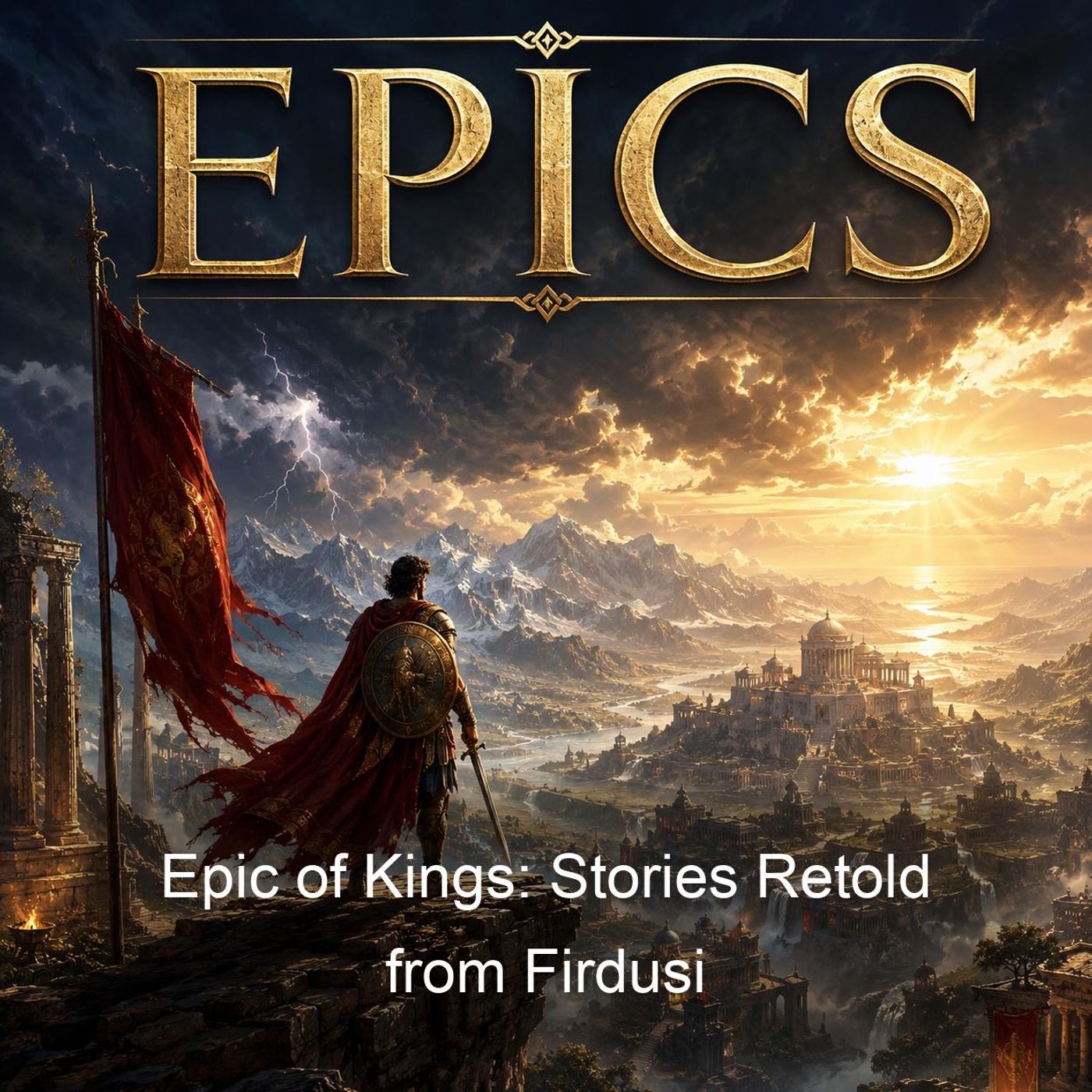
Epic of Kings: Stories Retold from Firdusi
by Abul-Qâsem Ferdowsi Tusi
The Shahnameh (The Book of Kings) is a monumental poem composed around 1000 C.E. by the Persian poet Ferdowsi. It narrates the exploits of mythical kings and heroes of ancient Persia as well as historical episodes from the Sasanian era. It is regarded as the national epic of Iran and its stories were once well known wherever Persian poetry was read, from Central Asia to Anatolia and from India to the Caucasus. Helen Zimmern's version retells some of the best-known legends of the Shahnameh in English prose. She writes: "With a view to reproduce the naïve archaic character of the original, I have ventured to write my stories in the simple language of the age of Shakespeare and the English Bible, in order that by thus removing them from everyday speed, to remove them from the atmosphere of to-day."- Summary by Kazbek
-
2
Easter Mystery Of Jesus Christ; A Miscellany Of Readings, Poems, And Hymn Texts-Various
"Easter Mystery Of Jesus Christ; A Miscellany Of Readings, Poems, And Hymn Texts-Various" is a rich collection that delves into the profound themes of faith and resurrection surrounding the Easter celebration. Through a blend of readings, poems, and hymn texts, this work captures the essence of spiritual reflection and the enduring mystery of Jesus Christ’s resurrection. Its timeless themes of hope, renewal, and divine love resonate deeply, making it a meaningful listen for anyone seeking inspiration or a deeper understanding of Easter's significance. This compilation invites listeners to explore the beauty of these expressions of faith, ensuring that the message of Easter remains relevant and powerful across generations.
-
1
Beth Gêlert, or the Grave of the Greyhound-William Robert Spencer
The Shahnameh (The Book of Kings) is a monumental poem composed around 1000 C.E. by the Persian poet Ferdowsi. It narrates the exploits of mythical kings and heroes of ancient Persia as well as historical episodes from the Sasanian era. It is regarded as the national epic of Iran and its stories were once well known wherever Persian poetry was read, from Central Asia to Anatolia and from India to the Caucasus. Helen Zimmern's version retells some of the best-known legends of the Shahnameh in English prose. She writes: "With a view to reproduce the naïve archaic character of the original, I have ventured to write my stories in the simple language of the age of Shakespeare and the English Bible, in order that by thus removing them from everyday speed, to remove them from the atmosphere of to-day."- Summary by Kazbek
-
0
Psalmes of David (Sidney Psalms)-Mary Sidney Herbert, Sir Philip Sidney
The Shahnameh (The Book of Kings) is a monumental poem composed around 1000 C.E. by the Persian poet Ferdowsi. It narrates the exploits of mythical kings and heroes of ancient Persia as well as historical episodes from the Sasanian era. It is regarded as the national epic of Iran and its stories were once well known wherever Persian poetry was read, from Central Asia to Anatolia and from India to the Caucasus. Helen Zimmern's version retells some of the best-known legends of the Shahnameh in English prose. She writes: "With a view to reproduce the naïve archaic character of the original, I have ventured to write my stories in the simple language of the age of Shakespeare and the English Bible, in order that by thus removing them from everyday speed, to remove them from the atmosphere of to-day."- Summary by Kazbek
-
-1
Prelude-William Wordsworth
The Shahnameh (The Book of Kings) is a monumental poem composed around 1000 C.E. by the Persian poet Ferdowsi. It narrates the exploits of mythical kings and heroes of ancient Persia as well as historical episodes from the Sasanian era. It is regarded as the national epic of Iran and its stories were once well known wherever Persian poetry was read, from Central Asia to Anatolia and from India to the Caucasus. Helen Zimmern's version retells some of the best-known legends of the Shahnameh in English prose. She writes: "With a view to reproduce the naïve archaic character of the original, I have ventured to write my stories in the simple language of the age of Shakespeare and the English Bible, in order that by thus removing them from everyday speed, to remove them from the atmosphere of to-day."- Summary by Kazbek
-
-2
Rewards and Fairies-Rudyard Kipling
The Shahnameh (The Book of Kings) is a monumental poem composed around 1000 C.E. by the Persian poet Ferdowsi. It narrates the exploits of mythical kings and heroes of ancient Persia as well as historical episodes from the Sasanian era. It is regarded as the national epic of Iran and its stories were once well known wherever Persian poetry was read, from Central Asia to Anatolia and from India to the Caucasus. Helen Zimmern's version retells some of the best-known legends of the Shahnameh in English prose. She writes: "With a view to reproduce the naïve archaic character of the original, I have ventured to write my stories in the simple language of the age of Shakespeare and the English Bible, in order that by thus removing them from everyday speed, to remove them from the atmosphere of to-day."- Summary by Kazbek
-
-3
'In Re a Gentleman, One''-Banjo Paterson
The Shahnameh (The Book of Kings) is a monumental poem composed around 1000 C.E. by the Persian poet Ferdowsi. It narrates the exploits of mythical kings and heroes of ancient Persia as well as historical episodes from the Sasanian era. It is regarded as the national epic of Iran and its stories were once well known wherever Persian poetry was read, from Central Asia to Anatolia and from India to the Caucasus. Helen Zimmern's version retells some of the best-known legends of the Shahnameh in English prose. She writes: "With a view to reproduce the naïve archaic character of the original, I have ventured to write my stories in the simple language of the age of Shakespeare and the English Bible, in order that by thus removing them from everyday speed, to remove them from the atmosphere of to-day."- Summary by Kazbek
-
-4
Manfred (Version 2)-George Gordon, Lord Byron
The Shahnameh (The Book of Kings) is a monumental poem composed around 1000 C.E. by the Persian poet Ferdowsi. It narrates the exploits of mythical kings and heroes of ancient Persia as well as historical episodes from the Sasanian era. It is regarded as the national epic of Iran and its stories were once well known wherever Persian poetry was read, from Central Asia to Anatolia and from India to the Caucasus. Helen Zimmern's version retells some of the best-known legends of the Shahnameh in English prose. She writes: "With a view to reproduce the naïve archaic character of the original, I have ventured to write my stories in the simple language of the age of Shakespeare and the English Bible, in order that by thus removing them from everyday speed, to remove them from the atmosphere of to-day."- Summary by Kazbek
-
-5
Seasons-James Thomson
The Shahnameh (The Book of Kings) is a monumental poem composed around 1000 C.E. by the Persian poet Ferdowsi. It narrates the exploits of mythical kings and heroes of ancient Persia as well as historical episodes from the Sasanian era. It is regarded as the national epic of Iran and its stories were once well known wherever Persian poetry was read, from Central Asia to Anatolia and from India to the Caucasus. Helen Zimmern's version retells some of the best-known legends of the Shahnameh in English prose. She writes: "With a view to reproduce the naïve archaic character of the original, I have ventured to write my stories in the simple language of the age of Shakespeare and the English Bible, in order that by thus removing them from everyday speed, to remove them from the atmosphere of to-day."- Summary by Kazbek
-
-6
Idylls of the King-Alfred, Lord Tennyson
The Shahnameh (The Book of Kings) is a monumental poem composed around 1000 C.E. by the Persian poet Ferdowsi. It narrates the exploits of mythical kings and heroes of ancient Persia as well as historical episodes from the Sasanian era. It is regarded as the national epic of Iran and its stories were once well known wherever Persian poetry was read, from Central Asia to Anatolia and from India to the Caucasus. Helen Zimmern's version retells some of the best-known legends of the Shahnameh in English prose. She writes: "With a view to reproduce the naïve archaic character of the original, I have ventured to write my stories in the simple language of the age of Shakespeare and the English Bible, in order that by thus removing them from everyday speed, to remove them from the atmosphere of to-day."- Summary by Kazbek
-
-7
Eighteenth Century Poetry and Prose-Various
The Shahnameh (The Book of Kings) is a monumental poem composed around 1000 C.E. by the Persian poet Ferdowsi. It narrates the exploits of mythical kings and heroes of ancient Persia as well as historical episodes from the Sasanian era. It is regarded as the national epic of Iran and its stories were once well known wherever Persian poetry was read, from Central Asia to Anatolia and from India to the Caucasus. Helen Zimmern's version retells some of the best-known legends of the Shahnameh in English prose. She writes: "With a view to reproduce the naïve archaic character of the original, I have ventured to write my stories in the simple language of the age of Shakespeare and the English Bible, in order that by thus removing them from everyday speed, to remove them from the atmosphere of to-day."- Summary by Kazbek
-
-8
Cathay-Ernest Fenollosa, Ezra Pound
The Shahnameh (The Book of Kings) is a monumental poem composed around 1000 C.E. by the Persian poet Ferdowsi. It narrates the exploits of mythical kings and heroes of ancient Persia as well as historical episodes from the Sasanian era. It is regarded as the national epic of Iran and its stories were once well known wherever Persian poetry was read, from Central Asia to Anatolia and from India to the Caucasus. Helen Zimmern's version retells some of the best-known legends of the Shahnameh in English prose. She writes: "With a view to reproduce the naïve archaic character of the original, I have ventured to write my stories in the simple language of the age of Shakespeare and the English Bible, in order that by thus removing them from everyday speed, to remove them from the atmosphere of to-day."- Summary by Kazbek
-
-9
Rubáiyát of Omar Khayyám (Fitzgerald 5th edition)-Omar Khayyám
The Shahnameh (The Book of Kings) is a monumental poem composed around 1000 C.E. by the Persian poet Ferdowsi. It narrates the exploits of mythical kings and heroes of ancient Persia as well as historical episodes from the Sasanian era. It is regarded as the national epic of Iran and its stories were once well known wherever Persian poetry was read, from Central Asia to Anatolia and from India to the Caucasus. Helen Zimmern's version retells some of the best-known legends of the Shahnameh in English prose. She writes: "With a view to reproduce the naïve archaic character of the original, I have ventured to write my stories in the simple language of the age of Shakespeare and the English Bible, in order that by thus removing them from everyday speed, to remove them from the atmosphere of to-day."- Summary by Kazbek
-
-10
Philosophies-Ronald Ross
The Shahnameh (The Book of Kings) is a monumental poem composed around 1000 C.E. by the Persian poet Ferdowsi. It narrates the exploits of mythical kings and heroes of ancient Persia as well as historical episodes from the Sasanian era. It is regarded as the national epic of Iran and its stories were once well known wherever Persian poetry was read, from Central Asia to Anatolia and from India to the Caucasus. Helen Zimmern's version retells some of the best-known legends of the Shahnameh in English prose. She writes: "With a view to reproduce the naïve archaic character of the original, I have ventured to write my stories in the simple language of the age of Shakespeare and the English Bible, in order that by thus removing them from everyday speed, to remove them from the atmosphere of to-day."- Summary by Kazbek
-
-11
Argonautica-Apollonius Rhodius
The Shahnameh (The Book of Kings) is a monumental poem composed around 1000 C.E. by the Persian poet Ferdowsi. It narrates the exploits of mythical kings and heroes of ancient Persia as well as historical episodes from the Sasanian era. It is regarded as the national epic of Iran and its stories were once well known wherever Persian poetry was read, from Central Asia to Anatolia and from India to the Caucasus. Helen Zimmern's version retells some of the best-known legends of the Shahnameh in English prose. She writes: "With a view to reproduce the naïve archaic character of the original, I have ventured to write my stories in the simple language of the age of Shakespeare and the English Bible, in order that by thus removing them from everyday speed, to remove them from the atmosphere of to-day."- Summary by Kazbek
-
-12
Aesop's Fables A New Revised Edition-Aesop
Aesop's Fables A New Revised Edition-Aesop
-
-13
Moon-Drowned-James Whitcomb Riley
"Moon-Drowned" by James Whitcomb Riley is a poignant exploration of the interplay between nature and human emotion, capturing the essence of a moonlit night that transforms ordinary experiences into profound reflections. The lyrical quality of Riley's writing invites listeners to immerse themselves in the beauty of the natural world, evoking feelings of nostalgia and wonder that resonate deeply with our contemporary longing for connection and tranquility. This timeless piece reminds us of the enduring power of nature to inspire introspection and creativity, making it a perfect choice for those seeking solace and inspiration in today's fast-paced life.
-
-14
Vintage Verse Rhapsody A Poetry Collection - Various
"Vintage Verse Rhapsody A Poetry Collection" brings together a rich tapestry of poetic expressions from various authors, celebrating the timeless beauty and depth of verse. This collection invites listeners to immerse themselves in the lyrical artistry that has shaped cultural narratives and human emotions across generations. The themes of love, loss, nature, and the human experience resonate profoundly, reminding us of our shared journey through life. As these verses echo through time, they continue to inspire reflection and connection, making this collection a treasure for both poetry aficionados and casual listeners alike. Experience the enduring power of words that have stood the test of time.
-
-15
Epic of Kings Stories Retold from Firdusi - Abul-Qasem Ferdowsi Tusi - Part 2
The Shahnameh (The Book of Kings) is a monumental poem composed around 1000 C.E. by the Persian poet Ferdowsi. It narrates the exploits of mythical kings and heroes of ancient Persia as well as historical episodes from the Sasanian era. It is regarded as the national epic of Iran and its stories were once well known wherever Persian poetry was read, from Central Asia to Anatolia and from India to the Caucasus. Helen Zimmern's version retells some of the best-known legends of the Shahnameh in English prose. She writes: "With a view to reproduce the naïve archaic character of the original, I have ventured to write my stories in the simple language of the age of Shakespeare and the English Bible, in order that by thus removing them from everyday speed, to remove them from the atmosphere of to-day."- Summary by Kazbek
-
-16
Epic of Kings Stories Retold from Firdusi - Abul-Qasem Ferdowsi Tusi - Part 1
The Shahnameh (The Book of Kings) is a monumental poem composed around 1000 C.E. by the Persian poet Ferdowsi. It narrates the exploits of mythical kings and heroes of ancient Persia as well as historical episodes from the Sasanian era. It is regarded as the national epic of Iran and its stories were once well known wherever Persian poetry was read, from Central Asia to Anatolia and from India to the Caucasus. Helen Zimmern's version retells some of the best-known legends of the Shahnameh in English prose. She writes: "With a view to reproduce the naïve archaic character of the original, I have ventured to write my stories in the simple language of the age of Shakespeare and the English Bible, in order that by thus removing them from everyday speed, to remove them from the atmosphere of to-day."- Summary by Kazbek
We're indexing this podcast's transcripts for the first time — this can take a minute or two. We'll show results as soon as they're ready.
No matches for "" in this podcast's transcripts.
No topics indexed yet for this podcast.
Loading reviews...
ABOUT THIS SHOW
The Shahnameh (The Book of Kings) is a monumental poem composed around 1000 C.E. by the Persian poet Ferdowsi. It narrates the exploits of mythical kings and heroes of ancient Persia as well as historical episodes from the Sasanian era. It is regarded as the national epic of Iran and its stories were once well known wherever Persian poetry was read, from Central Asia to Anatolia and from India to the Caucasus. Helen Zimmern's version retells some of the best-known legends of the Shahnameh in English prose. She writes: "With a view to reproduce the naïve archaic character of the original, I have ventured to write my stories in the simple language of the age of Shakespeare and the English Bible, in order that by thus removing them from everyday speed, to remove them from the atmosphere of to-day."- Summary by Kazbek
HOSTED BY
Abul-Qâsem Ferdowsi Tusi
CATEGORIES
Loading similar podcasts...
Frequently Asked Questions
How many episodes does Epic of Kings: Stories Retold from Firdusi have?
Epic of Kings: Stories Retold from Firdusi currently has 19 episodes available on PodParley. New episodes are automatically indexed when they're published to the podcast feed.
What is Epic of Kings: Stories Retold from Firdusi about?
The Shahnameh (The Book of Kings) is a monumental poem composed around 1000 C.E. by the Persian poet Ferdowsi. It narrates the exploits of mythical kings and heroes of ancient Persia as well as historical episodes from the Sasanian era. It is regarded as the national epic of Iran and its stories...
How often does Epic of Kings: Stories Retold from Firdusi release new episodes?
Epic of Kings: Stories Retold from Firdusi has 19 episodes. Check the episode list to see recent publication dates and frequency.
Where can I listen to Epic of Kings: Stories Retold from Firdusi?
You can listen to Epic of Kings: Stories Retold from Firdusi on PodParley by clicking any episode. We provide an embedded audio player for direct listening, and you can also subscribe via your preferred podcast app using the RSS feed.
Who hosts Epic of Kings: Stories Retold from Firdusi?
Epic of Kings: Stories Retold from Firdusi is created and hosted by Abul-Qâsem Ferdowsi Tusi.
URL copied to clipboard!