
PODCAST · religion
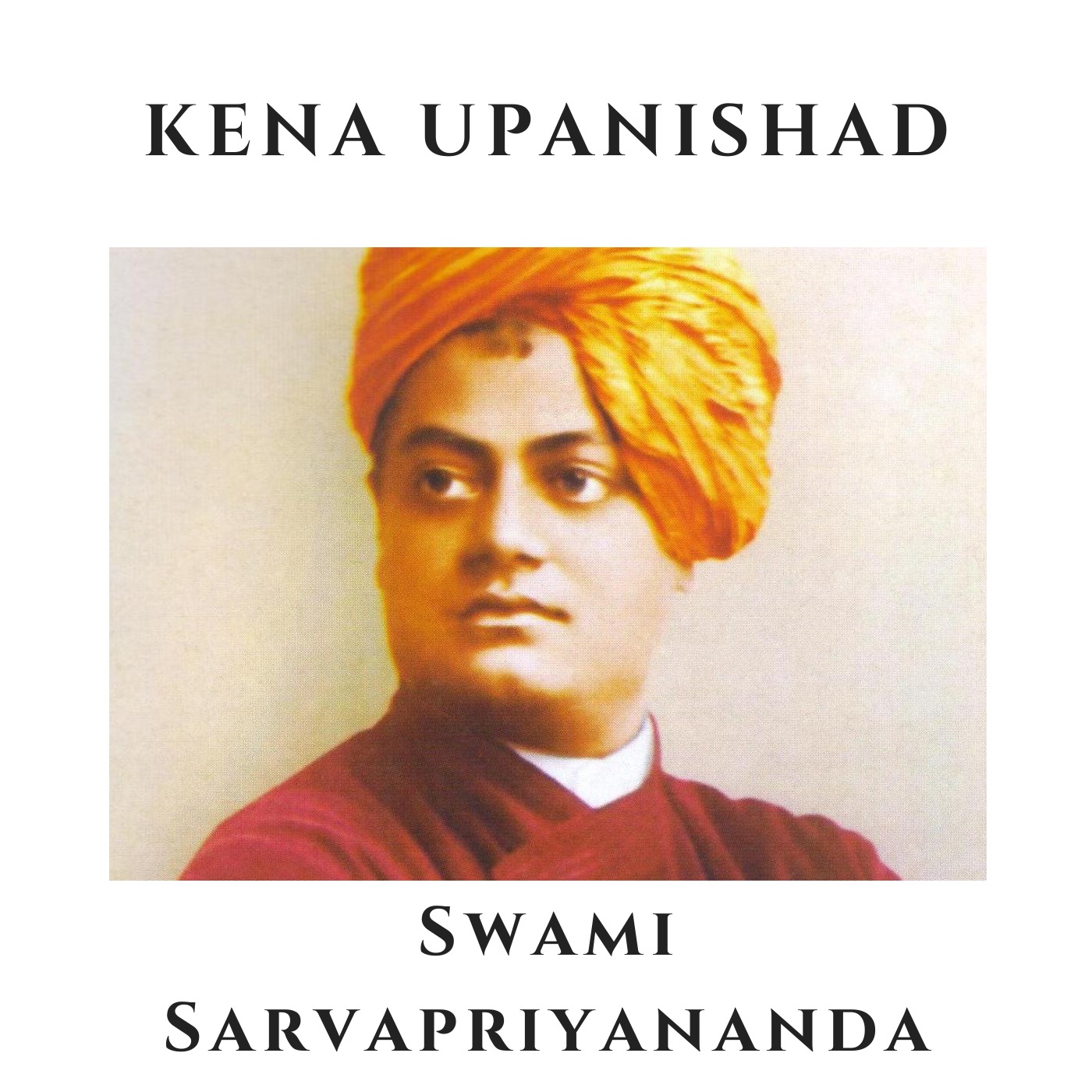
Kena Upanishad - Swami Sarvapriyananda
by Vedanta Society of New York
Swami Sarvapriyananda teaches Kena Upanishad in this series.The Kena Upanishad (Sanskrit: केनोपनिषद्) (also alternatively known as Talavakara Upanishad) is a Vedic Sanskrit text classified as one of the primary or Mukhya Upanishads that is embedded inside the last section of the Talavakara Brahmana of the Samaveda. It is listed as number 2 in the Muktikā, the canon of the 108 Upanishads of Hinduism.Kena Upanishad has three parts: 13 verses in the first part, 15 paragraphs in the second part, and 6 paragraphs in the epilogue. These are distributed in four khaṇḍas (खण्ड, sections or volumes). The first Khanda has 8 verses, the second has 5 verses. The third Khanda has 12 paragraphs, while the fourth khanda has the remaining 9 (3 paragraphs of main text and 6 paragraphs of the epilogue).Vedanta Society of New York ( https://www.vedantany.org/ )Apple Podcast ( https://podcasts.apple.com/us/podcast/vedanta-talks/id1247628265 )Spotify Podcast ( https://open.spotify.com/show/5IrDmqXhiGww
-
18
18. Kena Upanishad | Mantras 4.7 - 4.9 | Swami Sarvapriyananda
Swami Sarvapriyananda teaches Kena Upanishad in this series.The Kena Upanishad (Sanskrit: केनोपनिषद्) (also alternatively known as Talavakara Upanishad) is a Vedic Sanskrit text classified as one of the primary or Mukhya Upanishads that is embedded inside the last section of the Talavakara Brahmana of the Samaveda. It is listed as number 2 in the Muktikā, the canon of the 108 Upanishads of Hinduism.Kena Upanishad has three parts: 13 verses in the first part, 15 paragraphs in the second part, and 6 paragraphs in the epilogue. These are distributed in four khaṇḍas (खण्ड, sections or volumes). The first Khanda has 8 verses, the second has 5 verses. The third Khanda has 12 paragraphs, while the fourth khanda has the remaining 9 (3 paragraphs of main text and 6 paragraphs of the epilogue).
-
17
17. Kena Upanishad | Mantras 4.4 - 4.6 | Swami Sarvapriyananda
Swami Sarvapriyananda teaches Kena Upanishad in this series.The Kena Upanishad (Sanskrit: केनोपनिषद्) (also alternatively known as Talavakara Upanishad) is a Vedic Sanskrit text classified as one of the primary or Mukhya Upanishads that is embedded inside the last section of the Talavakara Brahmana of the Samaveda. It is listed as number 2 in the Muktikā, the canon of the 108 Upanishads of Hinduism.Kena Upanishad has three parts: 13 verses in the first part, 15 paragraphs in the second part, and 6 paragraphs in the epilogue. These are distributed in four khaṇḍas (खण्ड, sections or volumes). The first Khanda has 8 verses, the second has 5 verses. The third Khanda has 12 paragraphs, while the fourth khanda has the remaining 9 (3 paragraphs of main text and 6 paragraphs of the epilogue).
-
16
16. Kena Upanishad | Mantras 3.1 - 4.3 | Swami Sarvapriyananda
Swami Sarvapriyananda teaches Kena Upanishad in this series.The Kena Upanishad (Sanskrit: केनोपनिषद्) (also alternatively known as Talavakara Upanishad) is a Vedic Sanskrit text classified as one of the primary or Mukhya Upanishads that is embedded inside the last section of the Talavakara Brahmana of the Samaveda. It is listed as number 2 in the Muktikā, the canon of the 108 Upanishads of Hinduism.Kena Upanishad has three parts: 13 verses in the first part, 15 paragraphs in the second part, and 6 paragraphs in the epilogue. These are distributed in four khaṇḍas (खण्ड, sections or volumes). The first Khanda has 8 verses, the second has 5 verses. The third Khanda has 12 paragraphs, while the fourth khanda has the remaining 9 (3 paragraphs of main text and 6 paragraphs of the epilogue).
-
15
15. Kena Upanishad | Mantra 2.5 | Swami Sarvapriyananda
Swami Sarvapriyananda teaches Kena Upanishad in this series.The Kena Upanishad (Sanskrit: केनोपनिषद्) (also alternatively known as Talavakara Upanishad) is a Vedic Sanskrit text classified as one of the primary or Mukhya Upanishads that is embedded inside the last section of the Talavakara Brahmana of the Samaveda. It is listed as number 2 in the Muktikā, the canon of the 108 Upanishads of Hinduism.Kena Upanishad has three parts: 13 verses in the first part, 15 paragraphs in the second part, and 6 paragraphs in the epilogue. These are distributed in four khaṇḍas (खण्ड, sections or volumes). The first Khanda has 8 verses, the second has 5 verses. The third Khanda has 12 paragraphs, while the fourth khanda has the remaining 9 (3 paragraphs of main text and 6 paragraphs of the epilogue).
-
14
14. Kena Upanishad | Mantra 2.4 Continued | Swami Sarvapriyananda
Swami Sarvapriyananda teaches Kena Upanishad in this series.The Kena Upanishad (Sanskrit: केनोपनिषद्) (also alternatively known as Talavakara Upanishad) is a Vedic Sanskrit text classified as one of the primary or Mukhya Upanishads that is embedded inside the last section of the Talavakara Brahmana of the Samaveda. It is listed as number 2 in the Muktikā, the canon of the 108 Upanishads of Hinduism.Kena Upanishad has three parts: 13 verses in the first part, 15 paragraphs in the second part, and 6 paragraphs in the epilogue. These are distributed in four khaṇḍas (खण्ड, sections or volumes). The first Khanda has 8 verses, the second has 5 verses. The third Khanda has 12 paragraphs, while the fourth khanda has the remaining 9 (3 paragraphs of main text and 6 paragraphs of the epilogue).
-
13
13. Kena Upanishad | Mantra 2.4 Continued | Swami Sarvapriyananda
Swami Sarvapriyananda teaches Kena Upanishad in this series.The Kena Upanishad (Sanskrit: केनोपनिषद्) (also alternatively known as Talavakara Upanishad) is a Vedic Sanskrit text classified as one of the primary or Mukhya Upanishads that is embedded inside the last section of the Talavakara Brahmana of the Samaveda. It is listed as number 2 in the Muktikā, the canon of the 108 Upanishads of Hinduism.Kena Upanishad has three parts: 13 verses in the first part, 15 paragraphs in the second part, and 6 paragraphs in the epilogue. These are distributed in four khaṇḍas (खण्ड, sections or volumes). The first Khanda has 8 verses, the second has 5 verses. The third Khanda has 12 paragraphs, while the fourth khanda has the remaining 9 (3 paragraphs of main text and 6 paragraphs of the epilogue).
-
12
12. Kena Upanishad | Mantra 2.4 | Swami Sarvapriyananda
Swami Sarvapriyananda teaches Kena Upanishad in this series.The Kena Upanishad (Sanskrit: केनोपनिषद्) (also alternatively known as Talavakara Upanishad) is a Vedic Sanskrit text classified as one of the primary or Mukhya Upanishads that is embedded inside the last section of the Talavakara Brahmana of the Samaveda. It is listed as number 2 in the Muktikā, the canon of the 108 Upanishads of Hinduism.Kena Upanishad has three parts: 13 verses in the first part, 15 paragraphs in the second part, and 6 paragraphs in the epilogue. These are distributed in four khaṇḍas (खण्ड, sections or volumes). The first Khanda has 8 verses, the second has 5 verses. The third Khanda has 12 paragraphs, while the fourth khanda has the remaining 9 (3 paragraphs of main text and 6 paragraphs of the epilogue).
-
11
11. Kena Upanishad | Mantras 2.2 - 2.3 | Swami Sarvapriyananda
Swami Sarvapriyananda teaches Kena Upanishad in this series.The Kena Upanishad (Sanskrit: केनोपनिषद्) (also alternatively known as Talavakara Upanishad) is a Vedic Sanskrit text classified as one of the primary or Mukhya Upanishads that is embedded inside the last section of the Talavakara Brahmana of the Samaveda. It is listed as number 2 in the Muktikā, the canon of the 108 Upanishads of Hinduism.Kena Upanishad has three parts: 13 verses in the first part, 15 paragraphs in the second part, and 6 paragraphs in the epilogue. These are distributed in four khaṇḍas (खण्ड, sections or volumes). The first Khanda has 8 verses, the second has 5 verses. The third Khanda has 12 paragraphs, while the fourth khanda has the remaining 9 (3 paragraphs of main text and 6 paragraphs of the epilogue).
-
10
10. Kena Upanishad | Mantra 2.1 Continued | Swami Sarvapriyananda
The Kena Upanishad (Sanskrit: केनोपनिषद्) (also alternatively known as Talavakara Upanishad) is a Vedic Sanskrit text classified as one of the primary or Mukhya Upanishads that is embedded inside the last section of the Talavakara Brahmana of the Samaveda. It is listed as number 2 in the Muktikā, the canon of the 108 Upanishads of Hinduism.Kena Upanishad has three parts: 13 verses in the first part, 15 paragraphs in the second part, and 6 paragraphs in the epilogue. These are distributed in four khaṇḍas (खण्ड, sections or volumes). The first Khanda has 8 verses, the second has 5 verses. The third Khanda has 12 paragraphs, while the fourth khanda has the remaining 9 (3 paragraphs of main text and 6 paragraphs of the epilogue).
-
9
9. Kena Upanishad | Mantra 2.1 | Swami Sarvapriyananda
The Kena Upanishad (Sanskrit: केनोपनिषद्) (also alternatively known as Talavakara Upanishad) is a Vedic Sanskrit text classified as one of the primary or Mukhya Upanishads that is embedded inside the last section of the Talavakara Brahmana of the Samaveda. It is listed as number 2 in the Muktikā, the canon of the 108 Upanishads of Hinduism.Kena Upanishad has three parts: 13 verses in the first part, 15 paragraphs in the second part, and 6 paragraphs in the epilogue. These are distributed in four khaṇḍas (खण्ड, sections or volumes). The first Khanda has 8 verses, the second has 5 verses. The third Khanda has 12 paragraphs, while the fourth khanda has the remaining 9 (3 paragraphs of main text and 6 paragraphs of the epilogue).
-
8
8. Kena Upanishad | Mantras 1.6 - 1.9 Continued | Swami Sarvapriyananda
The Kena Upanishad (Sanskrit: केनोपनिषद्) (also alternatively known as Talavakara Upanishad) is a Vedic Sanskrit text classified as one of the primary or Mukhya Upanishads that is embedded inside the last section of the Talavakara Brahmana of the Samaveda. It is listed as number 2 in the Muktikā, the canon of the 108 Upanishads of Hinduism.Kena Upanishad has three parts: 13 verses in the first part, 15 paragraphs in the second part, and 6 paragraphs in the epilogue. These are distributed in four khaṇḍas (खण्ड, sections or volumes). The first Khanda has 8 verses, the second has 5 verses. The third Khanda has 12 paragraphs, while the fourth khanda has the remaining 9 (3 paragraphs of main text and 6 paragraphs of the epilogue).
-
7
7. Kena Upanishad | Mantras 1.6 - 1.9 | Swami Sarvapriyananda
The Kena Upanishad (Sanskrit: केनोपनिषद्) (also alternatively known as Talavakara Upanishad) is a Vedic Sanskrit text classified as one of the primary or Mukhya Upanishads that is embedded inside the last section of the Talavakara Brahmana of the Samaveda. It is listed as number 2 in the Muktikā, the canon of the 108 Upanishads of Hinduism.Kena Upanishad has three parts: 13 verses in the first part, 15 paragraphs in the second part, and 6 paragraphs in the epilogue. These are distributed in four khaṇḍas (खण्ड, sections or volumes). The first Khanda has 8 verses, the second has 5 verses. The third Khanda has 12 paragraphs, while the fourth khanda has the remaining 9 (3 paragraphs of main text and 6 paragraphs of the epilogue).
-
6
6. Kena Upanishad | Mantra 1.5 | Swami Sarvapriyananda
Swami Sarvapriyananda teaches Kena Upanishad in this series.The Kena Upanishad (Sanskrit: केनोपनिषद्) (also alternatively known as Talavakara Upanishad) is a Vedic Sanskrit text classified as one of the primary or Mukhya Upanishads that is embedded inside the last section of the Talavakara Brahmana of the Samaveda. It is listed as number 2 in the Muktikā, the canon of the 108 Upanishads of Hinduism.Kena Upanishad has three parts: 13 verses in the first part, 15 paragraphs in the second part, and 6 paragraphs in the epilogue. These are distributed in four khaṇḍas (खण्ड, sections or volumes). The first Khanda has 8 verses, the second has 5 verses. The third Khanda has 12 paragraphs, while the fourth khanda has the remaining 9 (3 paragraphs of main text and 6 paragraphs of the epilogue).
-
5
5. Kena Upanishad | Mantras 1.3 - 1.4 | Swami Sarvapriyananda
Swami Sarvapriyananda teaches Kena Upanishad in this series.The Kena Upanishad (Sanskrit: केनोपनिषद्) (also alternatively known as Talavakara Upanishad) is a Vedic Sanskrit text classified as one of the primary or Mukhya Upanishads that is embedded inside the last section of the Talavakara Brahmana of the Samaveda. It is listed as number 2 in the Muktikā, the canon of the 108 Upanishads of Hinduism.Kena Upanishad has three parts: 13 verses in the first part, 15 paragraphs in the second part, and 6 paragraphs in the epilogue. These are distributed in four khaṇḍas (खण्ड, sections or volumes). The first Khanda has 8 verses, the second has 5 verses. The third Khanda has 12 paragraphs, while the fourth khanda has the remaining 9 (3 paragraphs of main text and 6 paragraphs of the epilogue).
-
4
4. Kena Upanishad | Mantra 1.2 Continued | Swami Sarvapriyananda
The Kena Upanishad (Sanskrit: केनोपनिषद्) (also alternatively known as Talavakara Upanishad) is a Vedic Sanskrit text classified as one of the primary or Mukhya Upanishads that is embedded inside the last section of the Talavakara Brahmana of the Samaveda. It is listed as number 2 in the Muktikā, the canon of the 108 Upanishads of Hinduism.Kena Upanishad has three parts: 13 verses in the first part, 15 paragraphs in the second part, and 6 paragraphs in the epilogue. These are distributed in four khaṇḍas (खण्ड, sections or volumes). The first Khanda has 8 verses, the second has 5 verses. The third Khanda has 12 paragraphs, while the fourth khanda has the remaining 9 (3 paragraphs of main text and 6 paragraphs of the epilogue).
-
3
3. Kena Upanishad | Mantras 1.1 - 1.2 | Swami Sarvapriyananda
The Kena Upanishad (Sanskrit: केनोपनिषद्) (also alternatively known as Talavakara Upanishad) is a Vedic Sanskrit text classified as one of the primary or Mukhya Upanishads that is embedded inside the last section of the Talavakara Brahmana of the Samaveda. It is listed as number 2 in the Muktikā, the canon of the 108 Upanishads of Hinduism.Kena Upanishad has three parts: 13 verses in the first part, 15 paragraphs in the second part, and 6 paragraphs in the epilogue. These are distributed in four khaṇḍas (खण्ड, sections or volumes). The first Khanda has 8 verses, the second has 5 verses. The third Khanda has 12 paragraphs, while the fourth khanda has the remaining 9 (3 paragraphs of main text and 6 paragraphs of the epilogue).
-
2
2. Kena Upanishad | Introduction...Continued | Swami Sarvapriyananda
The Kena Upanishad (Sanskrit: केनोपनिषद्) (also alternatively known as Talavakara Upanishad) is a Vedic Sanskrit text classified as one of the primary or Mukhya Upanishads that is embedded inside the last section of the Talavakara Brahmana of the Samaveda. It is listed as number 2 in the Muktikā, the canon of the 108 Upanishads of Hinduism.Kena Upanishad has three parts: 13 verses in the first part, 15 paragraphs in the second part, and 6 paragraphs in the epilogue. These are distributed in four khaṇḍas (खण्ड, sections or volumes). The first Khanda has 8 verses, the second has 5 verses. The third Khanda has 12 paragraphs, while the fourth khanda has the remaining 9 (3 paragraphs of main text and 6 paragraphs of the epilogue).
-
1
1. Kena Upanishad | Introduction | Swami Sarvapriyananda
The Kena Upanishad (Sanskrit: केनोपनिषद्) (also alternatively known as Talavakara Upanishad) is a Vedic Sanskrit text classified as one of the primary or Mukhya Upanishads that is embedded inside the last section of the Talavakara Brahmana of the Samaveda. It is listed as number 2 in the Muktikā, the canon of the 108 Upanishads of Hinduism.Kena Upanishad has three parts: 13 verses in the first part, 15 paragraphs in the second part, and 6 paragraphs in the epilogue. These are distributed in four khaṇḍas (खण्ड, sections or volumes). The first Khanda has 8 verses, the second has 5 verses. The third Khanda has 12 paragraphs, while the fourth khanda has the remaining 9 (3 paragraphs of main text and 6 paragraphs of the epilogue).
We're indexing this podcast's transcripts for the first time — this can take a minute or two. We'll show results as soon as they're ready.
No matches for "" in this podcast's transcripts.
No topics indexed yet for this podcast.
Loading reviews...
ABOUT THIS SHOW
Swami Sarvapriyananda teaches Kena Upanishad in this series.The Kena Upanishad (Sanskrit: केनोपनिषद्) (also alternatively known as Talavakara Upanishad) is a Vedic Sanskrit text classified as one of the primary or Mukhya Upanishads that is embedded inside the last section of the Talavakara Brahmana of the Samaveda. It is listed as number 2 in the Muktikā, the canon of the 108 Upanishads of Hinduism.Kena Upanishad has three parts: 13 verses in the first part, 15 paragraphs in the second part, and 6 paragraphs in the epilogue. These are distributed in four khaṇḍas (खण्ड, sections or volumes). The first Khanda has 8 verses, the second has 5 verses. The third Khanda has 12 paragraphs, while the fourth khanda has the remaining 9 (3 paragraphs of main text and 6 paragraphs of the epilogue).Vedanta Society of New York ( https://www.vedantany.org/ )Apple Podcast ( https://podcasts.apple.com/us/podcast/vedanta-talks/id1247628265 )Spotify Podcast ( https://open.spotify.com/show/5IrDmqXhiGww
HOSTED BY
Vedanta Society of New York
CATEGORIES
Loading similar podcasts...
Frequently Asked Questions
How many episodes does Kena Upanishad - Swami Sarvapriyananda have?
Kena Upanishad - Swami Sarvapriyananda currently has 18 episodes available on PodParley. New episodes are automatically indexed when they're published to the podcast feed.
What is Kena Upanishad - Swami Sarvapriyananda about?
Swami Sarvapriyananda teaches Kena Upanishad in this series.The Kena Upanishad (Sanskrit: केनोपनिषद्) (also alternatively known as Talavakara Upanishad) is a Vedic Sanskrit text classified as one of the primary or Mukhya Upanishads that is embedded inside the last section of the Talavakara Brahmana...
How often does Kena Upanishad - Swami Sarvapriyananda release new episodes?
Kena Upanishad - Swami Sarvapriyananda has 18 episodes. Check the episode list to see recent publication dates and frequency.
Where can I listen to Kena Upanishad - Swami Sarvapriyananda?
You can listen to Kena Upanishad - Swami Sarvapriyananda on PodParley by clicking any episode. We provide an embedded audio player for direct listening, and you can also subscribe via your preferred podcast app using the RSS feed.
Who hosts Kena Upanishad - Swami Sarvapriyananda?
Kena Upanishad - Swami Sarvapriyananda is created and hosted by Vedanta Society of New York.
URL copied to clipboard!