
PODCAST · health
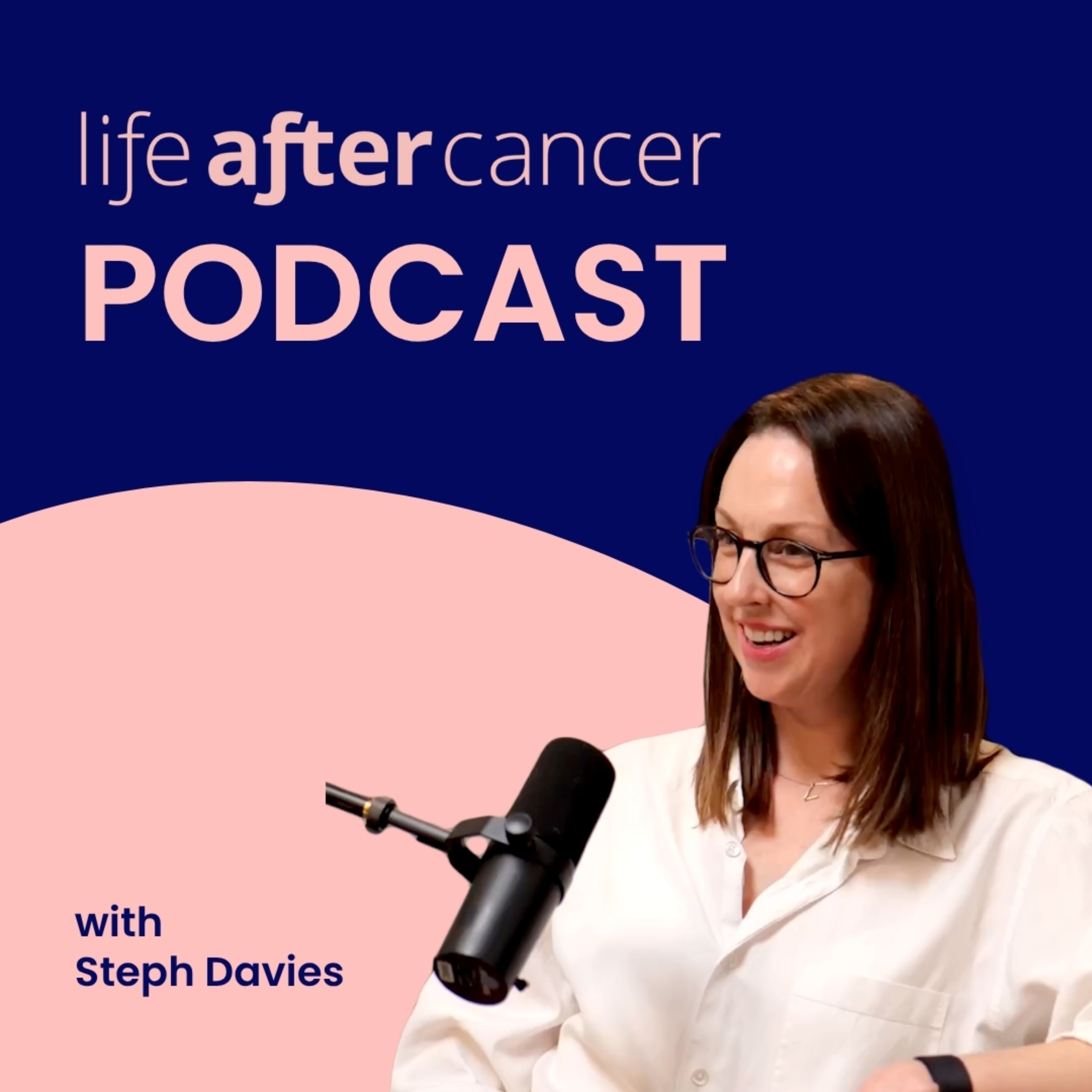
Life after Cancer Podcast
by Life after Cancer
Life after Cancer is a podcast series created by Life after Cancer and supported by The National Lottery Community Fund.This podcast is for people who have finished treatment and find themselves asking: “What now?” We’re not focusing on diagnosis or treatment. We’re talking about life after, when everyone else thinks things are “back to normal” - but they’re not.Each episode brings together lived experience and professional insight to explore the emotional and practical parts of life after cancer that don’t always get talked about.
-
6
Returning to Work After Cancer: What I Wish I'd Known
"Returning to work is not a single episode. It's part of a much longer journey. It's almost like a Netflix series - each episode brings something different. So don't just prepare for that single episode - prepare for the series."Going back to work after cancer treatment can bring a lot of questions.What are my rights at work?What support can I ask for?What practical steps can I take to make returning to work easier?In this episode, Steph sits down with Tabitha Luxmoore-Styles and HR Director Lisa Wade to talk about what can help when returning to work after cancer, from managing fatigue and brain fog to setting boundaries, flexible working, and understanding your legal rights at work.Tabitha shares her experience of navigating work while still managing long-term side effects after cancer treatment, including how she communicated her needs, built buffers into her working week, managed her energy, set clear boundaries, and advocated for herself in the workplace.Lisa, HR Director at Radisson Hotel Group, shares both professional insight and lived experience after her own breast cancer diagnosis. Together, we discuss practical steps to take before returning to work, what supportive workplaces look like, why return-to-work plans sometimes fail and how the Equality Act protects people diagnosed with cancer in the workplace, both during and after treatment.In this episode we talk about:- Practical steps to take before returning to work after cancer- How to create a return-to-work plan that works for you- Fatigue, brain fog, hormone treatment, and the long-term side effects that can affect work- How confidence, priorities, and identity can change after cancer- Your rights under the Equality Act and how you're legally protected if you've had cancer- What employers are required to do when supporting someone returning after cancer-Reasonable adjustments and examples of support that can make work more manageable- What to do if reasonable adjustments are refused- How to communicate your needs and have conversations with your manager- Why returning to work is a journey, not a single eventWhether you're preparing to return to work, already back and finding it harder than expected, or supporting someone after cancer treatment, this episode offers practical advice, reassurance, and clear information about your rights, options, and the support available to help make work more manageable.Useful links:You can find practical tools, exercises, and further support related to this episode hereDisclaimerThe information shared in this podcast is for general informational purposes only and does not constitute medical advice. If you have any concerns about your health or notice any new or worsening symptoms, please contact your GP or your medical team.Statements made by Tabitha are based on her personal experience and are anecdotal. Information shared by Lisa reflects both her personal experience and her professional expertise working in People Operations and workplace support.Connect with usWebsite: https://www.life-aftercancer.co.ukInstagram: https://www.instagram.com/life_aftercancer/Timestamps: 00:00 Introduction00:51 Why returning to work after cancer is so challenging03:06 Tabitha's experience of working during and after treatment07:07 Why work feels different after cancer09:47 The importance of building in buffers12:50 Fatigue, brain fog and managing your energy at work15:23 What employers often get wrong17:58 Understanding your rights at work after cancer21:36 Confidence, identity and career after cancer25:52 Redefining success at work29:24 What a good return-to-work plan looks like35:25 Reasonable adjustments and legal protections43:16 What if your employer refuses adjustments?44:10 What helped most when returning to work?47:45 Practical checklist before you return to work51:37 Fear of recurrence in the workplace53:37 Quick fire round59:32 Key takeaways and final thoughts
-
5
Cancer fatigue after treatment: What helps
“The fatigue after cancer was far worse and lasted far longer than I expected. I couldn’t even lift a kettle.”In this episode, Steph sits down with Jonathan Parkyn, a writer from East London who is 18 months post treatment for head and neck cancer, to talk about severe fatigue, losing his sense of taste, and what helped him adjust to life after treatment.He shares how he learned to manage his energy, set boundaries, and why journalling became such an important part of recovery, alongside humour and speaking to people who truly understood what he was going through.In this episode we talk about:- cancer fatigue and the exhaustion that can continue long after treatment ends- changes to taste, eating, and everyday life after cancer- learning how to manage limited energy and set boundaries- finding humour, connection, and support through people who understood- journalling and the coping tools that helped Jonathan after treatmentThis is a conversation about the reality of life after cancer, the unexpected challenges recovery can bring, and the small things that can help along the way.Whether you’re navigating life after cancer yourself or supporting someone who is, this episode offers honesty, reassurance, and a reminder that these experiences are more common than many people realise.Useful linksYou can find practical tools, exercises, and further support related to this episode here: http://life-aftercancer.co.uk/cancer-fatigue-after-treatment-what-helpsDisclaimerThe information shared in this podcast is for general informational purposes only and does not constitute medical advice. If you have any concerns about your health or notice any new or worsening symptoms, please contact your GP or your medical team.Statements made are based on Jonathan’s personal experience and are anecdotal.Connect with usSubscribe here: https://www.youtube.com/@life-aftercancerWebsite: https://www.life-aftercancer.co.ukInstagram: https://www.instagram.com/life_aftercancer/LinkedIn: https://www.linkedin.com/company/life-after-cancer
-
4
How to be kinder to yourself after cancer
Talking about self-compassion after cancer. How to be less hard on yourself, soften self-criticism and navigate life after treatment when things feel harder than expected.Recovery isn’t always straightforward. Expectations change, things don’t go to plan, and sometimes, life isn’t what was expected. That can bring a lot of pressure and a really tough inner voice.In this episode of the Life after Cancer podcast, Steph talks with Dr Caroline Hoffman, an integrative oncology specialist and mindful self‑compassion teacher, along with Karen Sergeant, who shares her experience of navigating life after treatment.Together, they talk about the pressure to “bounce back” after cancer, the loneliness that can come when you don’t feel okay, and why self-compassion can matter so much after treatment.We talk about:-feeling flat, frustrated, or “behind” after treatment-when life after cancer doesn’t look how you imagined-the pressure to “get back to life” and “make the most of it”-why being hard on yourself is so common after cancer-what self-compassion can look like in everyday life-simple self-compassion practices for difficult moments-learning to notice self-criticism, comparison, and people-pleasing-feeling pressure to appear grateful or positive after treatment-finding support from people who understand life after cancer-learning to accept what you’re feeling instead of pushing it awayThis conversation is for anyone navigating life after cancer who finds themselves being hard on themselves, as well as friends, family, and professionals wanting to better understand life after treatment. It offers language, examples, and simple tools for difficult moments.Useful linksYou can find practical tools, exercises, and further support related to this episode here:https://www.life-aftercancer.co.uk/being-kinder-to-yourself-after-cancerDisclaimerThe information shared in this podcast is for general informational purposes only and does not constitute medical advice. If you have any concerns about your health or notice any new or worsening symptoms, please contact your GP or your medical team.Some of the research and evidence mentioned in this episode reflects the speaker’s academic and clinical work.Research, studies, and evidence mentioned throughout this episode can be found on our website:https://www.life-aftercancer.co.uk/being-kinder-to-yourself-after-cancerSome references are linked to the speaker’s academic and clinical work, and we may continue to add further sources and reading over time.Connect with usSubscribe here: https://www.youtube.com/@life-aftercancerWebsite: https://www.life-aftercancer.co.ukInstagram: https://www.instagram.com/life_aftercancer/LinkedIn: https://www.linkedin.com/company/life-after-cancerTimestamp: 00:00 - Introduction00:51 - Why life after cancer can feel harder than expected01:52 - Karen’s experience after treatment ended05:22 - Why so many people struggle after treatment09:09 - Why we’re so hard on ourselves after cancer14:27 - What self-compassion actually means17:04 - The 3 parts of mindful self-compassion23:31 - Can self-compassion improve wellbeing after cancer25:25 - Karen on self-criticism and trying to “get on”27:01 - Finding support and real understanding31:32 - What self-compassion looks like in everyday life37:14 - “How would you treat a friend?” exercise40:57 - Guided self-compassion break47:02 - What to say to yourself on difficult days50:32 - Advice for anyone being hard on themselves52:10 - Expectations vs reality after cancer treatment56:32 - What helped most after treatment59:14 - “It’s like landing in a foreign city without a map”1:00:02 - What people said that wasn’t helpful1:03:55 - A message to her post treatment self1:05:33 - What healthcare professionals need to understand1:07:51 - Final reflections
-
3
How cancer changes your relationship with your body
After cancer treatment ends, your body can feel completely different.You might feel frustrated by what it can and can’t do.You might feel older, weaker, or disconnected from yourself.And at the same time, you might also feel grateful for what your body has carried you through.In this episode, Steph sits down with Stephanie Thomas, who shares her experience after treatment for triple negative breast cancer, alongside Dr Lauren Heathcote, Associate Professor of Health Psychology at King’s College London.Together, they explore how cancer can change the way you see your body, and why that can shape everyday life after treatment.Stephanie shares what it felt like when her body didn’t respond in the way she expected after treatment, including physical changes, early menopause, and the slow process of rebuilding trust in herself again.Dr Lauren discusses research showing that many people hold two beliefs about their body at the same time - that it worked against them, and that it helped them get through cancer - and how these beliefs can shape fear of recurrence, pain, and how safe or unsettled someone feels in their body.During the episode we talk about:- why your relationship with your body can change after cancer- holding mixed feelings about your body after treatment- learning to see your body as capable again- small ways to support yourself after treatment- the role of community and speaking to people who understandThis is a conversation about living in your body after cancer when things no longer feel the same, and finding your way through that.Whether you’re navigating life after cancer yourself or supporting someone who is, this episode offers insight, reassurance, and a reminder that these experiences are more common than many people realise.Useful links:You can find practical tools, exercises, and further support related to this episode here: https://www.life-aftercancer.co.uk/body-after-cancer-mindset-and-identityDisclaimerThe information shared in this podcast is for general informational purposes only and does not constitute medical advice. If you have any concerns about your health or notice any new or worsening symptoms, please contact your GP or your medical team. Some of the research and evidence mentioned in this episode reflects the speaker’s academic and clinical work. Research, studies, and evidence mentioned throughout this episode can be found on our website: https://www.life-aftercancer.co.uk/body-after-cancer-mindset-and-identitySome references are linked to the speaker’s academic and clinical work, and we may continue to add further sources and reading over time.Connect with usSubscribe here: https://www.youtube.com/@life-aftercancerWebsite: https://www.life-aftercancer.co.ukInstagram: https://www.instagram.com/life_aftercancer/LinkedIn: https://www.linkedin.com/company/life-after-cancerTimestamp:00:00 Welcome to Life after Cancer00:52 When your body feels different after cancer03:19 Stephanie’s cancer experience04:10 Common challenges after treatment06:28 Not trusting your body after cancer08:04 What mindset really means09:32 Mindset vs toxic positivity11:10 Feeling disconnected from your body15:02 Why the way we see our body matters17:13 Feeling isolated after treatment19:30 Finding people who understand23:18 How people describe their body after cancer27:05 When thoughts about your body feel unhelpful28:44 Starting small and rebuilding confidence31:24 Helpful mindsets after cancer34:14 “Say it, prove it, do it”37:47 Rebuilding trust in your body40:18 Mind and matter after cancer42:55 Self-compassion after treatment47:50 Quick reflections on life after cancer54:19 Final thoughts and support
-
2
Worried your cancer will come back? What helps with fear of recurrence
Feeling afraid that cancer might come back is very common after treatment, and it can feel especially strong around symptoms, scans, anniversaries or other reminders.Blending lived experience with expert insight, Steph speaks with Tabitha Luxmoore-Styles about her experience of living with fear of recurrence, alongside Dr Lidia Schapira, medical oncologist and Professor of Medicine at Stanford University, who shares why fear of recurrence is so common after treatment, why fear can feel stronger after treatment ends, and some practical tools you can use when the worry feels overwhelming.We talk about:common triggers, including symptoms, scans, anniversaries and external reminders such as news stories or other people’s diagnoseshow to manage spiralling “what if it’s back?” thoughts in the momentwhat can help when every ache or pain starts to feel loaded with meaningliving with uncertainty and finding ways for fear to take up less space in your day-to-day lifehow to talk to your doctor or healthcare team when you feel overwhelmed by worrywhen fear of recurrence may need extra support, such as therapy, groups or specialist inputWhether this is something you’re navigating yourself or you’re supporting someone you care about, this is a conversation many people recognise, even if it’s not always talked about out loud.Useful linksYou can find practical tools, exercises, and further support related to this episode here: https://www.life-aftercancer.co.uk/fe...DisclaimerThe information shared in this podcast is for general informational purposes only and does not constitute medical advice. If you have any concerns about your health or notice any new or worsening symptoms, please contact your GP or your medical team. Some of the research and evidence mentioned in this episode reflects the speaker’s academic and clinical work. Research, studies, and evidence mentioned throughout this episode can be found on our website: https://www.life-aftercancer.co.uk/fe...Some references are linked to the speaker’s academic and clinical work, and we may continue to add further sources and reading over time.Connect with usWebsite: life-aftercancer.co.ukInstagram: @life_aftercancerLinkedIn: linkedin.com/company/life-after-cancerTimestamps00:00 - Introduction00:49 - Why fear of cancer recurrence can feel overwhelming03:01 - Why fear often increases after treatment ends06:21 - Common triggers including scans, symptoms and anniversaries07:43 - How to manage fear when worry starts spiralling13:31 - How to think about recurrence statistics18:17 - Does worrying protect us in any way?19:42 - When fear starts affecting quality of life21:37 - Feeling unsafe in your own body after cancer32:52 - What research shows can help34:41 - Learning to live with uncertainty38:17 - What genuinely helped with fear of recurrence41:26 - Advice for someone in their first year after treatment44:36 - Why fear of recurrence needs to be talked about more47:13 - Quick fire round and practical tools
-
1
Why life after cancer can feel harder than treatment
When cancer treatment ends, it can feel like things are meant to get easier. For many people, this is when new challenges begin, and things can feel harder than the treatment itself.In this episode, Steph sits down with Alison Carter, a member of the Life after Cancer community, to talk about what life after cancer treatment really felt like for her.Alison was diagnosed with breast cancer in 2017. She is now eight years after treatment, and reflects on the part that often catches people off guard - the emotional and mental recovery that begins once treatment has finished. She speaks openly about going back to work too soon, living with brain fog and cognitive changes, and the anxiety that can show up in everyday moments.This conversation also explores:- going back to work after cancer and the pressure to feel “back to normal”- chemo brain, memory changes and loss of confidence- anxiety after cancer treatment and what helps in the moment- menopause and ongoing treatment side effects- body image and the small ways we try to regain a sense of control- the quiet process of working out who you are nowAlison also shares what helped her most during this time, including the importance of connection with people who understand what this stage really feels like.This is a conversation about the part of recovery that isn’t always visible and why life after cancer can feel more overwhelming than expected. If you’re navigating life after cancer treatment, or supporting someone who is, you’re not alone in this.Useful linksYou can find practical tools, exercises, and further support related to this episode here: https://www.life-aftercancer.co.uk/life-after-cancer-harder-than-treatmentDisclaimerThe information shared in this podcast is for general informational purposes only and does not constitute medical advice. If you have any concerns about your health or notice any new or worsening symptoms, please contact your GP or your medical team. Statements made are based on Alison’s personal experience and are anecdotal. For general information on hormone therapies such as tamoxifen and letrozole, see: https://www.cancerresearchuk.org/about-cancer/breast-cancer/treatment/hormone-therapyConnect with usWebsite: life-aftercancer.co.ukInstagram: @life_aftercancerLinkedIn: linkedin.com/company/life-after-cancer
-
0
Chemo brain after cancer: Why it happens and what helps
Have you ever walked into a room and forgotten why you’re there? Lost your words halfway through a sentence, or read the same email three times and still not taken it in?At some point, you might start wondering:Why is my memory worse?Is this normal?Will it get better?In this episode, Steph is joined by Rosie Grainger and Professor Nazanin Derakhshan to talk about cancer-related cognitive changes, often referred to as chemo brain.Rosie shares what it’s been like to return to work as a doctor while her brain does not feel the same and Professor Naz brings research and clinical insight to help make sense of why these changes happen, what can make them worse, and what can help.Together, they talk about the impact of cognitive changes on work, parenting, confidence, and everyday life, and why so many people end up doubting themselves when this part of recovery is not spoken about enough.Inside the episode, we talk about:what chemo brain can feel like day to daywhy cognitive changes can happen after cancer treatment, not only after chemotherapyhow memory, focus, and mental fatigue can affect work and home lifewhy these changes are often confused with menopause, stress, or ageingthe effect on confidence, identity, and self-trustpractical ways to support your brain and make everyday life feel more manageableIf you’ve been wondering whether this is “just you”, this episode is a reminder that it isn’t.Useful linksYou can find practical tools, exercises, and further support related to this episode here: life-aftercancer.co.uk/chemo-brain-memory-after-cancerDisclaimerThe information shared in this podcast is for general informational purposes only and does not constitute medical advice. If you have any concerns about your health or notice any new or worsening symptoms, please contact your GP or your medical team.Some of the research and evidence mentioned in this episode reflects the speaker’s academic and clinical work. References, practical tools, and further resources linked to this conversation can be found on the episode webpage: life-aftercancer.co.uk/chemo-brain-memory-after-cancerConnect with usSubscribe here: youtube.com/@life-aftercancerWebsite: life-aftercancer.co.ukInstagram: @life_aftercancerLinkedIn: linkedin.com/company/life-after-cancer
We're indexing this podcast's transcripts for the first time — this can take a minute or two. We'll show results as soon as they're ready.
No matches for "" in this podcast's transcripts.
No topics indexed yet for this podcast.
Loading reviews...
ABOUT THIS SHOW
Life after Cancer is a podcast series created by Life after Cancer and supported by The National Lottery Community Fund.This podcast is for people who have finished treatment and find themselves asking: “What now?” We’re not focusing on diagnosis or treatment. We’re talking about life after, when everyone else thinks things are “back to normal” - but they’re not.Each episode brings together lived experience and professional insight to explore the emotional and practical parts of life after cancer that don’t always get talked about.
HOSTED BY
Life after Cancer
Loading similar podcasts...
Frequently Asked Questions
How many episodes does Life after Cancer Podcast have?
Life after Cancer Podcast currently has 7 episodes available on PodParley. New episodes are automatically indexed when they're published to the podcast feed.
What is Life after Cancer Podcast about?
Life after Cancer is a podcast series created by Life after Cancer and supported by The National Lottery Community Fund.This podcast is for people who have finished treatment and find themselves asking: “What now?” We’re not focusing on diagnosis or treatment. We’re talking about life after, when...
How often does Life after Cancer Podcast release new episodes?
Life after Cancer Podcast has 7 episodes. Check the episode list to see recent publication dates and frequency.
Where can I listen to Life after Cancer Podcast?
You can listen to Life after Cancer Podcast on PodParley by clicking any episode. We provide an embedded audio player for direct listening, and you can also subscribe via your preferred podcast app using the RSS feed.
Who hosts Life after Cancer Podcast?
Life after Cancer Podcast is created and hosted by Life after Cancer.
URL copied to clipboard!