
PODCAST · health
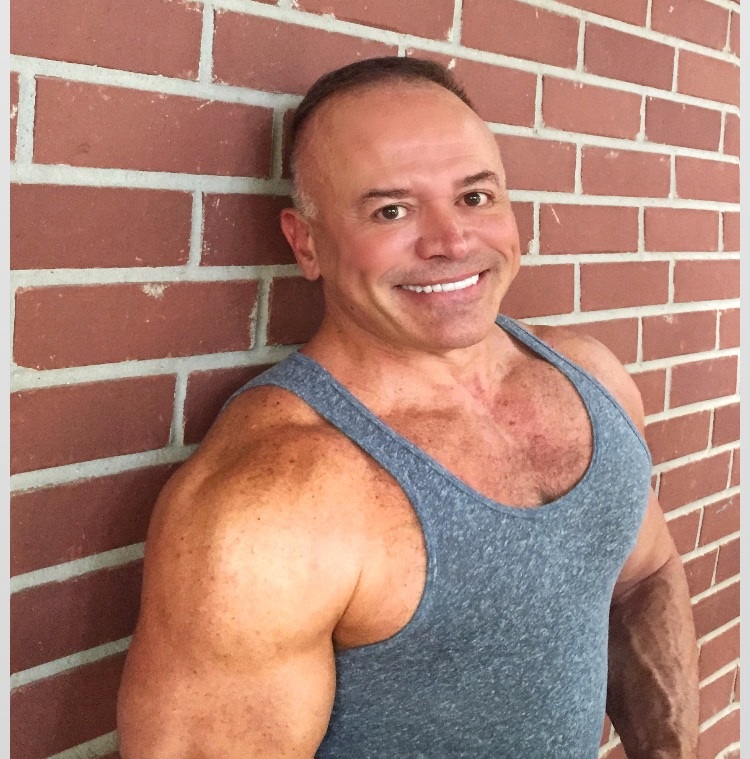
Nelson Vergel Beyond Testosterone Podcast
by Nelson Vergel
Nelson Vergel covers topics ranging from testosterone replacement therapy (TRT), Trimix injections use for ED, HCG use for better fertility and libido, estradiol management, thyroid function optimization, peptide information, exercise routines, the best supplements for men, effective diets, TRT side effect management, and much more.
-
8
Peptide Underground: Men Skipping Doctors to Hack Aging
Explore the controversial world of peptide biohacking where thousands of men bypass traditional medical systems to self-administer gray-market compounds aimed at reversing aging, healing injuries, and altering body composition. This episode follows Nelson Vergel and the Excel Mail community as they navigate evidence tiers, risks like endotoxin contamination and cancer concerns, and the shifting 2026 regulatory landscape — from secretagogues and tissue-repair peptides to GLP-1 weight-loss drugs and experimental mitochondrial therapies.
-
7
The Weight Training Myths That Science Just Put to Rest
The gym has lied to you for decades. The American College of Sports Medicine just dropped their first major resistance training update in 17 years — and the findings completely overturn what most people think they know about building muscle. Based on 137 systematic reviews and over 30,000 participants, the new science is simpler, more accessible, and more empowering than anything you've seen on social media. 🧠 WHAT YOU'LL LEARN: - Why the 8–12 rep rule is officially a myth (and what actually builds muscle) - How lighter weights can be just as effective for hypertrophy as heavy ones - Why you don't need a gym, a barbell, or even a workout plan to get results - The silent muscle loss that begins at age 30 — and how to stop it - The exact 20-minute routine the new guidelines say is enough to transform your health ⚠️ DISCLAIMER: This content is for educational purposes only and is based on published scientific research. It does not constitute medical advice. Consult a qualified healthcare provider before beginning any exercise program, especially if you have a pre-existing medical condition or injury.
-
6
Ibogaine and the Brain Factory
This podcast episode discuss ibogaine, a psychoactive alkaloid derived from African plants that shows significant potential for treating addiction, PTSD, and traumatic brain injuries. Unlike traditional maintenance drugs, ibogaine acts as a "neurological reboot" by interrupting withdrawal symptoms and fostering deep psychological introspection. Recent clinical research, specifically the Stanford MISTIC protocol, demonstrates that co-administering magnesium can mitigate the substance's primary risk of cardiac toxicity. Advanced neuroimaging indicates that the treatment facilitates a "posterior shift" in brain waves, allowing the mind to release rigid trauma loops and repair damaged neural circuits. While it remains a Schedule I substance in the United States, recent federal executive orders and state-funded initiatives in Texas are accelerating the development of pharmaceutical analogs. These synthetic versions aim to preserve the medicine’s restorative benefits while eliminating its long hallucinogenic duration and heart risks. #ibogaine #psychedelic
-
5
The Psychedelic Medicine Pipeline 2026: Setbacks and Progress
By early 2026, the psychedelic medicine sector has entered a critical period of clinical and regulatory maturation marked by both significant breakthroughs and institutional challenges. While the FDA’s rejection of MDMA-assisted therapy necessitated stricter trial designs across the industry, Compass Pathways achieved a historic milestone with the first successful Phase 3 psilocybin results. Major pharmaceutical players have signaled confidence in the field, highlighted by AbbVie's billion-dollar acquisition of a novel tryptamine program. Multiple substances, including LSD, DMT, and ketamine derivatives, are currently advancing through late-stage testing for conditions like depression, anxiety, and PTSD. Consequently, a potential shift toward streamlined FDA approval policies may soon allow these once-stigmatized compounds to enter the mainstream medical market. Currently, the landscape is defined by a diverse pipeline of breakthrough-designated therapies nearing final regulatory decisions.
-
4
Nitric Oxide: The Ultimate Vitality Moecule
The episode captures a discussion on nitric oxide (NO) biology and highlights the molecule's profound importance in metabolic health and chronic disease reversal. It explains that a deficiency in this "miracle molecule" leads to a recognizable hierarchy of symptoms, often beginning with erectile dysfunction and progressing to severe conditions like hypertension and insulin resistance. Experts in the field criticize the supplement industry, arguing that products using arginine or beet juice are largely ineffective because they fail to restore the body’s natural NO production pathway, which is damaged by common factors like high sugar intake and the use of acid blockers (PPIs). Instead of symptom management, many expert advocate for a restorative physiological approach, using science-backed technology to replace lost NO and pursuing FDA-approved NO drug therapies for illnesses such as Alzheimer’s and non-healing diabetic wounds. This work aims to shift the narrative from ineffective drug cocktails to addressing the root cause of endothelial dysfunction.
-
3
The Hidden Reason Testosterone Works Better for Some Men
In this comprehensive episode, you will learn: 1. A Deep Dive into the Science: Uncover exactly how the Androgen Receptor gene works and why this single genetic marker has such a massive and wide-ranging impact on a man's life. 2. Are You High or Low?: Explore the average CAG repeat numbers for different global populations—including European (21), African (17), and Asian (23)—and understand what the "normal" range is. 3. Testing Options Explained: Learn about the types of genetic tests available, their cost, and how you can have an informed discussion with your doctor about getting tested. 4. Actionable Steps: Discover how to interpret your potential results and what they mean for optimizing your health, energy, and vitality—whether you are currently on TRT or not.
-
2
Natural Thyroid Medicine Under Threat by the FDA: What You Can Do Now
The FDA has just dropped a bombshell that could affect nearly 2 million Americans taking natural thyroid medication. In a controversial move, they've reclassified desiccated thyroid extract, or DTE, as a biologic rather than a traditional drug. This means compounding pharmacies have exactly one year before they must stop making the customized thyroid medications that countless patients depend on. Critics are calling foul, arguing the decision is based on an inactive pig protein that gets digested in your stomach anyway, and pointing out that the real active ingredients - T4 and T3 hormones - haven't changed. What's really raising eyebrows is that this shift appears linked to a petition from AbbVie, the company behind brand-name Armour Thyroid, potentially setting up a monopoly situation.
-
1
Penile Injections for Erectile Dysfunction: What You Need to Know
This episode reviews information from Dr. Ryan Flannigan, a urologist specializing in reproductive and sexual medicine, and provides a comprehensive overview of penile injection therapy for erectile dysfunction. He details what the treatment entails, including common medications like Trimix and Bimix, and how it works by locally stimulating blood flow and muscle relaxation within the penis. The video outlines reasons for considering this therapy, such as failure of other treatments or nerve damage from prostate cancer, alongside contraindications like dexterity issues or bleeding disorders. A significant portion of the video is dedicated to a step-by-step guide on performing the injection safely, from preparing the medication and the injection site to delivering the dose. Finally, Dr. Flannigan addresses the critical risk of priapism (prolonged erection), explaining its dangers and providing detailed instructions on prevention and management, including when to seek emergency medical attention.
-
0
Unraveling Testosterone Therapy: Myths, Risks, and the Future
Join us as we dive into the world of testosterone therapy with insights from Dr. Khera a leading voice in men's health. With over 100 published articles, Dr. Khera brings credibility and depth to this crucial discussion. This episode serves as "Testosterone 101," cutting through the noise to explore the real risks, benefits, and the latest guidelines. We address common myths surrounding testosterone therapy, such as its links to blood clots, heart attacks, and prostate cancer. Dr. Kara's research provides a nuanced perspective, challenging outdated assumptions and offering a comprehensive view of hormonal health. Explore the impact of testosterone on fertility and the natural contraceptive effects it can have. We discuss alternative options like clomiphene citrate and HCG for those wanting to boost testosterone while preserving fertility. Discover the "four pillars of testosterone optimization"—diet, exercise, sleep, and stress reduction—and how they can naturally enhance testosterone levels. Dr. Khera emphasizes the importance of these lifestyle changes in creating a balanced hormonal environment. Looking to the future, we delve into exciting possibilities like nanotechnology and stem cell research that could revolutionize testosterone therapy. Imagine a future where lifespan is extended and hormonal health is restored naturally. As we wrap up, the key takeaway is the importance of personalized medicine. Every individual is different, and having a knowledgeable doctor is essential for tailored treatment. Stay informed, stay curious, and make empowered decisions about your health.
-
-1
Neurotransmitters Involved in Erectile Function & Libido
This podcast episode provides an extensive discussion on the complex interplay of factors influencing male sexual function, particularly sex drive and erection quality, beyond just testosterone. It outlines the neurochemical symphony involving dopamine, serotonin, testosterone, oxytocin, and vasopressin, explaining their individual roles and interactions within the hypothalamic command center. Furthermore, the text identifies multifactorial influences on sexual dysfunction, such as obesity, diabetes, cardiovascular disease, sleep deprivation, and stress. Finally, it addresses clinical implications and treatment approaches, emphasizing lifestyle interventions, testosterone therapy considerations, and sleep optimization, underscoring that optimal sexual health is deeply interconnected with overall physical and mental well-being.
-
-2
How Your Circadian Clock Affects Your Testosterone- Deep Dive
This Beyond Testosterone podcast episode comes from an academic review article from the Asian Journal of Andrology, published in September-October 2025. This article, titled "Regulation of testosterone synthesis by circadian clock genes and its research progress in male diseases," examines the relationship between circadian rhythms and testosterone production in males. It explores how circadian clock genes centrally and peripherally regulate testosterone synthesis and secretion, and how disruptions in these rhythms are linked to various male health issues, including late-onset hypogonadism, erectile dysfunction, male infertility, and prostate cancer. The authors also discuss potential therapeutic approaches, such as chronotherapy and non-pharmacological interventions, for these conditions based on circadian rhythmicity. The episode concludes by highlighting current limitations in research and suggesting future directions for investigation.
-
-3
Everything You Need to Know About Testosterone Replacement Therapy
This episode summarizes the key information presented in the "Low Testosterone Causes and Treatments" lecture by Nelson Vergel from ExcelMale.com. It covers the definition of low testosterone, its health risks, diagnostic methods, and treatment options, emphasizing practical advice and addressing common misconceptions. Understanding Low Testosterone: Causes, Diagnosis, and Treatment – Summary What is Testosterone Deficiency? Testosterone, the principal male sex hormone (androgen), is also found in women at much lower levels. It influences hair growth, liver protein synthesis, sexual and reproductive health, mood, muscle strength, bone density, and red blood cell production. The decline in testosterone typically starts at ages 30-40, gradually dropping about 1.2% per year. Defining Low Testosterone & Health Risks Normal male levels: 350–1,100ng/dL. For women: 10–50ng/dL. Symptoms: Decreased libido and sexual function, fatigue, mood disturbances, muscle and bone loss, increased fat, concentration and memory problems. Risks begin to emerge under 300–350ng/dL: Higher metabolic syndrome, erectile issues, mortality, anemia, diabetes/fractures/depression, and arterial problems. Diagnosis: Thresholds & Testing Definitions vary (European, Endocrine Society, insurers) but generally <300–350ng/dL is considered low. Diagnosis: Two morning, fasting total and free testosterone tests. LH, FSH help distinguish primary (testicular) vs. secondary (pituitary/hypothalamic) hypogonadism. Additional tests: PSA, lipid panel, CBC, estradiol, prolactin. Physiology & Hormonal Interactions Testosterone is produced via the hypothalamic-pituitary-testicular axis, starting from cholesterol. Most testosterone circulates bound to proteins (SHBG, albumin); only 2% is “free” and bioactive. Conversion products (DHT, estradiol) profoundly affect male health, especially bone, fat, and cognitive function. Causes of Low Testosterone Common causes include aging, obesity, diabetes, chronic illness (liver/kidney/COPD), sleep apnea, drugs (steroids, opiates), genetics, environmental toxins, and other hormonal deficiencies. Sleep quality, weight, and exercise are key modifiable factors. Treatment Benefits Normalizing testosterone may improve sexual interest, mood, cognitive function, cardiovascular health, muscle mass, inflammation, glucose control, and quality of life. Most benefits manifest within weeks to months. Potential Risks and Contraindications Risks: Acne, oily skin, decreased HDL cholesterol, increased red blood cells (hematocrit: may require blood donation), rare gynecomastia, male pattern baldness, sleep apnea, anxiety, water retention, reduced fertility. Contraindications: Untreated sleep apnea, high baseline hematocrit (>50%), high PSA or prostate cancer, certain blood clotting disorders. Treatment Options Gels: Easy, stable but risk of skin transfer, variable absorption. Injections: More consistent, cheaper; newer dosages and subcutaneous techniques minimize “peak and valley” side effects. Pellets: Longer duration, minor procedure required. Nasal, oral, patches: Less popular due to side effects or convenience. Compounded medications: Custom options (especially for women), growing regulation. Speaker’s Practical Advice Monitor hematocrit closely. Never “cycle” TRT. Use simple injection techniques. Protect fertility with HCG. Question testosterone boosters and avoid untested supplements. Stay informed on new medical information and guidelines. Ancillary Therapies TRT may be combined with thyroid meds, HCG, vitamin injections, ED drugs, and other agents to optimize results.
-
-4
Demystifying Testosterone for Women
This episode addresses common misconceptions about testosterone, particularly regarding its role in women's health. She explains that testosterone is present in all bodies, not just male, and that administering testosterone to women is not illegal in the U.S., despite the lack of FDA-approved female-specific doses. Dr. Casperson clarifies that physiological female doses will not masculinize women and highlights that testosterone's benefits extend beyond libido, influencing mood, cognition, and energy. Finally, she debunks the idea that testosterone therapy negatively impacts fertility or is only for postmenopausal women, noting its linear decline with age starting in the twenties.
-
-5
Ibogaine: Is it the Solution to Addiction Treatment?
This podcast episode discussed Ibogaine, a powerful psychedelic with significant potential for treating addiction, trauma, and various mental health and neurological conditions. The conversation highlights Ibogaine's historical use, its unique therapeutic mechanisms, and the current landscape of its clinical application and policy in Brazil and the United States. Key themes include Ibogaine's efficacy, the critical need for safe and professionally supervised administration, challenges related to cost and stigma, and the urgent call for systemic reforms to healthcare and drug policy to maximize its accessibility and impact. The overarching message emphasizes Ibogaine's potential for "human restoration" and its role as a "genuine emancipation medication" against the backdrop of current, often ineffective, treatment models.
-
-6
Results of the Largest Study on Declining Male Fertility and Hormonal Trends
This podcast episode talks about new research showing that men’s hormone levels—specifically testosterone and luteinizing hormone (LH)—have dropped a lot over the past 50 years. The study looked at data from over a million healthy men and found that this drop isn’t just because men are older or heavier today. Previous studies already showed that sperm quality is getting worse, but this new research suggests that the problem starts higher up, in the brain areas that control hormone production. Scientists aren’t sure exactly why this is happening. They looked at things like environmental changes and shifts in the population but couldn’t find a clear explanation, so it’s probably caused by many things working together. In summary, healthy men today have much lower key hormone levels than men did decades ago, and researchers are still trying to figure out why.
-
-7
FDA Expert Panel on Menopause and HRT Recommends Removing Black Box Labels
This episode presents an overview of an FDA hearing on menopause, prompted by a campaign addressing the "black box" warning on vaginal estrogen products. This warning, despite evidence suggesting its safety and localized effect, has deterred both doctors and patients from utilizing it, leading to significant health issues like recurrent UTIs. The discussion also challenged the lingering misinformation from the 2002 Women's Health Initiative study, which incorrectly linked hormone therapy to severe risks based on a study of an older demographic. Furthermore, the hearing highlighted the lack of FDA-approved testosterone for women, forcing off-label prescriptions, and underscored the importance of comprehensive education for healthcare providers and patients on menopause management. The speaker also noted the absence of discussion on progesterone and emphasized the need for a collaborative healthcare ecosystem involving researchers, regulatory bodies, payers, clinicians, and patients to improve women's health outcomes.
-
-8
Treating Low Testosterone in Women: Why Has the FDA Not Approved Products Yet?
This podcast episode discussed how to treat low testosterone in women, detailing its symptoms such as decreased libido, fatigue, and mood changes, which are often overlooked despite affecting many women, particularly post menopause. It explains various treatment options, including different forms of testosterone replacement therapy, noting that no FDA-approved treatments currently exist specifically for women, leading to off-label prescriptions. The text also addresses potential side effects of testosterone therapy, emphasizing dose-dependence, and discusses controversies surrounding hormone treatments for women, particularly concerning past studies on estrogen and progesterone and the need for more research on testosterone's effects on cardiovascular health and cancer risk.
-
-9
Become a TRT Expert with the Beyond Testosterone Illustrated Guide by Nelson Vergel
Discover the Secrets of Hormone Health—Listen Now! Unlock the power of real knowledge with our latest podcast episode, where we unpack the groundbreaking resource, Beyond Testosterone: The Illustrated Guide by Nelson Vergel. Are you ready to take control of your health in a world overflowing with confusing and often contradictory information? This episode is your front-row seat to expert insights, captivating stories, and practical strategies that can transform the way you approach hormone health. Join our conversation as we explore why this guide stands apart from every other health book on your shelf. Dive into the visually stunning, 427-page manual praised for its vibrant illustrations and crystal-clear explanations that make even the most complex hormone science accessible and engaging. Hear how author and health advocate Nelson Virgil, whose personal journey through a decades-long battle with HIV became the catalyst for his groundbreaking work, harnesses both cutting-edge research and the shared wisdom of a global online community. We don’t just skim the surface. This episode covers everything from the basics of testosterone for men and women to advanced insights on fertility, thyroid function, mental health, and much more. Discover how this living resource—with dynamic QR links to continually updated videos, articles, and real-world case discussions—empowers patients and clinicians alike to take informed, confident actions. If you’re craving a podcast that doesn’t just inform, but inspires and equips you with the tools for genuine wellness, you won’t want to miss this one. Tune in and see how one exceptional guide—and one passionate community—can help you reclaim vitality, make sense of your lab results, and navigate your health journey with confidence. Your well-being deserves this level of depth. Press play and start your transformation!
-
-10
How to Lower High Hematocrit Caused by Testosterone Replacement Therapy (TRT)
This podcast episode from ExcelMale.com provides an extensive overview of high hematocrit, a condition involving an elevated percentage of red blood cells in the blood, often associated with testosterone replacement therapy (TRT). It explains what hematocrit is, its normal ranges, and why TRT can lead to increased levels, detailing the risks of high hematocrit, such as blood clots and stroke. The text also explores whether hematocrit can stabilize with long-term TRT and, most significantly, offers multiple strategies to lower high hematocrit, including blood donation, dose adjustment, hydration, and addressing underlying health issues like sleep apnea. Ultimately, it emphasizes the importance of monitoring hematocrit levels to mitigate cardiovascular risks for individuals on TRT.
-
-11
What is the Testosterone Dose for Muscle Growth?- Groundbreaking Study Review
In a YouTube video, Nelson Vergel reviews a 2001 study published in the American Journal of Physiology, Endocrinology, and Metabolism by Dr. Bhasin, focusing on the optimal testosterone dose for men. The study involved 65 young men whose natural testosterone was suppressed before administering varying weekly doses of testosterone cypionate (25-600mg) for 20 weeks, with no exercise or dietary changes allowed. The research aimed to evaluate the impact of different doses on hormone levels, body composition, muscle strength, and sexual function, revealing that while higher doses increased muscle mass and strength, they also led to negative effects like decreased HDL cholesterol and increased hematocrit, whereas lower doses could be ineffective or even detrimental. Vergel highlights the study's unique approach and its relevance to understanding testosterone replacement, acknowledging that such comprehensive research is rare due to ethical and logistical challenges. More info: https://www.excelmale.com/threads/what-is-the-optimum-trt-dose-for-muscle-growth-nelson-vergel-reviews-the-data.32770/
-
-12
Pros & Cons of 10 Surgery Types for Enlarged Prostate (BPH) - Which is Best for You?
Are you waking up several times a night to urinate, or find yourself straining just to empty your bladder? Benign Prostatic Hyperplasia (BPH), commonly known as an enlarged prostate, affects millions of men worldwide—especially as they age. After 60, about half of all men will experience it, and that number climbs dramatically with each decade[1]. For many, urinary symptoms such as urgency, frequency, dribbling, and incomplete emptying can severely impact quality of life. While lifestyle changes and medications can help, some men cannot tolerate these therapies or simply don't improve enough. When symptoms persist, surgical options become a necessary consideration. Here’s an expert, evidence-based overview of today’s treatments, their risks, benefits, and factors to weigh when making a decision.
-
-13
How to Manage Testosterone Side Effects- From ExcelMale.com
This podcast episode offers a comprehensive guide to managing potential side effects of testosterone replacement therapy (TRT). It clarifies that while many men experience no issues, common side effects can include high hematocrit, which is an increase in red blood cell volume, and testicular atrophy along with decreased fertility. The speaker, Nelson Virtual, emphasizes that issues like liver problems, prostate cancer, or heart attacks are generally not direct side effects of TRT, despite common misconceptions. Solutions are provided, such as blood donation or therapeutic phlebotomy for high hematocrit and HCG for testicular atrophy and fertility concerns, while also dismissing many media-driven fears about TRT as unfounded by current data.
-
-14
Medications that Can Impair Muscle Mass and Strength Gains
This podcast was sourced from ExcelMale.com, an online forum for men's health, and provides an extensive overview of how various medications impact muscle growth and strength gains from resistance training. It identifies specific drug classes that can hinder muscle development, such as corticosteroids, statins, NSAIDs, and SSRIs, explaining their mechanisms and the strength of evidence for their effects. Conversely, the document details substances that can enhance muscle mass, including anabolic steroids, growth hormone, and SARMs, outlining how they promote hypertrophy and strength while also noting potential risks and duration-dependent outcomes. The overall aim is to inform individuals on how to navigate medication use to optimize their fitness goals, acknowledging the balance between medical necessity and physical aspirations.
-
-15
Optimizing Fat Loss and Muscle Preservation: Tirzepatide + Oxandrolone + TRT + Protein & Exercise
In this episode, we delve into an innovative protocol aiming for optimal fat loss and muscle preservation. Learn how a combination of Tirzepatide, Oxandrolone, Testosterone Replacement Therapy (TRT), and a structured resistance training regimen can potentially transform your body composition. Discover the scientific rationale behind each component, supported by clinical trials and expert discussions. We explore Tirzepatide’s dual GLP-1 and GIP receptor targeting for appetite suppression and enhanced fat metabolism, along with Oxandrolone’s role in muscle preservation during calorie deficits. The importance of gradual dosing, high protein intake, and creatine supplementation are also highlighted, emphasizing the goal of retaining lean mass while achieving significant fat loss. Engage with us as we unravel the complexities of this multidimensional approach, offering practical tips for monitoring safety and ensuring sustainable long-term results.
-
-16
Oxandrolone (Anavar) Efficacy and Safety: Review of Data
This review podcast episode examines the efficacy and safety of oxandrolone, an anabolic androgenic steroid (AAS), in treating various wasting and catabolic disorders. It explores the drug's pharmacokinetic and pharmacodynamic properties, noting its unique resistance to liver metabolism compared to other oral AASs. The text details oxandrolone's clinical benefits in conditions like severe burns, HIV/AIDS-related wasting, and neuromuscular disorders, highlighting improvements in body composition and muscle function. Furthermore, the article addresses the potential for adverse effects, particularly concerning hepatic issues and cholesterol changes, while also discussing the drug's potential utility in treating age-related sarcopenia. Ultimately, it concludes by advocating for more extensive, long-term research to optimize its therapeutic application.
-
-17
World's Expert Speaks About Navigating the Complexities of Testosterone Therapy
This podcast discusses the lecture by Dr. Khera, a leading expert in men's health, focuses on the controversies surrounding testosterone therapy. He addresses various concerns, including cardiovascular risk, deep vein thrombosis (DVT), prostate cancer, and benign prostatic hyperplasia (BPH). He compares and contrasts the perspectives of the FDA, the American Urological Association (AUA), and the Endocrine Society on each issue, highlighting key points and studies. Dr. Khera also discusses natural ways to improve testosterone levels, such as weight loss, exercise, sleep optimization, and stress reduction. He concludes by exploring novel technologies like testosterone chips and stem cell therapy that hold promise for future treatment options. Nelson Vergel from men's health forum ExcelMale.com and DiscountedLabs.com interviews Dr. Mohit Khera, one of the world's top experts in urology and testosterone therapy with over 100 publications. He debunks myths about testosterone and prostate cancer, cardiovascular risks and DVT / blood clots. He discusses the use of hCG, clomiphene and other products. He also reviews data on natural ways to increase your own body's testosterone production. For more information, visit: https://www.excelmale.com/forums/ To buy your own testosterone test online without a doctor visit, click: https://www.discountedlabs.com/testosterone-free-dialysis-and-total-ms
-
-18
Why Your High PSA Test May Not Be Prostate Cancer
In this episode, we delve into the often nerve-wracking topic of high PSA levels and what they truly mean for your prostate health. Join us as we chat with Nelson Vergel, a chemical engineer turned health researcher, who shares his insights on understanding PSA levels beyond the fear of cancer. We explore the basics of PSA, or prostate-specific antigen, and discuss how elevated levels can arise from various non-cancerous factors like prostatitis, recent medical procedures, and lifestyle choices. Discover how even activities like cycling can temporarily affect your PSA readings. Nelson Vergel sheds light on the significance of distinguishing between regular PSA and free PSA, helping you and your doctor better assess the likelihood of prostate cancer. We emphasize the importance of early detection and regular checkups to stay informed about your health. Learn about the resources available on discountedlabs.com, where you can access affordable PSA tests without the hassle of insurance or doctor's referrals. Take control of your health journey with knowledge and empowerment. Tune in to understand the intricacies of high PSA levels and the proactive steps you can take for your well-being. Remember, knowledge is power, and staying informed is key to making better health decisions.
-
-19
Unlocking the Power of Testosterone: Insights from Nelson Vergel's Guide
Join us for a deep dive into the fascinating world of testosterone as we explore Nelson Vergel's comprehensive guide, "Testosterone, A Man's Guide." In this episode, we uncover the science behind testosterone, its vital role in the body, and how understanding it can help you feel your best. Discover the intricate system of the hypothalamic-pituitary-gonadal axis and learn how disruptions in this system can affect your testosterone levels. We also delve into Vergel's personal journey with low testosterone and how it transformed his life, highlighting the potential benefits of addressing hormonal imbalances. We break down the different types of testosterone measurements and explain why understanding your results is crucial. From injections to gels and patches, we explore various testosterone therapy options, emphasizing the importance of finding a personalized approach with your healthcare provider. Vergel also addresses concerns about testosterone therapy's impact on prostate health, providing insights from research studies. Beyond medical interventions, we discuss the importance of a holistic approach, including lifestyle changes, diet, exercise, and supplements. Whether you're looking to improve your health or simply curious about testosterone, this episode provides valuable knowledge and encourages you to advocate for your well-being. Tune in and empower yourself with the information you need to take control of your health journey.
-
-20
Understanding The Use of HCG in Men on Testosterone Replacement Therapy (TRT)
In this episode, join Nelson Vergel, founder of ExcelMale.com and DiscountedLabs.com, who shares insights into a hot topic under discussion - the use of HCG in men. Adding weight to the discussion is Alison Woodworth, who possesses vast knowledge on the subject. The discussion revolves around the usage, composition, and benefits of HCG, or human chorionic gonadotropin, related to fertility and testosterone levels in men. Woodworth elaborates on how it can be crucial in testosterone replacement therapy due to its potential to stimulate natural production while minimizing the effect on fertility. You’ll also hear about the different studies on the use of HCG, indicating that well-established research supports its usage. However, Woodworth explains that many medical providers are still unfamiliar with this knowledge and may fail to share this information with their patients. She highlights that the lack of HCG prescriptions covered by insurance has led to the cost burden falling on the patients themselves. Having addressed the approach of using HCG alone in testosterone therapy, Woodworth turns to the best protocols for its use. She discusses the most effective dosages, the methods of administration, side effects, and the reasons why it is typically not administered on its own. The episode concludes with advice to those finding it hard to locate medical providers educated on the use of HCG. It offers resources and networks that can help such individuals advance in managing their testosterone levels. Awareness about HCG is still limited despite the prolific research and practical applications. Tune into this discussion for a detailed understanding of the benefits of HCG for men. For more information: What Every Man Should Know About hCG
-
-21
hCG: What Every Man Should Know
This short podcast epidisode that dives deep into the benefits of human chorionic gonadotropin, or hCG, for men looking to improve their testosterone levels, sperm production, and testicular size - whether they are using testosterone replacement therapy or not. With expert insights and analysis on this revolutionary treatment, you won't want to miss an episode. Be sure to hit that subscribe button so you never miss out on our latest insights and advice! In today's episode, we'll cover the benefits of HCG, including its ability to mimic LH to increase testosterone, and reverse and prevent testicular atrophy and help to maintain fertility in men on TRT. For more information visit: https://www.excelmale.com/forum/threads/hcg-plus-trt-to-prevent-reverse-testicular-shrinkage-and-decreased-fertility.435/
-
-22
Top Facts You Should Know Before Starting Testosterone Replacement Therapy
Testosterone Replacement Therapy (TRT) can be life-changing for many men suffering with low testosterone symptoms. However, there are crucial facts that most men are not told by their physicians before they start TRT. This episode covers in less than 5 minutes the top facts that every man considering TRT should know. Chat with other men here: https://www.excelmale.com/forum/ Buy your own affordable lab tests online without a doctor visit: https://www.discountedlabs.com/
-
-23
Testosterone Controversies in Men’s Health: Lecture by Dr. Khera
Nelson Vergel from men's health forum ExcelMale.com and DiscountedLabs.com interviews Dr. Mohit Khera, one of the world's top experts in urology and testosterone therapy with over 100 publications. He debunks myths about testosterone and prostate cancer, cardiovascular risks and DVT / blood clots. He discusses the use of hCG, clomiphene and other products. He also reviews data on natural ways to increase your own body's testosterone production. For more information visit: https://www.excelmale.com/forum/ Information about Dr Khera: https://www.bcm.edu/people-search/mohit-khera-24469 Introduction 1:16 Testosterone Testing and Initiation 2:32 Venous Thromboembolism (VTE) 10:28 Shared Risk Factors 13:20 FDA Androgen Class Labeling Guideline (1981) 14:30 FDA Label (2015): Indications for Testosterone Therapy 21:16 Laboratory Diagnosis 31:08 Prostate Saturation Model 33:37 Testosterone After Radical Prostatectomy 44:16 Baltimore Longitudinal Study of Aging Prevelance of Hypogonadism 55:43 Obstructive Sleep Apnea 56:12 Sleep Deprivation 57:51 Testosterone Improves After Varicocele Repair
-
-24
New Advances in Hormone Therapies: Interview with Dr Rand McClain
Dr Rand McClain talks about his new book "Cheating Death: The New Science of Living Longer and Better" and his experience with nandrolone, ibutamoren IGF 1 booster, Trimix for ED, peptides, gene therapy ,and more. Click here for Dr McClain's clinic: https://psrmed.com/ Though nutrition and wellness have been ingrained in Dr. Rand McClain since childhood, his journey to becoming a leader in alternative and progressive medical treatments has been anything but orthodox. From being the earliest promoted to senior account manager in Deloitte’s history at the time, to his stint as a professional boxer in Argentina, to being accepted to medical school at age 37 after being repeatedly told it was impossible, Dr. Rand has never been a fan of the “status quo”. Dr. Rand’s patients (many of which are A-List celebrities and world-class athletes) come to his practice, Regenerative and Sports Medicine, in search of the innovative treatments in which he specializes. From bioidentical hormone replacement therapy (BHRT), hyperbaric oxygen therapy, cryotherapy, platelet rich plasma and stem cell therapies, Dr. Rand has dedicated the past 35 years to redefining what it means to be in optimal health. Dr. McClain earned his medical degree at Western University and completed his internship at the University of Southern California’s Keck School of Medicine Residency Program (U.S.C. California Hospital) and has worked with some of the best and original innovators in Sports, Rejuvenative, Regenerative (“Anti-Aging”), Cosmetic and Family Medicine. https://www.excelmale.com/forum/threads/new-advances-in-hormone-therapies-interview-with-dr-rand-mcclain.26107/
-
-25
Effective Exercise Tips by Author and Survivor Nelson Vergel
Nelson Vergel, the author of Testosterone: A Man's Guide" (amazon.com) describes how to maximize benefits and minimize side effects of testosterone replacement therapy. Nelson answers questions on www.ExcelMale.com. Get a cheap testosterone test (no doctor visit required) and affordable blood tests in the US here: Men's Health Blood Tests
-
-26
Testosterone Facts that Your Doctor May Not Tell You
Testosterone Replacement Therapy (TRT) can be life-changing for many men suffering with low testosterone symptoms. However, there are crucial facts that most men are not told by their physicians before they start TRT. Here are the top facts that every man considering TRT should know. TRT Facts You Should Know
-
-27
How to Boost Your Testosterone Naturally
As men age, their testosterone levels can decline, leading to various issues like fatigue, decreased libido, and loss of muscle mass. Fortunately, there are several natural lifestyle changes that can help increase testosterone levels. In this podcast, we will explore different strategies to naturally boost your testosterone blood level. Boost Your Testosterone Naturally
-
-28
Exercise Tips from Nelson Vergel- 37 Years of Experience
Nelson Vergel from ExcelMale.com and DiscountedLabs.com explains his exercise approach that focuses on form and not so much on heavy weights. He provides practical rule-of-thumb information. Main goal: Increase muscle, lose fat and never injure yourself at the gym.
We're indexing this podcast's transcripts for the first time — this can take a minute or two. We'll show results as soon as they're ready.
No matches for "" in this podcast's transcripts.
No topics indexed yet for this podcast.
Loading reviews...
ABOUT THIS SHOW
Nelson Vergel covers topics ranging from testosterone replacement therapy (TRT), Trimix injections use for ED, HCG use for better fertility and libido, estradiol management, thyroid function optimization, peptide information, exercise routines, the best supplements for men, effective diets, TRT side effect management, and much more.
HOSTED BY
Nelson Vergel
Loading similar podcasts...
Frequently Asked Questions
How many episodes does Nelson Vergel Beyond Testosterone Podcast have?
Nelson Vergel Beyond Testosterone Podcast currently has 37 episodes available on PodParley. New episodes are automatically indexed when they're published to the podcast feed.
What is Nelson Vergel Beyond Testosterone Podcast about?
Nelson Vergel covers topics ranging from testosterone replacement therapy (TRT), Trimix injections use for ED, HCG use for better fertility and libido, estradiol management, thyroid function optimization, peptide information, exercise routines, the best supplements for men, effective diets, TRT...
How often does Nelson Vergel Beyond Testosterone Podcast release new episodes?
Nelson Vergel Beyond Testosterone Podcast has 37 episodes. Check the episode list to see recent publication dates and frequency.
Where can I listen to Nelson Vergel Beyond Testosterone Podcast?
You can listen to Nelson Vergel Beyond Testosterone Podcast on PodParley by clicking any episode. We provide an embedded audio player for direct listening, and you can also subscribe via your preferred podcast app using the RSS feed.
Who hosts Nelson Vergel Beyond Testosterone Podcast?
Nelson Vergel Beyond Testosterone Podcast is created and hosted by Nelson Vergel.
URL copied to clipboard!