
PODCAST · arts
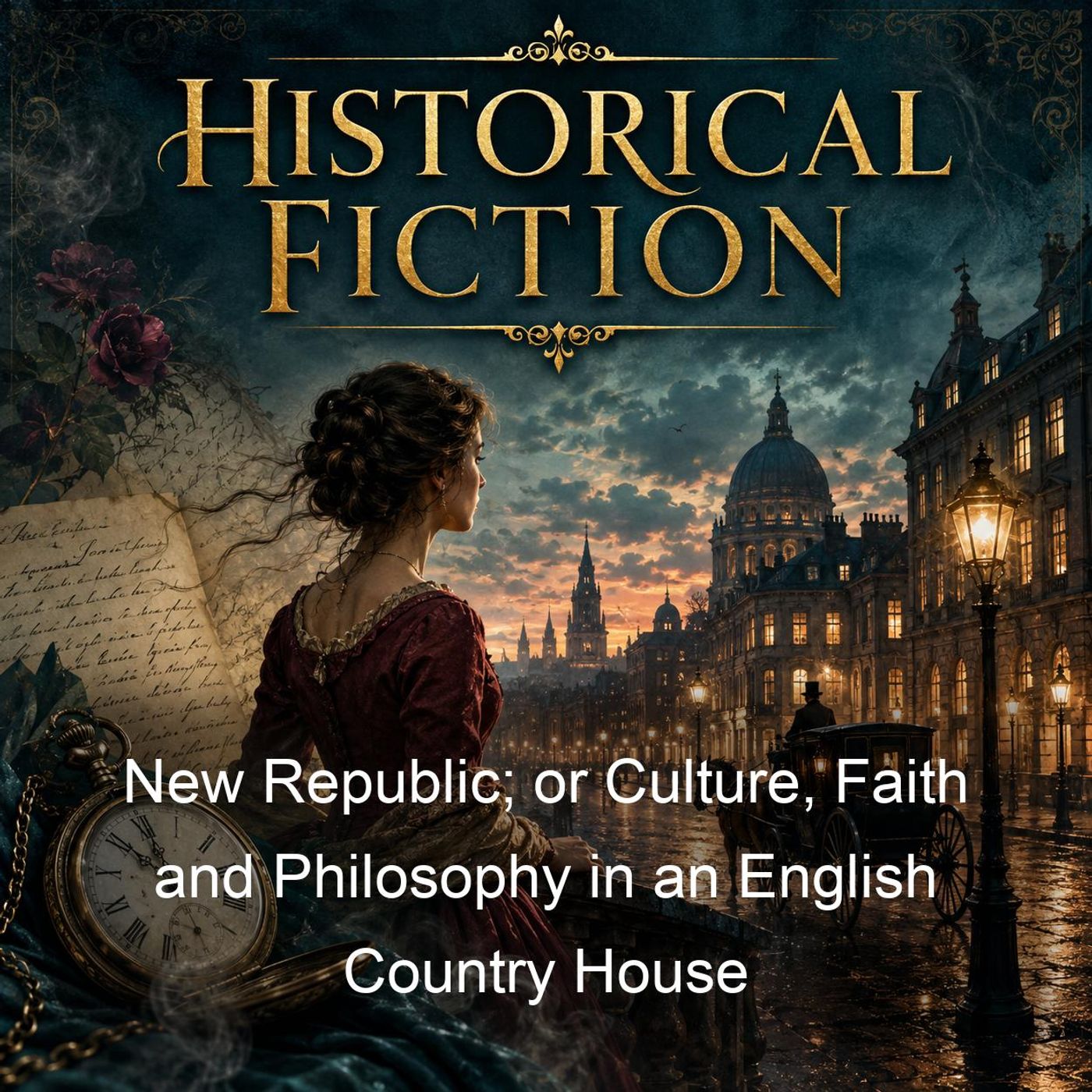
New Republic; or Culture, Faith and Philosophy in an English Country House
by William Hurrell Mallock
A group of upper class men and women gather together in an English country house to discuss their ideas for a utopia (their "New Republic"). The novel is a satire mocking most of the important figures at Oxford University at the time of publication, with regards to aestheticism and Hellenism. Some of the famous characters that are depicted are Violet Fane/Lady Mary Montgomery Currie (Mrs. Sinclair), Thomas Huxley (Mr. Storks), William Money Hardinge (Mr. Leslie), Thomas Carlyle (Donald Gordon), and Walter Pater (Mr. Rose). The latter is of particular interest, as his characterisation in this novel helped ruin his reputation as well as his career at Oxford University. The book became a best seller in its time and retains much of its humour and satirical bite today. As author David Daiches wrote in 1951, "If we can read through The New Republic without at one point or another being made to feel a little foolish, we are wise indeed. (Summary by Foon)
-
1
Hamilton-George Arliss, Mary P. Hamlin
A group of upper class men and women gather together in an English country house to discuss their ideas for a utopia (their "New Republic"). The novel is a satire mocking most of the important figures at Oxford University at the time of publication, with regards to aestheticism and Hellenism. Some of the famous characters that are depicted are Violet Fane/Lady Mary Montgomery Currie (Mrs. Sinclair), Thomas Huxley (Mr. Storks), William Money Hardinge (Mr. Leslie), Thomas Carlyle (Donald Gordon), and Walter Pater (Mr. Rose). The latter is of particular interest, as his characterisation in this novel helped ruin his reputation as well as his career at Oxford University. The book became a best seller in its time and retains much of its humour and satirical bite today. As author David Daiches wrote in 1951, "If we can read through The New Republic without at one point or another being made to feel a little foolish, we are wise indeed. (Summary by Foon)
-
0
Daughter of the Sioux-Charles King
A group of upper class men and women gather together in an English country house to discuss their ideas for a utopia (their "New Republic"). The novel is a satire mocking most of the important figures at Oxford University at the time of publication, with regards to aestheticism and Hellenism. Some of the famous characters that are depicted are Violet Fane/Lady Mary Montgomery Currie (Mrs. Sinclair), Thomas Huxley (Mr. Storks), William Money Hardinge (Mr. Leslie), Thomas Carlyle (Donald Gordon), and Walter Pater (Mr. Rose). The latter is of particular interest, as his characterisation in this novel helped ruin his reputation as well as his career at Oxford University. The book became a best seller in its time and retains much of its humour and satirical bite today. As author David Daiches wrote in 1951, "If we can read through The New Republic without at one point or another being made to feel a little foolish, we are wise indeed. (Summary by Foon)
-
-1
Prisoner of Morro-Upton Sinclair
A group of upper class men and women gather together in an English country house to discuss their ideas for a utopia (their "New Republic"). The novel is a satire mocking most of the important figures at Oxford University at the time of publication, with regards to aestheticism and Hellenism. Some of the famous characters that are depicted are Violet Fane/Lady Mary Montgomery Currie (Mrs. Sinclair), Thomas Huxley (Mr. Storks), William Money Hardinge (Mr. Leslie), Thomas Carlyle (Donald Gordon), and Walter Pater (Mr. Rose). The latter is of particular interest, as his characterisation in this novel helped ruin his reputation as well as his career at Oxford University. The book became a best seller in its time and retains much of its humour and satirical bite today. As author David Daiches wrote in 1951, "If we can read through The New Republic without at one point or another being made to feel a little foolish, we are wise indeed. (Summary by Foon)
-
-2
Canadians of Old-Philippe Aubert de Gaspé
A group of upper class men and women gather together in an English country house to discuss their ideas for a utopia (their "New Republic"). The novel is a satire mocking most of the important figures at Oxford University at the time of publication, with regards to aestheticism and Hellenism. Some of the famous characters that are depicted are Violet Fane/Lady Mary Montgomery Currie (Mrs. Sinclair), Thomas Huxley (Mr. Storks), William Money Hardinge (Mr. Leslie), Thomas Carlyle (Donald Gordon), and Walter Pater (Mr. Rose). The latter is of particular interest, as his characterisation in this novel helped ruin his reputation as well as his career at Oxford University. The book became a best seller in its time and retains much of its humour and satirical bite today. As author David Daiches wrote in 1951, "If we can read through The New Republic without at one point or another being made to feel a little foolish, we are wise indeed. (Summary by Foon)
-
-3
Bacteria in Daily Life-Grace Coleridge Frankland
A group of upper class men and women gather together in an English country house to discuss their ideas for a utopia (their "New Republic"). The novel is a satire mocking most of the important figures at Oxford University at the time of publication, with regards to aestheticism and Hellenism. Some of the famous characters that are depicted are Violet Fane/Lady Mary Montgomery Currie (Mrs. Sinclair), Thomas Huxley (Mr. Storks), William Money Hardinge (Mr. Leslie), Thomas Carlyle (Donald Gordon), and Walter Pater (Mr. Rose). The latter is of particular interest, as his characterisation in this novel helped ruin his reputation as well as his career at Oxford University. The book became a best seller in its time and retains much of its humour and satirical bite today. As author David Daiches wrote in 1951, "If we can read through The New Republic without at one point or another being made to feel a little foolish, we are wise indeed. (Summary by Foon)
-
-4
Is Sex Necessary or Why You Feel The Way You Do-James Thurber, E. B. White
A group of upper class men and women gather together in an English country house to discuss their ideas for a utopia (their "New Republic"). The novel is a satire mocking most of the important figures at Oxford University at the time of publication, with regards to aestheticism and Hellenism. Some of the famous characters that are depicted are Violet Fane/Lady Mary Montgomery Currie (Mrs. Sinclair), Thomas Huxley (Mr. Storks), William Money Hardinge (Mr. Leslie), Thomas Carlyle (Donald Gordon), and Walter Pater (Mr. Rose). The latter is of particular interest, as his characterisation in this novel helped ruin his reputation as well as his career at Oxford University. The book became a best seller in its time and retains much of its humour and satirical bite today. As author David Daiches wrote in 1951, "If we can read through The New Republic without at one point or another being made to feel a little foolish, we are wise indeed. (Summary by Foon)
-
-5
Daffodil Mystery-Edgar Wallace
A group of upper class men and women gather together in an English country house to discuss their ideas for a utopia (their "New Republic"). The novel is a satire mocking most of the important figures at Oxford University at the time of publication, with regards to aestheticism and Hellenism. Some of the famous characters that are depicted are Violet Fane/Lady Mary Montgomery Currie (Mrs. Sinclair), Thomas Huxley (Mr. Storks), William Money Hardinge (Mr. Leslie), Thomas Carlyle (Donald Gordon), and Walter Pater (Mr. Rose). The latter is of particular interest, as his characterisation in this novel helped ruin his reputation as well as his career at Oxford University. The book became a best seller in its time and retains much of its humour and satirical bite today. As author David Daiches wrote in 1951, "If we can read through The New Republic without at one point or another being made to feel a little foolish, we are wise indeed. (Summary by Foon)
-
-6
Letter Concerning Toleration-John Locke
A group of upper class men and women gather together in an English country house to discuss their ideas for a utopia (their "New Republic"). The novel is a satire mocking most of the important figures at Oxford University at the time of publication, with regards to aestheticism and Hellenism. Some of the famous characters that are depicted are Violet Fane/Lady Mary Montgomery Currie (Mrs. Sinclair), Thomas Huxley (Mr. Storks), William Money Hardinge (Mr. Leslie), Thomas Carlyle (Donald Gordon), and Walter Pater (Mr. Rose). The latter is of particular interest, as his characterisation in this novel helped ruin his reputation as well as his career at Oxford University. The book became a best seller in its time and retains much of its humour and satirical bite today. As author David Daiches wrote in 1951, "If we can read through The New Republic without at one point or another being made to feel a little foolish, we are wise indeed. (Summary by Foon)
-
-7
Letters Written During a Short Residence in Sweden, Norway and Denmark-Mary Wollstonecraft
A group of upper class men and women gather together in an English country house to discuss their ideas for a utopia (their "New Republic"). The novel is a satire mocking most of the important figures at Oxford University at the time of publication, with regards to aestheticism and Hellenism. Some of the famous characters that are depicted are Violet Fane/Lady Mary Montgomery Currie (Mrs. Sinclair), Thomas Huxley (Mr. Storks), William Money Hardinge (Mr. Leslie), Thomas Carlyle (Donald Gordon), and Walter Pater (Mr. Rose). The latter is of particular interest, as his characterisation in this novel helped ruin his reputation as well as his career at Oxford University. The book became a best seller in its time and retains much of its humour and satirical bite today. As author David Daiches wrote in 1951, "If we can read through The New Republic without at one point or another being made to feel a little foolish, we are wise indeed. (Summary by Foon)
-
-8
Bacchanals-Euripides
A group of upper class men and women gather together in an English country house to discuss their ideas for a utopia (their "New Republic"). The novel is a satire mocking most of the important figures at Oxford University at the time of publication, with regards to aestheticism and Hellenism. Some of the famous characters that are depicted are Violet Fane/Lady Mary Montgomery Currie (Mrs. Sinclair), Thomas Huxley (Mr. Storks), William Money Hardinge (Mr. Leslie), Thomas Carlyle (Donald Gordon), and Walter Pater (Mr. Rose). The latter is of particular interest, as his characterisation in this novel helped ruin his reputation as well as his career at Oxford University. The book became a best seller in its time and retains much of its humour and satirical bite today. As author David Daiches wrote in 1951, "If we can read through The New Republic without at one point or another being made to feel a little foolish, we are wise indeed. (Summary by Foon)
-
-9
Clotel, or, The President's Daughter-William Wells Brown
A group of upper class men and women gather together in an English country house to discuss their ideas for a utopia (their "New Republic"). The novel is a satire mocking most of the important figures at Oxford University at the time of publication, with regards to aestheticism and Hellenism. Some of the famous characters that are depicted are Violet Fane/Lady Mary Montgomery Currie (Mrs. Sinclair), Thomas Huxley (Mr. Storks), William Money Hardinge (Mr. Leslie), Thomas Carlyle (Donald Gordon), and Walter Pater (Mr. Rose). The latter is of particular interest, as his characterisation in this novel helped ruin his reputation as well as his career at Oxford University. The book became a best seller in its time and retains much of its humour and satirical bite today. As author David Daiches wrote in 1951, "If we can read through The New Republic without at one point or another being made to feel a little foolish, we are wise indeed. (Summary by Foon)
-
-10
Milton's Minor Poems-John Milton
A group of upper class men and women gather together in an English country house to discuss their ideas for a utopia (their "New Republic"). The novel is a satire mocking most of the important figures at Oxford University at the time of publication, with regards to aestheticism and Hellenism. Some of the famous characters that are depicted are Violet Fane/Lady Mary Montgomery Currie (Mrs. Sinclair), Thomas Huxley (Mr. Storks), William Money Hardinge (Mr. Leslie), Thomas Carlyle (Donald Gordon), and Walter Pater (Mr. Rose). The latter is of particular interest, as his characterisation in this novel helped ruin his reputation as well as his career at Oxford University. The book became a best seller in its time and retains much of its humour and satirical bite today. As author David Daiches wrote in 1951, "If we can read through The New Republic without at one point or another being made to feel a little foolish, we are wise indeed. (Summary by Foon)
-
-11
Diatessaron A Harmony of the Four Gospels - Tatian
"Diatessaron: A Harmony of the Four Gospels" by Tatian offers a unique synthesis of the four canonical Gospels, presenting a cohesive narrative of the life and teachings of Jesus Christ. This work, significant in early Christian literature, invites listeners to explore the interconnectedness of the Gospel accounts, revealing the depth and richness of faith that transcends time. Its enduring themes of spirituality, unity, and the quest for truth resonate deeply in today's world, where diverse perspectives often challenge our understanding of faith. Engaging with Tatian's harmonization provides a profound opportunity to reflect on the essence of Christian teachings and their relevance in contemporary discussions about culture and belief.
-
-12
New Republic or Culture Faith and Philosophy in an English Country House - William Hurrell Mallock
A group of upper class men and women gather together in an English country house to discuss their ideas for a utopia (their "New Republic"). The novel is a satire mocking most of the important figures at Oxford University at the time of publication, with regards to aestheticism and Hellenism. Some of the famous characters that are depicted are Violet Fane/Lady Mary Montgomery Currie (Mrs. Sinclair), Thomas Huxley (Mr. Storks), William Money Hardinge (Mr. Leslie), Thomas Carlyle (Donald Gordon), and Walter Pater (Mr. Rose). The latter is of particular interest, as his characterisation in this novel helped ruin his reputation as well as his career at Oxford University. The book became a best seller in its time and retains much of its humour and satirical bite today. As author David Daiches wrote in 1951, "If we can read through The New Republic without at one point or another being made to feel a little foolish, we are wise indeed. (Summary by Foon)
We're indexing this podcast's transcripts for the first time — this can take a minute or two. We'll show results as soon as they're ready.
No matches for "" in this podcast's transcripts.
No topics indexed yet for this podcast.
Loading reviews...
ABOUT THIS SHOW
A group of upper class men and women gather together in an English country house to discuss their ideas for a utopia (their "New Republic"). The novel is a satire mocking most of the important figures at Oxford University at the time of publication, with regards to aestheticism and Hellenism. Some of the famous characters that are depicted are Violet Fane/Lady Mary Montgomery Currie (Mrs. Sinclair), Thomas Huxley (Mr. Storks), William Money Hardinge (Mr. Leslie), Thomas Carlyle (Donald Gordon), and Walter Pater (Mr. Rose). The latter is of particular interest, as his characterisation in this novel helped ruin his reputation as well as his career at Oxford University. The book became a best seller in its time and retains much of its humour and satirical bite today. As author David Daiches wrote in 1951, "If we can read through The New Republic without at one point or another being made to feel a little foolish, we are wise indeed. (Summary by Foon)
HOSTED BY
William Hurrell Mallock
CATEGORIES
Loading similar podcasts...
Frequently Asked Questions
How many episodes does New Republic; or Culture, Faith and Philosophy in an English Country House have?
New Republic; or Culture, Faith and Philosophy in an English Country House currently has 14 episodes available on PodParley. New episodes are automatically indexed when they're published to the podcast feed.
What is New Republic; or Culture, Faith and Philosophy in an English Country House about?
A group of upper class men and women gather together in an English country house to discuss their ideas for a utopia (their "New Republic"). The novel is a satire mocking most of the important figures at Oxford University at the time of publication, with regards to aestheticism and Hellenism. Some...
How often does New Republic; or Culture, Faith and Philosophy in an English Country House release new episodes?
New Republic; or Culture, Faith and Philosophy in an English Country House has 14 episodes. Check the episode list to see recent publication dates and frequency.
Where can I listen to New Republic; or Culture, Faith and Philosophy in an English Country House?
You can listen to New Republic; or Culture, Faith and Philosophy in an English Country House on PodParley by clicking any episode. We provide an embedded audio player for direct listening, and you can also subscribe via your preferred podcast app using the RSS feed.
Who hosts New Republic; or Culture, Faith and Philosophy in an English Country House?
New Republic; or Culture, Faith and Philosophy in an English Country House is created and hosted by William Hurrell Mallock.
URL copied to clipboard!