PODCAST · religion
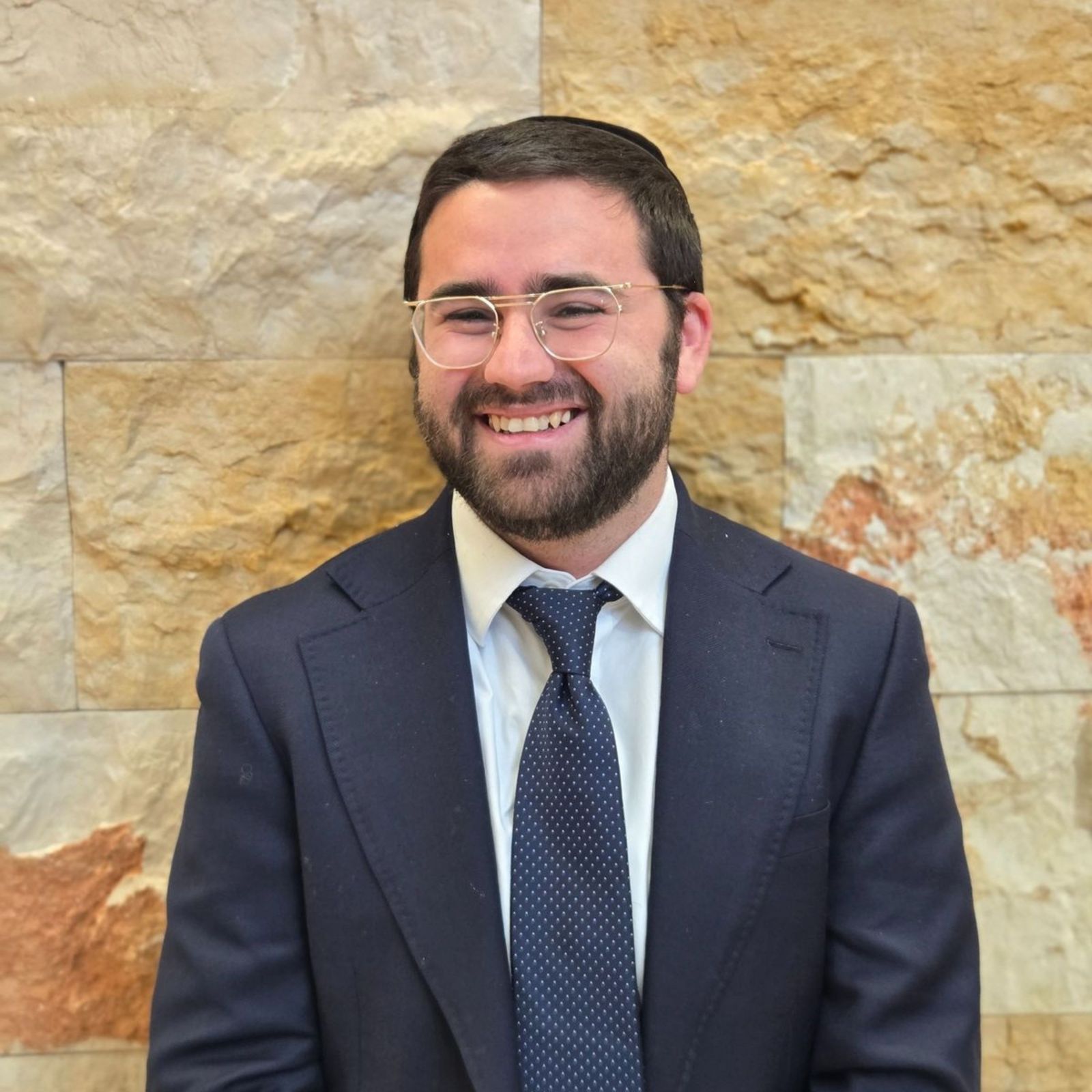
Parsha Messages with Rabbi Yochanan David
by Rabbi Yochanan David
The Parsha Messages podcast focuses on finding intuitive ways to create a closer connection to G-D. Rabbi Yochanan David is a Scholar at the Denver Community Kollel where he studies and gives classes. He's a featured speaker for the Judaism Alive program at Aish of the Rockies. Join him as he explores concepts that are relevant to our daily lives. Please reach out with any questions or feedback [email protected] project of denverkollel.org
-
31
Be Approachable
Reasons why being patient is worth your while and tips for developing it. -Article on boredom From Rabbi Yaakov Barr MSc as featured in Mispacha Magazine Issue#1110 Titled: Don't Dodge Boredom ,It Unlocks the Brain
-
30
I Am In G-D's Hands
Life can send us to many unwanted places. Feeling like we have nowhere to turn we start to despair. It is then that we have to remember that we are always in G-D'S hands. Even in this dark place He can be found.
-
29
Self Awareness
The Parsha addresses the issue of theft, stating that a thief must confess and repay the victim the principal amount plus a penalty. When the Torah directs the thief to confess, it states, “he shall confess the sin he did.” The phrase “that he did” seems to be extra, and needs to be understood.The Beis Yaakov of Alexander explains that the phrase “that he did” emphasizes that the thief must not only confess to the act of stealing but also address the underlying jealousy that prompted the theft. The additional wording highlights the unchecked urge of jealousy as the true motivator for the act of stealing, and thus, an additional confession is necessary.We can understand this better by using an analogy of visiting a doctor. When you visit a doctor you don't merely want a prescription for your symptoms; we expect the doctor to identify and address the root cause of our ailment. Similarly, the thief should not only confess to the act of stealing but also confront the underlying issue, which in this case is jealousy.Consider a scenario where you feel slighted by a coworker at work, leaving you hurt without an opportunity to resolve it. Returning home, you might find your child making a mess, and in a moment of frustration, you react disproportionately. Upon regaining your composure, it’s obvious that you need to mend the hurt caused by your outburst, but we are now learning that you also need to recognize that your anger stemmed from the unresolved hurt from work.The next time we face a challenge, rather than merely extinguishing the flames of our mistakes, let us strive to identify their origins and address them at the source.
-
28
It's Never Too Late
Message for Parshas NasoIdea from Rav Elya Lopian ZT''L
-
27
How to be a Conformist and an Individualist at the Same Time
Idea for Parshas Naso
-
26
Empathy - The Path to Torah
By putting ourselves in other's shoes, we become more equipped for in depth torah study. Idea from Rav Mattisyahu Salamon ztl & Ruach Chaim on Pirkei Avos
-
25
I'm So Grateful
The basic form of gratitude is counting your blessings-something good happens in our life we notice it and thank G-D for it. This week's Torah Portion introduces another way to spice up our gratitude: Looking at the Before and After in life. Notice how your life was before you received the gift and after, see how much better life is.This week we learn how the jews were counted. One of the reasons given is for the jews to reflect how far they came in such a short time. Going from a nation of 70 to over 600,000. There was a pauper who one day struck it rich. Every year on the anniversary of the windfall he would make a huge party inviting the whole city. Besides for having the best food and drink with a band for everyone to enjoy, he had this custom where he put on the rags from the days from when he was a pauper. This was to remind him of his past and how his life changed in such an extreme way.So the next time we have what to be grateful for, instead of just noticing the good we received, add to that reflecting on how much our life has been transformed for the better because of the gift that was given to us. Idea based on a Ramban on Parshas Bamidbar
We're indexing this podcast's transcripts for the first time — this can take a minute or two. We'll show results as soon as they're ready.
No matches for "" in this podcast's transcripts.
No topics indexed yet for this podcast.
Loading reviews...
ABOUT THIS SHOW
The Parsha Messages podcast focuses on finding intuitive ways to create a closer connection to G-D. Rabbi Yochanan David is a Scholar at the Denver Community Kollel where he studies and gives classes. He's a featured speaker for the Judaism Alive program at Aish of the Rockies. Join him as he explores concepts that are relevant to our daily lives. Please reach out with any questions or feedback [email protected] project of denverkollel.org
HOSTED BY
Rabbi Yochanan David
CATEGORIES
Loading similar podcasts...