
PODCAST · health
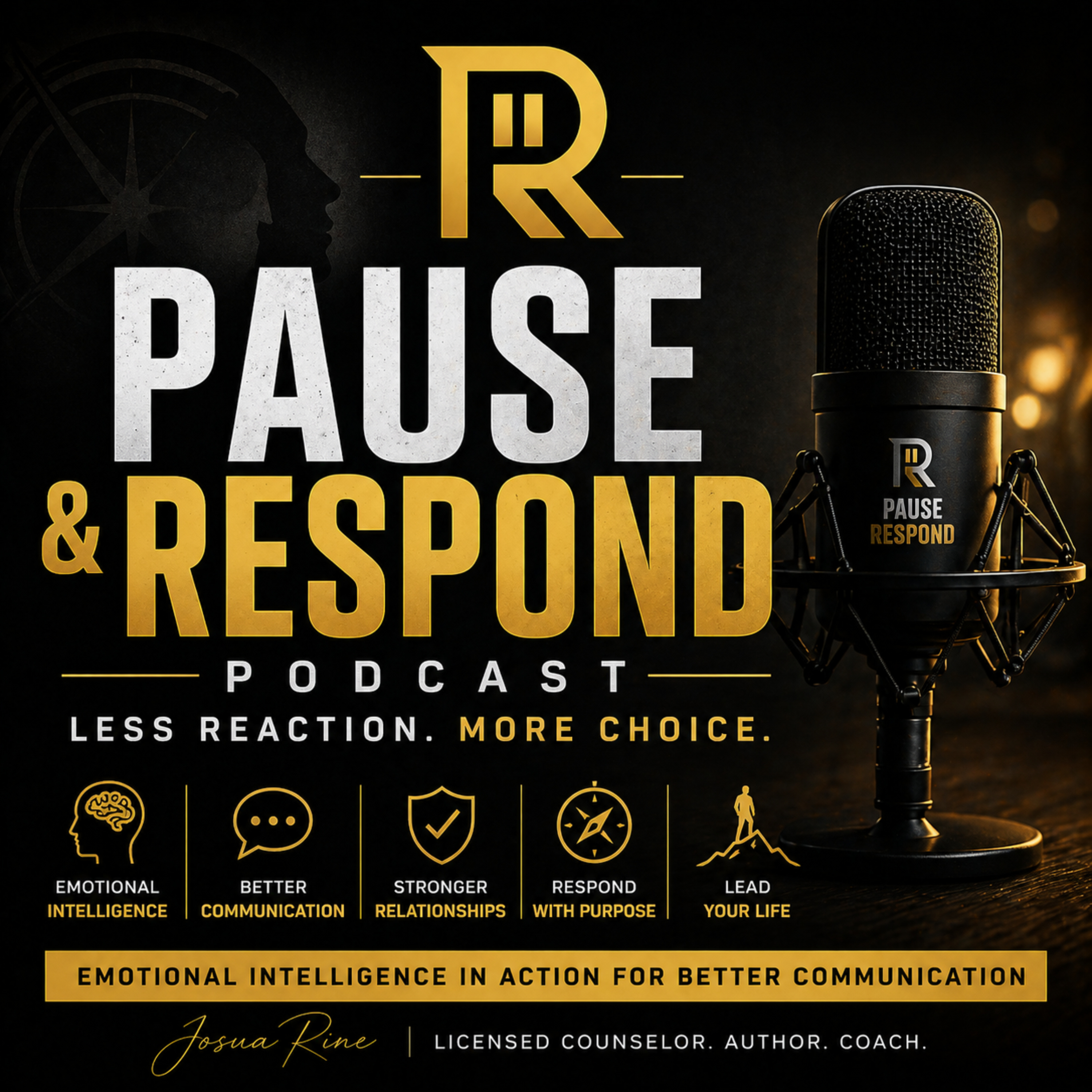
Pause and Respond - Managing Impulsivity & Real World Emotions
by Josua Rine - Licensed Counselor Tips
Pause & Respond is a practical podcast about emotional control, boundaries, and better decisions — especially in moments that usually lead to regret.Hosted by licensed counselor Josua Rine, each episode breaks down real-world emotional reactions like anger, shutdown, defensiveness, and impulsivity, and shows what actually helps before things spiral. This isn’t about suppressing emotions or “calming down.” It’s about learning how to pause long enough to choose a response that aligns with your values, relationships, and long-term goals.Short, grounded episodes focus on emotional regulation.
-
91
Why You Shut Down During Conflict (Even When You Have Something to Say)
Have you ever been in the middle of a difficult conversation and suddenlyhad nothing to say—only to think of everything you wanted to say after theconversation was over?You weren't necessarily avoiding the conversation.You may have temporarily lost access to your words.In this episode of Pause & Respond, Licensed ProfessionalCounselor Josua Rine explores why some people shut down during conflict,what happens in the moments before your words disappear, and how emotionalpressure can make it harder to think, listen, and communicate clearly.You'll discover the Communication Window—the range where you canstill remain emotionally available to yourself and the person in front ofyou—and learn how to recognize the early warning signs that you're beginning tomove outside it.Most importantly, this episode explores how to stay connected whileyou're still finding your words.In this episode, you'll learn: Sometimes emotional intelligence isn't having the right wordsimmediately.Sometimes it's being able to say:"I don't have my words yet—but I'm still here."Visit PauseAndRespond.com for practical tools and resources foremotional regulation, healthier communication, and stronger relationships.#PauseAndRespond #LessReactionMoreChoice#EmotionalIntelligence #EmotionalRegulation # #ConflictResolution #EmotionalShutdown #RelationshipCommunication#HealthyRelationships #CommunicationSkills #RelationshipAnxiety #Overwhelmed#CouplesCommunication #SelfAwareness #PersonalGrowth
-
90
Why You Apologize Even When You Didn't Do Anything Wrong
Do you apologize even when you're not sure you did anything wrong?Someone becomes quiet. Their mood changes. A conversation feelsuncomfortable. And before you even understand what happened, you hear yourselfsaying:"I'm sorry."In this episode of Pause & Respond, Licensed ProfessionalCounselor Josua Rine explores why apologizing can become an emotionalreflex—and why some people automatically assume responsibility wheneversomething feels wrong.This isn't about becoming less accountable.It's about becoming more accurate about what actually belongs to you.You'll discover how Responsibility Anxiety can cause you to searchyourself for the problem, why self-blame sometimes feels safer thanuncertainty, and how The Control Bargain can convince you that ifeverything is your fault, at least everything is yours to fix.We also explore the important difference between guilt and shame—and whyemotionally mature accountability means being able to admit:"I did something wrong..."without turning it into:"There is something wrong with me."In this episode, you'll learn: The goal isn't fewer apologies.It's truer apologies.Own all of yours.Don't own more than yours.And when you make a mistake, repair what you can, learn what you need,and allow yourself to keep becoming.Visit PauseAndRespond.com for practical tools and resources foremotional regulation, healthier relationships, communication, and personalgrowth.#PauseAndRespond #LessReactionMoreChoice #EmotionalIntelligence#EmotionalRegulation #HealthyCommunication#OverApologizing #SelfBlame #GuiltAndShame #PeoplePleasing#HealthyRelationships #SelfWorth #EmotionalHealing #PersonalGrowth#Accountability #RelationshipAnxiety
-
89
Why Saying No Feels So Hard | The Fear of Disappointing People
Why is saying "no" so difficult—even when you know it'sthe right answer?For many people, the struggle isn't about communication. It's about fear.Fear that disappointing someone will damage the relationship.Fear that honesty will create distance.Fear that saying no means you're selfish, uncaring, or no longer worthy oflove.In this episode of Pause & Respond, Licensed ProfessionalCounselor Josua Rine explores the hidden emotional beliefs that makeboundaries feel so difficult. You'll discover why your nervous system mayconfuse disappointment with rejection, how "Borrowed Safety" keepsyou emotionally trapped, and why healthy relationships aren't protected byavoiding difficult emotions—they're strengthened by learning to survive themtogether.If you've ever struggled with people-pleasing, overexplaining, guilt, orfeeling responsible for everyone else's emotions, this episode will help youunderstand why—and show you a healthier way forward.In this episode you'll learn:Because emotional maturity isn't learning to keep everyone happy.It's learning to trust that healthy relationships can survive honesty.Visit PauseAndRespond.com for additional articles, resources, andpractical tools to help you build emotional resilience, healthierrelationships, and lasting emotional freedom.#PauseAndRespond#HealthyBoundaries#PeoplePleasing#EmotionalFreedom#MentalHealth#EmotionalIntelligence#HealthyRelationships#SelfWorth#PersonalGrowth#LessReactionMoreChoice
-
88
Why You Feel Guilty When You Rest | Breaking Free from Productivity Guilt
Why is it so hard to rest—even when you're completely exhausted?If you've ever sat down to relax only to feel guilty, anxious, or like you should be doing something more productive, you're not alone.In this episode of Pause & Respond, Licensed Professional Counselor Josua Rine explores the hidden beliefs that make rest feel uncomfortable. This isn't a conversation about time management or productivity hacks. It's about identity.Many of us quietly learned that our value comes from what we accomplish. Over time, productivity stopped being something we did and became proof that we mattered. The result? Rest begins to feel like something we have to earn.In this episode, you'll discover why your nervous system resists stillness, how performance became permission, and what it means to finally live from Enoughness instead of constantly striving to become enough.Why resting can trigger guilt and anxietyHow productivity quietly becomes your identityThe difference between Earned Rest and true restWhy high achievers often struggle to relaxWhat Enoughness really meansHow to stop measuring your worth by your accomplishmentsA simple practice to begin living from peace instead of provingThe goal isn't becoming productive enough to deserve rest.The goal is discovering that you were worthy of rest before you ever earned it.Visit PauseAndRespond.com for additional articles, practical exercises, and resources to help you build emotional resilience, healthier relationships, and lasting emotional freedom.In this episode you'll learn:
-
87
Why You Feel Like You Have to Keep Everyone Happy (And Why It's Exhausting You)
Do you feel responsible for keeping everyone happy?Do you avoid conflict, struggle to say no, or feel guilty whenever someone is disappointed with you?In this episode of Pause & Respond, licensed professional counselor Josua Rine explores the hidden psychology behind people pleasing and emotional responsibility. You'll discover why many of us confuse keeping the peace with keeping relationships healthy, why disappointment feels so threatening, and how healthy love is built on honesty—not constant approval.If you've ever:felt guilty for setting boundariesavoided disappointing peoplestruggled with people pleasingworried that saying no would damage a relationshipmeasured your worth by keeping everyone happycarried the emotional weight of everyone around youthis episode will help you understand where those patterns come from and how to begin building healthier, more honest relationships.Why disappointment feels emotionally dangerousThe difference between approval and belongingWhy many people become emotional peacekeepersComfort vs. Connection: understanding healthy loveHow to stop measuring your worth by other people's happinessWhy honesty builds stronger relationships than performanceOne powerful question to ask before abandoning yourself to keep the peaceThis episode is part of the Pause & Respond framework for emotional intelligence, healthy relationships, emotional regulation, people pleasing recovery, and personal growth.In this episode you'll discover:#PeoplePleasing#HealthyBoundaries#SelfWorth#RelationshipHealing#EmotionalHealing#PersonalGrowth#AuthenticLiving#RelationshipAdvice#MentalWellness#EmotionalFreedom
-
86
How to Stop Chasing the Last Word and Find Peace After Difficult Conversations
Why is it so hard to let some conversations end?Why do we send one more text, replay arguments in our minds, or feel compelled to explain ourselves one last time?In this episode of Pause & Respond, licensed professional counselor Josua Rine explores the hidden psychology behind the need for the last word. You'll discover why the real struggle isn't winning the argument—it's the fear of being misunderstood, the need for reassurance, and the search for emotional safety.You'll learn why unresolved conversations stay with us, how identity becomes wrapped up in being understood, and how emotionally secure people learn to leave conversations without leaving themselves.If you've ever:replayed arguments in your headsent one more text after a conversation endedstruggled to let disagreements goneeded to explain yourself repeatedlyfeared being misunderstoodhad trouble finding peace after conflictthis episode will help you understand what your nervous system is really searching for—and how to finally find peace without needing the last word.Why unfinished conversations stay with usThe hidden fear beneath the need for the last wordWhy misunderstanding feels like a threat to identityThe difference between resolution and peaceHow to stop chasing reassurance through conversationsWhy self-trust changes the way you communicateA practical exercise for leaving conversations with peace instead of regretThis episode is part of the Pause & Respond framework for emotional intelligence, communication, healthy relationships, and emotional maturity.In this episode you'll discover:#ConflictResolution#CommunicationSkills#RelationshipAdvice#Overthinking#EmotionalHealing#SelfAwareness#PersonalGrowth#HealthyRelationships#EmotionalMaturity#MentalWellness
-
85
Why You Feel Responsible for Everyone Else's Feelings | Stop Carrying Emotional Weight That Isn't Yours
Do you feel responsible for keeping everyone else happy?Do you carry other people's stress, disappointment, anger, or anxiety as if it were your own?In this episode of Pause & Respond, licensed professional counselor Josua Rine explores why so many people quietly take responsibility for emotions that were never theirs to carry—and how that pattern often begins long before adulthood.You'll discover the difference between caring and carrying, why many emotionally responsible people learned to confuse usefulness with worth, and how healthy relationships are built through compassion, not emotional over-responsibility.If you've ever struggled with:people pleasingguilt for setting boundariesfeeling responsible for everyone else's emotionsemotional exhaustionover-functioning in relationshipsdifficulty saying nocarrying everyone else's problemsthis episode will help you understand where those patterns come from and how to begin putting down the emotional weight you were never meant to carry.Why you feel responsible for other people's emotionsThe difference between Care vs. CarryWhat "Borrowed Weight" really isWhy usefulness often becomes part of identityHow childhood adaptations follow us into adulthoodWhy healthy boundaries are acts of love—not rejectionHow to love people deeply without losing yourselfA simple daily question that changes relationships:"Is this mine to carry?"This episode is part of the Pause & Respond framework for emotional control, emotional maturity, healthy relationships, boundaries, and personal growth.In this episode you'll learn:#PeoplePleasing#HealthyBoundaries#SelfWorth#EmotionalHealing#PersonalGrowth#EmotionalFreedom#RelationshipSkills#MentalWellness#CodependencyRecovery#SelfAwareness
-
84
How to Stop Taking Everything Personally | The Stories Your Mind Creates Before the Truth Arrives
Do you ever assume someone is upset with you, replay conversations in your head, or take a simple comment more personally than you want to?In this episode of Pause & Respond, licensed professional counselor Josua Rine explores why our minds create stories before we have all the facts—and how those stories quietly shape our emotions, relationships, and decisions.You'll discover The Meaning Gap, The Certainty Trap, and the powerful shift from becoming a storyteller to becoming an investigator. Learn why your brain prefers certainty over truth, how assumptions create unnecessary emotional pain, and how to stop letting your first interpretation control your relationships.If you've ever:taken a delayed text personallyassumed someone was upset with youreplayed conversations in your mindstruggled with overthinking or relationship anxietyreacted to a story that later proved untruethis episode will help you understand what's happening beneath the surface and give you a practical framework for responding with greater wisdom and emotional control.Why we take things personallyThe psychology behind emotional assumptionsThe Meaning Gap: where emotions are really createdThe Certainty Trap and why your brain craves quick answersHow emotionally secure people think differentlyWhy curiosity is stronger than certaintyThe Pause. Observe. Verify. Respond. practiceHow to build healthier relationships through better interpretationThis episode is part of the Pause & Respond framework for emotional intelligence, emotional regulation, communication, and healthier relationships.In this episode you'll learn:
-
83
Why do we become defensive—even when no one is attacking us?
In this episode of Pause & Respond, licensed professional counselor Josua Rine explores the hidden psychology behind defensiveness and explains why our brains often mistake feedback for rejection. You'll discover how your nervous system predicts danger before it knows the truth, why criticism can feel like a threat to your identity, and how defensiveness quietly damages the relationships you're trying to protect.If you've ever found yourself explaining instead of listening, interrupting before someone finishes, or replaying conversations wondering why you reacted the way you did, this episode will help you understand what was really happening beneath the surface.You'll learn:Why criticism feels like a personal attackHow your nervous system predicts emotional dangerWhy defensiveness damages trust and connectionThe difference between protecting your ego and protecting your relationshipsThe Four-Second Pause: a practical strategy to interrupt defensiveness before it takes overHow emotionally secure people respond differently during difficult conversationsThis episode is part of the Pause & Respond framework for emotional control, healthier communication, and stronger relationships.If you struggle with defensiveness, conflict, emotional triggers, communication problems, marriage challenges, or emotional regulation, this episode offers practical insights you can begin applying in your very next conversation.#PauseAndRespond#EmotionalControl#Defensiveness#HealthyCommunication#EmotionalIntelligence#RelationshipSkills#ConflictResolution#SelfAwareness#PersonalGrowth#MentalWellness
-
82
How Connection Quietly Returns | Rebuilding Emotional Connection One Small Step at a Time
Can a relationship find its way back after distance?Absolutely.But probably not in the way most people expect.In Episode 5 of the Needed But Not Known series, Josua Rine explores one of the most hopeful truths about relationships:Connection rarely returns through one dramatic moment.It returns through small moments repeated over time.Because the way back is usually smaller than we think.In this episode you'll discover:• Why relationships heal through consistency, not intensity.• Why attention is one of the purest forms of love.• How curiosity keeps love growing.• Why small moments matter more than grand gestures.• Why connection is not a feeling—it's a series of small choices.• How emotional trust is rebuilt one conversation at a time.• Why hope begins with simply turning toward one another again.If you've ever wondered whether your relationship is too far gone, this episode is for you.Visit www.pauseandrespond.com for books, workbooks, articles, and resources designed to help you strengthen your emotional health and relationships.Less Reaction. More Choice.#Relationships#MarriageAdvice#EmotionalIntimacy#Communication#RelationshipGoals#EmotionalHealth#Marriage#MentalHealth#PersonalGrowth#Connection#PauseAndRespond#JosuaRine
-
81
Why "I'm Fine" Is Often Fear in Disguise | The Hidden Cost of Emotional Hiding
How many times have you said:"I'm fine."when you really weren't?In Episode 4 of the Needed But Not Known series, Josua Rine explores one of the most misunderstood forms of emotional self-protection.Because emotional hiding usually begins as self-protection.But eventually…self-protection can become self-imprisonment.In this episode you'll discover:• Why emotional hiding often begins as a survival strategy.• Why honesty feels dangerous when love has always felt conditional.• Why some people become experts at translating pain into acceptable emotions.• Why the body often tells the truth the mouth refuses to speak.• Why people rarely heal where they have to hide.• Why frightened hearts don't need shame—they need safety.• And why the truth usually comes out through words or wounds.If you've spent years saying:"I'm good.""Don't worry about me.""Nothing's wrong."while quietly carrying things no one else can see…this episode is for you.Visit www.pauseandrespond.com for books, workbooks, articles, and resources designed to help you strengthen your emotional health and relationships.Less Reaction. More Choice.#EmotionalHealth#MentalHealth#Vulnerability#SelfAwareness#Relationships#EmotionalIntelligence#Communication#Anxiety#PersonalGrowth#Healing#PauseAndRespond#JosuaRine
-
80
Why Being Needed Can Make You Feel Invisible | When Helping Everyone Makes You Disappear
Why do some of the most dependable people feel the most invisible?Why do helpers, caregivers, providers, and strong people often become exhausted?And why can being needed slowly become a substitute for being known?In Episode 3 of the Needed But Not Known series, Josua Rine explores the hidden cost of always being the strong one.Because sometimes people don't disappear because they leave.Sometimes they disappear inside their responsibilities.In this episode you'll discover:• Why being needed can become emotionally addictive.• Why some identities become prisons with applause.• Why exhaustion can feel safer than irrelevance.• Why some people become trapped inside the compliments they receive.• Why performing strength can cause us to lose ourselves.• Why the person you miss most may be the version of yourself you abandoned.• Why the goal isn't to stop serving people—but to stop abandoning yourself while you do it.If you've spent your life being the helper, the provider, the caretaker, or the person everyone depends on, this episode is for you.Visit www.pauseandrespond.com for books, workbooks, articles, and resources designed to help you strengthen your emotional health and relationships.Less Reaction. More Choice.#Burnout#EmotionalExhaustion#PeoplePleasing#CaregiverBurnout#MentalHealth#Relationships#SelfWorth#EmotionalHealth#PersonalGrowth#Boundaries#PauseAndRespond#JosuaRine
-
79
Why You Can Feel Loved and Still Feel Lonely | The Hidden Hunger to Be Known
Why do some of the loneliest people in the world feel deeply loved?In Episode 2 of the Needed But Not Known series, Josua Rine explores one of the most confusing human experiences: feeling loved and still feeling lonely.Because love and loneliness are not always enemies.And perhaps the deepest hunger we carry isn't the need to be admired, appreciated, or even needed.Perhaps it's the longing to be known.In this episode, you'll discover:• Why love does not satisfy every human hunger.• Why some of the strongest people are often the loneliest.• Why being needed feels good, but being known heals something deeper.• Why many people spend years feeding the wrong hunger.• Why we may fear being known even more than we fear loneliness.• Why loneliness may not be the enemy.• And why loneliness may actually be an invitation.If you've ever wondered:"Why do I still feel lonely when I know I'm loved?"This episode is for you.Visit www.pauseandrespond.com for books, workbooks, articles, and resources designed to help you strengthen your emotional health and relationships.Less Reaction. More Choice.#Loneliness#Relationships#EmotionalIntimacy#MentalHealth#MarriageAdvice#RelationshipAdvice#EmotionalHealth#SelfAwareness#Communication#PersonalGrowth#PauseAndRespond#JosuaRine
-
78
Why Good People Slowly Become Strangers in Their Marriage | Why Couples Feel Lonely Together
How do two people who once couldn't stop talking become two people who barely know what to say?In this powerful first episode of the Needed But Not Known series, Josua Rine explores one of the quietest tragedies in relationships: how good people slowly become strangers.Most relationships don't collapse because people stop loving each other.They drift apart because they stop sharing.You'll discover:Why love doesn't always disappear—access disappears.How fear disguises itself as responsibility.Why emotional distance is often created by protection, not cruelty.Why some of the loneliest people in the world are deeply loved.Why you don't always miss another person—you sometimes miss who you were together.How healing begins when two people choose to become known again.If you've ever looked at someone you love and quietly wondered, "What happened to us?" this episode is for you.
-
77
Stop Trying to Be Easy to Love | People Pleasing, Emotional Exhaustion & Self-Worth
Have you spent your life trying to be easy to love?Always being the strong one. The helper. The dependable one. The person who never asks for much.In this episode of Pause & Respond, Josua Rine, LPC, explores the hidden emotional cost of people pleasing, emotional self-neglect, and trying to earn love through performance.Learn why constantly being "low maintenance" can lead to loneliness, resentment, emotional exhaustion, and feeling unseen in your closest relationships.This episode covers:people pleasingemotional exhaustionself-worth and identityloneliness and connectionemotional honestyrelationships and vulnerabilityfear of rejectionemotional intelligencecodependency and self-sacrificethe Pause & Respond frameworkIf you've spent years being the strong one, carrying everything yourself, and trying to make life easier for everyone else, this episode will help you understand why being useful is not the same as being loved.Visit:for books, workbooks, coaching, and additional podcast resources.#PauseAndRespond #PeoplePleasing #SelfWorth #EmotionalIntelligence #Relationships #MentalHealth #Loneliness #SelfAwareness #Boundaries #EmotionalHealthPauseAndRespond.com
-
76
Why You Feel Lonely Even When You're Not Alone | The Hidden Cost of Emotional Isolation
Why do so many people feel lonely even when they're surrounded by family, friends, and relationships?In this episode of Pause & Respond, Josua Rine, LPC, explores emotional loneliness, vulnerability, and why feeling unknown can create deeper pain than physical isolation.Learn why high-functioning people often carry the most while sharing the least, why emotional self-protection leads to disconnection, and how honesty creates the kind of connection people are truly searching for.This episode covers:emotional lonelinessvulnerability and connectionemotional isolationmen's mental healthemotional honestyrelationships and intimacyfear of vulnerabilityemotional intelligenceself-protection and lonelinessthe Pause & Respond frameworkIf you've ever felt lonely despite having people around you, or wondered why you still feel disconnected even in close relationships, this episode will help you understand the hidden cost of carrying everything alone.Visit:for books, workbooks, coaching, and additional podcast resources.#PauseAndRespond #Loneliness #MentalHealth #Relationships #EmotionalIntelligence #Vulnerability #MensMentalHealth #Connection #SelfAwareness #CommunicationSkillsPauseAndRespond.com
-
75
Why Brutal Honesty Is Still Dishonesty | Emotional Intelligence & Healthy Communication
Is brutal honesty really honesty?In this episode of Pause & Respond, Josua Rine, LPC, explores the difference between emotional honesty and emotional dumping. Learn why anger often feels truthful, why harsh communication creates defensiveness, and how mature honesty builds trust instead of causing damage.Many people believe they're "just being honest" when they're actually releasing pain, criticism, or unresolved emotions.This episode covers:brutal honesty vs healthy honestyemotional intelligencecommunication skillsanger and emotional regulationdefensiveness in relationshipsconflict resolutiontrust and emotional safetyemotional maturityboundaries and connectionthe Pause & Respond frameworkIf you've ever struggled with speaking the truth without hurting people—or have been hurt by someone who claimed they were "just being honest"—this episode will help you understand the difference between truth and emotional overflow.Visit:for books, workbooks, coaching, and additional podcast resources.#PauseAndRespond #EmotionalIntelligence #CommunicationSkills #Relationships #AngerManagement #EmotionalRegulation #ConflictResolution #MentalHealth #SelfAwareness #HealthyCommunicationPauseAndRespond.com
-
74
Becoming Someone Who Can Be Trusted With the Truth | How Emotional Safety Builds Strong Relationships
Why do people stop being honest in relationships?It's often not because they don't care.It's because honesty no longer feels safe.In this episode of Pause & Respond, Josua Rine, LPC, explores emotional safety, defensiveness, trust, and why people need more than love — they need relationships where they can tell the truth without fear of judgment, shame, or emotional punishment.Learn how your reactions teach people whether honesty is welcome and why becoming someone who can hold difficult conversations without defensiveness creates deeper connection and stronger trust.This episode covers:emotional safetytrust in relationshipsdefensivenesscommunication skillsemotional intelligencevulnerabilityactive listeningconflict resolutionrelationship connectionthe Pause & Respond frameworkIf you want stronger relationships, deeper conversations, and more emotional intimacy, this episode will help you understand how trust is built — and how it is quietly lost.Visit:for books, workbooks, coaching, and additional podcast resources.#PauseAndRespond #Trust #Relationships #CommunicationSkills #EmotionalIntelligence #EmotionalSafety #MentalHealth #SelfAwareness #Marriage #ConnectionPauseAndRespond.com
-
73
Say What You Mean Before Resentment Says It For You | How Resentment Destroys Relationships
Resentment doesn't appear overnight.It grows through the conversations you never had, the boundaries you never set, and the emotions you kept carrying alone.In this episode of Pause & Respond, Josua Rine, LPC, explores why resentment is often unexpressed truth and how emotional buildup slowly creates distance, irritability, and disconnection in relationships.Learn why waiting too long to communicate creates emotional debt — and why early honesty is easier than late repair.This episode covers:resentment in relationshipsemotional suppressionpeople pleasingcommunication problemsemotional boundariespassive aggressionemotional intelligenceconflict avoidanceemotional regulationthe Pause & Respond frameworkIf you've been carrying frustration, disappointment, or hurt silently, this episode will help you understand why resentment becomes such a destructive force — and how honest communication can stop it before it grows.Visit:for books, workbooks, coaching, and additional podcast resources.#PauseAndRespond #Resentment #Relationships #CommunicationSkills #EmotionalIntelligence #Boundaries #MentalHealth #EmotionalRegulation #PeoplePleasing #SelfAwarenessPauseAndRespond.com
-
72
Why You Shrink What You Really Mean | People Pleasing, Emotional Suppression & Resentment
Why do so many people minimize what they really feel?In this episode of Pause & Respond, Josua Rine, LPC, explores why people soften boundaries, reduce emotional honesty, and shrink their communication out of fear of conflict, rejection, judgment, or discomfort.Learn how emotional minimization quietly creates resentment, anxiety, emotional exhaustion, and disconnection in relationships — and why authenticity feels psychologically lighter than constant emotional filtering.This episode covers:people pleasingemotional suppressionemotional honestyresentment in relationshipscommunication anxietyconflict avoidanceemotional intelligenceboundaries and self-respectemotional exhaustionPause & Respond frameworkIf you constantly say smaller versions of what you really feel in order to keep others comfortable, this episode will help you understand the hidden emotional cost of shrinking yourself.Visit PauseAndRespond.com for books, workbooks, coaching, and additional podcast resources.#PauseAndRespond #PeoplePleasing #EmotionalIntelligence #CommunicationSkills #MentalHealth #Relationships #Boundaries #EmotionalRegulation #SelfAwareness #Resentment
-
71
The Fear Behind the Filter | Why You Struggle to Say What You Really Feel
Why do so many people filter what they truly feel?In this episode of Pause & Respond, Josua Rine, LPC, explores the fear underneath emotional filtering, people pleasing, emotional suppression, and avoidance. Learn why fear of rejection, conflict, judgment, and emotional vulnerability causes people to minimize what they actually feel — and how that creates anxiety, resentment, overthinking, and emotional exhaustion over time.This episode covers:fear of rejectionpeople pleasingemotional suppressionemotional honestycommunication anxietyfear of conflictemotional intelligencenervous system stressself-trust and authenticityPause & Respond frameworkIf you constantly soften your message, avoid difficult conversations, or feel emotionally exhausted from filtering yourself all the time, this episode will help you understand what’s really happening underneath the surface.Visit PauseAndRespond.com for books, workbooks, coaching, and additional podcast resources.#PauseAndRespond #EmotionalIntelligence #PeoplePleasing #CommunicationSkills #MentalHealth #Relationships #SelfAwareness #Anxiety #EmotionalRegulation #Boundaries
-
70
Delayed Expression — Why You Explode Later | Emotional Suppression & Resentment
Why do some people stay calm for weeks or months… then suddenly explode emotionally over something small?In this episode of Pause & Respond, Josua Rine, LPC, breaks down how emotional suppression, unresolved frustration, and delayed expression create emotional pressure over time. Learn why people bottle things up, why resentment builds quietly, and why emotional explosions are usually connected to accumulation — not just the present moment.This episode covers:emotional suppressiondelayed expressionresentment in relationshipsemotional explosionspeople pleasingemotional regulationnervous system stressconflict avoidanceemotional burnoutPause & Respond frameworkIf you tend to keep everything inside until eventually you snap, this episode will help you understand what is happening underneath the surface — and how to change the pattern before emotional pressure becomes emotional overload.Visit PauseAndRespond.com for books, workbooks, coaching, and additional podcast resources.#PauseAndRespond #EmotionalIntelligence #MentalHealth #EmotionalRegulation #Relationships #Resentment #CommunicationSkills #PeoplePleasing #Anxiety #SelfAwareness
-
69
Why “Keeping the Peace” Is Destroying Your Relationships | Emotional Avoidance & Resentment
Avoiding conflict does not always protect a relationship.Sometimes it slowly destroys emotional connection.In this episode of Pause & Respond, Josua Rine, LPC, explores how people pleasing, emotional suppression, and “keeping the peace” often create resentment, emotional distance, anxiety, and communication breakdown over time.Learn why avoiding difficult conversations can quietly damage trust and connection — and how healthy honesty creates stronger relationships.This episode covers:emotional avoidanceresentment in relationshipspeople pleasingconflict avoidanceemotional suppressioncommunication problemsemotional intelligencehealthy boundariesnervous system stressPause & Respond frameworkIf you constantly swallow frustration, avoid difficult conversations, or feel emotionally disconnected in relationships, this episode will help you understand why.Visit PauseAndRespond.com for books, workbooks, coaching, and additional podcast resources.#PauseAndRespond #Relationships #CommunicationSkills #EmotionalIntelligence #PeoplePleasing #MentalHealth #Resentment #Boundaries #EmotionalRegulation #SelfAwareness
-
68
Calm Isn’t Always Emotional Intelligence | Emotional Suppression vs Emotional Regulation
A lot of people look calm externally while carrying resentment, emotional exhaustion, and unresolved tension internally.In this episode of Pause & Respond, Josua Rine, LPC, breaks down the difference between emotional regulation and emotional suppression — and why appearing calm is not always the same thing as being emotionally healthy.Learn how emotional avoidance quietly creates anxiety, burnout, resentment, emotional distance, and mental overload over time.This episode covers:emotional suppressionemotional intelligenceemotional regulationpeople pleasingavoiding conflictresentment in relationshipsnervous system stressemotional burnoutcommunication and honestyPause & Respond frameworkIf you’ve spent years trying to “keep the peace” while silently carrying frustration, this episode will help you understand the hidden emotional cost of suppression.Visit PauseAndRespond.com for books, workbooks, coaching, and additional podcast resources.#PauseAndRespond #EmotionalIntelligence #MentalHealth #EmotionalRegulation #CommunicationSkills #Relationships #PeoplePleasing #Anxiety #SelfAwareness #Resentment
-
67
The Honesty Gap | Why You Feel One Thing and Say Another
Why do so many people say “I’m fine” when they’re actually overwhelmed, frustrated, disconnected, or emotionally exhausted?In this episode of Pause & Respond, Josua Rine, LPC, explores the honesty gap — the space between what people truly feel internally and what they communicate externally. Learn how emotional filtering creates anxiety, resentment, emotional distance, and mental exhaustion over time.This episode covers:emotional suppressionpeople pleasingemotional exhaustioncommunication problems in relationshipsanxiety and emotional maskingboundaries and honestyresentment and avoidanceemotional intelligenceauthenticity and self-awarenessPause & Respond frameworkIf you constantly minimize your feelings, avoid difficult conversations, or feel emotionally disconnected from yourself or others, this episode will help you understand why.Visit PauseAndRespond.com for books, workbooks, coaching, and additional podcast resources.#PauseAndRespond #EmotionalIntelligence #CommunicationSkills #PeoplePleasing #MentalHealth #Relationships #SelfAwareness #Boundaries #EmotionalRegulation #Anxiety
-
66
Why You Replay Conversations in Your Head | Overthinking, Anxiety & Unresolved Honesty
Do you replay conversations in your head for hours — or even days — after they happen?In this episode of Pause & Respond, Josua Rine, LPC, breaks down the real reason overthinking happens and why unresolved honesty creates mental exhaustion, anxiety, resentment, and emotional tension.Most people think they have a thinking problem.Many actually have an unresolved communication problem.This episode explores:why conversations replay in your mindemotional suppression and overthinkingrumination vs healthy reflectionunresolved honestyanxiety and mental exhaustionemotional filteringresentment in relationshipsnervous system activationemotional clarity and communicationIf your mind constantly replays arguments, interactions, or conversations you wish went differently, this episode will help you understand what is really happening underneath the surface.Visit PauseAndRespond.com for books, workbooks, coaching, and additional resources.#PauseAndRespond #Overthinking #MentalHealth #EmotionalIntelligence #CommunicationSkills #Anxiety #Relationships #SelfAwareness #EmotionalRegulation #Resentment
-
65
The Cost of Saying “I’m Fine” When You’re Not | Emotional Honesty & Resentment Explained
Most people are not honest with themselves first.They say “I’m fine” while carrying frustration, resentment, anxiety, and emotional exhaustion underneath the surface.In this episode of Pause & Respond, Josua Rine, LPC, explores the hidden emotional cost of suppression, avoidance, and unresolved honesty. Learn why conversations replay in your head, why resentment builds slowly over time, and how emotional clarity can completely change your relationships.This episode covers:emotional suppressionoverthinking and replay loopsresentment in relationshipsemotional intelligenceconflict avoidancenervous system stresshealthy communicationthe honesty gapPause & Respond frameworkIf you constantly minimize your feelings, avoid difficult conversations, or carry tension internally, this episode will help you understand why.Visit PauseAndRespond.com for books, workbooks, coaching, and additional resources.#PauseAndRespond #EmotionalIntelligence #CommunicationSkills #Overthinking #MentalHealth #Relationships #SelfAwareness #EmotionalRegulation #Resentment #Boundaries
-
64
How to Stay Calm When Someone Pushes Your Buttons
Why do certain people trigger emotional reactions so quickly?In this episode of Pause & Respond, licensed professional counselor Josua Rine explains why emotional triggers happen, how nervous system activation affects communication, and what it actually takes to stay calm when someone pushes your buttons during conflict.If you’ve ever:lost control during an argumentreacted emotionally too fastbecome defensive in conversationsstruggled to stay calm under pressureor replayed conflict afterwardthis episode will help you understand what’s happening underneath those reactions and how to slow emotional escalation before conversations collapse.You’ll learn:Why emotional triggers feel so intenseHow to stay calm during conflictWhy emotional reactions happen so quicklyHow nervous system activation affects communicationEmotional regulation tools for difficult conversationsHow to stop escalating emotionallyWhy slowing down improves emotional control and communicationThis episode is part of the Pause & Respond framework for emotional control, disciplined thinking, and better decision-making under pressure.If you struggle with anger, emotional reactivity, conflict communication, defensiveness, or overthinking after conversations, this episode will give you practical tools you can begin using immediately.🎧 Next Episode:Why You Replay Conversations in Your Head (And Can’t Let It Go)Follow the show for weekly episodes focused on emotional intelligence, emotional regulation, conflict communication, overthinking, and practical emotional control strategies.
-
63
This Is Your Default — Build Emotional Control That Becomes Automatic | Communication Skills
How do you make emotional control automatic—not something you have to think about?In the final episode of Responding in Relationships — Emotional Intelligence in Action for Better Communication, Josua Rine breaks down how to build a system that turns better communication into your default response.Most people rely on intention in conversations.But under pressure, you don’t rise to intention—you fall to habit.In this episode, you’ll learn:Why intention fails under pressureHow to build a system for emotional controlThe step-by-step Pause & Respond frameworkHow to make better communication automaticHow repetition builds consistency and identityHow emotional intelligence becomes a default behaviorIf you want stronger relationships, better communication skills, and consistent emotional control, this episode will help you turn awareness into a system you can rely on.📘 Get the Pause & Respond book and workbook at:pauseandrespond.comFollow the podcast and revisit all 15 episodes in this series to reinforce the system and build lasting change.Less reaction. More choice.
-
62
Unshakeable — How to Become Someone People Can’t Rattle | Emotional Control & Communication
How do you become someone who doesn’t get rattled in conversations?In Episode 14 of Responding in Relationships — Emotional Intelligence in Action for Better Communication, Josua Rine breaks down how to stay steady under pressure—and why emotional control is something you can train.Most people react to tone, pressure, and conflict in the moment.But unshakeable people create space, regulate their response, and stay in control no matter what’s happening around them.In this episode, you’ll learn:What it means to be emotionally unshakeableWhy most people are easy to trigger in conversationsHow to stop reacting to tone, pressure, and conflictHow to regulate your body and control your responsesWhy not every moment requires a reactionHow emotional intelligence builds long-term stabilityIf you want stronger relationships, better communication skills, and more control under pressure, this episode will help you become someone who stays steady when others don’t.📘 Get the Pause & Respond book and workbook at:pauseandrespond.comFollow the podcast for more episodes on emotional intelligence, communication, boundaries, conflict resolution, and self-control.Less reaction. More choice.
-
61
Walking Away Is Sometimes the Power Move | When to Step Back in Conflict
Is walking away from a conversation weakness… or control?In Episode 13 of Responding in Relationships — Emotional Intelligence in Action for Better Communication, Josua Rine explains why stepping away from a heated conversation can be the most powerful move you make.Most people stay in conversations too long—not because it’s helping, but because they feel like they need to finish it.In this episode, you’ll learn:When walking away is the right move in conflictThe difference between avoidance and controlled disengagementWhy staying in high emotion makes communication worseHow to step away without escalating the situationHow to return to conversations with clarity and controlHow emotional intelligence improves timing in communicationIf you want stronger relationships, better communication skills, and more control during conflict, this episode will help you step back at the right time—and come back stronger.📘 Get the Pause & Respond book and workbook at:pauseandrespond.comFollow the podcast for more episodes on emotional intelligence, communication, boundaries, conflict resolution, and self-control.Less reaction. More choice.
-
60
What Happens After You React | How to Repair Mistakes Without Making It Worse
What should you do after you react the wrong way in a conversation?In Episode 12 of Responding in Relationships — Emotional Intelligence in Action for Better Communication, Josua Rine breaks down how to recover from emotional reactions without making the situation worse.Everyone reacts sometimes.But most people damage relationships in what they do next—by defending, over-explaining, or avoiding the issue.In this episode, you’ll learn:What happens after you react in a conversationWhy defensiveness and over-explaining make things worseHow to take ownership without losing positionHow to repair communication mistakes effectivelyHow to rebuild trust after emotional reactionsHow emotional intelligence improves recovery and repairIf you want stronger relationships, better communication skills, and the ability to recover quickly after mistakes, this episode will help you repair instead of escalate.📘 Get the Pause & Respond book and workbook at:pauseandrespond.comFollow the podcast for more episodes on emotional intelligence, communication, conflict resolution, boundaries, and self-control.Less reaction. More choice.
-
59
Strong People Don’t Win Arguments — They Lead Them | Emotional Intelligence in Communication
Are you trying to win arguments… or lead better conversations?In Episode 11 of Responding in Relationships — Emotional Intelligence in Action for Better Communication, Josua Rine breaks down why winning arguments often damages relationships—and how strong communicators lead conversations instead.Most people focus on being right.But real communication strength comes from direction, control, and emotional discipline under pressure.In this episode, you’ll learn:Why winning arguments creates long-term damageThe difference between reacting and leading in conversationsHow to stay calm and guide communication under pressureWhy you don’t need the last word to be effectiveHow emotional intelligence improves difficult conversationsHow to communicate clearly without escalating conflictIf you want stronger relationships, better communication skills, and more control in high-stress conversations, this episode will help you shift from proving your point to leading the outcome.📘 Get the Pause & Respond book and workbook at:pauseandrespond.comFollow the podcast for more episodes on emotional intelligence, communication, boundaries, conflict resolution, and self-control.Less reaction. More choice.
-
58
Why You Say Things You Regret Later (And How to Stop)
Why do people say things they regret during conflict, stress, and emotional conversations?In this episode of Pause & Respond, licensed professional counselor Josua Rine breaks down why emotional reactions happen so quickly, how emotional speed affects communication, and what causes people to say things they later wish they could take back.If you’ve ever:reacted too quicklysaid something hurtful in the momentescalated a conversation emotionallysent a text you regrettedor replayed an argument afterwardthis episode will help you understand what’s happening underneath those reactions and how to slow the process down before damage happens.You’ll learn:Why emotional reactions happen so fastHow nervous system activation affects communicationWhy people overreact during conflictHow to stop impulsive communicationEmotional regulation tools for difficult conversationsHow to pause before reacting emotionallyWhy emotional control improves relationships and trustThis episode is part of the Pause & Respond framework for emotional control, communication skills, and better decision-making under pressure.If you struggle with emotional reactions, anger, overthinking after arguments, communication problems, or conflict in relationships, this episode will give you practical tools you can start using immediately.🎧 Next Episode:How to Stay Calm When Someone Pushes Your ButtonsFollow the show for weekly episodes focused on emotional intelligence, emotional regulation, conflict communication, overthinking, and practical emotional control strategies.www.pauseandrespond.com
-
57
When They Lose Control, Don’t Follow Them | How to Stay Calm in Conflict
What do you do when someone else loses control in a conversation?In Episode 10 of Responding in Relationships — Emotional Intelligence in Action for Better Communication, Josua Rine explains why matching someone’s emotional intensity is one of the fastest ways to destroy communication—and how to stay in control instead.Most people mirror what they see.But when you follow someone else’s reaction, you lose your ability to lead the conversation.In this episode, you’ll learn:Why emotional mirroring escalates conflictHow reacting to intensity makes conversations worseThe difference between control and passivityHow to stay calm when others are notHow to set boundaries without escalating tensionHow emotional intelligence helps you lead conversations under pressureIf you want stronger relationships, better communication skills, and more control in high-stress conversations, this episode will help you stay grounded when others lose control.📘 Get the Pause & Respond book and workbook at:pauseandrespond.comFollow the podcast for more episodes on emotional intelligence, communication, boundaries, conflict resolution, and self-control.Less reaction. More choice.
-
56
Defensive People Don’t Want Truth — They Want Safety | How to Handle Defensiveness in Conversations
Why do some people get defensive the moment you bring something up?In Episode 9 of Responding in Relationships — Emotional Intelligence in Action for Better Communication, Josua Rine explains why defensiveness isn’t about truth—it’s about feeling safe.Most people try to push harder when someone gets defensive.But pressure doesn’t create understanding—it creates resistance.In this episode, you’ll learn:Why people become defensive in conversationsThe connection between defensiveness and emotional safetyWhy logic and facts don’t work under pressureHow to lower tension and keep conversations openHow to communicate without escalating conflictHow emotional intelligence helps you handle defensive peopleIf you want stronger relationships, better communication skills, and more control in difficult conversations, this episode will help you respond to defensiveness without losing control.📘 Get the Pause & Respond book and workbook at:pauseandrespond.comFollow the podcast for more episodes on emotional intelligence, communication, boundaries, conflict resolution, and self-control.Less reaction. More choice.
-
55
Boundaries Fail When You Need Approval | How to Set Boundaries Without Guilt
Do your boundaries fall apart when you don’t want to disappoint people?In Episode 8 of Responding in Relationships — Emotional Intelligence in Action for Better Communication, Josua Rine explains why boundaries fail when you need approval—and how that leads to resentment, overcommitment, and weak communication.Most people don’t struggle with knowing what their boundaries are.They struggle with saying them clearly when it matters.In this episode, you’ll learn:Why approval-seeking destroys boundariesHow fear of conflict and rejection leads to weak communicationWhy saying yes when you mean no creates resentmentHow to set boundaries without over-explainingHow to communicate clearly without guiltHow emotional intelligence strengthens relationships through boundariesIf you want stronger relationships, better communication skills, and more control over your time and energy, this episode will help you set boundaries that actually hold.📘 Get the Pause & Respond book and workbook at:pauseandrespond.comFollow the podcast for more episodes on emotional intelligence, communication, boundaries, conflict resolution, and self-control.Less reaction. More choice.
-
54
Why Criticism Hits Harder Than It Should | Emotional Intelligence & Handling Feedback
Why does criticism affect you more than it should?In Episode 7 of Responding in Relationships — Emotional Intelligence in Action for Better Communication, Josua Rine breaks down why feedback often feels personal, triggering defensiveness, withdrawal, and emotional reactions.Most people don’t struggle with communication itself—they struggle with how they receive criticism under pressure.In this episode, you’ll learn:Why criticism feels like a personal attackHow emotional reactions are tied to identity and past experiencesThe difference between feedback and perceived threatWhy defensiveness damages communicationHow to respond to criticism without losing controlHow emotional intelligence improves how you handle feedbackIf you want stronger relationships, better communication skills, and more emotional control in difficult conversations, this episode will help you respond to criticism with clarity instead of reaction.📘 Get the Pause & Respond book and workbook at:pauseandrespond.comFollow the podcast for more episodes on emotional intelligence, communication, conflict resolution, boundaries, and self-control.Less reaction. More choice.
-
53
You’re Not Angry — You’re Losing Position | Emotional Intelligence in Conflict & Communication
Are you really angry… or do you feel like you’re losing control in the conversation?In Episode 6 of Responding in Relationships — Emotional Intelligence in Action for Better Communication, Josua Rine explains why anger is often a reaction to feeling challenged, disrespected, or losing position—not just emotion.Most people try to manage anger at the surface level.But the real issue is what’s happening underneath—loss of control, defensiveness, and the need to regain footing in conversations.In this episode, you’ll learn:Why anger shows up so quickly in conversationsThe hidden role of “losing position” in conflictHow defensiveness escalates communication breakdownWhy reacting with intensity damages influenceHow to stay calm and maintain control under pressureHow emotional intelligence improves conflict conversationsIf you want stronger relationships, better communication, and more control during conflict, this episode will help you understand what’s really driving your reactions—and how to respond differently.📘 Get the Pause & Respond book and workbook at:pauseandrespond.comFollow the podcast for more episodes on emotional intelligence, communication skills, boundaries, conflict resolution, and self-control.Less reaction. More choice.
-
52
How to Repair a Conversation After You Overreact
What happens after you overreact matters more than most people realize.In this episode of Pause & Respond, licensed professional counselor Josua Rine breaks down how emotional reactions damage communication, why defensiveness and shame keep people stuck, and what it actually takes to repair a conversation after conflict.If you’ve ever said something too fast, raised your voice, shut down emotionally, or walked away from a conversation feeling regret, this episode will help you understand what to do next. You’ll learn how emotional repair works, why accountability builds trust, and how to recover from conflict without making the situation worse.This episode explores:How to repair communication after an argumentWhy emotional reactions escalate conflictWhat to do after you overreactHow to rebuild trust after tensionEmotional regulation and communication skillsWhy defensiveness prevents repairHow to stay emotionally grounded during difficult conversationsThe Pause & Respond framework is designed to help people build emotional control, communicate more effectively, and make better decisions under pressure.If you struggle with emotional reactions, conflict communication, overthinking after arguments, or relationship stress, this episode will give you practical tools you can begin using immediately.🎧 Next Episode:Why You Say Things You Regret Later (And How to Stop)Follow the show for weekly episodes focused on emotional intelligence, conflict resolution, emotional regulation, and real-world communication skills.
-
51
Why Smart People Say the Wrong Thing Under Pressure | Emotional Intelligence & Communication Skills
Why do smart people say the wrong thing in conversations?In Episode 5 of Responding in Relationships — Emotional Intelligence in Action for Better Communication, Josua Rine explains why intelligence doesn’t protect you from reacting poorly under pressure.Many people think better communication comes from better thinking.But in real conversations, emotional pressure overrides logic, leading to defensiveness, over-explaining, and saying things that damage relationships.In this episode, you’ll learn:Why smart people struggle in high-pressure conversationsHow emotional reactivity overrides logical thinkingWhy over-explaining and correcting creates distanceThe difference between being right and being effectiveHow to communicate clearly without escalating conflictHow emotional intelligence improves real-life communicationIf you want better communication skills, stronger relationships, and more control under pressure, this episode will help you respond with clarity instead of reacting too fast.Get the Pause & Respond book and workbook at:www.pauseandrespond.comFollow the podcast for more episodes on emotional intelligence, communication, boundaries, and conflict resolution.Less reaction. More choice.
-
50
Calm Is a Skill — Not a Personality Trait | How to Stay Calm Under Pressure
Do some people naturally stay calm… or can calm be trained?In Episode 4 of Responding in Relationships — Emotional Intelligence in Action for Better Communication, Josua Rine explains why calm is not something you’re born with—it’s a skill you can build through practice.Many people believe they’re “just not a calm person.”But emotional control is often the result of training, repetition, nervous system regulation, and better responses under pressure.In this episode, you’ll learn:Why calm is a skill—not a personality traitHow emotional regulation works in real conversationsWhy some people react fast and others stay steadyHow to train calm responses in everyday situationsHow breathing, pacing, and tone create self-controlHow to stay grounded during conflict and stressIf you want stronger relationships, better communication skills, and more emotional control under pressure, this episode will show you how to build calm that actually works in real life.📘 Get the Pause & Respond book and workbook at:pauseandrespond.comFollow the podcast for more episodes on emotional intelligence, conflict resolution, boundaries, communication skills, and self-control.Less reaction. More choice.
-
49
Why You React Too Fast in Conversations (And How to Stay Calm in Conflict)
Why do conversations go bad so fast?In Episode 3 of Responding in Relationships — Emotional Intelligence in Action for Better Communication, Josua Rine explains how emotional speed destroys communication, escalates conflict, and creates relationship damage.Many arguments are not caused by the issue itself.They are caused by fast reactions, defensive replies, interruptions, urgency, and emotional momentum.In this episode, you’ll learn:Why emotional speed causes conversations to collapseHow fast reactions create conflictWhy urgency feels powerful but hurts communicationHow to slow down arguments before they escalateThe role of the pause in emotional intelligenceHow to stay calm during difficult conversationsIf you want stronger relationships, better communication skills, and more emotional control under pressure, this episode will help you slow the moment down and choose better responses.📘 Get the Pause & Respond book and workbook at:pauseandrespond.comFollow the podcast for more episodes on emotional intelligence, communication, boundaries, conflict resolution, and self-control.Less reaction. More choice.
-
48
You’re Not Being Ignored — You’re Being Misread | Emotional Intelligence & Better Communication
Do people really ignore you… or are they misunderstanding what you mean?In Episode 2 of Responding in Relationships — Emotional Intelligence in Action for Better Communication, Josua Rine explains why many relationship conflicts are caused by misinterpretation, not neglect.Most people focus on what they intended to say.But communication is not just about intent—it’s about how the message lands.In this episode, you’ll learn:Why people often feel ignored when they’re actually being misreadHow tone, timing, energy, and history shape communicationWhy defensiveness makes misunderstandings worseHow to become clearer and easier to understandHow emotional intelligence improves conversationsHow to communicate with more impact and less conflictIf you want stronger relationships, clearer communication, and less frustration in conversations, this episode will help you change how your message is received.📘 Get the Pause & Respond book and workbook at:pauseandrespond.comFollow the podcast for more episodes on emotional intelligence, conflict resolution, boundaries, self-control, and relationship communication.Less reaction. More choice.
-
47
You Don’t Have a Communication Problem — You Have a Reaction Problem | Emotional Intelligence in Relationships
Do you really have a communication problem… or a reaction problem?In Episode 1 of Responding in Relationships — Emotional Intelligence in Action for Better Communication, Josua Rine breaks down why many arguments, misunderstandings, and relationship conflicts are not caused by poor communication skills—but by emotional reactivity.Most people focus on what to say.But the real issue is often speed, tone, defensiveness, escalation, and reacting too fast under pressure.In this episode, you’ll learn:Why emotional intelligence breaks down in real conversationsThe reaction loop that fuels conflictHow fast responses create emotional damageWhy the pause gives you power and choiceHow to improve communication by controlling reactions firstHow to stay calm during difficult conversationsIf you want stronger relationships, better communication skills, and more emotional control under pressure, this episode gives you the foundation.📘 Get the Pause & Respond book and workbook at:pauseandrespond.comFollow the podcast for more episodes on emotional intelligence, boundaries, conflict resolution, self-control, and communication.Less reaction. More choice.
-
46
Why You Replay Conversations in Your Head (And How to Stop Overthinking After Social Interactions)
Most people think overthinking is a thinking problem. It’s not.If you find yourself replaying conversations in your head—analyzing what you said, what they meant, and what you should have done differently—this episode explains why it keeps happening and how to stop.In this episode, licensed professional counselor Josua Rine breaks down the real reason you can’t let conversations go, why your mind keeps looping back to the same moments, and what it actually takes to regain control. You’ll learn how unresolved emotional experiences drive overthinking, how to identify what’s really bothering you after an interaction, and how to close the mental loop so you can move forward.This episode is part of the Pause & Respond framework for emotional control, clearer communication, and better decision-making under pressure.If you struggle with overthinking, social anxiety, communication, or emotional reactions in conversations, this episode will give you practical tools you can use immediately.🎯 In this episode:Why you replay conversations after they endThe real cause of overthinking and mental loopsHow to stop analyzing every interactionWhat to do after you say something you regretHow to regain emotional control in real lifeIf you’re serious about building emotional control and stronger communication, follow the show and continue the series.👉 Next episode: What You Do After You Overreact Matters More Than the Reaction
-
45
Why You Keep Reacting the Same Way (And How to Finally Change It)
How do you make emotional control automatic—not something you have to think about?In Episode 15 of What Happens After You React — Control the Mental Loop and Stop Overthinking, Josua Rine brings everything together and shows you how to build a system that makes control your default.If you’ve followed this series, you’ve learned how to:Understand the mental loopInterrupt overthinkingReplace it with structureAsk better questionsStay consistent under pressureRecover after reactingNow it’s time to turn that into a system.In this episode, you’ll learn:Why control must become a system—not a decisionHow to make emotional discipline automaticThe 4-part system that holds everything togetherHow to carry this into your daily lifeThis is the final step in Pillar 5 — Managing the Mental Loop — and the key to long-term change.https://pauseandrespond.com🔗 Learn More:
-
44
Why You Keep Getting Triggered by the Same Things (And How to Break It)
Why do you keep getting triggered by the same things—over and over again?In Episode 14 of What Happens After You React — Control the Mental Loop and Stop Overthinking, Josua Rine explains why emotional triggers aren’t random—and how your mental patterns keep bringing you back to the same reactions.If you’ve ever:Felt like the same situations keep happeningGot triggered by the same types of comments or peopleNoticed repeating emotional patterns in your lifeThis episode breaks down why.You’ll learn:Why triggers repeatHow the mental loop reinforces patternsWhy awareness alone doesn’t stop itHow to break the cycleThis episode is a critical step in understanding long-term emotional control and behavior change.https://pauseandrespond.com🔗 Learn More:
-
43
What to Do After You Overreact (So You Don’t Make It Worse)
What do you do after you lose control?In Episode 13 of What Happens After You React — Control the Mental Loop and Stop Overthinking, Josua Rine breaks down how to recover after reacting the wrong way—without making the situation worse.If you’ve ever:Said something you regretReacted too quickly in a conversationFelt stuck in guilt or frustration afterwardWanted to fix it—but didn’t know howThis episode gives you a clear process to recover and move forward.You’ll learn:Why most people make things worse after reactingHow to avoid the shame spiralA 3-step recovery processHow to repair without over-explaining or overthinkingThis episode is essential for building emotional control, because progress isn’t about being perfect—it’s about recovering well.
-
42
Why You Lose Control Under Pressure | How to Stay Consistent When Emotions Are High
Why is it harder to stay in control when it matters most?In Episode 12 of What Happens After You React — Control the Mental Loop and Stop Overthinking, Josua Rine explains why emotional pressure disrupts your ability to think clearly—and how to stay consistent even in high-stress moments.If you’ve ever:Known what to do but couldn’t do it in the momentLost control during conflict or stressFelt like your skills “disappear” under pressureThis episode explains why—and how to fix it.You’ll learn:Why pressure overrides logicHow emotional intensity disrupts thinkingWhy consistency is built before the momentHow to maintain control when it matters mostThis episode builds on Pillar 5 and prepares you to apply control even under stress.https://pauseandrespond.com🔗 Learn More:
We're indexing this podcast's transcripts for the first time — this can take a minute or two. We'll show results as soon as they're ready.
No matches for "" in this podcast's transcripts.
No topics indexed yet for this podcast.
Loading reviews...
ABOUT THIS SHOW
Pause & Respond is a practical podcast about emotional control, boundaries, and better decisions — especially in moments that usually lead to regret.Hosted by licensed counselor Josua Rine, each episode breaks down real-world emotional reactions like anger, shutdown, defensiveness, and impulsivity, and shows what actually helps before things spiral. This isn’t about suppressing emotions or “calming down.” It’s about learning how to pause long enough to choose a response that aligns with your values, relationships, and long-term goals.Short, grounded episodes focus on emotional regulation.
HOSTED BY
Josua Rine - Licensed Counselor Tips
Loading similar podcasts...
Frequently Asked Questions
How many episodes does Pause and Respond - Managing Impulsivity & Real World Emotions have?
Pause and Respond - Managing Impulsivity & Real World Emotions currently has 50 episodes available on PodParley. New episodes are automatically indexed when they're published to the podcast feed.
What is Pause and Respond - Managing Impulsivity & Real World Emotions about?
Pause & Respond is a practical podcast about emotional control, boundaries, and better decisions — especially in moments that usually lead to regret.Hosted by licensed counselor Josua Rine, each episode breaks down real-world emotional reactions like anger, shutdown, defensiveness, and impulsivity,...
How often does Pause and Respond - Managing Impulsivity & Real World Emotions release new episodes?
Pause and Respond - Managing Impulsivity & Real World Emotions has 50 episodes. Check the episode list to see recent publication dates and frequency.
Where can I listen to Pause and Respond - Managing Impulsivity & Real World Emotions?
You can listen to Pause and Respond - Managing Impulsivity & Real World Emotions on PodParley by clicking any episode. We provide an embedded audio player for direct listening, and you can also subscribe via your preferred podcast app using the RSS feed.
Who hosts Pause and Respond - Managing Impulsivity & Real World Emotions?
Pause and Respond - Managing Impulsivity & Real World Emotions is created and hosted by Josua Rine - Licensed Counselor Tips.
URL copied to clipboard!