
PODCAST · health
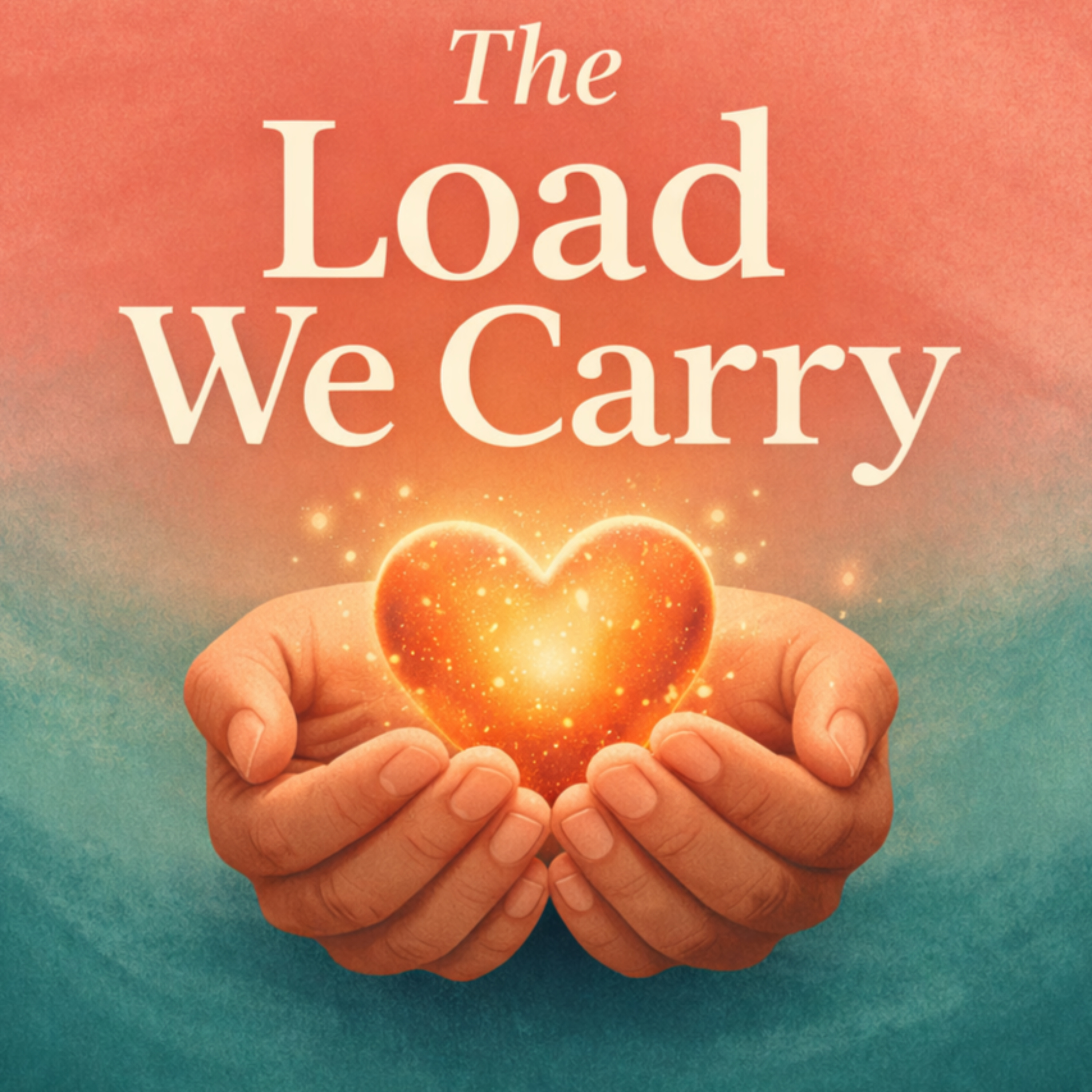
The Load We Carry
by Emily Mori, LCPC
The Load We Carry is a podcast for people who are quietly holding everything together.In Season One, therapist and educator Emily Mori explores what it really means to live, love, parent, and build relationships in a world that is not designed for neurodivergent minds, sensitive nervous systems, or emotionally aware people. Through honest conversations and deeply reflective storytelling, this season looks at the invisible labor of caregiving, masking, managing relationships, navigating burnout, and trying to stay connected to yourself while meeting everyone else
Episodes
-
The Invisible Tax: The Cost of Adapting in a World That Doesn’t Bend
In this deeply honest episode of The Load We Carry, Emily Mori explores the hidden emotional, financial, and psychological costs of living as a neurodivergent adult or caregiver in systems that were never designed to support real human complexity. Through the story of “Sarah,” a working mother...
-
A Life That Fits: Moving Beyond Survival and Into Alignment
In this episode of The Load We Carry, Emily Mori explores the difference between fitting into life and creating a life that truly fits you. So many people move through their days exhausted, overwhelmed, and disconnected from themselves while believing the problem is personal failure. Emily…
more -
The Hidden Weight Behind Conflict in Neurodivergent Families
In this episode of The Load We Carry, Emily Mori explores why conflict in neurodivergent families and relationships is often misunderstood. Beneath arguments, shutdowns, defensiveness, and emotional overwhelm are nervous systems carrying stress, sensory overload, exhaustion, and years of feeling...
-
The Hidden Cost of Masking: Burnout, Identity, and Learning to Come Back to Yourself
In this deeply reflective episode of The Load We Carry, Emily Mori explores the emotional and psychological impact of masking in late diagnosed neurodivergent adults, especially women, caregivers, and helping professionals. Emily discusses how masking often begins as a survival strategy rooted in...
-
When Both Parents Are Neurodivergent
In this episode of The Load We Carry, Emily Mori explores the realities of dual-neurodivergent households and the emotional complexity that comes with parenting while managing two overwhelmed nervous systems. Drawing from her experience as a therapist and educator, Emily discusses executive...
-
Dads Carry a Load Too
This episode of The Load We Carry centers a perspective that is often present but rarely acknowledged—fathers navigating the emotional, practical, and systemic weight of raising neurodivergent children. Emily Mori explores how societal expectations around masculinity, provider roles, and…
more -
In Conversation: What Support Really Looks Like
This episode of The Load We Carry pulls back the curtain on what “support” actually looks like for families navigating mental health, disability, and care systems. Emily Mori, alongside another professional voice, explores the hidden realities behind services—highlighting the coordination burden,...
-
Not All Therapy Is the Same
This episode of The Load We Carry explores a truth many people sense but rarely hear validated: not all therapy is the same. Emily Mori unpacks the wide range of therapeutic approaches and why a lack of progress in therapy is often about poor fit—not personal failure. Through a...
-
Neurodivergent Dating Is Not Broken
This episode of The Load We Carry challenges the idea that neurodivergent individuals are “bad at dating” and instead reframes the experience as a mismatch between neurodivergent nervous systems and modern dating culture. Emily Mori explores how sensory overload, masking, communication…
more -
You Are Not Imagining This
This workbook is intended to help you recognize and understand the full scope of what you have been carrying. Many of the demands you face are ongoing, complex, and often unsupported, and they are frequently internalized as personal shortcomings rather than acknowledged as real external…
more -
What Was Never Yours to Carry
In this episode of The Load We Carry, Emily Mori explores the quiet but powerful question many mothers rarely have the space to ask: what actually belongs to me to carry? Moving beyond common advice about productivity, efficiency, and better systems, Emily examines the deeper realities of chronic...
-
Finding a Moment to Breathe
Coping isn’t a moral issue—it’s your nervous system trying to find relief in a life that asks you to carry a lot. In this episode of The Load We Carry, Emily Mori explores how shame and cultural expectations distort the way mothers evaluate their coping strategies, especially when raising...
-
When Expectations Outpace Support
In this episode of The Load We Carry, Emily Mori explores coping through a lens of compassion rather than judgment, challenging the cultural narratives that label certain forms of relief as “good” or “bad.” She examines how mothers—especially those raising neurodivergent children—often carry...
-
The Invisible System
In this episode of The Load We Carry, Emily Mori explores burnout through a compassionate, nervous system–informed lens that moves far beyond the typical advice of self-care and better routines. This conversation is for the mothers who are still showing up, still functioning, still holding...
-
Autism
This episode of The Load We Carry explores autism not as an isolated diagnosis, but as a force that reshapes entire family systems. Instead of focusing only on the autistic child, this conversation centers the invisible labor mothers carry every day — the constant regulation, sensory mapping,...
-
Autism and Family
In this episode of The Load We Carry, Emily Mori explores how autism reshapes entire family systems, especially for mothers who carry the invisible labor of regulation, advocacy, and emotional support. She highlights how daily life becomes organized around sensory needs, transitions, school...
-
High-Functioning Burnout
High-Functioning Burnout looks like holding everything together on the outside while quietly falling apart on the inside. In this episode, Emily explores what happens when chronic stress stops being situational and becomes your baseline. We talk about nervous system overload, invisible labor,...
-
Naming the Load
In this opening episode of The Load We Carry, Emily Mori invites you to slow down and take an honest look at everything you have been holding. The emotional labor, the responsibility, the caregiving, the expectations, and the quiet pressure to keep going no matter how tired you feel. This episode...
We're indexing this podcast's transcripts for the first time — this can take a minute or two. We'll show results as soon as they're ready.
No matches for "" in this podcast's transcripts.
No topics indexed yet for this podcast.
Loading reviews...
ABOUT THIS SHOW
The Load We Carry is a podcast for people who are quietly holding everything together.In Season One, therapist and educator Emily Mori explores what it really means to live, love, parent, and build relationships in a world that is not designed for neurodivergent minds, sensitive nervous systems, or emotionally aware people. Through honest conversations and deeply reflective storytelling, this season looks at the invisible labor of caregiving, masking, managing relationships, navigating burnout, and trying to stay connected to yourself while meeting everyone else
HOSTED BY
Emily Mori, LCPC
Loading similar podcasts...
Frequently Asked Questions
How many episodes does The Load We Carry have?
The Load We Carry currently has 18 episodes available on PodParley. New episodes are automatically indexed when they're published to the podcast feed.
What is The Load We Carry about?
The Load We Carry is a podcast for people who are quietly holding everything together.In Season One, therapist and educator Emily Mori explores what it really means to live, love, parent, and build relationships in a world that is not designed for neurodivergent minds, sensitive nervous systems, or...
How often does The Load We Carry release new episodes?
The Load We Carry has 18 episodes. Check the episode list to see recent publication dates and frequency.
Where can I listen to The Load We Carry?
You can listen to The Load We Carry on PodParley by clicking any episode. We provide an embedded audio player for direct listening, and you can also subscribe via your preferred podcast app using the RSS feed.
Who hosts The Load We Carry?
The Load We Carry is created and hosted by Emily Mori, LCPC.
URL copied to clipboard!