
PODCAST · society
The Support and Kindness Podcast
by Greg Shaw
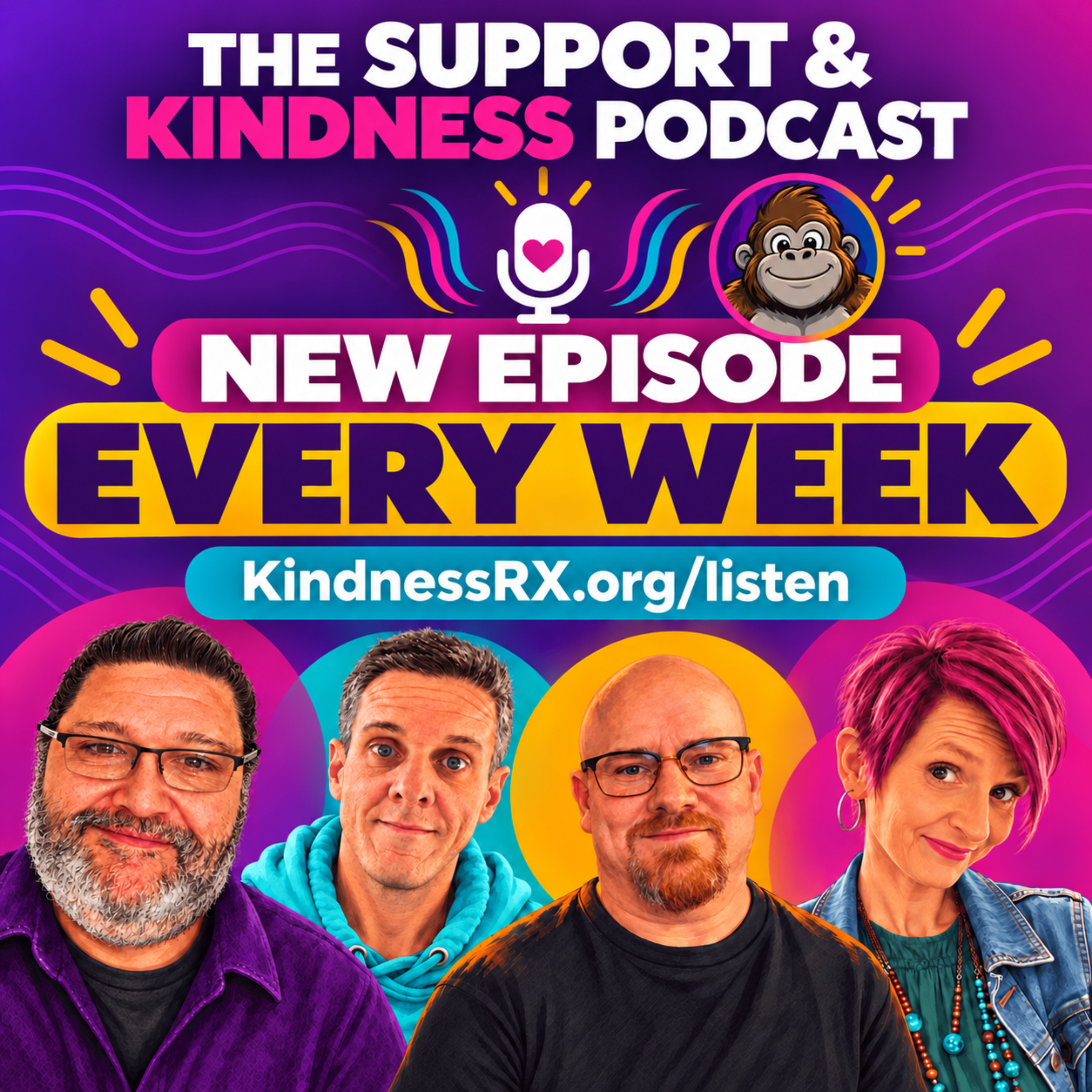
🌟 The Support & Kindness Podcast – With Greg and RichLife with mental health challenges, brain injury, TBI, chronic pain, or simply the weight of everyday struggles can feel overwhelming. That’s why we created The Support & Kindness Podcast — a space where compassion, community, and real conversations come together.Each week, Greg and Rich share stories, insights, and practical tools that remind you you’re not alone. From personal experiences to uplifting interviews, we explore how kindness and support can transform lives — one story, one act, one conversation at a time.Expect heartfelt talks, simple steps you can take to spread kindness in your world, and encouragement to keep going, even on the hardest days. Whether you’re seeking hope, healing, or just a gentle reminder that what you do matters, this is your place.👉 New episodes weekly. Subscribe and join us in building a kinder, more supportive world.
Episodes
-
Episode 56: When You Can't Make Yourself Do Basic Things
When You Can't Make Yourself Do Basic Things You need a shower. There's food to make and a letter you haven't opened. You know what needs doing, but getting started feels like too much. Then someone says, "It only takes five minutes." This week, Rich, Liam, Sarah, and I talk about the everyday...
-
The Anxiety of Checking Your Phone | Episode 55
You care about people. So why can opening their messages feel so hard? An unread text. A missed call. A voicemail you keep putting off. Sometimes a phone notification feels like one more demand before you even know what it says. Greg, Rich, Liam, and Sarah talk honestly about phone anxiety, the...
-
Episode 54: Are Influencers Ruining Kindness?
Episode 54: Are Influencers Ruining Kindness? Someone pays for a stranger's groceries. The help is real. But did the person want their difficult moment shared with millions of people? Greg Shaw, Rich, Liam, and Sarah talk about kindness videos, money, consent, and what happens when someone's...
-
Episode 53: Politics at the Kitchen Table: Can We Love People We Deeply Disagree With?
What happens when someone you love sees an important issue in a completely different way? A conversation at the kitchen table can turn tense quickly, especially when politics, values, and family history are all tangled together. I’m joined by Rich, Liam, and Sarah for a candid conversation about...
-
Schedule Update: New Episodes Are Moving to Wednesdays
For the past year, The Support & Kindness Podcast has consistently released new episodes on Mondays. Because of changes in schedules and the demands of this season, we’re moving our regular release day. Going forward, look for new episodes on Wednesdays. Nothing else is changing. Greg, Rich…
more -
Episode 52: When Depression Doesn’t Lift - Treatment Options, Crisis Support, and Hope with Dr. Mark Blair
CONTENT NOTE This episode discusses depression, suicidal thoughts, and suicide prevention. In the U.S., call or text 988 or visit https://988lifeline.org for free, confidential crisis support. If there is immediate life-threatening danger, call 911 or go to the nearest emergency department.…
more -
Episode 51: The Cost of Survival — Money Stress, Disability Budgets, and Economic Shame
Episode 51: The Cost of Survival — Money Stress, Disability Budgets, and Economic Shame A budget can be careful, detailed, and honest—and still come up short. In this episode, Greg is joined by Rich, Liam, and Sarah for an open conversation about disability, fixed incomes, rising costs, benefit...
-
Episode 50: The Diagnosis That Never Comes: Living in Medical Limbo
Content note: This episode discusses undiagnosed illness, medical uncertainty, and the emotional toll of waiting for answers. If you're in crisis, call or text 988 (US Suicide & Crisis Lifeline). You are not alone. Episode 50 of The Support and Kindness Podcast sits in a place that is honestly a...
-
Episode 49: Weaponized Incompetence
Content note: this episode discusses emotional abuse, controlling relationship dynamics, and burnout. If you feel controlled or unsafe in a relationship, you are not alone. US: National Domestic Violence Hotline, 1-800-799-7233,or text START to 88788. You ask someone to do a task they have done...
-
Episode: 48 — Invisible Illness: When You Don’t Look Sick
Invisible Illness: When You Don’t Look Sick Content note: this episode discusses living with chronic illness, being dismissed by doctors and loved ones, and the toll of not being believed. Be gentle with yourself as you listen. “You don’t look sick.” Four words usually meant kindly — that can…
more -
Episode 47: Understanding Fibromyalgia - with Linda Fraas
Content note: This episode discusses chronic illness, chronic pain, depression, and anxiety. If you're struggling, call or text 988 (US) for the Suicide & Crisis Lifeline. Fibromyalgia is invisible on the outside and relentless on the inside - and still too often met with "it's all in your head."...
-
Episode 46: Social Media Etiquette - What Not to Post!
Content note: This episode discusses cyberbullying, online harassment, and scams. Nothing is graphic. If you’re in crisis, call or text 988 anytime — the 988 Suicide & Crisis Lifeline is free and available 24/7. We treat online life like it’s less real than the rest of our lives — but there’s a...
-
Episode 45: Are People Really Getting Ruder? Public Etiquette in a Distracted World
Episode 45: Are People Really Getting Ruder? Public Etiquette in a Distracted World Nearly half of Americans say people have gotten ruder since the pandemic — but 84% say they personally know exactly how to behave. Both can’t be true. This week Greg, Rich, and Sarah ask whether people are really...
-
Episode 44: Can a Chatbot Support Your Mental Health
Episode 44 Content note: This episode discusses suicidal thinking and the ways some AI tools have responded poorly to people in crisis, including young people. If you're struggling, you're not alone. In the US, call or text 988 for the Suicide & Crisis Lifeline. International listeners: please...
-
Episode 43: A Fireside Chat
This week we skipped the script for a real fireside chat. Greg, Rich, and Liam talk about what it actually takes to get by when money is tight — and why needing help is nothing to be ashamed of. With costs climbing and grocery budgets shrinking, more of us are leaning on food pantries, benefits,...
-
Episode 42: The Many Faces of Kindness
Hold a door. Wave a car in. Text an old friend out of nowhere. Small kindnesses — but that same gesture can mean something completely different three time zones away. In Episode 42, we travel the world to ask one question: does kindness look the same everywhere? The heart of it does. The shape of...
-
Episode 41: RSD: Rejection Sensitive Dysphoria
Content note: this episode discusses rejection, shame, and self-harm. If you are struggling, you are not alone. In the US, call or text 988 for the Suicide and Crisis Lifeline. That sinking feeling when one small piece of feedback lands like a punch? There is a name for it: Rejection Sensitive...
-
Episode 40: The Cost of Kindness
Episode 40: The Cost of Kindness Content note: One segment includes a personal story of childhood family violence. If you’re struggling, you’re not alone: In the US call or text 988, or the National Domestic Violence Hotline at 1-800-799-7233. We almost always hear “the cost of kindness” as a...
-
Episode 39: Adult ADHD — What You Need to Know
You wrote the plan down. You even put it on your phone. By 10 a.m. you’d started four things and finished none — and that same old voice was asking what’s wrong with you. If that’s familiar, this one’s for you. In Episode 39, Greg and Rich have an honest, personal conversation about adult ADHD:...
-
Episode 38: What You Can Actually Control
It’s late, you’re scrolling, and there’s a low hum under everything — the headlines, the economy, the things you can’t fix. You’re not upset about one thing; you’re just heavy, tired, and small. Episode 38 is about that feeling, and about finding where your power actually lives. Greg, Rich…
more -
June 1st. 2026
Welcome back to the Support and Kindness Podcast, I'm your host, Greg Shaw, and I just wanted to let you know that we're not going to actually air a podcast this week. We've got some people who are sick this week, some people who are on vacation, and some people are just playing hooky. Rich and I...
-
Episode 37: Your Emotional First Aid Kit
Content note: This episode discusses mental health crisis, panic attacks, and suicidal thinking. If you're struggling, call or text 988 (US Suicide & Crisis Lifeline). International listeners: please use your local crisis line.When you cut your finger, you reach for the first aid kit. But what do...
-
Episode 36 Cruelty of The Inner Voice
Episode 36: Cruelty of The Inner Voice What would you do if a stranger spoke to you the way your inner critic does? Most of us would walk away. Some of us would speak up. Some of us would call someone for help. But when that same cruelty comes from inside our own heads, many of us accept it as...
-
Episode 35: The Mask We Wear — High Functioning Depression and the People Nobody Worries About
Some people look fine on the outside. They show up. They answer the messages. They get the work done. They check on everyone else. They smile, laugh, and keep life moving. But inside, they may feel exhausted, numb, disconnected, or quietly overwhelmed. In this episode of The Support and Kindness...
-
Episode 34: Why Embarrassing Memories Show Up at 3 AM
The neuroscience of intrusive memory, shame, and why old cringe moments can feel so alive at night Why does your brain wait until the quietest part of the night to replay something awkward from years ago? In this episode of the Support and Kindness Podcast, Greg, Rich, Liam, Tony, and Sarah…
more -
Episode 33 — Grief Without a Death Navigating the Grief of Friendships, Family, and Careers
Episode 33 — Grief Without a Death Navigating the Grief of Friendships, Family, and Careers Hosts: Greg Shaw, Rich, Derek, Liam, Sarah Episode Overview This episode names a kind of grief many people carry silently: grief without a death. Greg and the co‑hosts explore living loss—the grief that...
-
Episode 32: Kindness as Medicine - The Science Behind Compassion
Hosts: Greg Shaw, Rich, Jay, Derek, Liam, Tony Podcast: Supporting Kindness Podcast Episode Focus: How kindness and compassion impact physical health, mental health, and the nervous system—backed by real science and lived experience. Episode Overview In this episode, Greg and the co‑hosts explore…
more -
Episode 31: When Your Brain Won’t Let You Rest: The Exhaustion No One Sees
Episode 31: When Your Brain Won’t Let You Rest: The Exhaustion No One Sees Hosts: Greg, Rich, Jay, Derek, Liam, Tony This episode centers on a kind of exhaustion that sleep doesn’t fix, and others often can’t see. Greg and the team unpack mental and emotional exhaustion—how it builds, why it...
-
Episode 30: Who Do You Trust?
WHO DO YOU TRUST? Support and Kindness Podcast Hosts: Greg Shaw, Rich, Derek, Liam, Sarah Trust is something we all rely on, yet many of us struggle to define, build, or rebuild it—especially after being hurt. In Episode 30, the Support and Kindness team has an honest, personal, and sometimes raw...
-
Episode 29: "Choosing a Good Medical Provider or Therapist"
Hosts: Greg, Rich, Jay, Derek, Liam Summary Choosing a medical provider or therapist can feel confusing, stressful, and high‑stakes—especially when you are already not feeling your best. In Episode 29, Greg and the crew walk through a clear, practical roadmap for finding care that actually fits...
-
Episode 28: How to Be a Better Listener
Episode 28: How to Be a Better Listener Support and Kindness Podcast Hosts: Greg, Rich, Jay, Derek Episode Summary In Episode 28, the team takes a thoughtful look at what it truly means to listen. Not the kind where we wait for our turn to speak, but the kind that helps people feel seen, safe…
more -
Episode 27: Keeping Friendships Alive When You’re Struggling
Hosts: Greg, Rich, Jay, Derek, Liam When life feels heavy, friendships can feel hard to maintain. In this episode, the Support and Kindness crew talks honestly about what it looks like to stay connected when energy is low, pain is high, or mental health is fragile. The conversation blends…
more -
Episode 26 – Understanding Loneliness
The Support and Kindness Podcast Hosts: Greg, Rich, Jay, Derek, Liam Loneliness is something almost everyone experiences, yet few talk about openly. In Episode 26, the Support and Kindness crew takes a deep, honest look at what loneliness really is, why it’s so common today, and how it affects…
more -
Episode 25: How the News Affects People With Depression and Anxiety
Hosts: Greg, Rich, Jay, Derek, Liam, Sarah The team has an open and honest conversation about how constant exposure to news, especially negative, sensational, and political content can intensify anxiety, depression, burnout, and emotional exhaustion. This is a peer-led discussion based on lived...
-
Episode 24: Self-Talk — The Power of Self-Talk: Understanding the Voice Within
Hosts: Greg, Rich, Jay, DerekPodcast: Support and Kindness Podcast Episode Summary In this episode, the team explores self‑talk—the inner voice that shapes how we handle stress, setbacks, and everyday life. Greg opens with a clear explanation of what self‑talk is, why it matters, and how it…
more -
Episode 23: Sleep - Why It Matters, Why It’s Hard, and How to Rest Better
Hosts: Greg Shaw, Rich Jay, Derek, Sarah Summary Sleep is something we all do, yet many people struggle to get enough of it—or to feel truly rested. In Episode 23, the Support and Kindness team talks about why sleep matters, why it can be difficult, and what can help. The discussion blends…
more -
Episode 22: If It Is Worth Doing It Is Worth Doing Badly
Hosts & Co‑Hosts: Greg Shaw, Rich, Jay, Derek, Sam This episode centers on a freeing idea: if something truly matters, it’s worth starting even when you can’t do it well yet. Greg and the team explore how perfectionism often masks fear, how imperfect action creates learning, and why courage…
more -
Episode 21: How to Stop Self-Sabotage & Break Free From Limiting Beliefs
Self-sabotage can look like procrastination, perfectionism, negative self-talk, unhealthy coping, or pushing people away when things start going well. In this episode, the hosts unpack how fear (of failure/rejection and of success), low self-worth, and learned patterns can quietly derail...
-
Episode 20 — Anxiety With No Apparent Cause
Episode 20 — Anxiety With No Apparent Cause Hosts: Greg · Rich · Jay · Liam · Derek · Sarah Episode Overview Have you ever felt anxious for “no reason at all”? Your heart races, your chest tightens, your thoughts spiral, but nothing obvious is wrong? In Episode 20, the Support and Kindness…
more -
Episode 19 — Seasonal Affective Disorder — SAD
Seasonal Depression (Seasonal Affective Disorder — SAD) Support and Kindness Podcast Hosts: Greg Shaw, Rich, Jay Episode Focus: Understanding Seasonal Affective Disorder (SAD), how it shows up in real life, and why compassion and connection matter during darker seasons. Episode Summary As…
more -
Episode 18: New Year Resolutions
Hosts: Greg, Rich, Jay, Derek, Sarah Overview This episode opens the 2026 season with an honest, grounded look at why New Year’s resolutions so often fail—and what can actually help them last. The hosts focus on self‑compassion, small steps, and allowing space for real life. Instead of rigid...
-
Episode 17: Gratitude
The Support and Kindness Podcast Episode 17: Gratitude Hosts: Greg Shaw, Rich, Jay, Derek Podcast Series: Support and Kindness Episode Summary In Episode 17, Greg and the co-hosts slow things down to talk about gratitude as a lived practice, not just good manners or positive thinking. The...
-
Episode 16: Holiday Traditions and Memories
Support and Kindness Podcast Episode 16: Holiday Traditions and Memories Hosts: Greg, Rich, Jay, Derek Episode Overview This episode explores holiday traditions around the world and the personal memories that give the season meaning. The conversation moves from ancient winter festivals and global...
-
Episode 14: Understanding Chronic Pain - Beyond Hurt
The Support & Kindness Podcast – Episode 14 Title: Understanding Chronic Pain: Beyond Hurt Recording date: December 6, 2025 Hosts: Greg (host), Rich, Jay, Derek, Sam Important Disclaimer None of the hosts are medical professionals. This episode offers education, validation, and peer support. It…
more -
Episode: 12 – Substance Use Nostalgia
Title: Substance Use Nostalgia – When “Good Memories” Become Risky Triggers Podcast: The Support and Kindness Podcast Episode: 12 – Substance Use Nostalgia Release Date: Saturday, November 22, 2025 Hosts: Greg (host), with co-hosts Derek, Rich, Liam, and Jay Episode Summary In this powerful and...
-
Episode 11: What Does Recovery Look Like To You?
Title: The Support and Kindness Podcast with Greg and Rich Episode 11: What Does Recovery Look Like To You? Date: November 15, 2025 Hosts: Greg, Rich, Jay Episode summary: This episode explores how recovery can look different depending on the person and the context—addiction, eating disorders,...
-
Episode 10: Dealing with Last-Minute Plan Changes
The Support and Kindness Podcast with Greg and Rich Episode 10: Dealing with Last-Minute Plan Changes Hosts: Greg, Rich, Jay Episode summary: In this episode, Greg, Rich, and Jay explore how to handle sudden plan changes without letting stress take over. They share personal stories—from canceled...
-
Episode 9: Asking for Help (And Accepting It)
The Support and Kindness Podcast with Greg and Rich Episode 9: Asking for Help (And Accepting It) Hosts: Greg, Rich, Jay, Liam Episode summary: This episode explores why asking for and accepting help feels hard, even when it’s the right move. The hosts dig into research on gender, age, and...
We're indexing this podcast's transcripts for the first time — this can take a minute or two. We'll show results as soon as they're ready.
No matches for "" in this podcast's transcripts.
No topics indexed yet for this podcast.
Loading reviews...
ABOUT THIS SHOW
🌟 The Support & Kindness Podcast – With Greg and RichLife with mental health challenges, brain injury, TBI, chronic pain, or simply the weight of everyday struggles can feel overwhelming. That’s why we created The Support & Kindness Podcast — a space where compassion, community, and real conversations come together.Each week, Greg and Rich share stories, insights, and practical tools that remind you you’re not alone. From personal experiences to uplifting interviews, we explore how kindness and support can transform lives — one story, one act, one conversation at a time.Expect heartfelt talks, simple steps you can take to spread kindness in your world, and encouragement to keep going, even on the hardest days. Whether you’re seeking hope, healing, or just a gentle reminder that what you do matters, this is your place.👉 New episodes weekly. Subscribe and join us in building a kinder, more supportive world.
HOSTED BY
Greg Shaw
CATEGORIES
Loading similar podcasts...
Frequently Asked Questions
How many episodes does The Support and Kindness Podcast have?
The Support and Kindness Podcast currently has 58 episodes available on PodParley. New episodes are automatically indexed when they're published to the podcast feed.
What is The Support and Kindness Podcast about?
🌟 The Support & Kindness Podcast – With Greg and RichLife with mental health challenges, brain injury, TBI, chronic pain, or simply the weight of everyday struggles can feel overwhelming. That’s why we created The Support & Kindness Podcast — a space where compassion, community, and real...
How often does The Support and Kindness Podcast release new episodes?
The Support and Kindness Podcast has 58 episodes. Check the episode list to see recent publication dates and frequency.
Where can I listen to The Support and Kindness Podcast?
You can listen to The Support and Kindness Podcast on PodParley by clicking any episode. We provide an embedded audio player for direct listening, and you can also subscribe via your preferred podcast app using the RSS feed.
Who hosts The Support and Kindness Podcast?
The Support and Kindness Podcast is created and hosted by Greg Shaw.
URL copied to clipboard!