
PODCAST · health
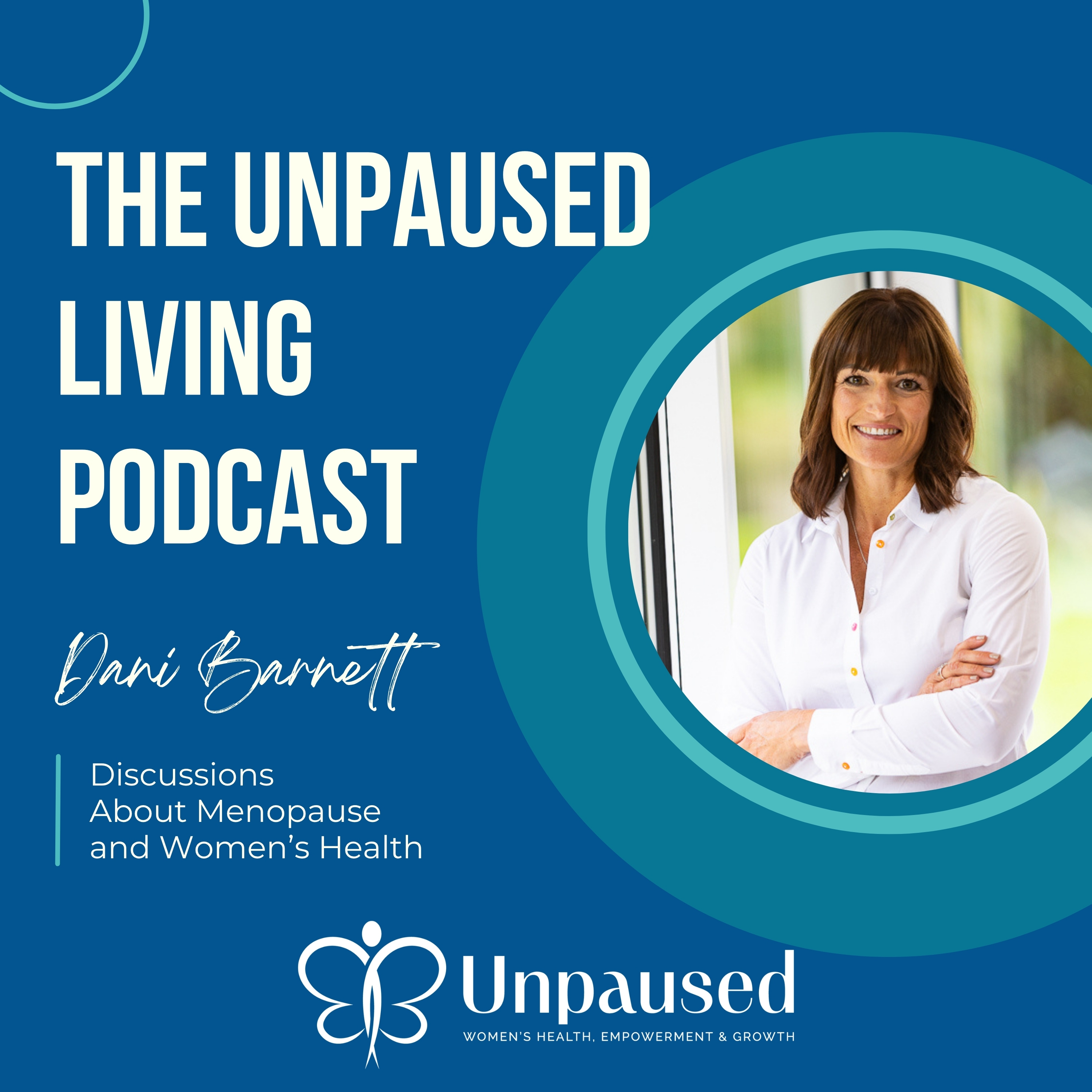
The Unpaused Living Podcast
by Unpaused Living
Unpaused Living is a podcast for women navigating midlife and menopause with more clarity and less confusion. Hosted by menopause coach Dani Barnett, it breaks down what’s happening in your body, why things feel different, and how to move forward with confidence. With real talk, simple science, and practical tools, this is your space to understand yourself - not fix yourself. Because this isn’t the end of something, it’s the start of your next chapter.
-
9
A Pause Before the Next Season
I wanted to jump on and share a quick update with you.I’m going to be taking a short break from the podcast for a little while — not because I’m stopping, but because I’m making space to come back even better.Over the past weeks, creating this podcast has been such a fun experience, and I’m so grateful to everyone who’s listened, followed along, and supported it so far.I’ve also been spending some time thinking about where I want to take the podcast next, and I’m really excited about what’s coming. I’ll be bringing in some guests, having even more meaningful conversations, and creating fresh content that I think you’re really going to love.This isn’t goodbye, it’s just a pause… and I’ll be back soon with a new season, new energy, and lots more conversations to help you feel seen, supported, and less alone.If you have any recommendations of speakers or a topic that you'd like to cover please let me know. Thank you again for being here, and I can’t wait to come back with a new season and some exciting new episodes soon.Take care, and I’ll speak to you soon.
-
8
Let’s Talk About Sex: Reclaiming Desire During Menopause
Why Your Sex Drive Changes in Midlife (And What No One Tells Women About It)In this episode of The Unpaused Living Podcast, we’re having the honest conversation many women need but rarely get—about sex, libido, menopause, painful sex, desire, and intimacy in midlife.Because changes in libido during menopause are rarely about one single thing.We explore the physical, emotional, hormonal, and relational reasons sex can feel different in midlife—and most importantly, what you can do about it.As oestrogen declines, the tissues of the vulva and vagina can become thinner, drier, less elastic, and more fragile. This can lead to pain, regular UTIs and dryness.The most important message: painful sex is not normal, and it is not something you should just put up with.We discuss why vaginal oestrogen can be a game-changer for many women experiencing menopause-related vaginal symptoms.Libido isn’t just hormonal—it’s deeply affected by your nervous system and mental load.When your days are stressful and busy, it’s no surprise you don’t magically feel “in the mood” at the end of the day.Because desire requires mental space.It may not sound sexy—but planning intimacy can recreate the anticipation, build-up, and excitement many couples naturally had when dating.We talk about why intentional intimacy often works better than waiting for spontaneous desire in long-term relationships.Why many women need desire to build gradually rather than appear instantly—and how anticipation, flirtation, emotional connection, and mental preparation all help “fill the jar.”How body image changes in midlife can affect sexual confidence, presence, and pleasure—and why feeling attractive starts with changing the conversation in your own head.Not everyone gets turned on the same way.We unpack the difference between:Physical-first desire: when arousal leads to desireEmotional-first desire: when connection and mental readiness come firstUnderstanding this can completely transform how couples approach intimacy.Many women believe libido is “gone” because they’re waiting to feel spontaneous desire.But in reality, many women—especially in midlife—experience responsive desire, where interest in sex builds afterintimacy begins.This is one of the most important shifts to understand if your libido has changed.For many women, foreplay begins long before the bedroom.Feeling:AppreciatedSupportedListened toConnectedDesired…can be a crucial part of accessing sexual desire.We discuss practical ways to open the conversation around intimacy, what’s changed, what you want, and what could feel better—without the awkwardness taking over.If your libido has changed in perimenopause or menopause…If sex feels different…If desire is harder to access than it once was…That does not mean something is wrong with you.It means your body, your hormones, your nervous system, your responsibilities, and your relationship dynamics may have changed.And with understanding, communication, and the right support, intimacy in midlife can become:More connectedMore intentionalMore fulfillingMore pleasurable than ever beforeBecause different does not mean diminished.Pillow Talks Podcast by Vanessa & Xander MarinMagnificent Sex by Peggy KleinplatzIf this episode resonates and you’d like support navigating the changes you’re experiencing in midlife, menopause, relationships, or intimacy, my 1:1 coaching may be a great place to start.Message me to book a discovery call and explore how we can work together.
-
7
Menopause and Heart Health: Why Midlife Women Need to Know Their Risk
Heart disease is the leading cause of death in women - yet when we talk about women’s health in midlife, the conversation is still overwhelmingly focused on symptoms, weight gain, and breast cancer awareness.In this episode of The Unpaused Living Podcast, Dani Barnett explores why heart health needs to become part of every menopause conversation and breaks down the powerful connection between declining oestrogen, menopause and cardiovascular disease risk.For years, fear around HRT and breast cancer dominated the narrative around menopause care — but in doing so, many women were never told the full story about how hormones influence long-term health, including the protective role oestrogen plays in the cardiovascular system.In this episode, Dani covers:Why heart disease is the biggest health threat to women in midlifeHow perimenopause and menopause increase cardiovascular riskThe role of oestrogen in protecting the heart and blood vesselsWhy weight gain, rising cholesterol and blood sugar changes often happen in midlifeHow heart disease symptoms can present differently in womenWhy these symptoms are so often mistaken for anxiety, stress or menopause itselfThe truth about HRT, breast cancer fear and the missing wider health conversationThe lifestyle habits that make the biggest difference to long-term heart health:This episode is not about fearmongering - it’s about awareness, education and empowerment.Because menopause is not the beginning of decline.It’s a health checkpoint.A chance to understand what your body needs now - and how to support it for the decades ahead.If you’re navigating perimenopause, menopause, hormonal changes, weight gain, fatigue, anxiety, or simply want to better understand your long-term health, this episode will give you the knowledge you need to make informed decisions about your body and future wellbeing.Dani is a certified menopause coach helping women understand their bodies, hormones and health through evidence-based coaching and realistic lifestyle strategies.Connect for 1:1 coaching and support: www.unpausedliving.co.uk
-
6
Why Do I Suddenly Feel So Anxious? (Perimenopause Explained)
Are you suddenly feeling more anxious than usual -overwhelmed by everyday life, struggling to switch off at night, or noticing heart palpitations and racing thoughts that don’t feel like you?In this episode, we explore why anxiety can appear during perimenopause, even if you’ve never experienced anxiety before.Many women in their late 30s and 40s begin to notice changes in their mood, stress tolerance and emotional resilience - often without realising that hormonal fluctuations may be playing a significant role.I break down what’s happening in your body during perimenopause, including the impact of declining progesterone, fluctuating oestrogen, and lower testosterone - and how these hormonal shifts affect your brain, nervous system, and overall sense of calm.You’ll learn:Why you may feel more anxious, overwhelmed or emotionally sensitiveThe connection between hormones and neurotransmitters like serotonin and GABAWhy your stress response may feel heightened during midlifeSimple, practical ways to calm anxiety and support your nervous systemThis episode is designed to help you understand what’s happening, so you can stop questioning yourself and start responding with more clarity and confidence.If you’ve been asking “why do I feel so anxious all of a sudden?” - especially during perimenopause or menopause - this will help you make sense of it.You’re not alone, and more importantly - there are ways to feel more like yourself again.If this resonates with you and you’d like more personalised support, I offer 1:1 menopause coaching to help you navigate this stage with more calm, clarity and confidence.https://www.unpausedliving.co.uk
-
5
Can’t Sleep? The Hormone Connection You Need to Understand
Sleep used to feel simple. You would go to bed, fall asleep, and wake up feeling rested. But somewhere along the way, that changed.If you are finding yourself wide awake at 3am, struggling to fall asleep despite feeling exhausted, or waking up feeling like your sleep has not restored you at all, you are not alone. And more importantly, there is a reason for it.In this episode, we are talking about one of the most common and frustrating symptoms of perimenopause: disrupted sleep.This is not about doing sleep better or adding pressure to your already full plate. It is about understanding what is happening in your body so you can respond with the right kind of support.We explore the hormonal shifts behind these changes. Progesterone, often known as the body’s calming hormone, is one of the first to decline in perimenopause. As levels drop, falling asleep can become harder, sleep can feel lighter, and waking during the night becomes more common. For some women, this is one of the earliest signs that something is shifting.We also look at oestrogen and why changes here can leave your mind feeling busier and harder to switch off at night. If you find yourself replaying conversations, worrying more, or lying awake with a racing mind, this will help you understand why.But hormones are only part of the picture.Many women are surprised when everyday habits suddenly start to impact sleep. That glass of wine, an afternoon coffee, or eating later in the evening can all begin to disrupt sleep more during this stage of life.We talk about:why alcohol can make you feel sleepy but disrupt sleep laterhow caffeine becomes more stimulating and lingers longerthe link between blood sugar, late eating, and waking in the nightWe also explore the role of stress. During perimenopause, the nervous system can become more sensitive, meaning stress feels stronger and harder to switch off from, especially at night.Importantly, this episode is not just about what is happening. It is about what can help.We share simple, supportive shifts that can help your body feel calmer and more ready for sleep, including:ways to settle a busy mind before bedhow writing things down can reduce mental loadgentle evening habits that support better sleepthe impact of light, screens, and daily movementWe also touch on something deeper, the relationship many of us have with rest. So often we push through exhaustion and ignore what our body is asking for. Perimenopause can be a time when those signals become harder to ignore.Learning to listen to your body again can be a powerful shift, not just for your sleep, but for your overall wellbeing.Because sleep is foundational. When it improves, energy returns, mood stabilises, and coping with daily life becomes easier.If you are struggling with sleep, this episode will help you feel reassured, informed, and supported, with small, realistic ways to start supporting your body.And if you want to explore this more deeply, this is something I support women with through my coaching, and we will also be diving into sleep, hormones, and practical tools at The Unpaused Next Chapter retreat.For now, press play and start making sense of your sleep again.
-
4
Wondering If It’s Perimenopause? What To Do Before You See Your GP
Preparing for Your GP Appointment for PerimenopauseThink it’s perimenopause - but your GP keeps saying everything is “normal”?Here’s how to walk into your appointment feeling confident, prepared, and finally heard.Have you ever left a GP appointment feeling unheard… or no closer to understanding what’s going on in your body?In this episode of The Unpaused Living Podcast, Dani Barnett shares how to prepare for a GP appointment when you’re experiencing perimenopause symptoms - so you can feel confident, informed, and supported in getting the help you deserve.Dani also opens up about her own deeply personal journey navigating ongoing symptoms, medical procedures, and the frustration of being told everything was “normal” when it didn’t feel that way. After years of advocating for herself, she shares the powerful shift that changed everything: learning to truly listen to her body.This episode is designed to help you do the same.How to prepare for a GP appointment for perimenopauseWhy tracking symptoms is key to getting answers fasterHow to use tools like the Balance app to identify patternsCommon perimenopause symptoms (anxiety, brain fog, insomnia, fatigue)Lifestyle changes to support hormone health before medical treatmentWhat blood tests to ask your GP for (vitamin D, iron, B12, thyroid)Why hormone blood tests aren’t always reliable in perimenopauseWhat to ask your GP about HRT (hormone replacement therapy)The difference between synthetic hormones and body identical HRTYou know your body better than anyone else.You are not wasting anyone’s time by asking questions, tracking your symptoms, or advocating for yourself. The more prepared you are, the more productive your GP appointment will be—and the sooner you can start feeling like yourself again.If this episode resonated with you and you’re ready to take the next step, you can reach out for a discovery call to explore 1:1 coaching and personalised support.You can find more details on my website: www.unpausedliving.co.uk
-
3
Menopause Around the World. Why The West Got It So Wrong
What if menopause isn’t the problem… but the story we’ve been told about it is?In this episode, we’re exploring how menopause is experienced across the world, and why the Western narrative may be shaping far more of our experience than we realise.For too long, menopause has been surrounded by silence, confusion, and negativity. Many women enter this stage of life feeling unprepared, unsupported, and often fearful of what’s to come. But is that the full picture?When we look beyond the Western lens, something fascinating happens.In cultures around the world, menopause isn’t always seen as a time of decline. In fact, in many places, it’s viewed as a powerful transition. A season of renewal, wisdom, and personal growth.From the Japanese concept of kōnenki, often translated as a time of energy and renewal, to the idea of the “Second Spring” in China, to cultures where post-menopausal women are seen as leaders, guides, and knowledge-keepers, a very different story begins to emerge.And this matters, because how we think about menopause directly shapes how we experience it.Research shows that our expectations, beliefs, and cultural narratives can influence not only how we feel emotionally, but even how we experience physical symptoms.So if we’ve been taught to fear menopause, to expect decline, to see it as something to get through, it’s no surprise that so many women struggle.But what if we could change that?In this episode, we explore how menopause is viewed in different cultures, why the Western narrative has become so negative, the powerful link between mindset and symptom experience, and how you can begin to shift your own perspective.Because menopause isn’t just a biological transition. It’s a cultural and psychological one too.And when we start to challenge the narrative, something powerful happens. We move from fear to understanding, from resistance to acceptance, from uncertainty to empowerment.This episode is an invitation to start seeing menopause differently. Not as something happening to you, but as something happening for you.If this episode resonates with you and you’re ready for more personalised support, I offer 1:1 menopause coaching to help you feel more in control, informed, and confident through this stage of life.You can also learn more about The Unpaused Living Retreat and all of my services at:www.unpausedliving.co.uk
-
2
What’s Really Happening in Perimenopause? Understanding Your Hormones
In this episode of The Unpaused Living Podcast, we’re diving deep into what’s really happening in your body during perimenopause and menopause. These years can feel confusing, exhausting, and sometimes downright frustrating -but understanding your hormones is the first step to feeling like yourself again.I’ll guide you through the three key hormones that shape this stage of life: oestrogen, progesterone, and testosterone, and explain exactly how shifts in each one can affect your sleep, mood, energy, brain clarity, muscle, bones, and overall wellbeing.First up is oestrogen. This is the hormone most people have heard about—but many women don’t realize how much it influences their entire body. During perimenopause, oestrogen doesn’t just steadily decline—it fluctuates, sometimes wildly. One week you might feel full of energy, focused, and emotionally balanced, and the next, exhausted, foggy, or anxious. These swings happen because your ovaries are producing eggs less regularly, making your hormone cycles unpredictable. The result? Hot flushes, night sweats, brain fog, joint aches, mood changes, and even impacts on heart and bone health.Next is progesterone, the often-overlooked hormone that supports sleep, calm, and emotional balance. Progesterone tends to decline earlier in perimenopause because we ovulate less frequently. This can leave many women struggling with insomnia, night waking, irritability, and feeling “wired but tired.” For some, progesterone—or progesterone-focused HRT—is the missing piece that can make a dramatic difference in sleep and mood. I share my own story of how poor sleep early in perimenopause wasn’t just stress—it was my progesterone dropping—and how understanding this changed my approach entirely.Finally, we explore testosterone, the hormone that’s rarely discussed in women’s midlife health—but it plays a key role in energy, focus, motivation, muscle, bone strength, and confidence, not just libido. When testosterone declines, you may feel more fatigued, foggy, or less resilient in your body. I share personal examples of moments when I realized my low energy and lack of focus weren’t “me being lazy”—they were my body’s way of telling me something had changed hormonally.Throughout this episode, I combine science, personal storytelling, and practical insights to give you a clear, relatable understanding of what’s happening inside your body. By the end, you’ll know why your symptoms aren’t random, why your body isn’t broken, and why understanding your hormones is the first step toward feeling like yourself again.And this is just the beginning. If you want to go even deeper, we’ll explore these hormones and their effects at The Unpaused Next Chapter Retreat on April 18th, where we’ll dive into strategies, lifestyle tips, and real-life solutions to support your body and mind. You can find all the details on my website.Whether you’re experiencing hot flushes, brain fog, poor sleep, low energy, or just want to understand what’s happening in your body, this episode is your first step toward clarity, empowerment, and taking control of this next chapter in life. Take a pause, listen, and let’s start navigating midlife—together.
-
1
First Episode of The Unpaused Living Podcast
Welcome to the very first episode of The Unpaused Living Podcast!In this episode, I’m sharing my story - how I found myself navigating surgical menopause at 40, what I thought it would be like, and the reality of what I experienced. Like so many women, I wasn’t prepared for the full picture, and for a while, I didn’t recognise what was happening in my own body.This podcast was created because of that experience.The Unpaused Living Podcast is here to open up the conversation around menopause and midlife, to bring clarity where there’s confusion, and to help you understand what’s really going on in your body - without overwhelm.In this episode, I’ll also share what you can expect from future episodes, from simple explanations of hormones to real conversations and practical support.This is about moving forward with knowledge, confidence, and a sense that you’re not doing this alone.Look out for my upcoming retreat in Guernsey on 18 April - The Unpaused Next Chapter: Empowered from WithinFind out more about Unpaused at www.unpausedliving.co.uk
We're indexing this podcast's transcripts for the first time — this can take a minute or two. We'll show results as soon as they're ready.
No matches for "" in this podcast's transcripts.
No topics indexed yet for this podcast.
Loading reviews...
ABOUT THIS SHOW
Unpaused Living is a podcast for women navigating midlife and menopause with more clarity and less confusion. Hosted by menopause coach Dani Barnett, it breaks down what’s happening in your body, why things feel different, and how to move forward with confidence. With real talk, simple science, and practical tools, this is your space to understand yourself - not fix yourself. Because this isn’t the end of something, it’s the start of your next chapter.
HOSTED BY
Unpaused Living
Loading similar podcasts...
Frequently Asked Questions
How many episodes does The Unpaused Living Podcast have?
The Unpaused Living Podcast currently has 9 episodes available on PodParley. New episodes are automatically indexed when they're published to the podcast feed.
What is The Unpaused Living Podcast about?
Unpaused Living is a podcast for women navigating midlife and menopause with more clarity and less confusion. Hosted by menopause coach Dani Barnett, it breaks down what’s happening in your body, why things feel different, and how to move forward with confidence. With real talk, simple science, and...
How often does The Unpaused Living Podcast release new episodes?
The Unpaused Living Podcast has 9 episodes. Check the episode list to see recent publication dates and frequency.
Where can I listen to The Unpaused Living Podcast?
You can listen to The Unpaused Living Podcast on PodParley by clicking any episode. We provide an embedded audio player for direct listening, and you can also subscribe via your preferred podcast app using the RSS feed.
Who hosts The Unpaused Living Podcast?
The Unpaused Living Podcast is created and hosted by Unpaused Living.
URL copied to clipboard!