
PODCAST · science
The Wild Idea
by Wild Idea Media
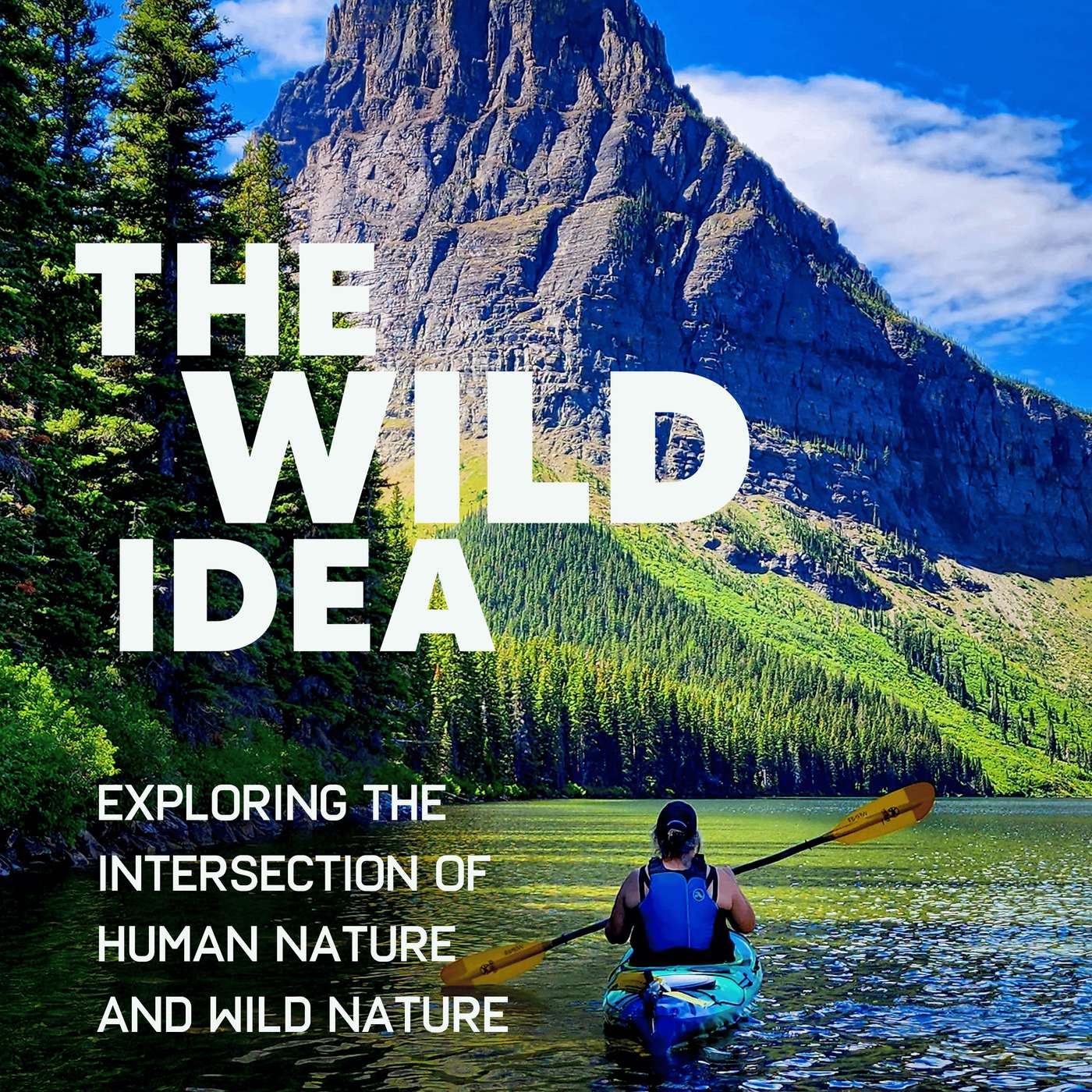
The Wild Idea is an exploration of the intersection of wild nature and our own human nature. The hosts, Bill Hodge and Anders Reynolds, through conversations with experts and thought leaders will dive into the ways that humans have both embraced and impact the function and vitality of our remaining wild places.
-
148
Jim Klug, Hal Herring & Alex Leone: River Access Is Not a Spectator Sport
In most Western states, wading a river through private land can get you arrested for trespassing. In Montana, it can't, and three guests join Bill and Anders to explain why. Jim Klug of Yellow Dog Flyfishing, journalist Hal Herring, and Alex Leone of the Public Land/Water Access Association trace Montana's 1985 Stream Access Law back to its roots in the state's 1972 Constitution and the landowner fights that tested it in court for decades, and explain what the law means for Montana's outdoor economy today. They also connect the dots to other current access fights, from corner crossing to last year's attempted sell-off of federal public land, and close with details on the Montana Stream Access Rally, a September 17 gathering in Bozeman meant to remind lawmakers that Montanans are still watching. Full show notes and links at our website, thewildidea.com.Support our show with a one-time or recurring gift through Buy Me a Coffee.
-
147
Christian Hunt & Kelly Cox: Can Wildlife Corridors Cross DC's Political Divide?
Parks and refuges were built to protect wildlife, but many function as islands, and the species that depend on them can't always survive within borders drawn decades before habitat connectivity was understood. Christian Hunt and Kelly Cox of Defenders of Wildlife join Bill and Anders to break down the Wildlife Corridors and Habitat Connectivity Conservation Act of 2026, a bipartisan bill that would create the first durable, legal framework for connecting fragmented wildlife habitat across federal lands, from national parks and refuges to BLM and Forest Service holdings. They dig into why the bill has drawn support across the political spectrum, from the economics of wildlife-vehicle collisions to a shared instinct that wildlife belongs to everyone, and what listeners can do to help it move in a shortened legislative calendar. The conversation also turns to Defenders' campaign at Cumberland Island National Seashore, where a National Park Service land exchange plan is raising questions about transparency and the island's mandate to remain undeveloped. Full show notes and links at thewildidea.com.Support our show with a one-time or recurring gift through Buy Me a Coffee.
-
146
Adam Cramer: How Outdoor Recreation Became a Conservation Coalition
Adam Cramer co-founded and now leads the Outdoor Alliance, a coalition of ten organizations, including American Whitewater, the Access Fund, and Winter Wildlands Alliance, that turns climbers, kayakers, mountain bikers, and backcountry skiers into public lands advocates. In this episode, Cramer traces his own path from corporate law to conservation, sparked by a pro bono legal case over a hydropower permit on a favorite whitewater river, and explains how Outdoor Alliance builds consensus among member groups who don't always agree. The conversation turns to what's at stake right now: the Roadless Rule, which protects 45 million acres of national forest, and a wilderness stewardship review with public comments due August 14, 2026. Cramer also makes the case for why showing up, filing a comment, or calling a lawmaker still matters, even when the odds look long, and why he thinks outdoor recreation might be one of the last public lands issues that doesn't split along party lines. Full show notes and links at our website, thewildidea.com.
-
145
Dan Puskar: DC's Own National Park
Dan Puskar, executive director of the Rock Creek Conservancy, introduces listeners to Rock Creek Park, the 1,754-acre national park running through the heart of Washington, DC, created by Congress the same week as Sequoia and Yosemite in 1890. Puskar explains what it takes to steward an urban national park that draws more than two million visits a year but has seen no real increase in its federal budget in two decades, from a 4,000-volunteer stewardship program to a new DC Water tunnel project aimed at cleaning up the creek itself. He also talks about where the park is investing first as it works to make Rock Creek feel open to every neighborhood it touches, and previews this week's reopening of the Carter Barron Amphitheater, a historic stage dark for a decade, for three nights of live music. Full show notes and links at our website, thewildidea.com.
-
144
Ryan Johnston: Building Cast Hope Through the Sport of Fly Fishing
Ryan Johnston has spent 24 years as a fly fishing guide, working rivers in California and Idaho and now Montana's Flathead Valley. In this episode, he shares stories from his three books, including the now-legendary "Monster Brown Trout" tale from his first book, A Reel Job, and reflects on what two decades in a drift boat has taught him about people, patience, and the intimacy of sharing a day on the water with a stranger. Johnston also traces the origin of Cast Hope, the youth mentorship nonprofit he founded in 2009 after a church sermon on giving back to his community, which now takes roughly 1,200 kids fly fishing for free every year across five Western regions. The conversation turns to the outfitter permit systems that govern access to rivers like the South Fork of the Snake, the tension between protecting a fishery and guides making a living, and why moving fish between waters remains one of the biggest threats to Western fisheries today. Full show notes and links at our website, thewildidea.com.
-
143
Andy Mergen & Justin Pidot: How Do We Make Public Lands More Public?
Please take our listener survey! We'd love to hear from you. Are America's public lands getting more public, or less? Two of the sharpest legal minds in the field join Bill and Anders to dig in. Andrew Mergen, faculty director of Harvard Law School's Emmett Environmental Law and Policy Clinic, spent decades litigating public lands cases for the Department of Justice. Justin Pidot teaches environmental law at the University of Arizona and served as general counsel of the White House Council on Environmental Quality. Together they cover the 1872 Mining Law, tribal co-management at national monuments, reacquiring land in the spirit of the century-old Weeks Act, and a proposal to charter a new Public Land Law Review Commission, the first since 1964. They close with a lightning round on the administration's rollback of Endangered Species Act habitat protections and a fresh round of cuts to Bears Ears and Grand Staircase-Escalante, both breaking as the episode was recorded. Full show notes and links at our website, thewildidea.com.
-
142
The Wild Line: DOGE Cuts Exacerbate Wildfire, Interior Cancels Endangered Species Protections, and Alaska Judge Dismisses Dalton Highway Suit
This week, a Senate committee drops most of its wilderness, national park, and wild and scenic river bills in favor of energy permitting measures, a federal judge in Anchorage clears the way for transferring more than 2 million acres along the Dalton Highway corridor to the State of Alaska, while the Interior Department cancels the Endangered Species Act's blanket 4(d) rule and NOAA rejects a bid to expand North Atlantic right whale critical habitat. We also cover new reporting linking paused DOGE wildfire-prevention funding to the fires burning across northern Minnesota, the removal of tribal signage at the newly shrunken Bears Ears and Grand Staircase-Escalante Monuments, and the closing comment period on proposed changes to the Forest Service Directives System. Plus: peak viewing at Katmai's Brooks Falls bear cam and a relaunched wilderness management certificate program at the University of Montana.Full show notes and links at our website, thewildidea.com. This is the last Wild Line episode in the Wild Idea feed — subscribe to Wild Line's own feed to keep listening.
-
141
Lynn Scarlett & Matt Lee-Ashley: Can We Rewrite the Rules of Public Lands Policy?
What would it take to rewrite the rules of American conservation? Lynn Scarlett, former Deputy Secretary of the Interior, and Matt Lee-Ashley, Executive Director of Ground Shift, join Bill and Anders to talk about a new initiative asking that exact question, crowdsourcing ideas for what public lands and waters should look like in ten, twenty, and fifty years.The conversation covers essays on the Ground Shift platform that challenge conservation orthodoxy, from private land tools to a class and sovereignty critique of the movement itself, along with the case for and against a modern Public Land Law Review Commission. Scarlett and Lee-Ashley also dig into what makes place-based collaboration succeed or fail, why implementation, not just the law itself, often determines whether the Endangered Species Act and NEPA actually work, and how public pressure, not just a good white paper, is what moves policy.Full show notes and links at our website, thewildidea.com.
-
140
The Wild Line: Proposed NHPA Changes Undermine Tribes, Administration Targets Chaco Canyon, Okefenokee Makes Bid for UNESCO Designation
This week, proposed federal rules would gut tribal consultation and historic-preservation protections under the National Historic Preservation Act, and the Trump Administration opens a comment period on drilling near Chaco Canyon, a UNESCO World Heritage site. We also cover a nearly one-third cut to Canada lynx critical habitat, a Montana Land Board grazing policy widely read as targeting American Prairie's bison herd, and a busy week for the House Natural Resources Committee. Plus: two Forest Service employees kidnapped at gunpoint in Northern California, a flash flood that killed five members of one family in Utah, a Mother Jones investigation into wildfire betting markets, criticism of a Blue Ridge Parkway logging plan, wildfires closing the entire Boundary Waters, and Okefenokee's bid for UNESCO World Heritage status.Full show notes and links at our website, thewildidea.com.
-
139
Brooks Lamb: Land, Legacy, and Who Comes Next
Brooks Lamb has spent his career trying to answer a hard question: who will own rural America? As Special Advisor for Strategic Communications at American Farmland Trust, Lamb works on one of agriculture's most urgent and least-discussed problems, the more than 300 million acres of U.S. farmland set to change hands over the next two decades as current owners retire or pass away. Recorded live at the Old Salt Festival on the Mannix Ranch in Montana, this conversation covers why succession planning gets avoided until it's too late, the three fates that often befall transitioning farmland, and the creative leasing and policy tools, from Tennessee's Greenbelt law to a Kitsap Peninsula land-share arrangement, helping some families keep their land in agriculture. Lamb also talks about Love for the Land, his book on why farmers keep farming against the odds, and Landed, AFT's new podcast on farm transition stories from across the country. Full show notes and links at our website, thewildidea.com.
-
138
The Wild Line: Trump Guts Utah Monuments, Admin Rewrites 'Harm,' Red Wolves Recover as Grizzlies and Whales are Targeted
This week, President Trump signs executive orders cutting Grand Staircase-Escalante and Bears Ears National Monuments by nearly 3 million acres combined, over tribal leaders' objections that they were never consulted. Federal agencies rescind the Endangered Species Act's core habitat protection, and Interior proposes returning grizzly bear management to Western states. We also cover a court ruling on grizzly and bull trout habitat in Montana, a House committee vote on whale protections, new funding for endangered species recovery, and rare good news: four litters of wild red wolf pups born in North Carolina. Plus, Ferncliff begins removing a dam to restore an Arkansas stream, and we mark a fourth death tied to Colorado's Gold Mountain Fire. Full show notes and links at our website, thewildidea.com.
-
137
Heather Hansman: Fierce Women Who Ignited America's Love for the Wild
For decades, the story of American conservation has been told almost entirely through male protagonists: Thoreau, Muir, Abbey. Journalist and author Heather Hansman joins The Wild Idea to make the case for three women who belong in that story too. Her new book, Fierce Country: The Untold Story of Three Women Who Ignited America's Love for the Wild, profiles Georgie White, one of the first commercial Grand Canyon river guides; Anne LaBastille, an off-grid Adirondack biologist whose research helped support the Clean Air Act; and Dolores La Chapelle, a backcountry ski pioneer who became a founding voice of the deep ecology movement.Hansman talks with Bill and Anders about why she refused to smooth over each woman's flaws and rivalries, what it means to write "a girl book" without being boxed in by it, and how the same nostalgia that keeps people attached to old maps and decommissioned lighthouses shapes public land policy today. The conversation also touches on the shrinking landscape of environmental journalism and Hansman's own reporting on inequities in the federal Recreation.gov permitting system.Full show notes and links at our website, thewildidea.com.
-
136
The Wild Line: A New Tracker for Public Land Comment Periods, Eastern States Invest in Wildlife Crossings, and Forest Service Retirees Join Suit to Stop Reorg
This week, the Bureau of Land Management proposes its first grazing rule overhaul since 1995, covering 155 million acres of Western public land and sharply limiting public participation in permit decisions. A coalition sues to block the Forest Service's largest restructuring in a century, and we track new wildlife crossing funding in Pennsylvania and North Carolina, a wildfire burning into a 50-year-untouched Colorado wilderness, and a new free tool for tracking public lands comment periods. We also remember David Page of the Winter Wildlands Alliance.Full show notes and links at our website, thewildidea.com.
-
135
Paul Hendricks, Jen McLaren & Dawn Mancini Moyer: Why Outdoor Brands Are Speaking Up for Public Lands
Congress has taken 65 separate actions against U.S. public lands this year, and three outdoor industry leaders are done staying quiet about it. Recorded live on a panel at Switchback Spring 2026 in New Orleans, this conversation brings together Paul Hendricks of The Conservation Alliance, Jen McLaren of Altra, and Dawn Mancini Moyer of Fjällräven to talk through the real risk-reward calculus behind corporate advocacy: what it costs a brand to speak up, what it costs to stay silent, and how they're each building tools, coalitions, and community partnerships to do something about it. They cover The Conservation Alliance's 170-company Brands for Public Lands coalition, a new economic study on national monuments, Altra's trail-running access work, and Fjällräven's fire-mitigation partnership in Boulder, Colorado, plus a candid take on Interior Secretary Doug Burgum's framing of public lands as a financial asset.Find the links and resources mentioned today at our website, thewildidea.com.
-
134
The Wild Line: A Genomics Pact for Endangered Species, an Oregon Timber Lawsuit, and a Farewell to National Parks Traveler
This week, the Forest Service opens a comment period on a proposed rule that would narrow public input into how national forests are managed, and the window closes July 31. The Interior Department signs a partnership with "de-extinction" company Colossal Biosciences on species genomics, raising the question of whether the tools complement or replace habitat-based recovery. A new lawsuit tests how far Congress can stretch the Congressional Review Act against land management plans. We also cover a volunteer-built replacement for the shuttered Climate.gov, the opening of the Theodore Roosevelt Presidential Library in Medora, and hard news from the fire line in Colorado alongside the closing of National Parks Traveler. Find the full show notes and links at our website, thewildidea.com.
-
133
Meryl Harrell & Lisa Ronald: The future of stewarding our shared wild spaces
Wilderness visitation surged 75% during the pandemic and hasn't come back down. Federal staffing hasn't kept pace. Meryl Harrell of Friends of the Forest Service and Lisa Ronald of American Rivers joined The Wild Idea at the National Wilderness Skills Institute to talk honestly about what that gap looks like on the ground, and where the stewardship community is actually filling it.They cover the federal capacity crunch, American Rivers' 2025 National Protected Rivers Assessment (which found that over 80% of U.S. rivers lack adequate protection), the management pressure building on the Flathead Wild and Scenic River, and the technology reshaping how visitors move through wild places. They also bring specific examples of partnership models working right now: a single advocate driving a Wild and Scenic designation for Florida's Myakka River, and the Flathead Rivers Alliance building community river patrols in Montana. And they're direct about what "showing up" actually requires, beyond the trail.Before diving into that conversation, we kick off the episode with host Ashley Arnold previewing Raising Wild, Wild Idea Media's new podcast about raising kids in nature.Full show notes and links at our website, thewildidea.com.
-
132
The Wild Line: Farm Bill Text Features Wilderness Designations, Interior Rolls Back Drilling Safeguards, and NPS Restricts Reporting on Fatalities
This week on The Wild Line, we're tracking Farm Bill wilderness designations for Virginia, Arkansas, and Illinois; Kevin Lilly's confirmation hearing before the Senate Environment and Public Works Committee; Interior's proposed rollback of oil and gas drilling safeguards; a leaked Flathead National Forest memo that would open recommended wilderness to off-road vehicles; an emergency Forest Service salvage timber declaration covering up to 11 million acres with a one-week comment period; NPS restrictions on fatality reporting; and the death of environmental journalist James Bruggers.Find the links and resources mentioned today at our website, thewildidea.com.
-
131
Fault Lines: Exploring Wilderness Climbing Management
For nearly 30 years, whether fixed anchors belong in wilderness was answered differently by every park superintendent who had to decide. In 2023, the National Park Service proposed prohibiting them outright, nationwide. Congress stepped in. The Protecting America's Rock Climbing Act, signed in January 2025, established that climbing and fixed anchors are appropriate in wilderness and required federal agencies to issue public guidance within 18 months. That guidance is now out, and the public comment window is open.Erik Murdock, Deputy Director of Programs, Policy & Government Affairs at the Access Fund, has worked this issue for nearly three decades, from doctoral research at Joshua Tree National Park to the policy fight that produced the PARC Act. In the first episode of our Fault Lines bonus series, he traces the full history, explains what the draft guidelines actually say, and makes the case for why this comment period will shape wilderness climbing management for a generation.Learn more about Erik and how you can take part in the public comment period at our website, thewildidea.com.
-
130
Dillon Osleger: The Hidden Histories Beneath America's Trails
Dillon Osleger is a geologist, conservationist, and trail builder whose debut book, Trail Work: Restoring the Paths and Stories of America's Public Lands, reads as both a love letter and a reckoning. Named after Dillon, Montana, and raised by field geologists who hauled him on their excursions through the Canadian Rockies and the rangelands of southwestern Montana, Osleger grew up learning that the land itself is a kind of map, one that records what came before and what we choose to preserve. This episode continues The Wild Idea's month of stewardship with a wide-ranging conversation about trails, history, and what the act of maintenance actually means.The conversation moves through the Appalachian Trail and Pacific Crest Trail as case studies in how long-distance trails have drifted from their original purposes, which were economically and socially rooted in rural communities, toward a culture of speed and personal achievement that has little relationship to the land itself. It returns, finally, to the people who maintain the trails: the campground hosts, trail crews, and seasonal rangers who rarely receive the recognition the work deserves. Osleger's argument is not nostalgic. It is a civic one. Stewardship, he says, is one of the few remaining spaces where people from genuinely different backgrounds can work side by side, swinging tools for the same reasons. The question the episode leaves open is how long that common ground can hold if we stop funding the people who tend it.Learn more about Dillon and today's conversation at our website, thewildidea.com.
-
129
The Wild Line: New Wilderness Directives, Congress Approves $2 Billion for Parks, Former Big Bend Supervisors Fight Border Wall
This week on The Wild Line, we're tracking new federal directives reshaping wilderness management for climbing anchors and livestock grazing, a bipartisan bill that would restore nearly $2 billion annually for national park maintenance, and a legal battle over a proposed oil road through Utah's most culturally significant canyon corridor. From the Senate's quiet protection of Grand Staircase-Escalante to a federal court's order restoring park displays, this week brought a complicated mix of setbacks and hard-won wins for public lands. Find the links and resources mentioned today at our website, thewildidea.com.
-
128
Sheena Pate: The Rivers That Launched the Wild and Scenic Act
The Three Forks of the Flathead River in northwest Montana didn't just earn Wild and Scenic designation — they inspired the law that made it possible. In the 1950s, a proposed dam at Spruce Park would have dewatered the Middle Fork entirely, routing its flow through a mountain tunnel into Hungry Horse Reservoir. Wildlife biologists John and Frank Craighead floated the river to document what would be lost, and their fight against the dam seeded the movement that became the National Wild and Scenic Rivers Act of 1968. The three forks themselves weren't formally designated until 1976 — 50 years ago this year.Recorded live at Lake Baked in Bigfork, Montana during the annual Whitewater Festival, this episode features Sheena Pate, executive director of the Flathead Rivers Alliance (FRA), in conversation with Bill and Anders about what protecting 219 miles of wild river actually requires on the ground today. FRA runs a River Ambassador Program, an annual noxious weed pull with 165 volunteers, water quality monitoring, youth programming, and boots-on-ground education at put-ins across all three forks — work that has become more urgent as recreation pressure has grown and federal agency capacity has shrunk.The conversation covers the distinct character of the North, Middle, and South forks; the transboundary dimension of the North Fork, which originates in Ktunaxa Nation territory in British Columbia; FRA's partnerships with First Nations tribes and the Blackfeet; and the long-overdue update to the 1980s river management plan. Bill is a former board member of FRA who was there at the organization's founding, which gives the conversation an unusually frank quality about what it takes to build a river stewardship organization from scratch.Learn more and find the links and resources mentioned today at our website, thewildidea.com.
-
127
The Wild Line: Trump Targets Recommended Wilderness, Lee Launches Attack on Roadless, Interior Designates New Trails
This week on The Wild Line, we're tracking a lackluster oil and gas lease sale in the Arctic National Wildlife Refuge, a draft Forest Service memo that could open recommended wilderness to off-road vehicles, Senator Mike Lee's move to nullify the Roadless Rule, and a bipartisan bill to keep public land sales out of budget reconciliation. From Alaska to Appalachia, these stories come down to who decides the future of America's public lands.For more on these stories and the links mentioned, visit our website at thewildidea.com.
-
126
Kaitlin de Varona: Stewardship as a Form of Advocacy
Kaitlin de Varona is the executive director of Southern Appalachian Wilderness Stewards (SAWS), the nonprofit that has spent more than a decade building a community of skilled, committed wilderness stewards across the Southeast. In this special episode, she joins Bill and Anders — both former SAWS leaders who helped shape the organization — for a wide-ranging conversation about what it takes to keep wild places healthy and accessible for generations to come.From the passage of the Tennessee Wilderness Act in 2018 to the harrowing weeks following Hurricane Helene in 2024, SAWS has repeatedly proven that consistent stewardship changes minds, builds coalitions, and, when disaster strikes, can respond to the wilderness faster than anyone expected. In the months after Helene, Kaitlin's pro crews deployed into remote Tennessee backcountry in winter conditions with one week's notice, clearing 700 downed trees using only traditional tools. Meanwhile, she worked to ensure that not a single staff member lost their job in the storm's aftermath.This episode is part of The Wild Idea's Month of Stewards series and captures a moment of genuine transformation for SAWS: the organization has grown to approximately 70 employees, launched year-round professional crews with benefits, and continues to expand the Wilderness Skills Institute — all while staying true to the founding conviction that places worth protecting are worth showing up for, again and again.Learn more and find the links and resources mentioned today at our website, thewildidea.com.
-
125
The Wild Line: Trump Repeals Motorized Protections, the CRA comes for Utah, Appropriators Slash Funding for National Parks
This week on The Wild Line, we're tracking the White House's repeal of decades-old off-road vehicle protections on public lands, House appropriations cuts to national parks and the EPA, the collapse of federal conservation program funding for farmers, and the withdrawal of NSF's deep-sea ocean monitoring network. From rolling back environmental safeguards to shrinking the public institutions that protect land and water, these stories trace a consistent direction in 2026.Find the links and resources mentioned today at our website, thewildidea.com.
-
124
Jaime Loucky: 60 Years of Stewarding Trails in the Evergreen State
Jaime Loucky is the CEO of the Washington Trails Association, one of the largest trail stewardship nonprofits in the United States. The organization now facilitates more than 160,000 hours of volunteer trail work each year, runs gear lending libraries that generated 5,000 outdoor experiences for youth last year alone, and serves one to two million website visitors monthly looking for reliable information about where and how to get outside. The sixtieth anniversary arrives at a moment when the public lands those trails cross are under serious pressure.A central concept in the conversation is what Jaime calls the flywheel: the cycle by which high-quality trail information draws people outside, outdoor experiences build personal connection, and connection generates the volunteers, donors, and advocates who keep public lands accessible. That flywheel is under stress. In 2025, federal staffing cuts eliminated hundreds of Forest Service and National Park Service positions across Washington State, including all but three of the thirteen-person recreation team managing the Enchantments, one of the state's most-visited backcountry landscapes. Jaime describes what a trail nonprofit does when agency partners disappear, how WTA has expanded paid professional crews into post-wildfire backcountry areas that volunteers cannot safely work in, and why urban day work parties in city parks are not a retreat from the wilderness mission but a genuine entry point for the next generation of trail stewards.The episode is also about coalition. Jaime identifies the fourth pillar of WTA's new strategic plan, building an outdoors movement, as the one that excites him most: uniting recreation groups, conservation organizations, hunters and anglers, and motorized users around shared public lands interests, a coordination that has not historically happened at the scale the current moment requires. The question he is working toward is not whether people care about public lands, because they do across the political spectrum, but whether they can be organized to show it before the losses become permanent.Learn more about the links and resources mentioned today at our website, thewildidea.com.
-
123
The Wild Line: Wildlife Fare Well in Transportation Bill, Park Fees Redirected to DC, a Warning on Wildfire Season
This week on The Wild Line, we're tracking a new bill to nullify the Gulf of Mexico Endangered Species Act exemption, $67 million in national park entrance fees redirected to Washington, D.C. beautification projects, a steep drop in Forest Service wildfire fuels reduction, and conservation wins in the House surface transportation bill. From the Gulf to the Rockies, these stories capture the pressures and the persistent advocacy shaping federal land and wildlife policy heading into a high-risk fire season. Learn more about the links and resources mentioned today at our website, thewildidea.com.
-
122
Tracy Stone-Manning Returns: Don't Mourn, Organize
The federal lands fight has shifted since Tracy Stone-Manning last sat down with Bill and Anders in June 2025. The workforce cuts she warned about have arrived; the Roadless Rule is days from final rescission; and on the day this episode was recorded, the BLM Public Lands Rule was formally rescinded. Stone-Manning, who led the Bureau of Land Management under President Biden, returns as the show's first repeat guest to assess the damage, name what's still worth fighting for, and make the case that the crisis contains an opportunity.The conversation covers the full landscape of the current moment. We walk through the hollowing-out of federal land management agencies, including the deferred resignation programs, proposed 30% budget cuts for FY27, and Forest Service reorganization, all of which she frames as an effort to set agencies up to fail and use that failure to justify divestiture. She sounds a direct alarm on wildfire: with historic low snowpack, a reorganizing Forest Service, and reduced staffing, she calls the coming season a recipe for the government to fail its people. She also addresses the Congressional Review Act's unprecedented use against Grand Staircase-Escalante's citizen-built management plan, and names what a future Congress would need to do to fix it.The episode's most striking thread is Stone-Manning's argument that the destruction itself has opened a door. Ground Shift, a cross-partisan ideas hub seeded by the Wilderness Society but operating independently, is betting that public anger, the obvious inadequacy of laws written for the Dust Bowl and to settle the West, and the scale of what will need to be rebuilt represent a once-in-a-generation chance to reimagine public lands protection from the ground up. Her message to listeners losing hope: don't mourn, organize, and be ready with the answers when the moment comes.Learn more and find the links and resources mentioned today at our website, thewildidea.com.
-
121
The Wild Line: Pearce Confirmed for BLM, Cyanide Bombs Return to Public Lands, Kash Patel Dives Pearl Harbor
This week on The Wild Line, we’re tracking the Senate confirmation of Steve Pearce as Bureau of Land Management director, the Trump administration’s restoration of cyanide trap devices on public lands, new reporting on how automated bots are locking everyday users out of Recreation.gov permits, the launch of a free community shuttle connecting Colorado residents to outdoor destinations in the Golden and Morrison area, and FBI Director Kash Patel’s coordinated snorkel tour of the USS Arizona at Pearl Harbor. From FY27 appropriations markups to Conservation Alliance lobbying in Washington, these stories trace a week of compounding movement on federal lands and wildlife policy.Learn more and find the links and resources mentioned at our website, thewildidea.com.
-
120
John Leshy: The Hollowing Out of America’s Public Lands
John Leshy has spent sixty years tracking the arc of federal public land policy, which makes his assessment of the current moment unusually grounded and unusually sobering. He is an Emeritus Professor at UC Law San Francisco, former Solicitor of the Interior Department under President Clinton, and the author of Our Common Ground: A History of America’s Public Lands (Yale University Press, 2022). In this conversation, Leshy traces the founding-era origins of America’s public lands, from the thirteen colonies’ negotiation over western land claims to the Great Transition of 1890, when Congress first authorized presidents to reserve lands for protection. He then turns to the present, naming the Trump administration’s approach not as a policy disagreement but as something new: a deliberate strategy to hollow out the agencies that manage these lands, make the management visibly bad, and use public disillusionment to justify divestiture. He also examines why Bears Ears National Monument drew an immediate public backlash while rescinding the Roadless Rule has not, and what that difference means for conservation organizers.The hollowing out of agencies is not something that can be reversed quickly; rebuilding the expertise and capacity that has been stripped away could take a decade. Whether public support, which Colorado College’s annual western polls show remains strong and even growing across the political spectrum, can translate into political action remains, in Leshy’s words, “a big, gigantic question mark.”Learn more about today's conversation and find the links and resources mentioned at our website, thewildidea.com.
-
119
The Wild Line: Public Lands Rule Rescinded, Right Whale and Roadless Rule Hearings Loom, and Wins in Colorado and New Mexico
This week on The Wild Line, we're tracking the Bureau of Land Management's rescission of the Conservation and Landscape Health Rule, Interior Secretary Doug Burgum's congressional testimony — including his description of designated wilderness areas as "death sentences for forests" — a House bill that would block North Atlantic right whale protections through 2035, the authorization of chainsaws in the Frank Church Wilderness, and state-level wins in Colorado and New Mexico. Find the details and links mentioned at our website, thewildidea.com
-
118
Gregg Treinish & Lara Birkes: Turning Adventure into Conservation Data
In this episode, Bill and Anders sit down with Greg Treinish, founder of Adventure Scientists, and Lara Birkes, the organization's newly appointed executive director, for a wide-ranging conversation about what happens when outdoor skill meets scientific purpose. Greg launched Adventure Scientists 15 years ago after growing restless on expeditions across the Andes and Appalachian Trail, feeling that the time and effort spent exploring wild places could be put to better use. What began as a scrappy nonprofit driven by personal relationships and viral outdoor media has grown into a global network of more than 10,000 trained volunteers collecting data across projects spanning microplastics, antibiotic resistance, endangered species, coral reef restoration, illegal timbering, and high-altitude fungi.A central theme of the conversation is data quality: how Adventure Scientists has built protocols rigorous enough to hold up in court, and how that credibility has forced a broader reckoning in the scientific community about what community-gathered data can actually achieve. Greg and Lara also discuss the frontier of new tools, from eDNA sampling to LIDAR drones flown by indigenous communities in the Peruvian Amazon, and how these technologies extend the reach of field science without replacing the irreplaceable value of boots on the ground. Learn more and find the links and resources mentioned today on our website.
-
117
The Wild Line: Pearce Nomination Heads to Senate Floor, American Prairie Permit Battle, Alaska Land Transfer, and Ted Turner's Legacy
This week on The Wild Line, we're tracking the Senate's imminent floor vote on Steve Pearce's nomination as BLM Director, Montana's escalating campaign against American Prairie's bison grazing permits, a federal land transfer tied to the Ambler Road corridor in Alaska, an Alaska court ruling allowing unlimited bear killing in southwest Alaska, a pending Forest Service decision on chainsaw use in the Frank Church River of No Return Wilderness, and the death of conservationist Ted Turner. From nomination fights to wilderness policy to bison restoration, the pressure on public lands is building on every front.Find the links and resources mentioned today at our website, thewildidea.com
-
116
Autumn Gillard & Steve Bloch: Tribal Voices and the Fight to Save Grand Staircase - Escalante
In this episode, Bill and Anders are joined by Autumn Gillard, coordinator for the Grand Staircase Intertribal Coalition, and Steve Bloch, legal director for the Southern Utah Wilderness Alliance (SUWA), for a wide-ranging conversation about one of the most contested and celebrated landscapes in the American West: Grand Staircase-Escalante National Monument. Autumn brings a Southern Paiute perspective to the work, rooted in personal connection to ancestral land and galvanized by witnessing the vandalism of irreplaceable cultural sites. Steve brings 30 years of legal and conservation advocacy, including direct involvement in the monument's establishment in 1996 and the subsequent legal battles that followed.The conversation traces the full arc of the monument's history, from early twentieth-century preservation visions to the coal mining threat that catalyzed the 1996 designation, through the Trump administration's 2017 reduction of the monument boundaries and the Biden administration's 2021 restoration. Steve and Autumn explain how the collaborative management planning process that followed the restoration became an opportunity to elevate tribal voices in unprecedented ways, with coalition members sitting alongside elders without smartphones to hand-transcribe their knowledge into formal public comments. That process produced a management plan that now faces a new and potentially permanent threat: weaponized use of the Congressional Review Act by Representative Celeste Maloy and Senator Mike Lee.What emerges from this conversation is not despair but resolve. Autumn speaks with quiet power about carrying the weight of ancestral obligation and drawing strength from the land itself, preparing not for today's outcome but for seven generations forward. Steve lays out the legal landscape with clarity and urgency, while both guests leave listeners with a simple, actionable message: your voice matters, and raising it, whether by calling Congress or simply visiting the monument, is its own form of advocacy.Learn more about today's episode and find the links and resources mentioned at our website, thewildidea.com.
-
115
The Wild Line: Trump Pulls NPS Nominee, Appalachian Groups Sue Over Corridor H, and the Forest Service Embraces Glyphosate
This week on The Wild Line, we're tracking the withdrawal of the Trump administration's National Park Service nominee, a Forest Service plan to spray glyphosate across 10,000 acres of public land, a federal lawsuit to stop a controversial West Virginia highway, a proposed blast mine threatening the San Joaquin River, new University of Montana survey data on public lands attitudes, a coalition framework rejecting public land sell-offs as a housing fix, and the opening of a new trail at Red Rock Canyon. From farm bill stalemates to the gap between what Montana voters say and how their delegation votes, these stories cut to the heart of who controls — and who protects — America's public lands.Find the links and resources mentioned today at our website, thewildidea.com.
-
114
The Wild Line: Trump Budget Targets Parks, USDA Consolidates NEPA Rules, and Three Key Public Lands Votes Loom in Congress
This week on The Wild Line, we're tracking the Trump Administration's proposed budget cuts to the National Park Service, the controversial Forest Service reorganization plan, a new consolidated NEPA rule at the USDA, and legislative calls to action in Congress. From federal land management challenges to endangered species protections, these stories highlight the stakes for public lands policy and the staff who steward America's natural resources.Learn more and find the links and resources mentioned today at our website, thewildidea.com.
-
113
Dr. William Keeton: Carbon, Complexity, and the Future of Old Growth
Dr. William Keeton is a forest ecologist and silviculturalist at the University of Vermont who has spent most of his career studying old-growth forests in the eastern United States and around the world. In this conversation, he joins hosts Bill Hodge and Anders Reynolds to examine what old growth actually is, where it still exists in the East, and why its fate matters for climate, biodiversity, and the landscapes future generations will inherit.The episode opens with a deceptively simple question: what is an old-growth forest? Keeton explains that old growth is not a fixed condition but a stage of forest development characterized by structural complexity, habitat diversity, and a suite of ecological functions including carbon storage, hydrologic regulation, and biodiversity support. He pushes back on the assumption that eastern forests have nothing to offer compared to towering Pacific Northwest Douglas firs or coastal redwoods, walking through the surprising inventory findings of the past few decades that reveal far more old growth in the eastern United States than was previously believed, from the Adirondacks of upstate New York to the Southern Appalachians and the longleaf pine systems of the Gulf Coast. The conversation also takes the listener below the surface, into the soil, where Keeton discusses the growing understanding of mycorrhizal fungi networks, deep soil carbon, and why a recent study found Swedish old-growth forests store eighty-three percent more carbon than middle-aged forests, with most of that difference buried underground.For listeners who care about public lands, forest policy, and the long arc of ecological recovery, this is a conversation that connects the science to the stakes with rare clarity. Find out more about the links and resources mentioned today at our website, thewildidea.com.
-
112
The Wild Line: U.S. Forest Service Overhaul, Interior Aims to Drill Chaco Canyon, Protections for Rice's Whale Lifted
This week on The Wild Line, we're tracking a proposed reorganization of the U.S. Forest Service, a sweeping Endangered Species Act exemption for Gulf of Mexico oil and gas operations, a court ruling against the Nantahala-Pisgah Forest Plan, a public scoping period threatening Chaco Culture National Historical Park, commercial fishing access in Pacific Marine National Monuments, and a rare wave of conservation wins from San Francisco Bay to Arkansas. From federal agency restructuring to bedrock wildlife law, these stories define the stakes for public lands in 2026.Learn more and find the links and resources mentioned today at our website, thewildidea.com.
-
111
The Past, Present and Future of The Roadless Rule
In this special episode, The Wild Idea brings its recent public webinar directly to podcast listeners. Join a high-powered panel of scientists, attorneys, policy veterans, and conservation advocates to examine one of the most consequential federal land protection policies in American history: the 2001 Roadless Rule. The rule has shielded 58.5 million acres of largely intact national forest land from new road construction and most commercial timber harvest for more than two decades, and it now faces a proposed rescission by the current administration.The conversation opens with Mike Dombeck, the former Forest Service chief who oversaw the rule’s development, tracing the road system’s explosive post-World War II growth and the maintenance crisis that made the moratorium on new road construction both necessary and politically viable. From there, the panel moves through the science of wildfire ignitions near roads, the rule’s flexibility for forest health treatments, the economic value of roadless areas to outdoor recreation, and the water supply those landscapes provide to more than 60 million Americans. Monte Mills and Martin Nie bring legal and policy depth to questions of tribal consultation, indigenous land rights, and the gaps that rescission would leave in existing forest plans. Vera Smith of Defenders of Wildlife walks listeners through two interactive mapping tools that illustrate which threatened and endangered species depend on roadless forests, region by region.The episode closes with the full panel reflecting on what, if anything, could be improved in the rule, and how everyday people can make their voices heard before the draft environmental impact statement is finalized. The answer that emerges, again and again, is that the public support which gave this rule its unusual durability remains the most powerful tool available to those who want to see it preserved.Learn more about today's episode and the resources mentioned at our website, thewildidea.com.
-
110
The Wild Line: A Pipeline Executive Heads to Congress, SpaceX Eyes Refuge Land, and E&E News Loses a Quarter of Its Newsroom
This week on The Wild Line, we're tracking Oklahoma's new energy-executive senator, a congressional push to block wilderness at Big Cypress National Preserve, a proposed federal land swap with SpaceX in South Texas, and major staff cuts at E&E News. From Capitol Hill to the Lower Rio Grande Valley, these stories highlight the accelerating pressure on federal public lands and the institutions that cover them.Get more details and the links and resources mentioned today at our website, thewildidea.com.
-
109
Trust for Public Land: Why Every Child Deserves Green Time
In this episode, Bill and Anders sit down with two researchers and advocates who are reshaping how we think about nature and public health: Dr. Carrie Besnette Hauser, President and CEO of the Trust for Public Land, and Dr. Pooja Tandon, a pediatrician and researcher at Seattle Children's Hospital who also serves as a senior scientist with TPL. Together they bring a rare combination of policy reach and clinical grounding to one of the most urgent questions facing American families: how do we make sure every child has meaningful access to the outdoors?The conversation raises a deeper question that runs throughout the episode: what does it mean to bring wild nature to people, rather than waiting for people to come to wild nature? With 100 million Americans living more than a ten-minute walk from a park, and with school yards representing 2 million acres of largely underused civic land, both guests make a persuasive case that the opportunity to change those numbers is already in front of us. The challenge is political will, funding, and the recognition that access to green space is a matter of public health equity.Find out more about the links and resources mentioned today at our website, thewildidea.com.
-
108
The Wild Line: Congress Shields Lead Ammo, ESA Exemptions on the Table, and a Georgia Seashore Fight
This week on The Wild Line, we're tracking Congress's move to block federal lead ammunition and tackle regulations, the first convening of the Endangered Species Act's God Squad in over 30 years, a public lands crossroads symposium in Salt Lake City, and a contested land swap at Cumberland Island National Seashore. From wildlife toxicology to oil and gas exemptions on federal waters, these stories define the current frontlines of public lands policy.Find the links and resources mentioned today at our website, thewildidea.com.
-
107
Tim Mahoney: The Irish Wilderness and the Art of Passing a Bill
Tim Mahoney has spent five decades navigating the corridors of Congress on behalf of wild places. A veteran of The Wilderness Society, the Sierra Club, and the Pew Charitable Trusts, he is one of the most experienced wilderness lobbyists of his generation. In this special St. Patrick’s Day episode, co-hosts Bill Hodge and Anders Reynolds sit down with the man Anders credits as his political mentor to trace the arc of a career built on the belief that the strongest protection you can give land is to protect it in law.The centerpiece of the conversation is the Irish Wilderness in Missouri’s Mark Twain National Forest, designated by Congress in 1984. Mahoney walks through the full legislative history of that campaign: the bipartisan coalitions and back-room alliances, the opposition from the mining industry, the procedural losses in the House, the creative use of appropriations riders to forestall mineral leasing, and the formal conference committee that ultimately split the difference on acreage. Mahoney does not pretend to know what the next twenty years will bring, but he is clear on what he values: the skills required to pass wilderness legislation, the willingness to work across deep ideological divides, and the humility to take a partial win over a virtuous defeat. His parting challenge to a new generation of advocates is as practical as it is pointed.Learn more about today's conversation at our website, thewildidea.com.
-
106
The Wild Line: Oil Drilling in Alaska’s Arctic Refuge, California Pipeline Restart, Scientists Release Suppressed Nature Report
This week on The Wild Line: the federal government advances twin lease sale plans in Alaska’s Arctic Refuge and Western Arctic, the Department of Interior finalizes revised NEPA procedures, the Trump Administration moves to restart a spill-prone California pipeline, and a slate of state-level public lands stories from Virginia, Oregon, Montana, Wyoming, and British Columbia. The independently released Nature Record warns of cascading consequences from continued environmental degradation.Listen to the full episode for context, commentary, and what to watch next. Find the links and resources mentioned today at our website, thewildidea.com.
-
105
Terry Tempest Williams: Wildness, Ancestors, and the Holy Ordinary
Terry Tempest Williams is a writer, conservationist, and longtime voice for wild lands whose work bridges story, spirit, and public life. In this conversation, she joins Bill Hodge and Anders Reynolds to reflect on her newest book, The Glorians: Visitations from the Holy Ordinary, and to explore what it means to remain present in a time marked by ecological crisis, political strain, and personal loss.Rather than offering easy optimism, Terry reframes hope as something active, something rooted in engagement. Drawing on experiences from the pandemic, her advocacy for the Great Salt Lake, the fight for Bears Ears, and life in Castle Valley, Utah, she speaks about neighbors, ritual, ancestors, and the importance of local love. In a moment when outrage dominates public discourse, Terry invites us back to attention, reciprocity, and the discipline of presence.Learn more and find the links and resources mentioned in today's episode at our website, thewildidea.com.
-
104
The Wild Line: Border Wall through Big Bend, Proposed Forest Service Prescribed Fire in Wilderness, Montana Political Moves Impacting Public Lands
This week on The Wild Line, we're tracking House Natural Resources Committee approvals on sequoia stewardship and scenic trail designation, tensions over the farm bill's nutrition title and conservation programs, Trump administration moves on public lands leadership, Montana political shifts affecting conservation policy, border wall threats to Big Bend National Park, prescribed burn controversies in Illinois wilderness, and efforts to overturn the Grand Staircase-Escalante management plan. From shifting congressional priorities to landscape-level threats, these stories highlight the accelerating pace of federal public lands policy in 2026.Find out more and access links and resources from today's conversation at our website, thewildidea.com.
-
103
Cole Mannix: Working Land Stewardship and Food Systems
In this milestone 50th episode of The Wild Idea, Bill and Anders sit down in Helena, Montana, with rancher and entrepreneur Cole Mannix to explore the intersection of land stewardship, regenerative agriculture, and food system reform. Cole is a founding member of the rancher-owned Old Salt Co-op, an ambitious effort to create an alternative marketplace that reconnects producers, consumers, and landscapes across the American West.The conversation moves from federal grazing leases and grizzly bear coexistence in the Gravelly Mountains to the structural consolidation of the American food system. Cole explains why less than two percent of the meat consumed in Montana is both raised and processed in-state, and how centralized processing, global supply chains, and economic consolidation have reshaped rural communities. Rather than simply marketing a different product, Old Salt aims to rebuild the shelf itself, redistributing economic value upstream to ranchers and land stewards.They also discuss the Old Salt Festival, a growing annual gathering in the Blackfoot Valley that blends music, food, conservation dialogue, and working lands culture. At its core, this episode asks: What would a food system look like if it truly supported stewardship? How do we balance wild lands and working lands? And how can everyday choices help build a more resilient, place-based economy?Find the links and resources mentioned today at our website, thewildidea.com.
-
102
The Wild Line: BLM Nominee Hearing, Alaska Land Rollback, Lesser Prairie Chicken Ruling, and Roadless Rule Update
This week on The Wild Line, we’re tracking the Senate confirmation hearing for Bureau of Land Management nominee Steve Pearce, a new Public Land Order revoking protections on 2.1 million acres in Alaska, federal changes to protections for the lesser prairie chicken, and a Vermont Supreme Court ruling on public trail access. From federal land oversight to wildlife policy and access rights, these stories highlight major shifts in public lands governance.Find the links and resources from today's episode at our website, thewildidea.com.
-
101
The Wild Line: Lawsuit Seeks End to NPS Censorship, Proposed Management Changes to the Flathead, Comments Due for Cumberland Island VUMP
This week on The Wild Line, we’re tracking a lawsuit challenging alleged censorship within the National Park Service, looming federal water cuts on the Colorado River, debate over the stalled Farm Bill, proposed management changes to Montana’s Flathead River, and final public comments on a controversial visitor plan for Cumberland Island National Seashore.Find out more about the stories covered today and how you can take action at our website, thewildidea.com.
-
100
The Wild Line: Trump Targets Northeast Marine Monument, USFS Reconsiders Public Comment, Illinois Rewilds
This week on The Wild Line: a key Senate vote on Boundary Waters mining protections is postponed, the Forest Service proposes limits on public comment, and the Trump administration rolls back protections at a major Atlantic marine monument. We also cover a National Park Service nomination, federal public lands legislation, and new state action in Oregon and Illinois.Learn more about today's stories and how you can take action at our website, thewildidea.com.
-
99
The Wild Line: Drilling Process Opens for ANWR, States Debate Colorado Basin Water Rights, Washington Post Slashes Climate Coverage
On this week’s Wild Line, we cover major developments in federal public lands policy, intensifying negotiations over the Colorado River, the Trump administration’s renewed push for oil and gas leasing in the Arctic National Wildlife Refuge, and the rollback of climate journalism at the Washington Post. We also share timely opportunities for public comment and mark the passing of a giant in the conservation movement.Learn more about today's stories and how you can take action at our website, thewildidea.com.
We're indexing this podcast's transcripts for the first time — this can take a minute or two. We'll show results as soon as they're ready.
No matches for "" in this podcast's transcripts.
No topics indexed yet for this podcast.
Loading reviews...
ABOUT THIS SHOW
The Wild Idea is an exploration of the intersection of wild nature and our own human nature. The hosts, Bill Hodge and Anders Reynolds, through conversations with experts and thought leaders will dive into the ways that humans have both embraced and impact the function and vitality of our remaining wild places.
HOSTED BY
Wild Idea Media
Loading similar podcasts...
Frequently Asked Questions
How many episodes does The Wild Idea have?
The Wild Idea currently has 50 episodes available on PodParley. New episodes are automatically indexed when they're published to the podcast feed.
What is The Wild Idea about?
The Wild Idea is an exploration of the intersection of wild nature and our own human nature. The hosts, Bill Hodge and Anders Reynolds, through conversations with experts and thought leaders will dive into the ways that humans have both embraced and impact the function and vitality of our remaining...
How often does The Wild Idea release new episodes?
The Wild Idea has 50 episodes. Check the episode list to see recent publication dates and frequency.
Where can I listen to The Wild Idea?
You can listen to The Wild Idea on PodParley by clicking any episode. We provide an embedded audio player for direct listening, and you can also subscribe via your preferred podcast app using the RSS feed.
Who hosts The Wild Idea?
The Wild Idea is created and hosted by Wild Idea Media.
URL copied to clipboard!