
PODCAST · religion
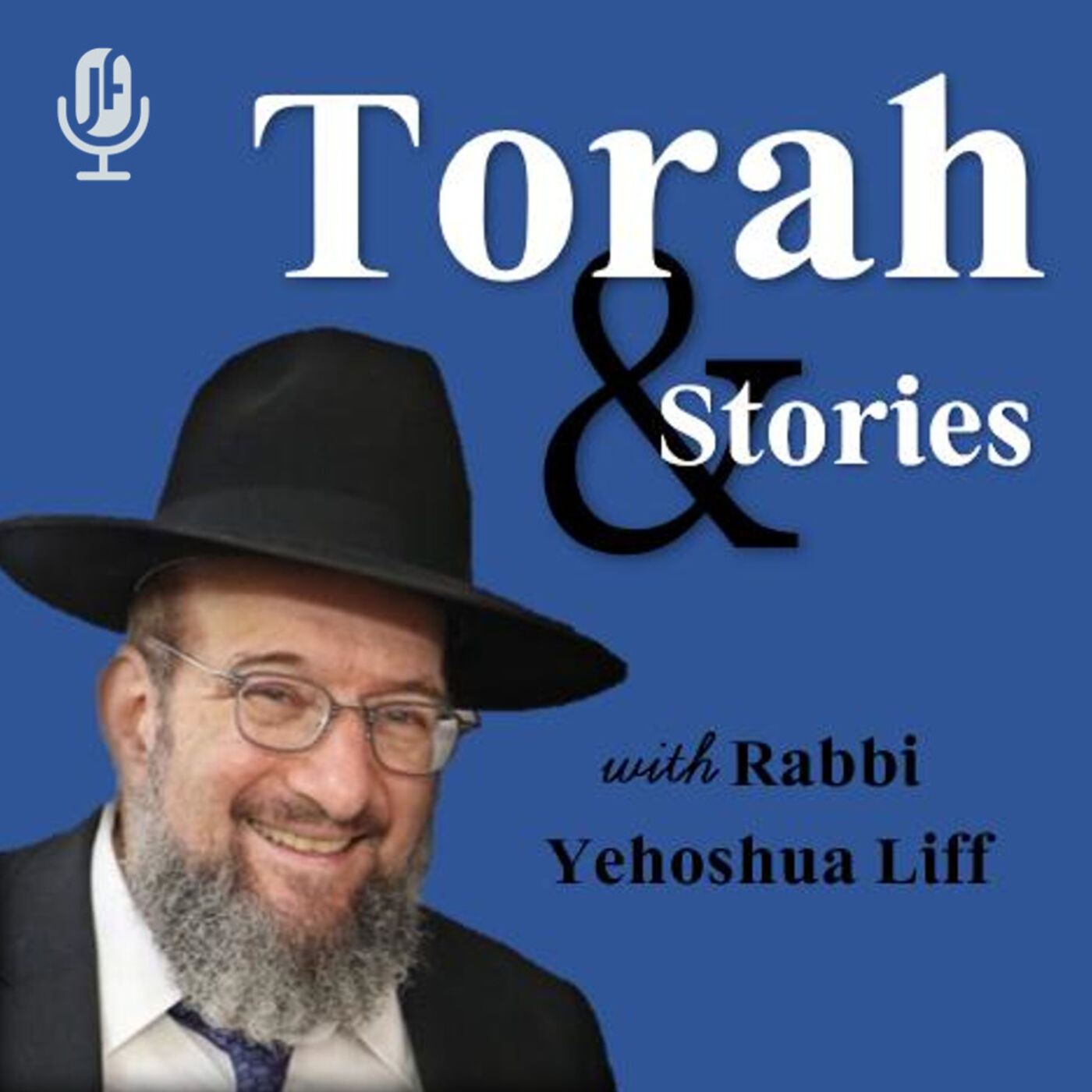
Torah and Stories with Rabbi Liff
by JFoundations
Rav Yehoshua Liff grew up in Baltimore in the environment of Yeshivas Ner Yisroel, where his father was a Rebbe. Living in Eretz Yisroel Rabbi Liff has been a Mechanech to many Talmidim for close to four decades as Rosh Yeshiva of Yeshiva Ner Yaakov, and presently as the Nasi of Yeshiva Ateres Yaakov in Ramat Beit Shemesh. His book about his personal stories with many Gedolim including Rav Moshe Feinstien, Rav Shach, Rav Chaim Shmuelevitz, and more, was published by Artscroll titled “At His Rebbe’s Side”, and he continues to share his Torah thoughts and stories to countless listeners.
-
200
Parshas Vaeschanan: The Koach of Tefillah After Tisha B’Av
Rabbi Liff explains Moshe Rabbeinu’s 515 tefillos and what they teach about staying connected to the penimiyus of Eretz Yisrael. Even in galus, our tefillos and our calling out bring us close to HaKadosh Baruch Hu.
-
199
Rav Shabsi Yudelevich’s Mezuzah Compromise
Rabbi Liff tells how Rav Shabsi Yudelevich helped a couple divided over putting up a mezuzah. His unexpected compromise teaches the wisdom of finding shalom without giving up what matters.
-
198
Parshas Vaeschanan: Shabbos Nachamu, Tefillah, and Finding Comfort After Tisha B'Av
Recorded Erev Shabbos Nachamu, the morning after Tisha B'Av, Rabbi Liff turns from the mourning of the churban to the comfort of nechama. He opens with the sense of a cooler Yerushalayim breeze the morning after the fast as a physical remez of “Nachamu, nachamu ami,” and reflects on the thousands who gathered at the Kosel through the night. The heart of the shmuess is the koach of tefillah: Parshas Vaeschanan opens with Moshe Rabbeinu's 515 tefillos, and even though he did not enter Eretz Yisrael, he was connected to its penimiyus — a model for how our own lamenting and crying out draws us close to HaKadosh Baruch Hu. Key stories and sources: Rav Shabsi Yudelevich and the mezuzah “peshara” for the kibbutz couple — the gadol's gift for shalom bayis and finding the middle path. Rav Zev Leff's Tisha B'Av / Yom Kippur juxtaposition: kinos as keiton (tears) and tinok (a child crying for its parents); the “esrog” remez (emes → teshuvah → refuah → geulah). Shabbos Nachamu as mamash a yom tov (Ritva, Yosef Ometz) — turning from zeicher l'churban toward zeicher l'geulah. Va'eschanan as a lashon of tefillah (Rashi); the Sfas Emes on “leimor” for the generations; Reb Tzadok HaKohen on the haftaros of nechama entering the heart. Being menachem avel by Reb Moshe Lassen z”l of Baltimore. Reb Chaim Ozer Grodzinski (yahrzeit): the taxi driver's memory of his simplicity and quiet chessed for an almanah. Parsha connection: Vaeschanan always falls on Shabbos Nachamu. Its opening — Moshe's tefillos — frames the week's theme: tefillah as the enduring nechama carried into every generation.
-
197
Parshas Devarim — The Torah's Blueprint for Tochacha
On Shabbos Chazon, Rabbi Liff turns to the opening of Parshas Devarim, where Moshe Rabbeinu gives his rebuke only through hints, out of regard for the honor of Klal Yisrael. He draws from this the Torah's blueprint for tochacha — that mussar is given by raising a person, never by shaming him, and is always tempered by the back story of a Jew's merits. Through Rav Shimshon Pincus, the mashal of the two streets of Yerushalayim, and the story of Rav Mordechai Gifter at the Kosel, he connects it all to the avodah of the nine days: that the tikkun for the churban is achdus, seeing the good in another Yid, and drawing close to Hashem through Torah. For anyone seeking chizuk heading into Tisha B'Av.
-
196
Parshas Devarim: Giving Tochacha With the Backstory — A Vort from Rav Shimshon Pincus
Rabbi Liff brings a striking insight from Rav Shimshon Pincus on Parshas Devarim: rebuke can never be given in a vacuum. Just as Moshe Rabbeinu recalls Klal Yisrael's failures only through hints, out of regard for their honor, the Torah names each place of sin together with the merit hidden inside it — Bamidbar, the Arvos Moav, the Yam Suf, the man. True tochacha is always tempered by the backstory, by seeing the good in the one you are rebuking.
-
195
Rav Mordechai Gifter at the Kosel: Knowing What the Churban Is
Rabbi Liff recalls Rav Mordechai Gifter, the Rosh Yeshiva of Telz, who told him that he felt the loss of the Churban more at the Kosel than at Kever Rachel. Having learned in Telz before the war — where his father sold his life insurance policy to send him, and where most of his rebbeim and friends were later killed by the Nazis — he knew firsthand what the loss of Kedusha and Torah truly means. We mourn the Churban most deeply when we grasp the greatness of what was destroyed.
-
194
From the Tunnels to the Chuppah: The Story of Sasha and Sapir
Rabbi Liff tells the story of a wedding that took place this week between two of the chatufim who were held in the Hamas tunnels — Sasha, a Russian Jew who came close to Yiddishkeit only in captivity, and Sapir, who refused to give up her Yiddishkeit. The listener takes away a lesson in emunah and how Menachem Av turns what looked like a korban into nechama.
-
193
Parshas Matos: Moshe Rabbeinu and the Middah of Hakaras HaTov
Rabbi Liff explains why Moshe Rabbeinu sent others to fight Midian rather than lead the battle himself — because Midian had taken him in when he fled Pharaoh, and “one who drank from a pit should not throw a stone into it.” Drawing on Reb Chaim Shmulevitz, he shows how hakaras hatov is a middah shetovah and how Moshe fulfilled the command by ensuring it happened without doing it himself.
-
192
Parshas Matos-Masei: From the Tunnels to the Chuppah — Chizuk for Chodesh Menachem Av
An Erev Shabbos chizuk shmuess for Parshas Matos-Masei, Shabbos Mevorchim Chodesh Menachem Av. Rabbi Liff begins with the wedding this week of two October 7th captives, Sasha Trufanov and Sapir Cohen — a story of emunah in which what looked like a tragedy became a simcha — and draws out the meaning of Menachem Av: the Father who instructs is also the source of the greatest comfort. Along the way he shares a shmuess on anava from the Mesillas Yesharim, the lesson of hakoras hatov and ayin tova from Matos, and the 42 journeys and Aharon HaKohen's yahrzeit from Masei, with divrei zikaron for Rav Yosef Shalom Elyashiv, zt"l, and Reb Gedalia Elfenbein, zt"l. In this episode: The wedding this week of two October 7th captives — Sasha Trufanov and Sapir Cohen — and the child's drawing of their wedding smuggled out of Gaza as a sign of hope. A shmuess on anava from the Mesillas Yesharim: everything is a matana from HaKadosh Baruch Hu, and “lomeid mechaveirai.” Rav Ruderman and the Alter of Slabodka on submitting to a rebbe's mesirah. Reb Gedalia Elfenbein, zt"l, who lived his tefillah and gave chiyus to his talmidim. Matos: hakoras hatov and Yehoshua's semicha b'ayin tova. Masei: Aharon HaKohen's yahrzeit on Rosh Chodesh Av, and the 42 journeys of golus and geula. In memory of Rav Yosef Shalom Elyashiv, zt"l, whose yahrzeit falls this week, and Reb Gedalia Elfenbein, zt"l.
-
191
חכמה מול מסורת
בשיחה זו, המסכמת את זמן קיץ ונוגעת בענייני החורבן, הרב ליף מדגיש את תפקידן המרכזי של הישיבות כעמוד השדרה של מסורת התורה והחשיבות של ענווה בלמידה מול סכנת הגאווה. הוא משרטט את ההבדל בין חוכמה שמובילה לגאווה לבין חכמת התורה הנבנית על ענווה וביטול עצמי למסורת.השיחה משולבת בסיפורים מרתקים: הרב דוד יוסף שלמד בפונוביז׳ אצל הרב גרשון פרלמן וזכה לשיעורים בעברית, סיפורו של תלמיד חכם שסטה מדרך התורה בשל גאווה, מעורבותו של הרב משה פיינשטיין עם בחור שתוי בשעת לילה מאוחרת, וגודל כבוד התורה של הרב רודרמן שניקה שירותים לכבוד ביקורו של הרב אהרון קוטלר. הרב ליף מסיים בדברי הרב חיים שמואלביץ על חשיבות ההתבוננות במה שאבד לנו בחורבן הבית, ומדגיש את הקשר ההדוק לתורה כדבר היחיד שנותר לנו.
-
190
The Halachos of Kanaus and the Way of Shalom
Rabbi Liff explains why Pinchas is rewarded with a bris shalom, and what that teaches about the limits of kanaus. He contrasts demonstrations that get out of hand with the Seret Vishnitz kollel's public kollel learning seder, showing how protest can remain rooted in shalom, emes, and kavod haTorah.
-
189
The Petek at the Kosel That Said Thank You
Rabbi Liff tells the story of a Karlin-Stolin chassid at the Kosel whose tefillah was interrupted by a petek that fell into his hand. The note did not ask for anything; it simply thanked Hashem for health, parnasah, and nachas, turning the moment into a lesson for the Three Weeks.
-
188
Parshas Pinchas: Thank You at the Kosel, and the Limits of Kanaus
Rabbi Liff opens with a story from davening at the Kosel this Erev Shabbos Kodesh during the Three Weeks — a petek that fell into the hand of a Karlin-Stolin chassid with a note that simply said "thank You." From there he turns to Parshas Pinchas, exploring why Pinchas is rewarded with a bris shalom rather than praise for the act itself, and what that teaches about the real halachos of kanaus. Drawing on Rav Sternbuch's teaching about Reb Leib Stravisker, the Seret Vishnitz kollel's learning outside the assistant attorney general's office, and stories of Rav Amram Blau and Rav Yechezkel Abramsky, he lays out when zealotry is proper and when it becomes a chillul Hashem. This episode is for anyone thinking about how to respond to conflict — within the frum world or outside it — without losing sight of shalom.
-
187
How Torah and Tefila Help All of Klal Yisrael
Rabbi Liff explains the bracha of "Ma tovu ohalecha Yaakov, mishkenosecha Yisrael" through Rashi and the Sforno. The ohalim of Torah and the batei knesios are not only good for those inside them; they bring good to all of Klal Yisrael.
-
186
The Alter's Good Morning
Rabbi Liff shares a story from Rav Avraham Shmuelevitz about the Alter of Slabodka saying "good morning" even when the neighbor could not hear him. The story shows that being meitiv to another Yid is not only for the other person's benefit; it is an avodah that shapes the person who gives.
-
185
Parshas Chukas-Balak: Balak, Bilaam, and the Other Side of the Coin
Rabbi Liff connects Parshas Balak to the beginning of the Three Weeks, showing how Bilaam's inner corruption stands opposite the ayin tovah of Avraham Avinu and Aharon HaKohen. The episode turns on "Ma tovu ohalecha Yaakov," explaining that the ohalim of Torah and tefillah do not only sustain those inside them; they bring good to all of Klal Yisrael. He also reflects on the yahrtzeit of Rav Avraham Shmuelevitz, sharing memories and teachings about being meitiv to others, seeing another Yid's pain, and preparing for the Three Weeks with sincerity rather than comfort. The central call is to see the mailos chaveirecha and rebuild the inner shalom that is the foundation of the Beis HaMikdash. ## Key Sources / Stories - Mishnah Avos: talmidim of Avraham Avinu versus talmidim of Bilaam HaRasha. - Pnei Menachem on why the Mishnah speaks about the talmidim of Avraham and Bilaam. - Sforno on "Ma tovu ohalecha Yaakov, mishkenosecha Yisrael." - Rabbi Liff's address to kitah ches boys at Toras Moshe in Ramat Beit Shemesh. - Rav Avraham Shmuelevitz on the Alter of Slabodka saying "good morning" even when the neighbor could not hear. - Aharon HaKohen's yahrtzeit on Rosh Chodesh Av and his role as the model of ahavah, achvah, shalom, v'rei'us. - Rav Motta Frank and the need to feel the mesirus nefesh and pain of chayalim and their families. - Rav Avraham Shmuelevitz on the Nine Days menu and the need to feel the churban. ## Parsha Connection Parshas Balak gives the contrast between Balak and Bilaam's hatred and Klal Yisrael's inner strength: Torah, tefillah, tznius, and ayin tovah. Rabbi Liff uses that contrast to enter the Three Weeks with a focus on ahavas Yisrael and seeing the goodness in another Yid.
-
184
Parshas Chukas: Trust in Hashem alone, not in worldly powers
We examine how current events remind us that our reliance must be entirely on Hashem, not on political leaders or nations. The parsha teaches us about speaking to the rock instead of striking it, and how even Moshe Rabbeinu had to learn that during times of crisis, we must turn to Torah and Hashem's will above all else. Originally produced by JFoundations.
-
183
Parshas Shlach: Building a Jewish home with spiritual foundation
Rabbi Liff reflects on building a Bayis Nehmeh B'Yisrael, drawing from his recent trip to America for a family wedding. He connects this to the deeper spiritual work needed when establishing a Jewish home and nation, touching on current events in Eretz Yisrael during this time between Shavuos and the Three Weeks. Originally produced by JFoundations.
-
182
Shavuos
Rabbi Liff explores why Klal Yisrael slept before Matan Torah and what this teaches us about the nature of Torah study. He shares that Torah is not prophecy but requires our active toil and effort, and reflects on memories of Rav Moshe Feinstein at Shavuos.
-
181
Parshas Bamidbar: Preparation and the counting toward receiving Torah
Rabbi Liff discusses how Klal Yisrael prepared for Matan Torah through the counting of the Omer, and how the forty years in the desert were a preparation for entering Eretz Yisrael. He shares a personal story from his recent trip to America, including leading a minyan at Newark airport and saying Kaddish at Yeshiva Chofetz Chaim in Baltimore in honor of his mother's memory. Originally produced by JFoundations.
-
180
Parshas Behar-Bechukosai: Learning from loss and the path of mussar
Rabbi Liff shares memories of his late father on his yahrzeit, reflecting on how his father's early loss as a young yeshiva student led him to embrace mussar and become a great talmid chacham. He also tells a story about Rav Baruch Mordechai Ezrahi and the meaning of being a musernik. Originally produced by JFoundations.
-
179
Parshas Emor: Moving forward through suspended times
Rabbi Liff reflects on where we find ourselves as a nation during this period of uncertainty, drawing from the parsha and the story of Shimon HaTzadik's sons to understand how jealousy and honor can derail us, and how we must continue forward despite the pain of waiting. Originally produced by JFoundations.
-
178
Parshas Acharei Mos-Kedoshim: Living with true character, not just appearances
The parsha teaches us that real kedusha comes from working on ourselves within our homes and families, not just doing good deeds publicly. Rabbi Liff brings the teaching of Reb Pratzko about how a person's true legacy is measured by the good they actually accomplished in their lifetime. Originally produced by JFoundations.
-
177
Parshas Tazria-Metzora: Guarding our speech, learning from the Chafetz Chaim
This week's parsha teaches us about the laws of lashon hara and how to speak with care and truth. Rabbi Liff shares about Reb Chanoch Friedman, a great talmid chacham who recently passed away and was devoted to spreading the teachings of the Chafetz Chaim, and how we can honor his memory by learning these vital halachos. Originally produced by JFoundations.
-
176
Parshas Shmini: Recognizing miracles amid uncertainty and war
Rabbi Liff reflects on Pesach in Eretz Yisrael during the current conflict, sharing stories of open miracles—from the reopening of the Kosel to the protection of Israeli airspace—and a beautiful vort on Kos Yeshuos connecting to Tehillim. He emphasizes seeing Hashem's hand in the cup of salvation He gives us. Originally produced by JFoundations.
-
175
Erev Pesach 2026
Rabbi Liff explores the deeper meaning of Karpas on the Seder plate, connecting it to the concept of true freedom as service to Hashem. He reflects on the current situation in Eretz Yisrael and how faith and trust in Hashem sustains Klal Yisrael through difficult times. Originally produced by JFoundations.
-
174
Parshas Tzav: Faith and gratitude amid difficulty
On Shabbos HaGadol, we strengthen our emunah in Hashem during challenging times, recognizing that the entire purpose of creation is to give thanks and acknowledge Him. Rabbi Liff discusses how the Karban Todah uniquely endures even in the world to come, reflecting the eternal nature of gratitude. Originally produced by JFoundations.
-
173
Parshas Vayikra: Drawing closer through offerings and miracles
The parasha introduces the system of korbanos, sacrifices meant to bring us closer to Hashem. Rabbi Liff connects this to our current times, sharing how even in difficult circumstances—missiles, sirens, bomb shelters—we witness open miracles and recognize Hashem's constant protection and call to us.
-
172
Parshas Vayakhel-Pekudei: The cloud and fire guiding us through exile and redemption
The parsha concludes with the cloud of Hashem resting on the Mishkan by day and fire by night, a sign that Hashem is with Klal Yisrael through all our trials. Rabbi Liff reflects on how this applies to our times, both the bright periods and the dark nights we face, and our hope for the Beis HaShlishi. Originally produced by JFoundations.
-
171
Parshas Ki Sisa: Counting together and the breaking of the tablets
During wartime and uncertainty, we learn from Ki Sisa about how we count ourselves not as individuals but together as one people. Rabbi Liff reflects on recent events in Eretz Yisrael and what the parsha teaches us about unity and our deeper reliance on Hashem. Originally produced by JFoundations.
-
170
Parshas Terumah: Building the Mishkan and the power of Torah learning
Rabbi Liff opens with reflections on current events and personal matters, then discusses how the study of Torah and Talmidim serve as true protection for the Jewish people, connecting this to the parsha's theme of constructing the Mishkan as a dwelling place for the Divine. Originally produced by JFoundations.
-
169
Parshas Mishpatim: Jewish courts and the nature of testimony
Rabbi Liff explores why Jewish courts require Jewish witnesses, using a teaching from Rabbi Hilmechel Weinberg about the difference between a Jewish court system and secular courts. He also shares personal reflections on his mother's passing and upcoming family simchas. Originally produced by JFoundations.
-
168
Parshas Yisro: Honoring parents and the Shechina within
The Ten Commandments teach us that honoring parents is not merely a family obligation, but a way of honoring the Divine presence itself. Rabbi Liff shares how his mother embodied this principle through her constant forward-looking perspective and quiet acts of kindness.
-
167
Hesped for my Mother 2026
Rabbi Liff shares memories of his mother, who taught young children for 63 years at Talmudical Academy of Baltimore and embodied hidden tzedakah and devotion to mitzvos across five generations. He reflects on her lineage from strong Torah families in the Bronx and her commitment to strengthening the next generations through both material support and spiritual example. Originally produced by JFoundations.
-
166
Parshas Bo: Light from darkness, moving forward with faith
We finish the last three plagues this week, focusing on the plague of darkness and what we can learn from it. Rabbi Liff shares stories about the Baba Sali and Rebbe Falk Shmuelevitz, including an account of a childless man who was told to move apartments and eventually had a child, and various lessons from Rebbe Falk about building a home and continuing forward even when circumstances change. Originally produced by JFoundations.
-
165
Parshas Vaera: Justice and mercy within the One God
We explore how Hashem embodies both din and rachamim as one unified force, not separate powers like the nations imagine. Rabbi Liff connects this to our current times and the silence of the world, drawing chizuk from Moshe Rabbeinu's complaint in this week's parsha. Originally produced by JFoundations.
-
164
Parshas Shmos: Learning Torah and Tehillim to endure exile
The parsha begins Sefer Shmos, the book of exile. Rabbi Liff explores the deeper meaning of why the Baal HaTurim and others connect the opening words to the mitzvah of Shnayim Mikra V'echad Targum, teaching us that studying the parsha and reciting Tehillim are how we sustain ourselves through difficult times. Originally produced by JFoundations.
-
163
Parshas Vayechi: Completing Bereishis, the work of building the person
As we finish Sefer Bereishis with Parashas Vayechi, Rabbi Liff shares a teaching from the Chafetz Chaim about true progress: the importance of developing the human spirit alongside material advancement, using the Chafetz Chaim's conversation with his granddaughter about technology and purpose. Originally produced by JFoundations.
-
162
Parshas Bereishis: Beginning anew with recognition of the Divine
As we start the Torah cycle again with Bereishis, Rabbi Liff discusses how recognizing Hashem as the Creator of all things gives us proper perspective on life's events. He shares a story from one of the hostages, Elchanan Bukhbut, who emerged from captivity with profound appreciation for the simple gifts we take for granted each day. Originally produced by JFoundations.
-
161
Sukkos Chol HaMoed 2025
Rabbi Liff reflects on sitting in the Sukkah during a time of national uncertainty and hope, drawing out the deeper meaning of leaving our permanent homes for a temporary shelter. He shares a remarkable story of a family with a newborn who survived eight hours in a safe room during the October 7th attacks, illustrating Hashem's watchfulness over us. Originally produced by JFoundations.
-
160
Parshas Haazinu: Hearing the heavens, feeling the pain of our people
Rabbi Liff reflects on our obligation to share in the suffering of Klal Yisrael, drawing from the opening of this week's parsha about listening to the heavens and earth. He shares the example of Reb Leizer Finkel, who refused to eat meat after the war out of solidarity with those lost, and discusses how we can balance awareness of tragedy with hope for complete redemption. Originally produced by JFoundations.
-
159
Parshas Vayelech: Recognizing our greatness and opening our hearts to teshuva
How we can each do genuine teshuva by recognizing our own potential and truly opening our hearts, even in small ways. Rabbi Liff shares insights from Reb Leib Kellerman about moving beyond despair and the real work of teshuva during these days between Rosh Hashanah and Yom Kippur. Originally produced by JFoundations.
-
158
Parshas Nitzavim: Standing before Hashem with truth and unity
As we approach Rosh Hashanah, Rabbi Liff explores how we stand before the Almighty through our connection to truth and our responsibility to one another as one people. The parsha teaches us about the covenant that binds all of Klal Yisrael together across generations. Originally produced by JFoundations.
-
157
Parshas Ki Seitzei: Going to battle against enemies, not brothers
How the parsha teaches us to direct our struggles outward against true enemies rather than inward against fellow Jews. Rabbi Liff shares a story about a daughter's reaction to the shofar sound and reflects on hearing the shofar blown in Reb Avram Orbach's shul in Tveriah. Originally produced by JFoundations.
-
156
Parshas Shoftim: Unity among brothers in times of trial
As we enter the season of judgment, Rabbi Liff discusses how internal dissension weakens us, and how achdus among all Jews—regardless of hashkafa—is our greatest defense. He reflects on the ongoing suffering of our people and the power of brotherhood to bring redemption. Originally produced by JFoundations.
-
155
Parshas Reeh: Seeing the bigger picture in Elul
As we enter the month of Elul, a time of mercy and return, we reflect on how to truly see things as they are. Rabbi Liff shares memories of Rav Beryl Weinzatzel, a bridge between European and American Jewry, and how he embodied the ability to perceive the deeper meaning in our lives and history. Originally produced by JFoundations.
-
154
Parshas Ekev: Eretz Yisrael and the greatness of the land
Rabbi Liff reflects on his time at the beach in Netanya during Bein Hazmanim and shares a memorable encounter with Reb Chaim Kanievsky from decades ago, using these experiences to explore what makes Eretz Yisrael special and how the Gedolim related to the land. Originally produced by JFoundations.
-
153
Parshas Vaeschanan: Finding strength amid sorrow and uncertainty
Rabbi Liff reflects on where we stand between Tisha B'Av and Tu B'Av, considering the ongoing war, the spiritual battles facing our people, and the importance of both Torah learning and physical protection. He shares a personal story about his grandson's bar mitzvah and his family's connection to Eretz Yisrael across generations. Originally produced by JFoundations.
-
152
Parshas Devarim: Rebuilding ourselves through positive mussar
As we approach Tisha B'Av during the nine days, Rabbi Liff explores how Sefer Devarim connects to the destruction of the Beis HaMikdash and discusses the proper way to give mussar—through positive reinforcement of our greatness rather than dwelling on guilt, drawing on teachings from Rav Sternbuch and a recent visit from Rav Basha Weiss. Originally produced by JFoundations.
-
151
Parshas Matos-Masei: Nechama and the eternal nature of Torah
As we enter Menachem Av, Rabbi Liff reflects on comfort for those grieving and the power of learning Mishnayis for the departed. He shares the teaching of Rabbi Feldman that Mishnayis is the neshama of Torah, and discusses how our spiritual strength through learning protects us more than physical strength alone. Originally produced by JFoundations.
We're indexing this podcast's transcripts for the first time — this can take a minute or two. We'll show results as soon as they're ready.
No matches for "" in this podcast's transcripts.
No topics indexed yet for this podcast.
Loading reviews...
ABOUT THIS SHOW
Rav Yehoshua Liff grew up in Baltimore in the environment of Yeshivas Ner Yisroel, where his father was a Rebbe. Living in Eretz Yisroel Rabbi Liff has been a Mechanech to many Talmidim for close to four decades as Rosh Yeshiva of Yeshiva Ner Yaakov, and presently as the Nasi of Yeshiva Ateres Yaakov in Ramat Beit Shemesh. His book about his personal stories with many Gedolim including Rav Moshe Feinstien, Rav Shach, Rav Chaim Shmuelevitz, and more, was published by Artscroll titled “At His Rebbe’s Side”, and he continues to share his Torah thoughts and stories to countless listeners.
HOSTED BY
JFoundations
CATEGORIES
Loading similar podcasts...
Frequently Asked Questions
How many episodes does Torah and Stories with Rabbi Liff have?
Torah and Stories with Rabbi Liff currently has 50 episodes available on PodParley. New episodes are automatically indexed when they're published to the podcast feed.
What is Torah and Stories with Rabbi Liff about?
Rav Yehoshua Liff grew up in Baltimore in the environment of Yeshivas Ner Yisroel, where his father was a Rebbe. Living in Eretz Yisroel Rabbi Liff has been a Mechanech to many Talmidim for close to four decades as Rosh Yeshiva of Yeshiva Ner Yaakov, and presently as the Nasi of Yeshiva Ateres...
How often does Torah and Stories with Rabbi Liff release new episodes?
Torah and Stories with Rabbi Liff has 50 episodes. Check the episode list to see recent publication dates and frequency.
Where can I listen to Torah and Stories with Rabbi Liff?
You can listen to Torah and Stories with Rabbi Liff on PodParley by clicking any episode. We provide an embedded audio player for direct listening, and you can also subscribe via your preferred podcast app using the RSS feed.
Who hosts Torah and Stories with Rabbi Liff?
Torah and Stories with Rabbi Liff is created and hosted by JFoundations.
URL copied to clipboard!