
PODCAST · education
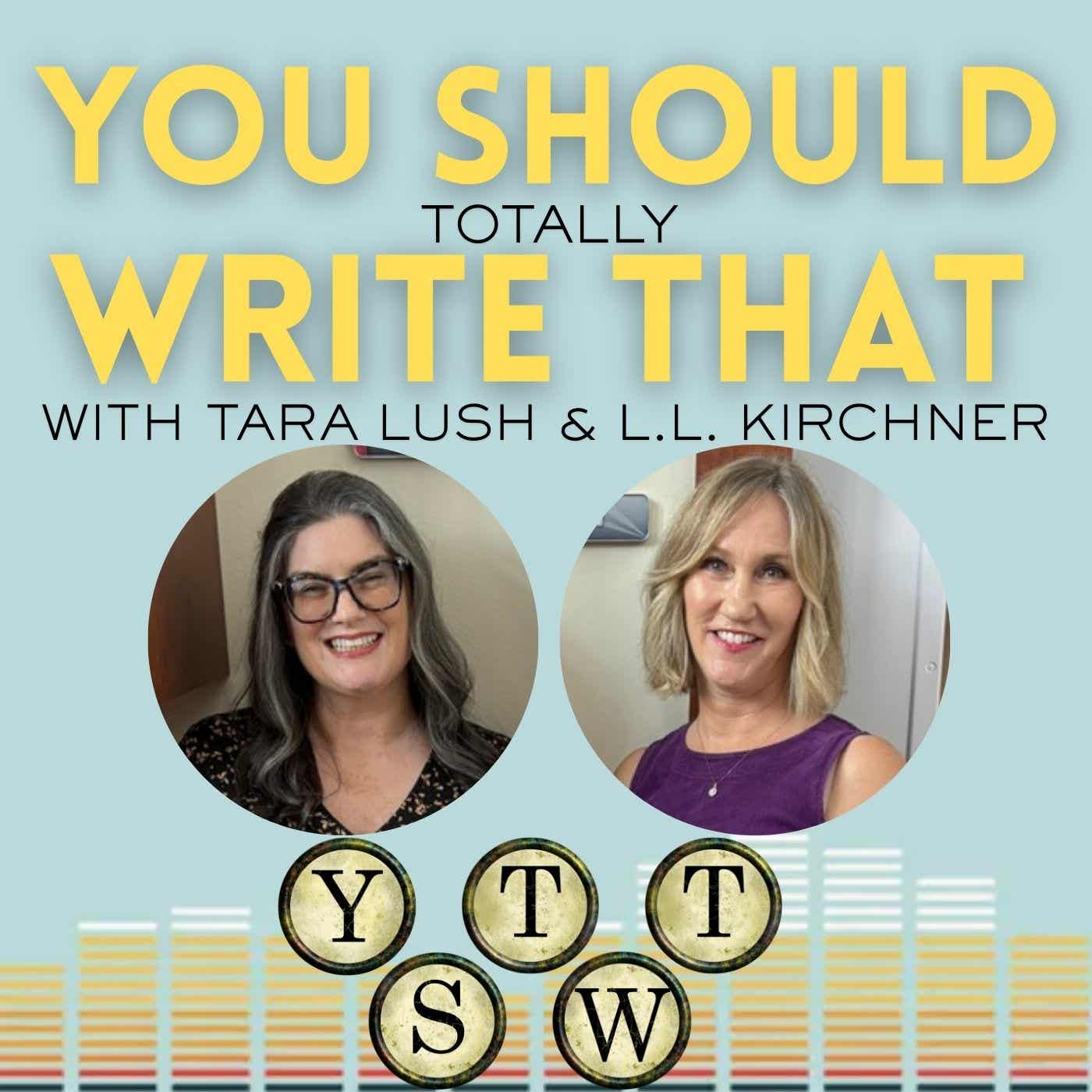
YOU SHOULD TOTALLY WRITE THAT
by Tara Lush & LL Kirchner
Two authors (with trad, indie & DIY creds)share the unfiltered truth about DIY publishing. youshouldtotallywritethat.substack.com
-
24
The Free Amazon Tools Most Indie Authors Are Botching
If you’ve published a book on Amazon, you already have an author page. It’s there whether you’ve touched it or not, and most of the time it’s a blob doing absolutely nothing for you. This week on You Should Totally Write That, LL Kirchner and I go deep on two free Amazon tools almost every indie author underuses: Author Central and A+ Content.Sounds boring, but it’s not. In fact, we use the word “pizzazz” more than once.Author Central is your friend. This is the back end of your Amazon presence, separate from KDP. Inside, you can update your bio and photo, add editorial reviews, upload book trailers, see your follower count, and track your sales rank across every title. There’s also a Q and A feature where Amazon prompts you with questions like “what book do you recommend.” That’s a sneaky way to associate yourself with a comp author. I list Ellie Alexander on mine because Ellie is a top cozy author, her voice matches mine, and she’s an all around awesome person.Your bio should serve you, not summarize you. Don’t list every job you’ve ever had. If you write psychological suspense set in 1995 Pittsburgh, say that. The detail is searchable. Generic is invisible. And put a real photo up, if at all possible. AI scrapers and readers both clock the difference between a human face and a logo.The Amazon follow button is free marketing. Use it. When a reader follows you on Amazon and you release a new book, Amazon emails them. Promote that follow button in your newsletter, in your social bios, anywhere readers ask for links.A+ Content lives on KDP, not Author Central. This is where you build the visual blocks on your book page: banner graphics, tropes lists, character profiles, comparison images, pull quotes from reviews. I make mine in Canva and use the same template sizes across every book. Since I started populating A+ Content on all my titles, my product pages feel optimized in a way they didn’t before. Whether it’s juicing the algorithm or just stopping the scroll, it’s working.If you only do one thing this week, refresh your author photo and add a follow call to action to your bio. Then go look at A+ Content. It’s free. It’s there. Use it.Tools referenced* Amazon Author Central* Amazon KDP dashboard* Amazon A+ Content (under Marketing in KDP)* Amazon Follow button* Canva (for A+ Content templates)* Amazon BookScan (for trad-pubbed authors)* Draft2Digital (mentioned as an aggregator option)* Barnes & Noble author profile* Google Play Books and Apple Books author profiles* Goodreads (as a source for editorial review pull quotes)What we’re reading* Tara: Their Eyes Were Watching God by Zora Neale Hurston, an amazing audiobook narrated by Ruby Dee. Part of an all-Florida reading list she’s attempting for the rest of the year.* LL: We Burned So Bright by TJ Klune, audiobook. A standalone end-of-the-world road trip novel following an elder gay couple, Don and Rodney, with a rogue black hole closing in on Earth. Recommended by a street team member on TikTok. This is a public episode. If you would like to discuss this with other subscribers or get access to bonus episodes, visit youshouldtotallywritethat.substack.com
-
23
The tech stack for new authors: what's worth it
Nobody told us that publishing a book meant starting a company. You’re not just the writer — you’re also the design department, IT, marketing, and accounting. And somewhere along the way, most of us bought a bunch of tools we didn’t need, couldn’t figure out, or used exactly once.In this episode, Tara and I get into what we actually use — the writing tools, book production tools, design tools, scheduling tools, email platforms, and a few analytics tools we think are optional (and a couple we think you can skip entirely, at least for the first few years). We also talk about how to think about acquiring tools: by function, not by FOMO.A few things that came up: why Vellum is the closest thing to a non-negotiable for indie authors, why Canva’s free tier might be enough to start, why most of us have a graveyard of email platforms in our past, and a useful AI tool for series authors that has nothing to do with generating prose.What tools have you spent money on and regretted — or loved? Drop it in the comments.Want to support the show? Support our work =)Find Tara’s books on Amazon: https://www.amazon.com/stores/Tara-Lush/author/B00O5M5T5GFind LL’s books: https://llkirchner.comSHOW NOTESEpisodes referenced:* Episode 21: BookFunnel* Episode 13/14: Social media + newslettersPlatforms & tools discussed:Writing tools:* Google Docs — https://docs.google.com* Scrivener — https://www.literatureandlatte.com/scrivener* Final Draft (screenwriting) — https://www.finaldraft.com* NotebookLM (series continuity/AI search) — https://notebooklm.google.comBook production:* Vellum (easiest on Mac) — https://vellum.pub* Atticus (Windows alternative) — https://www.atticus.io* Draft2Digital (free formatting option) — https://www.draft2digital.comAudiobook proofing:* Pozotron — https://www.pozotron.comDesign:* Canva — https://www.canva.com* PicMonkey — https://www.picmonkey.comSocial post scheduling:* Meta Business Suite (native scheduling, Instagram + Facebook) — https://business.facebook.comEmail service providers:* Flodesk — https://flodesk.com* Kit (formerly ConvertKit) — https://kit.com* Mailchimp — https://mailchimp.com* MailerLite — https://www.mailerlite.comAnalytics/sales tracking:* Publisher Champ — https://publisherchamp.com* K-lytics — https://k-lytics.com* Publisher Rocket — https://publisherrocket.com* KDP Dashboard — https://kdp.amazon.com* Google Sheets — https://sheets.google.comWhat we’re reading / listening to:* LL: Yesteryear (audiobook via Spotify — got cut off mid-listen, to be continued)* Tara: The Price of Honey by Liane Moriarty — a short story / reader magnet; worth reading as an example of what a big-trad author can get away with that indie authors can’tComing next: [Placeholder — hosts hadn’t locked in the next topic by end of recording]METADATASEO Title: The tools indie authors actually need (58 chars — fits)SEO Description: Two working authors break down the writing, production, design, and admin tools worth paying for — and what to skip. (120 chars)URL slug: tools-indie-authors-actually-need This is a public episode. If you would like to discuss this with other subscribers or get access to bonus episodes, visit youshouldtotallywritethat.substack.com
-
22
ARCs: what they actually do (and what they don't)
If you’ve ever seen a book drop on release day with 50 reviews already live, you were looking at an ARC team doing its job. ARC stands for Advanced Reader Copy (sometimes Advanced Review Copy) — a pre-release version of your book, sent free to readers in exchange for an honest review.But here’s what nobody tells you upfront: ARCs aren’t a launch-day magic button for every book, in every genre, at every stage of your career. Tara has run ARC teams across three cozy series and will tell you straight — they move the needle most for a first book in a series. By book nine, the math changes. And for LL, who’s launching into psychological suspense following historical noir, the calculus is different again.This week we break down the full picture: eARCs vs. physical ARCs (spoiler: the post office might actually kill you), where to distribute them — BookFunnel, NetGalley, Hidden Gems, Book Sirens — how long before launch to send them out, and the quiet tactic of releasing your paperback five to seven days early so reviews are already stacked when the ebook drops.What’s your ARC strategy right now — or what’s been holding you back from starting one? Drop it in the comments. Yes, we’re looking for ideas!Want to support the show? Thank you to the folks who’ve reached out and pledged to support our show. TBH, we haven’t event had the time to figure that out. That said, a great way to support us is through our books. Thank you for listening.Find Tara’s books on Amazon: https://www.amazon.com/stores/Tara-Lush/author/B00O5M5T5GFind LL’s books: https://llkirchner.com/booksShow notesEpisodes referenced:* Episode 21: BookFunnel — [timestamp not confirmed; cross-reference master list]Platforms & tools discussed:* BookFunnel — bookfunnel.com* NetGalley — netgalley.com (co-op/rental option available for indie authors)* Hidden Gems — hiddengemsbooks.com* Book Sirens — booksirens.com* StoryOrigin — [mentioned as one Tara has not tried]* Canva — canva.com (used for ARC team social graphics)* Google Sheets — for ARC team tracking/sign-up formWhat we’re reading:* Tara: Everything Has Happened by T. Greenwood — literary suspense set in a small Vermont town; recommended for fans of slow-burn, evocative writing* LL: Lost in the Summer of 69 by Eliza Knight — three-generation mother/daughter/granddaughter story; LL is reading it ahead of a June 15 event with Eliza Knight at The Gilded Page Bookstore in Tarpon SpringsThanks for reading YOU SHOULD TOTALLY WRITE THAT! Subscribe for free to receive new posts and support my work. This is a public episode. If you would like to discuss this with other subscribers or get access to bonus episodes, visit youshouldtotallywritethat.substack.com
-
21
I Set a Lot of Money on Fire As an Indie Author So You Don't Have To
I’ve spent a lot of money as an indie author. Some of it was money well spent. Some of it I would set on fire before doing again.That’s the whole episode this week on You Should Totally Write That. LL and I sorted through everything people try to sell you and split it into what’s worth it, what’s nice to have once you have a few books out, and what you should run from.Here’s the short version. Before you publish, there are really only four things worth paying for. Some kind of editing, a good cover, formatting software, and a way to collect emails and reach your readers. Notice what is not on that list. A website. You can wait on the website.Editing is where your mileage varies the most. I use a copy editor and a proofreader and put the rest toward promotion. LL paid $2,400 for a developmental editor on her first book, then later found someone just as good for $400. So ask around. On covers, quality varies, and if you’re in a popular genre like romance you can buy wonderful premade covers for under $200.Then we get to the fun part, which is everything we have wasted money on. Scrivener, which LL bought and never opens. Grammarly. Publisher Rocket, which looks amazing for about a week. A parade of scheduling apps I set up and never looked at again. PR firms too. I once landed the New York Post, Redbook, and other publications and those mentions did not move a single book.This is our longest episode ever, which tells you how much there is to say about money. Have a listen, then come tell us what you spent on that you wish you had not. Or ask us before you buy that course.Thanks for reading YOU SHOULD TOTALLY WRITE THAT! Subscribe for free to receive new posts and support my work.Episodes referencedBookfunnel: Episode 20Platforms and Tools Mentioned* Editing and writing: Reedsy (where Tara found an earlier developmental editor), Scrivener, Grammarly Premium, ProWritingAid, Marlowe, Publisher Rocket, K-lytics* Formatting: Vellum (Mac), Atticus (PC)* Covers and design: 100 Covers, Canva and Canva Pro, PicMonkey* Email and reader delivery: BookFunnel, Flodesk, ConvertKit, MailerLite, Mailchimp, TinyLetter* Ads and promo: Facebook ads, Amazon ads, BookBub (featured deals and ads), The Fussy Librarian, NetGalley* Automation and organization: Zapier, ManyChat, Notion* AI tools: NotebookLM, Claude, ChatGPT, Gemini* Courses, coaching, and events: Nicholas Erik’s Amazon ads course, The Writing Wives, Brian Cohen and Best Page Forward, InkersConWhat We’re Reading/Listening ToLL: Margo’s Got Money Troubles by Rufi Thorpe, plus the screen adaptation with Elle Fanning and Nick Offerman, which she has feelings about because of what they changed from the bookTara: Welcome to Night Vale, the long-running fictional podcast, which she is studying as a worldbuilding exampleSupport our booksFind Tara’s books on Amazon: https://www.amazon.com/stores/Tara-Lush/author/B00O5M5T5GFind LL’s books: https://llkirchner.com/books Coming next week: ARCs! What are they? No, they aren’t boats. This is a public episode. If you would like to discuss this with other subscribers or get access to bonus episodes, visit youshouldtotallywritethat.substack.com
-
20
When your email list is you, your mom, and three accidental subscribers
Every author you admire has a list. Thousands of subscribers, books launching to actual readers. Meanwhile, your list is basically you, your mom, and three people who signed up by accident. If you’ve ever wondered HOW people acquire these lists, today we’re pulling back the curtain.The tool almost every working indie author is using — and the one most beginners either skip or barely scratch — is BookFunnel. It’s not sexy. It’s not glamorous. It’s plumbing. And you need plumbing.In this episode, Tara and I get into what BookFunnel actually does (it’s a lot more than ARC delivery), the pricing tier most authors should land on, why we both use it differently, where group promos can backfire on you, and the one feature I wish I’d understood the day I signed up.“If I were a new indie author, I would not get a website right away. I’d just do a BookFunnel landing page and a Linktree.” — TaraThat’s a hot take with money behind it. We get into why on the episode.Subscribe to Ill-Behaved Women for the unfiltered truth about DIY publishing — new episodes drop every Tuesday, and we send the post straight to your inbox.[Subscribe button]What we cover* What BookFunnel actually is (and what it isn’t)* The three pricing tiers — and the one most working indie authors should be on* Reader magnets, ARCs, group promos, author swaps, direct sales* The audiobook delivery feature that lets you skip Audible’s exclusivity* Why genre matters more than you think for group promos* The features we both still aren’t usingYou’ll want to listen if you’ve got a reader magnet but no way to deliver it, an ARC team you’re managing by hand, or a series with back-matter freebies you’ve been meaning to set up.Episodes referenced* Ep. 17 — Reader Magnets* Ep. 14 — Newsletters* Ep. 3 — ARCs (deeper dive episode coming soon)(paste the actual Substack post URLs for these before publishing)Platforms & tools mentioned* BookFunnel — founded 2015 by Damon Courtney. Tiers: First-Time Author $30/yr, Mid-List $200/yr, Bestseller $300/yr* StoryOrigin — newsletter swaps, group promos, ARC management* BookSirens — vetted reviewer community (~51,000+ reviewers)* BookSprout — review-focused, free-tier-friendly* Prolific Works (formerly InstaFreebie) — public giveaway links* NetGalley — traditional publishing-leaning, librarians and booksellers* Draft2Digital Universal Book Links — alternative landing page option* Payhip / Shopify / WooCommerce — all integrate with BookFunnel direct sales* Flodesk — flat-fee email service provider (LL uses)* Linktree — biosite Tara recommends pairing with a BookFunnel landing pageKey BookFunnel features we covered* Reader magnets & landing pages (download-only or email-collecting)* ARCs via Certified Mail (watermarked, up to 500/month)* Group promos and author swaps (genre matters — romance and cozy mystery thrive here)* Direct sales delivery via Shopify/WooCommerce/Payhip* In-person event print codes and (new late 2025) digital ebook signing* Audiobook delivery (launched June 2024, Mid-List add-on)* Back-matter freebies — unlimited, all collecting email addressesWhat we’re reading / listening to* Tara: A People’s History of the United States by Howard Zinn — the 35-hour audiobook, a chapter at a time* LL: Galápagos by Kurt Vonnegut — a man banished for the sin of thinking too muchSupport our booksFind Tara’s books on Amazon: https://www.amazon.com/stores/Tara-Lush/author/B00O5M5T5G Find LL’s books: https://llkirchner.com/booksComing next week on YSTWT — where to put your hard-earned indie author dollars. What’s worth paying for and what’s not.Thanks for reading YOU SHOULD TOTALLY WRITE THAT! Subscribe for to receive new posts and support our work.Found this useful? Restack it for the indie author in your group chat who’s still emailing PDFs to their ARC team. 💚What are your BookFunnel questions — or which features have you been ignoring? Drop them in the comments. This is a public episode. If you would like to discuss this with other subscribers or get access to bonus episodes, visit youshouldtotallywritethat.substack.com
-
19
Author Cons: Prioritize the Hallway Over the Schedule
The first writing conference I ever attended was the Romance Writers of America in Times Square. I walked through the lobby of the Marriott Marquis in Times Square, looked at thousands of people in name badges greeting each other like old friends, and thought: my god, what have I done? (Yes, I do love the Talking Heads). Conference season is here, and if you’re anything like me, the question every year is some version of: is it worth it? The price tag adds up fast, and you usually come home with the post-conference crud and you’re also emotionally drained.The honest answer is: sometimes. It depends on which conference, what you want from it, and whether you’re willing to skip a session to take a nap.This week on YOU SHOULD TOTALLY WRITE THAT, LL Kirchner and I talk about how to actually get something out of an author conference without burning yourself out.We cover:* Marketing or craft? Pick one. (And why you should usually pay for marketing and study craft online.)* The conferences I’d recommend — NINC, CozyCon, WFWA, Romance Author Mastermind when it was running — and the ones that felt like sales pitches * Our single best tip: prioritize the hallway over the schedule* “Caucusing by genre” — finding your people at a conference* Pitch fests: when they’re worth the extra fee, and how to talk to an agent * The conference behaviors that make everyone hate you (yes, including pitching in the bathroom)* How vendor tables are an underrated part of a big conference for indie authors* Practical stuff: layers, water, a written itinerary, permission to skip a panel* What’s worth paying for, what isn’t, and how to read an agenda before you commitWhat conferences are YOU doing this year? Drop them in the comments — we’re nosy.SHOW NOTESEpisodes referenced:* Episode 18 — Front Matter & Back Matter Conferences & organizations mentioned:* NINC (Novelists, Inc.) — https://ninc.com* CozyCon (run by Becca Syme) — https://www.becca-syme.com* WFWA (Women’s Fiction Writers Association) — https://womensfictionwriters.org* AWP — https://www.awpwriter.org* AnchorCon* Author Nation (Las Vegas)* Bread Loaf Writers’ Conference (Middlebury)* SleuthFestWhat we’re watching:* LL: Big Mistakes (Netflix) * Tara: Love on the Spectrum (Netflix) This is a public episode. If you would like to discuss this with other subscribers or get access to bonus episodes, visit youshouldtotallywritethat.substack.com
-
18
What's After 'The End' Is Doing Half Your Marketing
There’s a stretch of your book most readers will never linger on: the pages right after “The End.” The pages right before Chapter 1. Many authors treat them like an afterthought — slap on a copyright page, drop in an “also by” list, call it done — and lose newsletter signups and the chance to build a fandom.At the end of Hungry Like the Hex — Book 9 in my Crescent Moon series — I tried something I would not have predicted to work. I didn’t have Book 10 ready for preorder. I didn’t have a freebie. I had nothing to bribe anyone with. So I wrote a short note thanking readers for finishing, told them Amelia would be back, and added one link: click here if you want to know when the next book drops.Record-breaking newsletter signups. From a page most authors phone in.This week on YOU SHOULD TOTALLY WRITE THAT, LL Kirchner and I get into the part of the publishing process nobody puts on a panel: front matter and back matter. We cover —* The case for putting your copyright page at the back of the ebook* One call to action. One. We mean it.* Why your print back matter and your ebook back matter need different rules* LL’s defense of the table of contents, and Tara’s mild indifference* The Lisa Scottoline book that pleasantly surprised LL, and the Daphne du Maurier that Tam is finally getting toPlus the action item I’d ask every indie author to do this week: pull up your last book and read your back matter cold. Does it sound like a human being who actually likes their readers? Are the links live? Is there one clear place to go next?If the answer is “uh”... well, you know what to do.Press play. And tell us in the comments what’s in YOUR back matter that’s pulling weight.SHOW NOTESEpisodes referenced:* Episode 17 — Reader Magnets (last week)Platforms & tools discussed:* Vellum (book formatting) — https://vellum.pub* Amazon KDP — https://kdp.amazon.com* Barnes & Noble Press — https://press.barnesandnoble.com* Draft2Digital — https://draft2digital.com* Hidden Gems (ARC reader service) — https://hiddengembooks.com* Kit (formerly ConvertKit) — https://kit.com* Flodesk — https://flodesk.comBooks mentioned:* Lady Killer by Lisa Scottoline (Rosato and Associates series)* Rebecca by Daphne du MaurierThanks for reading and listening to YOU SHOULD TOTALLY WRITE THAT! Subscribe for free to receive new posts and support my work. This is a public episode. If you would like to discuss this with other subscribers or get access to bonus episodes, visit youshouldtotallywritethat.substack.com
-
17
Your Reader Magnet Is Losing You Readers
We’ve been teasing this one since the very first episode—reader magnets, freebies you can offer readers to entice them to read your whole book.Maybe we put it off to avoid all the confessions?We’re no different than anyone else on this. We got the same advice every new author gets the: write your reader magnet first. Build your list before you have a book to sell. And both of us… did not do that. This week, we’re getting into what that cost us — and how to do it right. If right is even a thing in indie publishing.Reader magnets are one of those deceptively simple concepts that turn into a rabbit hole the moment you actually try to execute one. Does it have to be a short story? Feature the main character? Should it be an epilogue? Something else entirely? Then there’s what to do with it once you have it. And why does a 10,000-word freebie require almost as much work as a full book?We talk about all of it — the prequel vs. the bonus epilogue, what readers actually want vs. what you think they want, and the one thing your reader magnet absolutely has to do (hint: it’s not what most people focus on). Plus, Tara reveals the smart cover hack that let her build out a whole short story series without starting from scratch, and LL talks about why her first attempt broke every rule she’d just given you — and why it’s still working anyway.What’s your relationship with the reader magnet? Did you write yours first, or did you do what we did? Drop it in the comments!Support the showFind Tara’s books on Amazon: https://www.amazon.com/stores/Tara-Lush/author/B00O5M5T5GFind LL’s books: https://llkirchner.com/booksThanks for reading YOU SHOULD TOTALLY WRITE THAT! Subscribe for free to receive new posts and support my work.Show notesEpisodes referenced:* Episode 16 — Newsletters * Episode 10 — BookBub and promo sites * Episode 21 — BookFunnel (coming soon!)Platforms & tools discussed:* BookFunnel — https://bookfunnel.com* StoryOrigin — https://storyoriginapp.com* Amazon KDP — https://kdp.amazon.com* Written Word Media (promo sites) — https://www.writtenwordmedia.com* Melody Simmons (pre-made covers) — https://bookcoversbymelody.com/* 100 Covers — https://www.100covers.comWhat we’re reading:* LL: Best Offer Wins by Marisa Kashino — contemporary women's fiction, all the real estate porn of HGTV in a domestic suspense* Tara: Black Thorn by J.T. Geissinger — spicy gothic romance, dual narration, “a little WTF at the end but bonkers and fun”* Both: Bittersweet — a whole conversation for another episodeComing next:* Episode 19: ConferencesThanks for reading YOU SHOULD TOTALLY WRITE THAT! Subscribe for free to receive new posts and support our work. This is a public episode. If you would like to discuss this with other subscribers or get access to bonus episodes, visit youshouldtotallywritethat.substack.com
-
16
Going Wide: Is Amazon Exclusivity Costing You Readers?
Here’s the thing nobody tells you when you’re starting out: choosing where to sell your book is just as strategic as writing it. And “going wide” — making your e-books and audiobooks available beyond Amazon — isn’t automatically better or worse than Kindle Unlimited. It depends on your genre, your output speed, your marketing bandwidth, and honestly, what you’re willing to manage.This week, LL and Tara get into all of it. LL shares a mistake she literally discovered while preparing for this episode — a series book accidentally left outside KU that quietly tanked her read-through rate. Tara explains why she’s staying in KU for now, even as AI-generated books flood her cozy mystery genre and she keeps a wary eye on the exits. And both hosts break down the numbers: what you actually earn per book in KU versus wide, why the library distribution game-changer matters, and why wide can mean juggling five platforms instead of one.This is not a verdict. It’s the real conversation — the one that factors in your time, your readers, and the truth that KU readers and wide readers are not the same people.Have you gone wide, stayed in KU, or done both? Tell us what worked — drop it in the comments!Find our books: Find Tara’s books on Amazon: https://www.amazon.com/stores/Tara-Lush/author/B00O5M5T5G Find LL’s books: https://llkirchner.com/booksShow notesEpisodes referenced:* Episode 15: Author events* Episode 8: Decoding Kindle Unlimited* Episode 9: KU promos* Episode 6: AudiobooksPlatforms & tools discussed:* Amazon KDP — https://kdp.amazon.com* Kindle Unlimited — https://www.amazon.com/kindle-unlimited* Draft2Digital (aggregator for wide distribution) — https://www.draft2digital.com* Kobo — https://www.kobo.com* Barnes & Noble Press — https://press.barnesandnoble.com* Google Play Books — https://play.google.com/books* Apple Books — https://authors.apple.com* IngramSpark — https://www.ingramspark.com* Libby (library e-books) — https://libbyapp.com* Hoopla (library e-books) — https://www.hoopladigital.com* K-lytics (genre market research) — https://k-lytics.com* CozyMystery.com (cozy mystery aggregator/resource) — https://cozymystery.com* Dreamscape (audiobook distributor, mentioned by LL) — https://www.dreamscapepublishing.comWhat we’re reading:* Tara: Murder with Peacocks by Donna Andrews* LL: The Secretary by Renée KnightComing next:* Episode 17: Reader magnets ⚑ Thanks for reading YOU SHOULD TOTALLY WRITE THAT! Subscribe for free to receive new posts and support our work. This is a public episode. If you would like to discuss this with other subscribers or get access to bonus episodes, visit youshouldtotallywritethat.substack.com
-
15
Stop Trying to Sell Books at Events
I’ve seen this happen more than once.Two authors at the same event. Same kind of table. Same kind of books. Same foot traffic.One goes home frustrated, convinced events “don’t work.”The other leaves with a handful of sales—and a list of new readers they can reach again.The difference isn’t luck. It’s what they thought they were there to do.Most authors show up to events trying to sell books. That’s the mistake.The difference between going home with nothing versus going home with a shorter stack of books and a longer email list isn’t luck. It’s preparation. And it’s knowing why you’re really there.Events are not a sales channelIf you sit down and do the math—table fee, travel, time, materials—you will almost never justify an event based on book sales alone.That’s not failure. That’s reality. Events aren’t built for direct ROI. They’re built to connect you with readers. Readers who:* didn’t wake up planning to buy your book* don’t know who you are* may not even know what genre they likeWith all that in mind, is it surprising when they don’t immediately buy our books?What events are good for is something much harder to measure—and much more valuable:* recognition* curiosity* word of mouth* and, if you do it right, email subscribersThat last one may be the most important metric you should care about when evaluating events.In this episode…* How to vet an event before you say yes (Google them — seriously)* What the actual costs look like * What you need on your table * Why your email list matters probably more than your book sales* The mindset shift that changes everythingIf you’ve been putting off your first event — or walking away from them wondering why they never seem to work — this one’s for you.Pro tip:For any event you’re thinking about, you have to ask: Who is bringing the audience?If the answer is that the authors are expected to promote themselves, you’re not being invited to an event. You’re being asked to supply customers.Sometimes that’s worth it.Often, it’s not.What’s been your BEST experience with author events?Any you’d skip? What do YOU look for?Support the showFind Tara’s books on Amazon: https://www.amazon.com/stores/Tara-Lush/author/B00O5M5T5GFind LL’s books: https://llkirchner.com/booksShow notesEpisodes referenced:* Episode 16: Going wide (coming soon!)* Episode 14: Newsletters (coming soon!)Platforms & tools discussed:* Vistaprint * Canva* Code Monkey (QR code generator) What we’re reading:* Tara: How to Start a Cult by Jodi Rainsford* LL: The Silent Patient by Alex MichaelidesComing next:* Episode 16: NewslettersThanks for reading YOU SHOULD TOTALLY WRITE THAT! Subscribe for free to receive new posts and support my work. This is a public episode. If you would like to discuss this with other subscribers or get access to bonus episodes, visit youshouldtotallywritethat.substack.com
-
14
The One Indie Author Tool You Actually Own
We come to you this week with what feels like a breakthrough: improved audio! We’ve heard from our listeners about past audio issues and believe we have fixed the glitches. This podcast has been a true learning experience and we thank you all for hanging in there!And now that you can hear us clearly, we have some things to say about newsletters. This week, LL and Tara dig into why your email list isn’t just another task on an already overwhelming indie author to-do list. It’s the one piece of your author platform you actually own, and probably the most crucial. Social media can disappear, algorithms can bury you, platforms can glitch — but your list? That’s yours.In this episode, we discuss what a newsletter really is, how to get readers to sign up (hint: a freebie helps), and what on earth to put in it once people do subscribe. Tara shares her three-times-a-month cadence, her giveaway strategy, and why letting your personality shine through is what keeps readers opening. LL talks about building a list while launching a brand-new series, and why newsletters are especially powerful for getting readers to discover your backlist. We also get into the tools that make delivery and list management less of a headache — including BookFunnel, Flowdesk, and ConvertKit.Whether you haven’t started a newsletter yet or you’re already sending but second-guessing yourself, this episode will give you clarity — and maybe a little courage to hit send.Support the Show - Buy Our Books!* Shop Tara’s books on Amazon* Shop LL’s booksShow Notes* BookFunnel — delivers your reader magnet and collects email addresses, with tech support so you don’t have to be the one troubleshooting: bookfunnel.com* Flodesk — the email service provider both Tara and LL use for their newsletters: flodesk.com* Story Origin — another option for hosting and delivering reader magnets and running newsletter swaps: storyorigin.com What we’re reading/listening to:* Bitter Sweet by Hattie Williams* Wedding People by Alison EspachThanks for reading YOU SHOULD TOTALLY WRITE THAT! Subscribe for free to receive new posts and support my work. This is a public episode. If you would like to discuss this with other subscribers or get access to bonus episodes, visit youshouldtotallywritethat.substack.com
-
13
Do Authors Actually Need Social Media?
You’ve heard this author advice before: build your platform. Get on social media. Post consistently. Post constantly. Post every minute of your waking life.But do you have to? What if you don’t want to? And does it translate to book sales?In this episode we try to answer that honestly, which means we have a lot of tangents, some strong opinions, and at least one story involving foot fetishists and a witch on a broom.We start with the basics: what “platform” even means, why the term feels borrowed from influencer culture, and why fiction authors are not nonfiction authors and should probably stop treating themselves like they are. From there we get into how many platforms are actually realistic to maintain, why the newsletter beats all of them in the long run, and the one painful truth neither of us want to admit about TikTok.We also walk through the major platforms one by one: what Facebook is actually good for, who Instagram is and is not suited for, why Threads is where you go to complain and not to sell books, and what we both think of Pinterest (short answer: not much. Sorry). We touch on Facebook groups, the real cost of spreading yourself too thin, Becca Syme’s author types, and whether grayscale mode on your phone is actually a productivity hack or just a sad gray cell screen.One caveat: we had a little technical difficulty toward the end. Please bear with us! This is our first podcast and we hope you all are enjoying! As always, if you leave a note in the comments we will respond (and possibly address your question on an upcoming show!Support the Show - Buy Our Books!* Shop Tara’s books on Amazon* Shop LL’s books Show NotesPeople/resources mentioned* Becca Syme’s author type framework (the Sandbox/Platform/Series breakdown)* Noelle Ely’s TikTok (she was cited as a good example to watch)Paid promotion services mentioned* BookBub* Fussy LibrarianTools mentioned* Freedom app (a site-blocking app helpful for focus)What we’re reading/listening to:* The Wasp Trap by Mark Edwards - a mystery set at a dinner party* The Epicenter of Forever by Mara Williams - a contemporary romance set in California with lots of family dramaThanks for reading YOU SHOULD TOTALLY WRITE THAT! This post is public so feel free to share it. This is a public episode. If you would like to discuss this with other subscribers or get access to bonus episodes, visit youshouldtotallywritethat.substack.com
-
12
The Problem With Turning Every Book Into a Series
When we are young, green writers, we ask ourselves: can I write a book?But once you sort that out, a much different question shows up. Should it be a series? But wait — then you learn about “serial fiction.” Or maybe, you think your book is a one-off, a standalone. Hmm.In this week’s episode, we talk about what those choices actually mean once you’re a working writer. Series can be powerful because readers fall in love with the world and keep coming back, which can mean more visibility (and money) from readers and platform algorithms. But writing the ninth book in a series feels very different from writing the first, and at some point you need to decide whether to continue because the world still excites you and the readers — or if one (or both) are getting burned out.Standalones offer the opposite experience. You get the satisfaction of finishing a complete story and moving on, but they are notoriously harder to market in indie publishing where readers often want a long runway of books.And then there are serials. You’ve probably heard of platforms like Wattpad, or maybe you’ve read a serial on Substack. We talk about writing fiction in installments, the adrenaline of publishing chapters as you go, and the strange mix of creative freedom and terror that comes from solving story problems in real time.We also dig into world building, reader expectations, creative burnout, and why some genres naturally lean toward series while others do not. We talk about “whale readers,” the difference between TV-style episodic stories and serialized storytelling, and what happens when you try to force a series out of books that were never meant to live together.If you’re trying to decide the shape of your next project, this episode explores the creative and business tradeoffs behind the options. As always, please leave us comments and questions — we would love to answer them here or on a future podcast!Also, an addendum: the photo on this post is LL and Tara ten years ago, on LL’s birthday, back when the podcast wasn’t even a glimmer in our fertile imaginations.Thanks for reading YOU SHOULD TOTALLY WRITE THAT! Subscribe for free to receive new posts and support my work.SUPPORT OUR BOOKS* Find Tara’s books on Amazon:https://www.amazon.com/stores/Tara-Lush/author/B00O5M5T5G* Find LL’s books (available everywhere):https://llkirchner.com/books Platforms & tools discussed* Wattpad — A serial fiction site that can be wonderful for exploring serial fiction, getting feedback, and meeting new author friends (Disclosure: Tara Lush is published by an imprint of Wattpad Books)* Patreon — Used by authors for serial fiction projects, one that can be easily monetized* Ream — Another serial platform that allows authors to upload books and content and monetize. This one is especially good for authors with especially steamy content.What we’re reading / listening toConviction — Denise MinaWhen Things Fall Apart — Pema Chödrön This is a public episode. If you would like to discuss this with other subscribers or get access to bonus episodes, visit youshouldtotallywritethat.substack.com
-
11
How Much Time Should Authors Spend on Marketing?
The constant pressure to market can feel like quicksand—the harder you struggle, the deeper you sink. This week, LL and Tara tackle the question every indie author dreads: how much time do I really need to spend on marketing? They break down the difference between marketing (what you pay for) and PR (what you pay for in time), share their current writing-to-marketing splits (spoiler: it’s messier than the 80/20 ideal), and get brutally honest about TikTok, cognitive dissonance, and why organizing your ad workflow might matter more than another course. Plus: why you should pick one platform and actually learn it, the soul-sucking realities of social media algorithms, and a detour into quicksand fears, plane safety patents, and potential dog adoption.What questions do you have about balancing marketing and writing time? Drop them in the comments!Support the Show - Buy Our Books!* Shop Tara’s books on Amazon* Shop LL’s books Show NotesEpisodes referenced:* Episode 10 on BookBub (last week)Platforms & tools discussed:Book Promotion Sites* BookBub - https://www.bookbub.com/partners - Featured deals that move the needle (mentioned as the gold standard)* E-Reader News Today - https://www.ereadernewstoday.com* - Works well for cozy mystery, less effective for historical fiction* Written Word Media - https://www.writtenwordmedia.com - Parent company of Freebooksy, Bargain Booksy, NewInBooks* Book Rebel - https://bookrebel.com* The Fussy Librarian - https://www.thefussylibrarian.comAdvertising Platforms:* Facebook Ads - https://www.facebook.com/business/ads* Amazon Ads - https://advertising.amazon.com* Amazon Attribution https://advertising.amazon.com/solutions/products/amazon-attribution* Facebook Ads - Both hosts run ongoing campaigns* Amazon Ads - LL testing to reach higher purchase-intent traffic* Amazon Attribution Links - For tracking ad performance* Social Media Platforms:* TikTok - https://www.tiktok.com* Instagram - https://www.instagram.com* Substack - https://substack.comWhat we’re reading/listening to:* Tara: Half His Age by Jennette McCurdy (dark, graphic fiction about a 16-year-old and her teacher—thought-provoking, compared to My Dark Vanessa)* LL: Conviction by Denise Mina (to be discussed next week)Coming next: Next week: Are You Ready to Publish Part 2—your Amazon page, metadata, and the stuff that makes people actually click ‘buy’ This is a public episode. If you would like to discuss this with other subscribers or get access to bonus episodes, visit youshouldtotallywritethat.substack.com
-
10
How Authors Can Make BookBub Work (and Why Most Don’t)
After giving away more than 10,000 books in a single day and spending over $800 on a single ad, I can tell you BookBub isn’t what most authors think it is. And that’s why it works.This week on You Should Totally Write That, Tara and I break down BookBub’s entire ecosystem: featured deals, international promotions, newsletter ads, chirp audiobook deals, and the newer offerings like Free Reads. We talk real numbers—what we paid, what we earned, what actually moved the needle—and share the strategic mistakes we made so you don’t have to.If you’ve ever wondered whether BookBub is worth the investment, or how to navigate categories to pay less while reaching the right readers, this episode gives you the blueprint. We also cover the compounding effect of follower counts, the also-bought targeting strategy that’s changing how we advertise, and why breaking even on a BookBub might actually be a massive win.What questions do you have about BookBub or other advertising platforms? Drop them in the comments!Support the Show - Buy Our Books!* Shop Tara’s books on Amazon* Shop LL’s books Show NotesEpisodes referenced:* Episode 9: KU vs Wide Distribution (timestamp: 23:39)Platforms & tools discussed:* BookBub - https://www.bookbub.com* Chirp (audiobook deals) - https://www.chirpbooks.com* AZS Downloader - for scraping Amazon also-bought dataBookBub offerings covered:* Featured Deals ($110-$4,093 depending on category/price point)* International Featured Deals (lower cost, UK/Canada/Australia focus)* Newsletter Ads (CPC and CPM options)* Free Reads ($330+ depending on category)* Pre-Order Alerts (requires 1,000+ followers)* New Release Announcements (free, BookBub selects)* New Releases for Less (paid promotion)* Chirp Audiobook Deals (free to apply, 30% royalty share)What we’re reading/listening to:* A Nest of Magic by Kate Moseman - sapphic cozy fantasy set on a Florida nature preserve* Matador by Kathryn Dodson - gritty crime thriller with fierce female detective (Book 3)Coming next: How much time do I really have to spend on marketing???Our podcast has no external sponsors. If you want more of this content, support us by subscribing. This is a public episode. If you would like to discuss this with other subscribers or get access to bonus episodes, visit youshouldtotallywritethat.substack.com
-
9
How to Use KU Promos to Actually Sell Books
If you’re an indie author and you publish in Kindle Unlimited, your ebooks are exclusive to Amazon. There are a lot of reasons why you might not choose exclusivity, and that’s totally okay — but there are also many opportunities to gain readers and make money if your books are enrolled in KU.Amazon gives you three powerful promotional tools right inside your KDP dashboard. Most authors either ignore them or use them randomly and then wonder why nothing happens.In this episode, we break down how free days, Kindle Countdown Deals, and Prime Reading nominations actually work and when each one makes sense. We explain where to find them, what they are designed to do, and how to use them strategically to support your goals as an indie author. These tools are not miracles, but they can be powerful amplifiers when used with intention. Bookmark this episode for the next time you plan a launch, a backlist push, or a series promo.These tactics are especially helpful if you are writing a long series, like Tara. As always, if you have questions or comments, leave them below and we will answer!Thanks for reading YOU SHOULD TOTALLY WRITE THAT! Subscribe for free to receive new posts and support our work.Read our books* Find Tara’s books on Amazon:https://www.amazon.com/stores/Tara-Lush/author/B00O5M5T5G* Find LL’s books (available everywhere):https://llkirchner.com/books Episodes referenced* Episode 2: Publishing terminologyPlatforms + Tools Discussed… and for further reading* Kindle Unlimited* David Gaughran (Author, ads expert, and all-around interesting take on all things publishing, especially Kindle Unlimited)What we’re reading / listening to* Doll Parts by Penny Zhang* The Paradise Proposal by Tara LushComing nextEpisode 10: Bookbub: what it is, and how authors can make it work for themHave questions about Bookbub? Drop them in the comments—we’ll address them in the next episode! This is a public episode. If you would like to discuss this with other subscribers or get access to bonus episodes, visit youshouldtotallywritethat.substack.com
-
8
Decoding Kindle Unlimited for Indie Authors
Kindle Unlimited can feel confusing, intimidating, or like a black box of algorithms and acronyms. In this episode, Tara and LL break down what Kindle Unlimited actually is, how authors really make money from page reads, and why KU works well for some writers and not for others. We explain how exclusivity works, what the KENP system means for royalties, and how rankings, downloads, and reader behavior interact behind the scenes.We also talk honestly about social media pressure, and the psychological impact of watching dashboards fluctuate. This is a practical conversation about strategy, experimentation, and long-term career building. If you’re an indie author who is trying to decide whether Kindle Unlimited fits your books, your genre, or your goals, this episode gives you the context to make an informed choice and the permission to change course when needed.SHOW NOTESThe Deb by LL Kirchner — A free book in the Queenpin seriesDraft2Digital — Website that allows indie authors to easily upload their books to several platforms, including librariesKindle Direct Publishing — Where you can upload your books directly to AmazonTara’s weekly read: Secondhand Spirits by Juliette BlackwellLL’s weekly read: Author Unleashed by Robert RyanThanks for reading YOU SHOULD TOTALLY WRITE THAT! This post is public so feel free to share it. This is a public episode. If you would like to discuss this with other subscribers or get access to bonus episodes, visit youshouldtotallywritethat.substack.com
-
7
The Metadata Mistakes That Make Your Book Invisible
Metadata — If your book can’t be found, does it exist?Metadata might be invisible to readers, but it’s doing an enormous amount of work behind the scenes. In this episode, LL Kirchner and Tara Lush break down what metadata actually is, what parts authors can control, what parts they can’t—and why treating it like clerical busywork is one of the easiest ways to let a good book quietly disappear.We talk candidly about keywords, categories, pricing signals, print logistics, and why being “unclear” is worse than being imperfect. This is not a hacks episode. It’s a reality check.Support our books* Find Tara’s books on Amazon:https://www.amazon.com/stores/Tara-Lush/author/B00O5M5T5G* Find LL’s books (available everywhere):https://llkirchner.com/booksEpisodes referenced* Episode 2: Publishing terminology* Episode 4: Publishing numbers (ISBNs, ASINs, BISAC, etc.)Essential background for understanding how metadata works across platforms.Platforms & tools discussed* Amazon US Help CenterHow keywords, categories, pricing, and page count affect discoverability.* Barnes & NobleDifferent category structures and keyword logic than Amazon.* IngramSparkPrint metadata, bookstore ordering, returns, trim size limits, and margins.* Draft2DigitalA practical place to update metadata post-publication for wide authors.* BookBubUsed for testing comps and reader behavior through ads.* Publisher RocketDiscussed with skepticism and curiosity; helpful for some, confusing for others.What we’re reading / listening to* Write to Riches by Renee Rose* One of Us Is Dead by Geneva RoseComing nextEpisode 8: Kindle Unlimited — the 800-pound bearHave questions about KU? Drop them in the comments—we’ll address them in the next episode. This is a public episode. If you would like to discuss this with other subscribers or get access to bonus episodes, visit youshouldtotallywritethat.substack.com
-
6
The Real Cost (and Payoff) of Making an Audiobook
They say audiobooks are booming. That you NEED an audiobook. But do you really?The market hit $2.2 billion last year, and everyone’s saying you must get in on the action. Award-winning authors LL Kirchner and Tara Lush reveal what actually happens when you take the audiobook plunge.In this episode, we decode the confusing world of audiobook production—from ACX’s seven-year handcuffs to support you can rely on, weird stuff—like the fact that narrators are called “producers” on ACX (f you don’t know what ACX is, you might want to have a listen to Episode 2, publishing terminology)—and the real cost of professional narration, Virtual Voice (AI), and the one genre that absolutely shouldn’t bother with audio. Plus, we share the stomach-dropping moment when you realize your narrator owns your series for the better part of a decade.Whether you’re trying to decide between royalty share and paying upfront, or wondering if you should just read the damn thing yourself, this episode cuts through the hype to help you make the smartest decision for YOUR author business.Plus, hear why LL refused to narrate her own fiction despite having broadcast experience, and Tara’s confession about which beloved audiobook she couldn’t actually finish—even though it was narrated by Meryl Freaking Streep.Listen now by clicking the photo above, and leave any comments here. Or, if you have any questions for us, we’re happy to take requests!Thanks for reading YOU SHOULD TOTALLY WRITE THAT! Subscribe for free to receive new posts and support our work.SHOW NOTES:Support our books!Find Tara’s books on AmazonFind LL’s books here (available everywhere) The providers listed are not affiliates; we only talked about the particular services we used. Most offer more services than we have tried.* ACX (Audiobook Creation Exchange) - Amazon’s platform for finding narrators* Findaway (now inAudio) - Wide distribution platform, now part of Spotify* Dreamscape Audio - Audiobook distributor (LL’s distributor)* Positron - AI quality checking for audiobook files* Reaping Audio - Professional audiobook production services* Voices.com - Narrator marketplace* Voice123 - Another narrator platform* Bunny Studio - Voice talent marketplace* Virtual Voice - Amazon’s AI narration (beta)* Eleven Labs - AI voice cloning* Hidden Gems - Beta reader servicesWhat we’re listening to:* Listen for the Lie by Amy Tintera* Tom Lake by Ann PatchettResources:* LL’s Ill-Behaved Women Substack - includes DIY audiobook production guide* Libby - Library audiobook app This is a public episode. If you would like to discuss this with other subscribers or get access to bonus episodes, visit youshouldtotallywritethat.substack.com
-
5
Why Most Book Covers Fail (and How to Fix Yours)
Hoo boy. This is a big topic. So big, that I think we’ll probably revisit it a second or even third time.Book covers are SO IMPORTANT.In this episode, we dig into why covers can make or break a book before a reader ever reads a word. We talk honestly about covers we loved that failed, covers we did not personally like that sold extremely well, and the hard truth that your book cover is not art or self expression. It is a marketing tool.Spoiler alert: Tara doesn’t love all of her book covers. And that is OKAY.We get into genre signaling, reader expectations, ego traps, budget realities, when to hire a designer, when not to, and how to actually look at what is working in your category without losing your mind. If you are an indie author who has ever stared at your cover and thought, I love this but no one is clicking, this conversation is for you. If you’re a new author and wondering where to begin with covers, this is a great starting point. Services mentioned:The providers listed are not affiliates; we only talked about the particular services we used. Most offer more services than we have tried.K-Lytics: Genre-specific reports showing tropes, ranks, keywords and book covers of the top selling books on AmazonCanva: A low-cost option for ebook covers and reader magnets, with caveats for print and audio.PicMonkey Sometimes easier than Canva for handling multiple cover formats.WHAT WE’RE READINGFinlay Donovan Is Killing ItA masterclass example of a cover doing its job. Bought on sight, sets tone and expectations perfectly.Stranger Things: One Way or AnotherOfficial Stranger Things mystery novel written by a screenwriter from the show, discussed in the context of cover expectations and audience.Thanks for reading YOU SHOULD TOTALLY WRITE THAT! Subscribe for free to receive new posts and support my work. This is a public episode. If you would like to discuss this with other subscribers or get access to bonus episodes, visit youshouldtotallywritethat.substack.com
-
4
What No One Tells You About Publishing Your First Book
This episode of You Should Totally Write That dives headfirst into the part of publishing most writers dread: the numbers, systems, and terminology that sit behind the scenes of getting a book into the world.We walk through what authors actually need to understand about copyright, ISBNs, BISAC codes, metadata, and publishing platforms — not in theory, but in practice. We talk honestly about when these things matter, when they don’t, and how much of this is dependent on your genre, your goals, and where you plan to sell your work.Along the way, we unpack common points of confusion:* Do you really need to register copyright?* When should you buy your own ISBNs—and when is it fine not to?* Why publishing on multiple platforms can accidentally create chaos* How bookstores, libraries, and retailers actually find booksWe also share hard-earned lessons from our own mistakes. Yes, we’ve made mistakes! Duplicate listings, split reviews, rushing platforms, and learning the importance of slowing down before you hit publish. The big takeaway? You don’t need to know everything at once, but you do need to be intentional.This is not a checklist episode or a one-size-fits-all rulebook. It’s a realistic, grounded conversation about treating your writing career like a business without losing your mind or your creative momentum.Grab a notebook. Take it slow. And remember: not knowing this stuff yet doesn’t mean you’re behind.Thanks for reading YOU SHOULD TOTALLY WRITE THAT! Subscribe for free to receive new posts and support our work.SHOW NOTESThe providers listed are not affiliates; we only talked about the particular services we used. Most offer more services than we have tried.Bowker (ISBNs in the U.S.)BISG / BISAC codes siteDraft2DigitalIngramSparkBOOKSShirley Jackson, We Have Always Lived in the CastleElin Hilderbrand and Shelby Cunningham, The AcademyFind Tara’s books on AmazonLL’s website has links to all the platforms for her Queenpin Chronicles trilogy and memoirs This is a public episode. If you would like to discuss this with other subscribers or get access to bonus episodes, visit youshouldtotallywritethat.substack.com
-
3
Why Most Authors Publish Too Soon
Your manuscript is done, but is it actually ready? Before you hit publish, there’s a gauntlet of editors, readers, and reality checks standing between you and your readers. Award-winning authors LL Kirchner and Tara Lush break down the alphabet soup of publishing prep—from developmental edits that cost more than your car payment to beta readers who might just run your book through ChatGPT (yes, that actually happened).In this episode we talk about what each type of edit actually does, why a developmental edit might not be right at this point in your author career, and when it is (and tips for spending way less than LL did). You’ll learn about hiring the right people for your genre. Plus, discover why Tara asks her editors to be grammar sticklers while LL learned the hard way that “grammatically correct” can still sound ridiculous. Whether you’re trying to figure out the difference between a copy edit and a line edit, or wondering if you really need to pay for beta readers, this episode cuts through the confusion.Plus, hear about LL’s childhood survival kit obsession and why Tara spent her youth spying on neighbors Harriet-the-Spy style—because apparently that’s just how Gen X rolled.Thanks for reading YOU SHOULD TOTALLY WRITE THAT! Subscribe for free to receive new posts and support our work.SHOW NOTES:Buy our books!Find Tara’s books on AmazonLL’s website has links to all the platforms for her Queenpin Chronicles trilogy and memoirsServices mentioned:The providers listed are not affiliates; we only talked about the particular services we used. Most offer more services than we have tried.Editing Services:* Red Adept Editing - Copy editing and proofreading services* The Author Buddy - Mentioned for copy edits and beta reads Beta Reader Services:* Hidden Gems Books - Beta reader service * Spun Yarn - Beta reading serviceARC Distribution:* NetGalley - Platform for distributing ARCs* Victory Editing NetGalley Co-op - Affordable NetGalley option This is a public episode. If you would like to discuss this with other subscribers or get access to bonus episodes, visit youshouldtotallywritethat.substack.com
-
2
The Publishing Language No One Explains
Welcome to You Should Totally Write That, the unfiltered truth about DIY publishing.In this episode, we tackle one of the most confusing parts of an author’s beginning journey: publishing terms. We break down the major publishing paths — traditional publishing, independent presses, hybrid publishing, and self-publishing/DIY — and explain what each scenario involves. Control, royalties, rights, timelines, distribution, validation, and risk all come into play, and no option is inherently “better” than another. The right path depends on the book, the genre, the author’s goals, and where they are in their career.We also dig into the gray areas that trip writers up: why “hybrid” can mean two very different things, how small presses differ wildly from one another, and why terms like “indie” are often used inconsistently. Along the way, we talk honestly about advances, earning out, bookstore distribution, and the math behind traditional publishing —numbers that are rarely discussed but deeply affect author outcomes.On the self-publishing side, we discuss what it really means to be the publisher: owning the timeline, the costs, the decisions, and the responsibility. Throughout the episode, we return to one core truth: there is no single right answer. Many authors move between paths over the course of their careers, or mix them strategically. Our goal isn’t to tell you what to choose, but to make sure you understand the language well enough to choose intentionally.If publishing terms have ever made you feel behind, confused, or quietly panicked—this episode is for you.Buy our books!Find Tara’s books on AmazonLL’s website has links to all the platforms for her Queenpin Chronicles trilogy and memoirs This is a public episode. If you would like to discuss this with other subscribers or get access to bonus episodes, visit youshouldtotallywritethat.substack.com
-
1
What It Really Takes to Succeed as an Indie Author
Welcome to You Should Totally Write That, the unfiltered truth about DIY publishing. In today’s episode, we ask the basic questions:Do you wake up thinking about your stories? Are you okay with juggling ten balls in the air while learning on the fly? Are you willing to let yourself be wrong and keep going?In our first full episode, award-winning authors LL Kirchner and Tara Lush dive into the biggest question every aspiring indie author needs to answer: do you have what it takes to DIY publish?Forget the fantasy of uploading to Amazon and watching the sales roll in—those days are long gone. LL and Tara get brutally honest about the mindset shift required to go from writer to small business owner, sharing their own spectacular mistakes (like accidentally uploading the wrong book to the wrong listing) and why having your own back is more important than perfection. From former journalists who’ve published everything from witchy cozies to historical noir, this conversation strips away the gatekeeping and gives you the unfiltered truth.Listen now by clicking the photo above, and leave any comments here. Or, if you have any questions for us, we’re happy to take requests!Thanks for reading YOU SHOULD TOTALLY WRITE THAT! Subscribe for free to receive new posts and support our work.SHOW NOTES:Buy our books!Find Tara’s books on AmazonLL’s website has links to all the platforms for her Queenpin Chronicles trilogy and memoirsServices mentioned:Publishing Platforms Referenced:* Wattpad - Serial fiction platform (Tara mentions using for romance)* KDP (Kindle Direct Publishing) - Amazon’s self-publishing platform* Kindle Unlimited (KU) - Amazon’s subscription serviceConcepts:* NaNoWriMo - National Novel Writing Month, an annual November writing challenge where participants attempt to write a 50,000-word novel in 30 days (though they say “whose name we shall not mention”)* ABSR - Amazon Best Seller Rank, a metric on your book’s page that shows how well a book is selling in its categories; updated hourly (lower numbers = better sales) This is a public episode. If you would like to discuss this with other subscribers or get access to bonus episodes, visit youshouldtotallywritethat.substack.com
-
0
YOU SHOULD TOTALLY WRITE THAT: What It Really Takes to Publish Books
We wanted to introduce ourselves and give you an idea of what we’ll be sharing in our new podcast.We want to share what’s great and what’s not so great about DIY publishing to help you get a realistic idea of what to expect on your publishing journey.Why are we doing this? Because we’re both obsessed with books. Reading them, writing them, buying them, and selling them. And in this podcast we’re going to talk about all those things.Have a listen to get your first publishing tip! Then join us on Tuesdays to discuss the ins and outs of what it takes to be an independent author.Coming in January…Tara Lush is the author of the Crescent Moon Mystery series, where the bodies are fictional, but the weird Florida vibes are very real. She’s also written steamy romance and one of her books is currently being made into an Amazon Prime movie in Germany.L.L. Kirchner is a screenwriter, author of two memoirs, and author of the historical thriller series, The Queenpin Chronicles, where showgirls take on the Tampa mafia in postwar Florida. She currently lives in Florida with her favorite husband.Thanks for reading YOU SHOULD TOTALLY WRITE THAT! This post is public so feel free to share it.Anything you want us to cover? Let us know!Thanks for reading YOU SHOULD TOTALLY WRITE THAT! Subscribe for free to receive new posts and support my work. This is a public episode. If you would like to discuss this with other subscribers or get access to bonus episodes, visit youshouldtotallywritethat.substack.com
We're indexing this podcast's transcripts for the first time — this can take a minute or two. We'll show results as soon as they're ready.
No matches for "" in this podcast's transcripts.
No topics indexed yet for this podcast.
Loading reviews...
Loading similar podcasts...
Frequently Asked Questions
How many episodes does YOU SHOULD TOTALLY WRITE THAT have?
YOU SHOULD TOTALLY WRITE THAT currently has 25 episodes available on PodParley. New episodes are automatically indexed when they're published to the podcast feed.
What is YOU SHOULD TOTALLY WRITE THAT about?
Two authors (with trad, indie & DIY creds)share the unfiltered truth about DIY publishing. youshouldtotallywritethat.substack.com
How often does YOU SHOULD TOTALLY WRITE THAT release new episodes?
YOU SHOULD TOTALLY WRITE THAT has 25 episodes. Check the episode list to see recent publication dates and frequency.
Where can I listen to YOU SHOULD TOTALLY WRITE THAT?
You can listen to YOU SHOULD TOTALLY WRITE THAT on PodParley by clicking any episode. We provide an embedded audio player for direct listening, and you can also subscribe via your preferred podcast app using the RSS feed.
Who hosts YOU SHOULD TOTALLY WRITE THAT?
YOU SHOULD TOTALLY WRITE THAT is created and hosted by Tara Lush & LL Kirchner.
URL copied to clipboard!