
PODCAST · education
Brain Boogerz
by Brain Boogerz
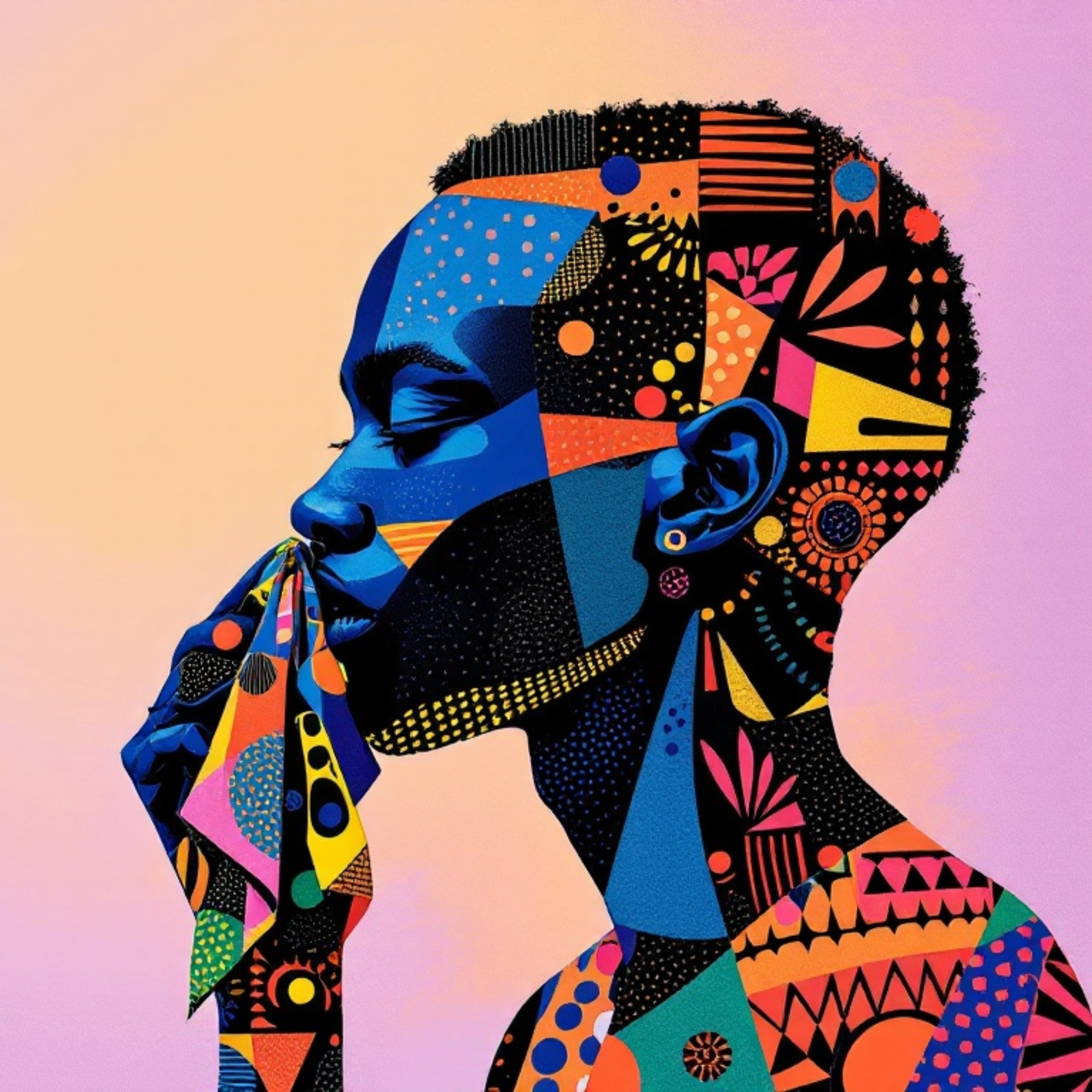
Podcast series titled "Brain Boogerz," features insightful discussions from the perspective of a geriatric millennial. Each episode covers various topics to help us improve with a bit of introspection, including a special guest speaker here and there, focusing on current themes and societal reflections.
-
27
Beltane, the Fire Festival on the Wheel of the Year
In this episode of Brain Boogerz, we explore Beltane—the fire festival that marks the shift into the bright half of the year—and what it can teach us about mental health and “coming back to life” without burning ourselves out. Using fire as a metaphor for the nervous system, we unpack regulated aliveness, discerned desire, and the difference between real activation and trauma-driven urgency. You’ll hear practical reflections on boundaries, consent, visibility, and protecting what’s blooming—plus gentle, grounded ways to participate in the season even if you’re still warming up.
-
26
Brain Boogerz S1E26 Finale: Breaking the Rules
Some Rules Are Meant to Be Broken is the Season 1 finale of Brain Boogerz—and it asks a deeper question than “What rules were you taught?”In this episode, MJ explores how many of the “rules” we live by—don’t be too much, keep the peace, don’t question authority, earn your rest, stay loyal at all costs—weren’t moral truths at all, but survival strategies learned under pressure. Drawing from attachment theory, trauma research, and social psychology, the episode examines how harmful rules are installed in childhood, reinforced by families and institutions, and maintained through fear, obligation, and guilt.Rather than glorifying rebellion, this conversation focuses on discernment: how to tell the difference between rules that protect life and those that quietly demand self‑betrayal. It also explores why breaking a harmful rule can feel frightening, guilt‑inducing, and destabilizing—even when it’s necessary for healing.The episode opens and closes with Ho’oponopono—I’m sorry. Please forgive me. Thank you. I love you.—as a language of repair, compassion, and self‑honesty.This finale invites you to reflect, grieve, and choose again:Which rules protected you once—and which ones are now preventing you from becoming fully alive?
-
25
Brain Boogerz: Ostara + Mental Health
Welcome back to Brain Boogerz — where we talk mental health, personal growth, and the paths less traveled.In this episode, we’re diving deep into Ostara, the Spring Equinox — the moment when day and night call a truce and the nervous system finally starts to thaw.This is not your “toxic positivity, everything is fixed now” version of spring.This is the grounded, honest, cyclical, human version of renewal.We explore:✨ The meaning of Ostara + the Spring Equinox✨ Why balance comes before growth✨ How your body has seasons (yes, literally)✨ Global spring festivals like Nowruz, Holi, Passover, Easter, Hanami & more✨ Late bloomers, early burners, and why timelines aren’t moral✨ Ostara symbols (eggs, rabbits, flowers, seeds) through a mental health lens✨ Colors, scents, and foods that support nervous system regulation✨ Three vegan Ostara recipes + a ritual beverage✨ Ritual scripts you can use at home✨ How to celebrate Ostara in the city, in nature, solo, or with communityThis episode blends psychology, anthropology, spirituality, and humor — because sometimes the only way to digest the academic stuff is with a little laughter and a lot of compassion.
-
24
Brain Boogerz S1E24: Imbolc + Mental Health
Imbolc is gentle. It’s not a dramatic rebirth — it’s a small, steady return. In this episode, we explore Imbolc as a threshold season: the first signs of returning light, the quiet work of care, and what it looks like to come back to yourself after a hard stretch. We talk symbols like fire and cleansing, and we honor Brigid in an inclusive way — as both saint and goddess — holding space for listeners from Christian and Pagan backgrounds. Then we bring it home with mental health reframes you can actually use: boundaries, self-trust, and healing that happens one small choice at a time.What’s one small thing you can do this week that signals “I’m returning”?
-
23
Am I A Narcissist?
Ever wonder if someone in your life is a narcissist? Narcissism isn't just one thing—it's a spectrum. In this episode, we're breaking down the types, traits, and patterns that actually matter. No jargon. No judgment. Just real talk about recognizing narcissistic behaviors and protecting your mental health.Understanding narcissism can literally change how you navigate relationships and move forward with clarity and confidence.Ready to understand what you're dealing with? Tune in now.
-
22
Brain Boogerz S1E22: Yule + Mental Health: Rest, Reflection, and the Return of the Light (Winter Solstice)
The Winter Solstice is the longest night of the year—and Yule is the moment that reminds us: the direction is changing. The light is coming back.In this episode of Brain Boogerz, MJ breaks down what Yule is, where it comes from, why so many winter traditions carry solstice symbolism, and how you can observe it in a way that’s grounded, respectful, and real—whether you live in the city, out in nature, alone, or with community.This isn’t about fear or stereotypes. It’s about meaning, history, and mental health—and using seasonal cycles as a framework for reflection, rest, and starting again.In this episode:What Yule is (Winter Solstice) and why it mattersOrigins + cultural parallels across winter celebrationsYule symbols: evergreens, lights, the Yule log, wreathsColors, scents, and foods of the seasonSimple ways to celebrate (city, nature, solo, or group)A growth-focused reframe: endurance, rest, and “minute by minute, the light returns”If you’re new here: welcome. If you’re returning: glad you’re back.Subscribe for weekly episodes on mental health, personal growth, and the paths less traveled.If you’re seeking mental health support, please reach out to a qualified mental health professional.
-
21
Brain Boogerz S1E21: What is Paganism?
The episode explores Paganism, Wicca, and the Wheel of the Year (Wiccan Sabbats), aiming to demystify these traditions, correct misconceptions, and show their value for personal growth and mental health.Misunderstandings: Paganism and Wicca have long been misunderstood and misrepresented, often painted as “evil” or “strange” due to historical suppression, demonization, and commercialization (e.g., Halloween, crystals.Why It Matters: Misrepresentation leads to loss of authenticity and barriers to understanding. There’s a modern movement to reclaim and clarify these traditions through education and respectful practice. Origins & Beliefs:Paganism is an umbrella for earth-centered traditions, predating Christianity, focusing on nature’s cycles, polytheism, and community.Christianity is monotheistic, rooted in Jesus’s teachings, with traditions shaped by the Bible and church history. Key Differences: Paganism is polytheistic and nature-centered; Christianity is monotheistic and event-centered. Many Christian holidays overlap with or replace Pagan festivals. Devil/Satan Myth: Paganism and Wicca are not connected to the Devil or Satan. This myth arose from historical bias and Christian reinterpretation of local deities. Wicca does not recognize the Devil and focuses on balance, nature, and personal responsibility. Wiccan Sabbats (Wheel of the Year): Eight seasonal festivals, each with unique symbols and meanings:Samhain: Endings, ancestors, reflection (Halloween)Yule: Winter solstice, rebirth of the sunImbolc: First signs of spring, purificationOstara: Spring equinox, renewalBeltane: Fertility, celebration of lifeLitha: Summer solstice, abundanceLammas: First harvest, gratitudeMabon: Autumn equinox, thanksgiving. Modern Practice: Rituals focus on intention, gratitude, and connection to nature—often through simple acts like making tea, lighting candles, or journaling. Potions and recipes are about mindfulness and empowerment, not supernatural powers. Takeaways: Paganism and Wicca value connection to nature, personal growth, and respect for all life. Their practices offer frameworks for reflection and intentional living, and their symbols and rituals help practitioners connect to the cycles of the earth and their own lives. Final Message: The episode encourages curiosity, open-mindedness, and respectful exploration of these traditions, emphasizing that every season—and every tradition—has something to teach us.
-
20
Erich Fromm's Character Orientations
This episode introduces Erich Fromm’s five character orientations, which describe habitual ways people relate to the world and others. These are not diagnoses but patterns shaped by personal history and culture. The goal is to move toward Fromm’s “Productive Orientation,” marked by love, creativity, responsibility, and authenticity.
-
19
Who's In Control?
The episode explores how much control we truly have over our thoughts, actions, and beliefs, and how much is shaped by outside influences.Locus of Control:Internal locus: Belief that you control your destiny through your actions.External locus: Belief that outside forces (luck, fate, others) control your life.People with an internal locus are generally more motivated and resilient, but sometimes external factors genuinely matter.Social Learning & Group Behavior:We learn by observing others (social learning).Group-coordinated behavior (herd mentality) can lead us to conform, sometimes against our own interests.Examples: applause, fitness classes, social media trends, workplace meetings, fashion, emergency responses, sports fandom, rituals, and online mobbing.Operant Conditioning:Our habits are shaped by rewards and punishments, often unconsciously.Examples: positive/negative reinforcement and punishment in fitness, daily life, social media, nutrition, and self-care.Propaganda, Marketing, and Subliminal Communication:Propaganda and marketing use overt and subtle cues to influence us.Subliminal communication includes product placement, background music, color psychology, social media algorithms, store layouts, political ads, and more.Biases, Social Conditioning, and Auto-Responses:Our brains use shortcuts (heuristics) that can lead to biases (confirmation, authority, in-group).Social conditioning teaches us what’s “normal” and can create automatic responses and beliefs.Critical Thinking:This approach encourages questioning, analyzing, and reflecting rather than accepting things at face value.Strategies: reframe critical thinking as self-respect, normalize discomfort, seek diverse perspectives, practice metacognition, mindfulness, and journaling.Recognizing Manipulation:Describes dark manipulation tactics (gaslighting, love bombing, guilt-tripping, fear-mongering, isolation, projection, blame-shifting, silent treatment, false urgency, mirroring, divide and conquer, emotional blackmail).Warning signs: strong emotional reactions, pressure to conform, and a disconnect between values and actions.Advice: step back, fact-check, seek support, practice self-compassion.Other “Locus” Frameworks:Locus of evaluation (self vs. others for validation), locus of causality (internal/external motivation), locus of responsibility, locus of attention.Conclusion:We are shaped by both internal beliefs and external influences. By developing awareness and critical thinking, we can reclaim our agency and make more intentional choices.
-
18
How ACEs shaped who we are today
Do you wonder why you do the things you do when you're dealing with old wounds from childhood? Or why react to someone's voice, tone or approach may cause your body to react in defense? We briefly talk about adverse childhood experiences, or those moments in our childhood that shaped how we manage the world as adults. ***TRIGGER Warning***, you may find solutions as you discover the depths of your foundation.
-
17
What Your Sensitivities Say About You
Childhood sensitivities shape how we respond to stress, love, and conflict—often without us knowing. In this episode, we unpack common triggers, trace them back to early patterns, and practice simple tools to regulate in the moment. Listen in for grounded steps you can use today to build safer connections—with yourself and others.
-
16
Is Your SCARF Choking or Comforting You?
Today we unpack SCARF: Status, Certainty, Autonomy, Relatedness, and Fairness—the five social needs that shape how we react.You’ll learn what each one means, how they interact like a dashboard, and how to run quick self-checks in real moments.Walk away with simple reframes and communication tips to lower threat, boost connection, and move forward with intention.
-
15
Brain Boogerz Quick Picks: FOG (Fear, Obligation, Guilt)
On this episode, I provide a quick pick, providing frameworks and tools that are often presented on other topics. With quick picks, it's an opportunity to get a "full" episode while on your lunch break, dog walk or stroll. Enjoy this and other quick picks, as they provide quick insights for daily self management. This episode is on Fear, Obligation and Guilt, or FOG and how we can use it to improve our social growth!
-
14
Are we Slaves to Social Patterns?
We talk about socially patterned defects as presented by Erich Fromm, diving into the why's behind our actions; how complacency, complicity and conformity coupled with ignorance, ideology and inertia keep us locked in a perpetual spin. If you're trying to figure out why you do some of the things you do, join me as I pick at and dig in on this fascinating topic.
-
13
Do you have the Time?
Completing the MEAT series with a look at TIME, our relationship with it, it's value and how we can protect it. Join me for a dive into the last part of our semi-renewable resources.
-
12
Can I Have Your Attention?
In this episode of the MEAT series, we focus on our Attention, how to manage it, how it's under attack, how it can be manipulated, and how we sometimes create a sense of connection when we empathize with others attention hoarding medical conditions and social structures. We talk about CANOE, attachement styles, HALT, Ho'oponopono, Socially Patterned Defects and more!
-
11
MEAT Series: Managing Your Energy
The episode emphasizes that energy is a precious, limited resource that must be managed consciously. By understanding the interplay of emotions, personality, attachment styles, societal influences, and adopting mindful practices like HALT, SIFT, and Ho’oponopono, individuals can reclaim their energy to live more intentional and resilient lives. And here's my Book Shelf, the resources that inform what I share with you, that way you too can be acitizen scientist, learn about yourself and your community, and understand how to navigate the inertia we’re working to dampen, and adjust course on our ideology and ignorance. These books informed this episode: Man's Search for Meaning by Viktor FranklZero Limits by Joe Vitale and Ihaleakala Hew LenWhy You Are Who You Are by Mark Leary and The Great CoursesAddiction as an Attachment Disorder by Philip J. FloresThe Power of Attachment by Diane Poole Heller, PhD and Peter A. LevineAnxiety in Relationship by Melanie White Anxiety in Relationship by Theresa MillerPlatonic by Marisa G. Franco, PhDTerror, Love and Brainwashing by Alexandra SteinPolysecure by Jessica FernUnderstanding the Mysteries of Human Behavior by Mark Leary and The Great CoursesPush Back: Assert Yourself in Relationships by Monica Johnson and The Great CoursesEmotional Intelligence by Daniel GolemanScience and Human Behavior by B. F. SkinnerHow to Train Your Mind by Chris BaileyNeuroscience: Understanding Emotions, Resilience, and Intelligence by John FeiselMemories, Dreams, Reflections by Carl G. JungHappy Listening!- MJ
-
10
Protecting Your MEAT - You and Money
Let's talk about your MEAT! Why you should protect it, let few people handle it, and how you can keep it healthy and supported! Let's take a deep dive in our MEAT, and better understand our Money, Energy, Attention and Time!
-
9
Know Your Biases
This episode touches on cognitive biases, and how to be better aware of when we're operating through them. We'll talk about the Dunning-Kruger bias, and others.
-
8
CANOE Wrap Up: Know Thyself
This episode wraps up my deep dive into the CANOE, BASIC Ph, Attachment styles and Ho'oponopono, ending with some personal impact.
-
7
Extraversion - The Connector and Motivator
This episode covers the 5th of the Big Five personality traits, extraversion! This week, we talk about the extraversion spectrum, coping, and learning how to move forward in seeking social energy!
-
6
Openness: The Visionary of the CANOE
This episode encourages listeners to reflect on their Openness to experience and consider how cultural expectations may shape their willingness to embrace new ideas; awareness of how Openness may be manipulated, and how Ho'oponopono and BASIC Ph interact with Openness.
-
5
Neuroticism As a Superpower
In this episode, we continue to dive into the five big personality traits, focusing on Neuroticism, what it is, how to manage it, and how to use it as a superpower
-
4
Rowing Together: The Power of Agreeableness in Building Harmony
The podcast, titled "Rowing Together: The Power of Agreeableness in Building Harmony," explores the significance of agreeableness in personal and professional relationships. The host discusses how agreeableness influences various aspects of life, including beliefs, emotions, social engagement, and physical health, and introduces the idea of collective and individual successthrough collaboration.
-
3
Brain Boogerz: S1E3 – Conscientiousness: The Keystone of Your CANOE
Continued picking and digging into personality traits, how they are expressed, learned and managed.
-
2
Brain Boogerz - OCEAN and BASIC Ph
In this episode, we touch on the personality traits in OCEAN/CANOE and BASIC Ph!
-
1
Brain Boogerz Intro
Hi, I'm MJ your host, and this is Brain Boogerz. On the first episode, I introduce myself, why I created the podcast, and what to expect. I'm happy you're here to join this journey!Let's dig in!
No matches for "" in this podcast's transcripts.
No topics indexed yet for this podcast.
Loading reviews...
ABOUT THIS SHOW
Podcast series titled "Brain Boogerz," features insightful discussions from the perspective of a geriatric millennial. Each episode covers various topics to help us improve with a bit of introspection, including a special guest speaker here and there, focusing on current themes and societal reflections.
HOSTED BY
Brain Boogerz
CATEGORIES
Loading similar podcasts...
URL copied to clipboard!