
PODCAST · health
Continuous Glucose Monitoring (CGM): stories, tips and tricks
by Dr Edward Leatham
This article is written for patients who have tried a CGM and found significant glucose dysregulation.
-
4
Personalised nutrition advice guide by CGM: is the future now here?
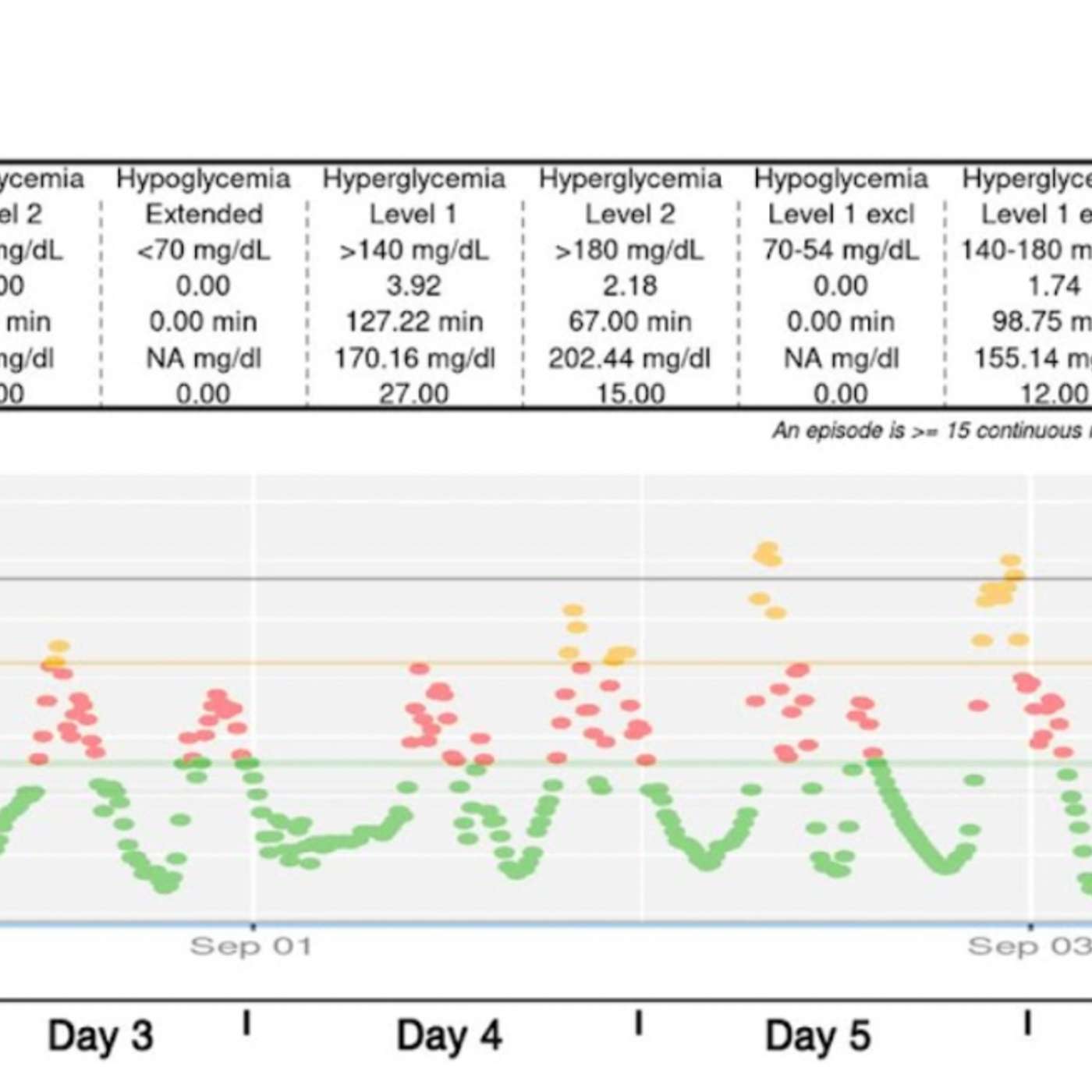
Insights gained from the use of continuous glucose monitors (CGM) have revealed that many non-diabetic individuals exhibit transient spikes in blood glucose after consuming high-carbohydrate foods to levels normally only seen in insulin resistant or deficient diabetics. This observation has sparked significant interest in whether ‘glucose dysregulation’, characterised by both high variability (a known cardiovascular risk factor) and excursions (‘spikes’) above normal levels (e.g., 7.8 mmol/L or 140 mg/dL), could be actually causing many long-term diseases.
-
3
Glucose: A Matter of Life and Death
There is increasing evidence that high blood and tissue glucose levels may be an important risk factor for many non communicable diseases.CGM monitoring should be considered in all patients affected by heart disease, in order to define glucotype and current glucose profile- both easily treated if 'unhealthy' .
-
2
Why personalised wellness starts with a CGM: what is CGP IIIC all about?
This article is written for patients with an unhealthy (high) BMI who have undergone a metabolic health assessment where either their personalised CGP is found to be IIIC, meaning there is moderate glucose dysregulation. There may be an ambition to lower central fat stores, waistline and body weight.
-
1
Type IIIB CGP: why it may be important to know your CGP, even if you are not overweight.
In many non diabetic patients wearing a CGM we observe frequent glucose excursions over 7.8 mmol/L (140 mg/dL) often averaging more than two per day, and even some exceeding 10 mmol/L. This suggests that there are some challenges in the body’s processing of carbohydrates. Although these individuals are not formally classified as ‘diabetic’ or ‘prediabetic’ by current standards, research indicates that this degree of glucose dysregulation may increase the risk of developing Type 2 diabetes and, over time, glucose spikes may contribute to an increase in inflammation in key organs such as the heart and brain. Therefore, it makes sense to implement lifestyle and dietary changes to improve glucose control.
We're indexing this podcast's transcripts for the first time — this can take a minute or two. We'll show results as soon as they're ready.
No matches for "" in this podcast's transcripts.
No topics indexed yet for this podcast.
Loading reviews...
Loading similar podcasts...
Frequently Asked Questions
How many episodes does Continuous Glucose Monitoring (CGM): stories, tips and tricks have?
Continuous Glucose Monitoring (CGM): stories, tips and tricks currently has 4 episodes available on PodParley. New episodes are automatically indexed when they're published to the podcast feed.
What is Continuous Glucose Monitoring (CGM): stories, tips and tricks about?
This article is written for patients who have tried a CGM and found significant glucose dysregulation.
How often does Continuous Glucose Monitoring (CGM): stories, tips and tricks release new episodes?
Continuous Glucose Monitoring (CGM): stories, tips and tricks has 4 episodes. Check the episode list to see recent publication dates and frequency.
Where can I listen to Continuous Glucose Monitoring (CGM): stories, tips and tricks?
You can listen to Continuous Glucose Monitoring (CGM): stories, tips and tricks on PodParley by clicking any episode. We provide an embedded audio player for direct listening, and you can also subscribe via your preferred podcast app using the RSS feed.
Who hosts Continuous Glucose Monitoring (CGM): stories, tips and tricks?
Continuous Glucose Monitoring (CGM): stories, tips and tricks is created and hosted by Dr Edward Leatham.
URL copied to clipboard!