
PODCAST · health
Mapping Healthcare
by Dr. Ulfat Shaikh
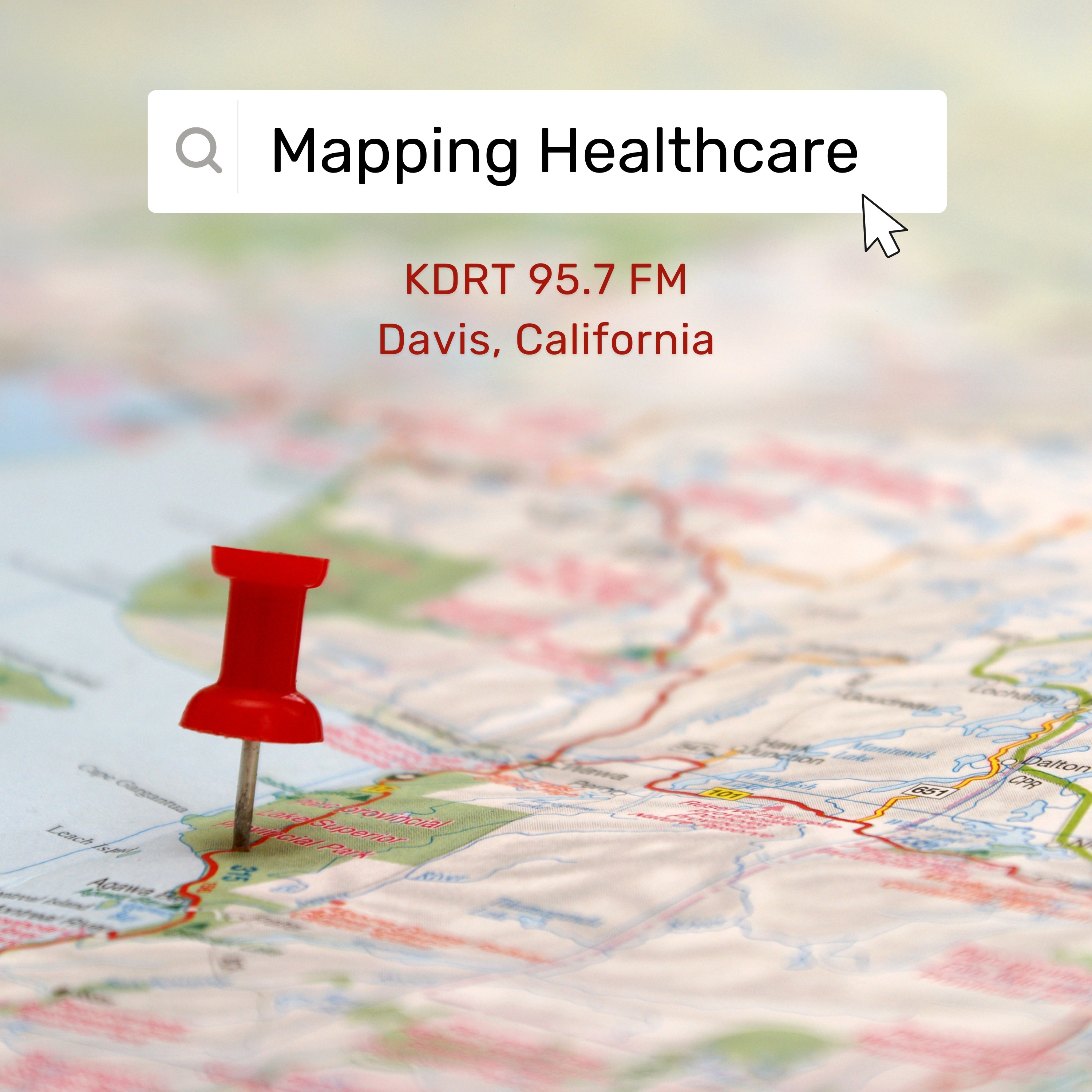
Mapping Healthcare is a radio show and podcast where a medic with a map explores ways in which people around the globe make the world of healthcare better and what we can learn from them. The host is a physician, medical educator, and researcher who leads programs to help people access high-quality healthcare and stay healthy.
-
32
What Matters to You: A Simple Question That Transforms Care in Switzerland
In healthcare, we’re trained to move fast, to diagnose, treat, and fix. But what happens when we slow down just enough to ask a different question: What matters to you? In this episode, we reflect on how one simple question can transform not just clinical decisions, but relationships, trust, and meaning for patients, families, and clinicians. Christian von Plessen shares what happens when we stop asking “What’s the matter?” and start asking “What matters to you?”. Whether you're wearing a stethoscope or the hospital gown, this seemingly simple question is a reminder of why connection matters.
-
31
31. A Voice from the Village: Primary Care in Rural Ireland
Today we’re in a place where everybody knows your name, but also where the nearest specialist may be a three hour drive away. In a city, your physician is someone you may see a couple of times a year. In a rural area you see them in the grocery store or at the Friday night football game. This creates a whole new level of social connection. John Brennan tells us about his experience providing primary care to people in County Kilkenny, Ireland. Join us as we explore the rugged landscape of rural healthcare and hear why this lifeline that depends heavily on committed primary care physicians, is becoming increasingly fragile.References:Arredondo K, Bay K, Witte L, et al. Rural practice made attractive: a scoping review of rural primary care physician recruitment and retention incentives. J Gen Intern Med. Published online January 26, 2026. doi:10.1007/s11606-026-10218-8.Kaboli P, Blaine A, Mares J, Fortney J, Ono S, O’Shea AMJ. Health care access from the rural perspective: a narrative review. J Rural Health. 2026;42:e70119. doi:10.1111/jrh.70119.Maganty A, Byrnes ME, Hamm M, et al. Barriers to rural health care from the provider perspective. Rural Remote Health. 2023;23(2):7769. doi:10.22605/RRH7769.Huffstetler AN, Greiner A, Kempski A, Park J, Filippi MK, Langa M. Closing the Distance in Rural Primary Care: Primary Care Collaborative 2025 Evidence Report. Washington, DC: Primary Care Collaborative/Robert Graham Center; 2025.Serchen J, Johnson D, Cline K, et al. Improving health and health care in rural communities: a position paper from the American College of Physicians. Ann Intern Med. 2025;178:701-704. doi:10.7326/ANNALS-24-03577.
-
30
30. Smart Risks in High-Stakes Health Systems from the Netherlands
Healthcare faces urgent challenges. Rising complexity, widening inequities, burned-out clinical teams, and health systems stretched to their limits. But what if the biggest risk is playing it safe? Behind every breakthrough in healthcare, there is a moment when someone chose to take a thoughtful, informed risk. Ellen Joan van Vliet tells us how to question the status quo, experiment responsibly, and push forward when it matters most. Hear what it really takes to make smart bets that improve patient care, strengthen communities, and accelerate meaningful change – one intelligent risk at a time.References:Edmondson AC. Learning from failure in health care: frequent opportunities, pervasive barriers. BMJ Qual Saf. 2004;13(Suppl 2):ii3‑ii9. doi:10.1136/qshc.2003.009597Macrae C, Vincent C. Learning from failure: the need for independent safety investigation in healthcare. J R Soc Med. 2014;107(11):439‑443. doi:10.1177/0141076814555939Hibbert PD, Stewart S, Wiles LK, et al. Improving patient safety governance and systems through learning from successes and failures: qualitative surveys and interviews with international experts. Int J Qual Health Care. 2023;35(4):mzad088. doi:10.1093/intqhc/mzad088Bates DW, Singh H. Two decades since To Err Is Human: an assessment of progress and emerging priorities in patient safety. Health Aff (Millwood). 2018;37(11):1736‑1743. doi:10.1377/hlthaff.2018.0738Ramar K, Oxentenko AS, Dowdy SC. Transforming health care through quality and safety. Mayo Clin Proc. 2025;100(8):1385‑1401. doi:10.1016/j.mayocp.2025.03.021
-
29
29. Improving Clinical Environments for Nurses from South Africa
About 40% of nurses say they plan to leave nursing in the next five years because of unmanageable stress, workload, and understaffing. There are scales to measure the health of a workplace that look at staffing, leadership support, nurse-physician relationships, participation in hospital affairs, and the quality of care delivered. Sabelile Tenza tells us about her research on the relationship between nurses' practice environments and the quality and safety of healthcare. Hear how we can create clinical environments where nurses don’t just survive their 12-hour shifts, but where they are empowered to thrive.References:Leary KB, Lee M, Mossburg S. Patient Safety Amid Nursing Workforce Challenges. PSNet. April 24, 2024.Chiminelli-Tomás V, Tutte-Vallarino V, Ferreira-Umpiérrez A, Hernández-Morante JJ, Reche-García C. Impact of Nursing Practice Environments in Work Engagement and Burnout: A Systematic Review. Healthcare. 2025;13(7):779.Leone S, Rosato I, Poli E, Canova C, Danielis M. Factors Related to Turnover Intention Among OR Nurses: A Systematic Review. AORN J. 2025;121(5)Mabona JF, Van Rooyen DRM, Ten Ham-Baloyi W. Best practice recommendations for healthy work environments for nurses: An integrative literature review. Health SA Gesondheid. 2022;27:a1788.Martinez E, Cartwright T, McKenzie L, Faulkner B. Cultivating Healthy Work Environments Through the Lens of Nursing’s Code of Ethics. Nursing Administration Quarterly. 2026;50:25–30.
-
28
28. Pharmacists Preventing Medication Mix‑Ups from Melbourne
Transitions of care from hospital to home are some of the riskiest moments in a person’s healthcare journey. Medication lists change, high‑risk medications require careful monitoring, and patients often deal with overwhelming amounts of instructions. Linda Graudins tells us how pharmacists play crucial roles in helping people on complex medication regimens navigate these challenges safely. We’ll look at a process called medication reconciliation which is a bit like medication detective work and helps pharmacists keep those potentially dangerous transitions from home to hospital, and back to your home, smooth and safe.References:Agency for Healthcare Research and Quality. Medication Reconciliation. Patient Safety Network (PSNet). Published September 2019. Updated December 15, 2024.McNab D, Bowie P, Ross A, MacWalter G, Ryan M, Morrison J. Systematic review and meta-analysis of the effectiveness of pharmacist-led medication reconciliation in the community after hospital discharge. BMJ Qual Saf. 2018;27(4):308–320. doi:10.1136/bmjqs-2017-007087.International Pharmaceutical Federation (FIP). Medicines reconciliation: A toolkit for pharmacists. The Hague: International Pharmaceutical Federation; 2021.Cheema E, Alhomoud FK, Kinsara ASAL-D, et al. The impact of pharmacists-led medicines reconciliation on healthcare outcomes in secondary care: A systematic review and meta-analysis of randomized controlled trials. PLOS ONE. 2018;13(3):e0193510. doi:10.1371/journal.pone.0193510.Patel E, Pevnick JM, Kennelty KA. Pharmacists and medication reconciliation: a review of recent literature. Integr Pharm Res Pract. 2019;8:39–45. doi:10.2147/IPRP.S154388.Schnipper JL. Medication reconciliation—too much or not enough? JAMA Netw Open. 2021;4(9):e2125272. doi:10.1001/jamanetworkopen.2021.25272.
-
27
27. Bringing the Hospital to Your Home in Australia
Ever wish you could skip noisy hospitals and heal in your own bed? We explore Hospital at Home, a game-changing model that brings acute care—from IV meds to 24/7 monitoring—directly to your living room. We trace how this 1990s pilot became a global trend, accelerated by the COVID-19 pandemic and new government payment models. Michael Montalto shares how Hospital at Home prevents unnecessary hospital admissions and emergency department visits and reduces healthcare costs in Australia. We also weigh the downsides, including caregiver stress and lack of integration with primary care.References:Levine DM, Souza J, Schnipper JL, et al. Acute Hospital Care at Home in the United States: The Early National Experience. Ann Intern Med. 2024;177(2):238-241. doi:10.7326/M23-2264Edgar K, Iliffe S, Doll HA, et al. Admission avoidance hospital at home. Cochrane Database Syst Rev. 2024;(3):CD007491. doi:10.1002/14651858.CD007491.pub3Patient Safety Network. Hospital at Home? Care Reduces Costs, Readmissions, and Complications and Enhances Satisfaction for Elderly Patients. PSNet. April 7, 2021.Montalto M, McElduff P, Hardy K. Home ward bound: features of hospital in the home use by major Australian hospitals, 2011–2017. Med J Aust. 2020;213(1):22-27. doi:10.5694/mja2.50599Pandit JA, Pawelek JB, Leff B, Topol EJ. The hospital at home in the USA: current status and future prospects. NPJ Digit Med. 2024;7:49. doi:10.1038/s41746-024-01040-9Patel HY, West DJ Jr. Hospital at Home: An Evolving Model for Comprehensive Healthcare. Glob J Qual Saf Healthc. 2021;4(4):141-146. doi:10.36401/JQSH-21-4Wallis JA, Shepperd S, Makela P, et al. Factors influencing the implementation of early discharge hospital at home and admission avoidance hospital at home: a qualitative evidence synthesis. Cochrane Database Syst Rev. 2024;(3):CD014765. doi:10.1002/14651858.CD014765.pub2Truong TT, Siu AL. The Evolving Practice of Hospital at Home in the United States. Annu Rev Med. 2024;75:391-399. doi:10.1146/annurev-med-051022-042210Arsenault-Lapierre G, Henein M, Gaid D, et al. Hospital-at-Home Interventions vs In-Hospital Stay for Patients With Chronic Disease Who Present to the Emergency Department: A Systematic Review and Meta-analysis. JAMA Netw Open. 2021;4(6):e2111568. doi:10.1001/jamanetworkopen.2021.11568
-
26
26. Spelling Out Who's Who in the Hospital from South Carolina
You're in a hospital. There’s a whirlwind of people in scrubs and white coats. It can be confusing trying to figure out who's who. Is that person a nurse, a respiratory therapist, a resident physician, a senior doctor? Who's actually in charge? It sounds simple but can be quite complicated – knowing who is actually treating you in a hospital. It is a real problem because while those in the medical field understand the hierarchy, for patients these roles are often totally opaque. This is not just an identity crisis. Helen Haskell tells us why this is a serious patient safety concern and what we can do about it.References:Turner DA, Rehder KJ, Nagler A, Aucoin J, Edwards P, Kuhn C. What’s in a name? Role clarity goes well beyond a simple title. J Patient Exp. 2019;6(4):325-328. doi:10.1177/2374373518803615. Wray A, Feldman M, Toohey S, et al. Patient perception of providers: do patients understand who their doctor is? J Patient Exp. 2020;7(5):788-795. doi:10.1177/2374373519892780. Solomon HV, Kim BS, Rajagopalan AK, Funk MC. “Doctor” badge promotes accurate role identification and reduces gender-based aggressions in female resident physicians. Acad Psychiatry. 2022;46(5):611-615. doi:10.1007/s40596-022-01641-0.Olson EM, Dines VA, Ryan SM, et al. Physician identification badges: a multispecialty quality improvement study to address professional misidentification and bias. Mayo Clin Proc. 2022;97(4):658-667. doi:10.1016/j.mayocp.2022.01.007.Tsai J. Who is my doctor? Some hospital patients never know. Scientific American. Published online December 4, 2020. Foote MB, Jain N, Rome BN, DeFilippis EM, Powe CE, Yialamas MA.Association of perceived role misidentification with use of role identity badges among resident physicians. JAMA Netw Open. 2022;5(7):e2224236. doi:10.1001/jamanetworkopen.2022.24236.
-
25
25. Bridging Culture and Mental Health from Bergen
How much of our inner world is shaped by the world around us? And does depression in Oslo feel the same as depression in Oklahoma City? The language we use to talk about our pain and even the pain itself can be deeply cultural. For a long time the approach to mental health was to stick on a label and treat the symptoms. That's evolving from a one-size-fits-all approach to viewing mental health through a cultural lens. Ingunn Marie Engebretsen tells us how culture shapes how we perceive and express symptoms, our willingness to seek help, stigma around mental health, and family and community support.References:Office of the Surgeon General (US); Center for Mental Health Services; National Institute of Mental Health. Mental Health: Culture, Race, and Ethnicity: A Supplement to Mental Health: A Report of the Surgeon General. Rockville, MD: Substance Abuse and Mental Health Services Administration (US); 2001.Boardman J, Dave S.Person-centred care and psychiatry: some key perspectives. BJPsych Int. 2020. doi:10.1192/bji.2020.21.,Adebayo YO, Adesiyan RE, Amadi CS, Ipede O, Karakitie LO, Adebayo KT. Cross-cultural perspectives on mental health: Understanding variations and promoting cultural competence. World J Adv Res Rev. 2024;23(01):432-439. doi:10.30574/wjarr.2024.23.1.2040.,Hwang WC, Myers HF, Abe-Kim J, Ting JY. A conceptual paradigm for understanding culture's impact on mental health: The cultural influences on mental health (CIMH) model.Clin Psychol Rev. 2008;28(2):211-227. doi:10.1016/j.cpr.2007.05.001.,Singh S. Understanding the intersection of culture and mental health a comprehensive review. Health Sci J. 2024;18(3):1117. doi:10.36648/1791-809X.18.3.1117.
-
24
24. Resistance is Real – Safer and Smarter Antibiotic Use in Argentina
Antibiotic resistance is when bacteria evolve to withstand the medicines designed to kill them. About half the time that we use an antibiotic, it might not be needed or it's the wrong one for the job. That misuse is what's driving antibiotic resistance. Resistant infections threaten modern medicine's ability to manage infections and lead to longer illnesses, hospital stays, higher costs, and deaths. Facundo Jorro-Baron tells us about how public hospitals he worked with changed their antibiotic prescription practices. Hear why the fight against antibiotic resistance deals with some resistance of its own. And like most resistance, it too is local.References:Jorro-Baron F, Loudet CI, Cornistein W, et al. Optimising antibacterial utilisation in Argentine intensive care units: a quality improvement collaborative. BMJ Qual Saf. 2025;34:590–600. doi:10.1136/bmjqs-2024-017069.Liberati C, Brigadoi G, Barbieri E, Giaquinto C, Donà D. Antimicrobial Stewardship Programs in Pediatric Intensive Care Units: A Systematic Scoping Review.Antibiotics. 2025;14(2):130. doi:10.3390/antibiotics14020130.Flannery DD, Coggins SA, Medoro AK. Antibiotic Stewardship in the Neonatal Intensive Care Unit. Journal of Intensive Care Medicine. 2025;40(8):862-875. doi:10.1177/08850666241258386.Branstetter JW, Barker L, Yarbrough A, Ross S, Stultz JS. Challenges of Antibiotic Stewardship in the Pediatric and Neonatal Intensive Care Units. J Pediatr Pharmacol Ther. 2021;26(7):659–668. doi:10.5863/1551-6776-26.7.659.Gerber JS, Jackson MA, Tamma PD, Zaoutis TE. Antibiotic Stewardship in Pediatrics. Pediatrics. 2021;147(1):e2020040295. doi:10.1542/peds.2020-040295.
-
23
23. Caring for Children with Medical Complexity – Navigating Choppy Waters Across the Atlantic
Behind so many children with complex medical needs there is an often invisible support system. The people we're talking about are family members of children with medical complexity. Pediatric neurodisability specialist Helen Leonard shares her experience navigating the healthcare system with her son, Matthew. Health systems are generally better at handling single-issue fixable conditions, such as heart attacks or trauma, but fall short for people with complex needs. If we want to truly deliver coordinated and integrated care, we have to support the entire family, because caring for the caregiver is caring for the child.References:Leonard H. Personal health budgets—a view from the other side. The BMJ Opinion. 2010. Leonard H. Children with complex health needs and personal health budgets. Archives of Disease in Childhood 105(3):p 211-213, March 2020. | DOI: 10.1136/archdischild-2019-317092Allshouse C, Comeau M, Rodgers R, Wells N. Families of Children With Medical Complexity: A View From the Front Lines. Pediatrics. 2018;141(suppl 3):S195-S201. doi:10.1542/peds.2017-1284D.De Iongh A, Redding D, Leonard H. New personalised care plan for the NHS. BMJ. 2019;364:l470. doi:10.1136/bmj.l470.Holmes C, Kimbrough T, Davis T, Samuel A, Smyth F. Counseling Families with Children with Medical Complexity. The Family Journal: Counseling and Therapy for Couples and Families. 2023;31(1):157-164. doi:10.1177/10664807221124134.Holmes C, Zeleke W, Sampath S, Kimbrough T. “Hanging on by a Thread”: The Lived Experience of Parents of Children with Medical Complexity. Children. 2024;11(10):1258. doi:10.3390/children11101258.Houlihan BV, Coleman C, Kuo DZ, Plant B, Comeau M. What Families of Children With Medical Complexity Say They Need: Humanism in Care Delivery Change. Pediatrics. 2024. doi:10.1542/peds.2023-063424F.Huth K, Montgomery N, Berry JG, Coller RJ, Houlihan B, Toussaint K, Stringfellow I, Comeau M. What Families of Children With Medical Complexity Say About Their Family Well-Being. Pediatrics. 2025;156(6):e2025071939. doi:10.1542/peds.2025-071939.Teicher J, Moore C, Esser K, Weiser N, Arje D, Cohen E, Orkin J. The Experience of Parental Caregiving for Children With Medical Complexity. Clinical Pediatrics. 2023;62(6):633-644. doi:10.1177/00099228221142102.Zurynski Y, Hutchinson K, Kang Y, Vizheh M, de Groot A. Family Experiences of Integrated Care for Children With Medical Complexity: A Scoping Review. Child: Care, Health and Development. 2025.
-
22
22. Changing Health Systems Through Clinician Advocacy from Chicago
When we think of healthcare professionals we usually picture them treating illnesses. But the reality is that major health gaps aren't usually caused by clinical failures – they are the result of social, political, economic, or educational factors. Advocacy in healthcare involves using your voice and expertise to influence not only individual health, but the health of our society. Susan Kressly, president of the American Academy of Pediatrics, tells us how healthcare professionals can step up to make big changes, not just for the person right in front of them, but for whole communities.References:Earnest MA, Wong SL, Federico SG. Perspective: Physician advocacy: what is it and how do we do it? Acad Med. 2010 Jan;85(1):63-7. doi: 10.1097/ACM.0b013e3181c40d40. PMID: 20042825.Olatunbosun C, Wilby KJ. Advocacy as a professional responsibility. Can Pharm J (Ott). 2022 Oct 7;155(6):298-301. doi: 10.1177/17151635221125782. Earnest M, Wong SL, Federico S, Cervantes L. A Model of Advocacy to Inform Action. J Gen Intern Med. 2023 Jan;38(1):208-212. doi: 10.1007/s11606-022-07866-x. Epub 2022 Nov 2. Warwick S, Kantor L, Ahart E, Twist K, Mabry T, Stoltzfus K. Physician Advocacy: Identifying Motivations for Work Beyond Clinical Practice. Kans J Med. 2022 Dec 19;15(3):433-436. doi: 10.17161/kjm.vol15.18255.Haq C, Stiles M, Rothenberg D, Lukolyo H. Effective Advocacy for Patients and Communities. Am Fam Physician. 2019 Jan 1;99(1):44-46.
-
21
21. Health and the Human Factor in Glasgow
Human factors as a field emerged during World War II because of the need to improve the design of aircrafts and other military equipment, while paying attention to human fatigue, perception, thinking, understanding, and usability. It's where psychology meets engineering to design processes that make it easy for people to do the right thing. Since then human factors has expanded into health care to improve how humans interact with health systems. It’s less about creating the perfect healthcare worker and more about designing the perfect (or at least a much better) interaction between the healthcare workers and their environments.References:Bowie P, Baharnah AA, Alkutbe R, Abid MM, Almelaifi A, Abid MH. Using human factors science to improve quality and safety of healthcare. Glob J Qual Saf Healthc. 2024;8:93–96. doi:10.36401/JQSH-24-X8.Russ AL, Fairbanks RJ, Karsh B-T, Militello LG, Saleem JJ, Wears RL. The science of human factors: separating fact from fiction. BMJ Qual Saf. 2013;22:802–808. doi:10.1136/bmjqs-2012-001450.Human Factors Engineering. PSNet [internet]. 2019. Last reviewed 2024. https://psnet.ahrq.gov/primer/human-factors-engineering.Carayon P, Werner N, Makkenchery A, et al. Using human factors engineering and the SEIPS model to advance patient safety in care transitions. PSNet [internet]. November 16, 2022. https://psnet.ahrq.gov/perspective/using-human-factors-engineering-and-seips-model-advance-patient-safety-care-transitions.National Quality Board. Human factors in healthcare: a concordat from the National Quality Board. November 2013.
-
20
20. Preventing Unnecessary Cesarean Sections in Latin America
We’re dealing with another delivery dilemma, the rising global rates of medically unnecessary Cesarean sections. Latin America has some of the highest C-section rates in the world and Pedro Delgado tells us about the complex interplay of factors related to childbearing women, societal norms, clinicians, and healthcare systems that drives this practice. It’s about striking a delicate balance — ensuring medically necessary C-sections are accessible while reducing overuse, all while respecting women's rights to choose and promoting informed decision-making.References:Perner MS, Ortigoza A, Trotta A, et al. Cesarean sections and social inequalities in 305 cities of Latin America. SSM - Population Health. 2022;19:101239. doi:10.1016/j.ssmph.2022.101239Betrán AP, Temmerman M, Kingdon C, et al. Interventions to reduce unnecessary caesarean sections in healthy women and babies. Lancet. 2018;392(10155):1358-1368. doi:10.1016/S0140-6736(18)31927-5Editorial. Stemming the global caesarean section epidemic. Lancet. 2018;392(10155). (Specific page numbers for the editorial were not provided in the source, but it is part of the same Lancet series issue as the Betrán et al. article).World Health Organization. WHO Recommendations Non-clinical Interventions to Reduce Unnecessary Caesarean Sections. World Health Organization; 2018. WHO/RHR/18.24.Borem P, Sanchez RC, Torres J, et al. A quality improvement initiative to increase the frequency of vaginal delivery in Brazilian hospitals. Obstet Gynecol. 2020;135(2):415-425. doi:10.1097/AOG.0000000000003619Metwali NY, Ahmed RA, Timraz JH, et al. Evidence-Based Strategies to Minimize Unnecessary Primary Cesarean Sections: A Comprehensive Review. Cureus. 2024;16(11):e74729. doi:10.7759/cureus.74729
-
19
19. Increasing Access to Lifesaving C-Sections in Bihar
Too little, too late. And too much, too soon. This and the next episode are about the c-section paradox: the rising rates of medically unnecessary C-sections globally and the underuse of c-sections when they are really needed. Hear about the complex interplay of factors that come into play for a birthing mother not getting a c-section when it's medically needed, and how this causes medical problems or death in mothers and newborns. Abha Mehndiratta discusses an initiative in the state of Bihar, India to increase access to medically necessary c-sections at resource-constrained public hospitals.
-
18
18. Dispatch from Dublin - Little Babies Big Risks
In today’s episode the tables are turned and I am a guest on the The Walk and Talk Improvement Podcast in Ireland. This is a special episode to mark the 2025 World Patient Safety Day. This year’s theme is “Safe care for every newborn and every child” and it highlights the need to prevent avoidable harm in child health settings. I’m interviewed by John FitzSimons, a Consultant Pediatrician at Children’s Health Ireland in Dublin. We talk about some of the unique features and risks in the care of newborns and children that must be tackled to make care as safe as possible.References:Albolino S, De Luca M, Morabito A. Patient safety in pediatrics. In: Donaldson L, et al., eds. Textbook of Patient Safety and Clinical Risk Management. Springer Nature; 2021:299-308. doi:10.1007/978-3-030-59403-9_21.Nicolì S, Benevento M, Ferorelli D, Mandarelli G, Solarino B. Little patients, large risks: an overview on patient safety management in pediatrics settings. Front Pediatr. 2022;10:919710. doi:10.3389/fped.2022.919710.Mueller BU, Neuspiel DR, Fisher ERS; AAP Council on Quality Improvement and Patient Safety, Committee on Hospital Care. Principles of pediatric patient safety: reducing harm due to medical care. Pediatrics. 2019;143(2):e20183649. doi:10.1542/peds.2018-3649.
-
17
17. 20/20 Vision for Millions of Cataract Surgeries from Madurai
When most people hear about lean they think of assembly lines and car factories. Hear how this management philosophy streamlines healthcare, increases value for patients, cuts out waste, and involves healthcare teams in improving efficiency and delivering high quality care. Aravind Srinivasan tells us about how Aravind Eye Care System incorporates lean to increase access to eye surgeries for millions of people in India. It is a non-profit but does not rely on donations or government assistance. About half of their patients – those who would otherwise not be able to afford vision care – receive free cataract surgery in a financially sustainable model that prevents needless blindness.
-
16
16. Soaring to New Heights to Prevent and Treat Blindness from Ecuador
Preventable blindness affects millions of people. That's the dark reality for far too many, even when treatments are actually readily available. While medical advancements have lowered the rate of blindness per age group, our global population is growing and aging rapidly. And the longer people live, the more likely they are to develop age-related eye conditions. Visual loss profoundly impacts people physically, psychologically, economically, educationally, and socially. Your whole world shrinks in a way. Andrea Molinari, an eye surgeon with Orbis Flying Eye Hospital, tells us about her work in preventing and treating avoidable blindness in regions that most need that care.References:Velez G, Fortenbach CR, Oetting TA. Global Causes of Preventable Blindness and Vision Impairment. EyeRounds.org. February 23, 2022. Accessed October 26, 2023.Burton MJ, Ramke J, Marques AP, Bourne RRA, Congdon N, Jones I, et al. The Lancet Global Health Commission on Global Eye Health: vision beyond 2020. Lancet Glob Health. 2021;9:e489–551.Zhang JH, Ramke J, Jan C, Bascaran C, Mwangi N, Furtado JM, et al. Advancing the Sustainable Development Goals through improving eye health: a scoping review. Lancet Planet Health. 2022;6:e270–80.World Health Organization. Blindness and Vision Impairment. Published August 10, 2023. Accessed October 26, 2023. https://www.who.int/news-room/fact-sheets/detail/blindness-and-visual-impairment.
-
15
15. Healthcare Leadership that Inspires Purpose from Massachusetts
Healthcare faces rising costs, quality problems, and workforce shortages, and the ability to rally people around a shared, meaningful purpose is more critical than ever. So, how do healthcare leaders begin to inspire this sense of purpose to fuel innovation? Don Berwick, President Emeritus of the Institute for Healthcare Improvement and former Administrator of the Centers for Medicare and Medicaid Services, tells us about his transformational leadership journey, characterized by leading through influence, inspiring purpose, and channeling intrinsic motivation into action.References:PSNet. Leadership Role in Improving Safety. PSNet. September 15, 2024. https://psnet.ahrq.gov/primer/leadership-role-improving-safety.Mountford J, Webb C. When Clinicians Lead. Health International. 2009; 9:18-25.Harvard Business Publishing Corporate Learning. Leadership Reframed for the Workplace of the Future. [Report]. Harvard Business Publishing; 2023.Mitchell T. The Art of Managing Conflict and Cultivating Influence as Health Care Leaders. Harvard T.H. Chan School of Public Health website. December 14, 2021. https://hsph.harvard.edu/exec-ed/news/the-art-of-managing-conflict-and-cultivating-influence-as-health-care-leaders/Kumar RDC, Khiljee N. Leadership in Healthcare. Anaesth Intensive Care Med. 2015;17:63-64
-
14
14. Building Breast Cancer Awareness in Jordan
Breast cancer is the most common cancer among women and the leading cause of cancer deaths in women globally, with outcomes that are drastically different based purely on where you happen to live. What's fascinating is how much this challenge isn't just a medical one, but is deeply entangled with social factors, cultural norms, and economics. Salma Jaouni Araj shares how the Jordan Breast Cancer Program implements early detection to reduce deaths from breast cancer and address personal beliefs and family situations that are silent, invisible barriers to screening and treatment.References:Ellington TD, Henley SJ, Wilson RJ, Miller JW, Wu M, Richardson LC. Trends in breast cancer mortality by race/ethnicity, age, and U.S. Census region, United States- 1999–2020. Cancer. 2023;129(1):32–38.Alkhaifi S, Padela AI, Hodge F, Brecht M. Breast cancer screening among immigrant Muslim arab women in the United States: Analyzing relationships between beliefs, knowledge, spousal support and mammogram utilization. Journal of the National Medical Association. 2023.American Cancer Society. Breast Cancer Facts and Figures 2024-2025. Atlanta: American Cancer Society; 2024.Global Breast Cancer Initiative Implementation Framework: assessing, strengthening and scaling-up of services for the early detection and management of breast cancer. Geneva: World Health Organization; 2023.Wilkinson L, Gathani T. Understanding breast cancer as a global health concern. Br J Radiol. 2022;95:20211033.Kim J, Harper A, McCormack V, et al. Global patterns and trends in breast cancer incidence and mortality across 185 countries. Nature Medicine. Published online February 24, 2025.US Preventive Services Task Force. Summary of USPSTF Final Recommendation: Screening for Breast Cancer. April 2024.Agide FD, Sadeghi R, Garmaroudi G, Tigabu BM. A systematic review of health promotion interventions to increase breast cancer screening uptake: from the last 12 years. Eur J Public Health. 2018;28(6):1149-1155.
-
13
13. Caring for Home Care Workers in Nigeria
There’s no place like home when it comes to comfort, health, and healing. Home care lets people with illnesses or disabilities live where they feel most comfortable. And it's a whole world of care delivered by an essential workforce that is vital to our health systems, but one that often operates in the shadows. Reliance on home care is growing, with a move away from nursing homes towards care in the community. Chika Odioemene tells us about her experience in training and supporting home care workers in Nigeria and how this growing workforce alleviates healthcare worker shortages.References:Reckrey JM, Russell D, Fong M, et al. Home Care Worker Continuity in Home-Based Long-Term Care: Associated Factors and Relationships With Client Health and Well-Being. Innov Aging. 2024;8:igae024.Sterling MR, Tseng E, Poon A, et al. Experiences of Home Health Care Workers in New York City During the Coronavirus Disease 2019 Pandemic A Qualitative Analysis. JAMA Intern Med. 2020;180(11):1453-1459.Chase JD, Russell D, Rice M, Abbott C, Bowles KH, Mehr DR. Caregivers’ Perceptions Managing Functional Needs among Older Adults Receiving Post-Acute Home Health Care. Res Gerontol Nurs. 2019;12(4):174-183.Christian BN. Transforming family caregiving: professionalising unpaid care work for sustainable development. Public Health Action. 2024;14(1):40-41.In-Home Caregiver Duties and Tasks. Arkansas Association of Area Agencies on Aging. Published January 6, 2025. https://agingarkansas.org/in-home-caregiver-duties-and-tasks/Stone RI, Bryant NS. The Future of the Home Care Workforce: Training and Supporting Aides as Members of Home-Based Care Teams. J Am Geriatr Soc. 2019;67(S2):S444-S448.Gazzaroli D, D’Angelo C, Corvino C. Home-Care Workers’ Representations of Their Role and Competences: A Diaphanous Profession. Front Psychol. 2020;11:581399.
-
12
12. Co-designing Telehealth in Remote Communities on the Tiwi Islands
Primary care is the foundation of any health system but it faces massive challenges globally, especially in geographically isolated communities. One solution is telehealth or virtual care, a natural fit for remote areas. Bridging geographic distances makes it easier to connect with clinicians and reduce travel time and costs. Tim Shaw shares how Aboriginal and Torres Strait Islanders on Australia’s remote Tiwi Islands bridged this gap using technology and co-designed care with clinicians, researchers, and policymakers to help their community access comprehensive and coordinated primary care.References:Aubrey-Basler K, Bursey K, Pike A, et al. Interventions to improve primary healthcare in rural settings: A scoping review. PLoS One. 2024;19(7):e0305516.Fraze TK, Lewis VA, Wood A, Newton H, Colla CH. Configuration and Delivery of Primary Care in Rural and Urban Settings. J Gen Intern Med. 2022;37(12):3045-3053.Gizaw Z, Astale T, Kassie GM. What improves access to primary healthcare services in rural communities? A systematic review. BMC Prim Care. 2022;23(1):313.McCullough K, Whitehead L, Bayes S, Williams A, Cope V. The delivery of Primary Health Care in remote communities: A Grounded Theory study of the perspective of nurses. Int J Nurs Stud. 2020;102:103474.
-
11
11. Decoding Patient Safety Data in Denmark
How do we understand when things don't go as planned in healthcare and how do we learn from the vast majority of times when things work out just fine? The science of patient safety deals with preventing harm in healthcare settings. We explore the core ideas behind three views – Safety I, II, and III – complementary approaches that tell us when we should find and fix patient safety problems, learn from what went right, and identify and reduce hazards. Carsten Engel tells us about Denmark's national patient safety incident reporting systems, one of the oldest such databases in the world.References:Aven T. A risk science perspective on the discussion concerning Safety I, Safety II and Safety III. Reliab Eng Syst Saf. 2022;217:108077. doi:10.1016/j.ress.2021.108077.Scanlon M, Jacobson N. Safety I, Safety II, and the New Views of Safety. PSNet website. Published February 26, 2025. Accessed [Insert Current Date, e.g., October 26, 2023]. https://psnet.ahrq.gov/primer/safety-i-safety-ii-and-new-views-s
-
10
10. The Web of Human, Animal, and Ecosystem Health in Rwanda
Today we explore something that connects you, me, 8 billion people, and every living thing on our planet. One Health recognizes that human health, animal health, and the ecosystem are deeply linked. And if one part gets sick or damaged, its effects ripple through the whole system. Michael Wilkes tells us about how he combines medicine, his One Health work in Rwanda, and his career as a journalist. From rabies and bird flu, to superbugs and mountain gorillas, we hear about how One Health isn't just about reacting to crises like pandemics. It's about being better prepared for emerging health challenges.References:Agrawal K, Srivastava S, Singh V, et al. One health concepts and its applications in clinical practice: a comprehensive review. The Evi. 2024;2(1):1-. doi:10.61505/evidence.2024.2.1.16Nyatanyi T, Wilkes M, McDermott H, et al. Implementing One Health as an integrated approach to health in Rwanda. BMJ Glob Health. 2017;2:e000121. doi:10.1136/bmjgh-2016-000121One Health High-Level Expert Panel (OHHLEP), Adisasmito WB, Almuhairi S, et al. One Health: A new definition for a sustainable and healthy future. PLoS Pathog. 2022;18(6):e1010537. https://doi.org/10.1371/journal.ppat.1010537Brown HL, Pursley IG, Horton DL, La Ragione RM. One health: a structured review and commentary on trends and themes. One Health Outlook. 2024;6:17. https://doi.org/10.1186/s42522-024-00111-x
-
9
9. The Power of the Patient Voice in Kent
Despite an increasing focus on person-centered care, patients frequently have little influence in matters that affect them the most. Hear how patient advocates amplify the voice of the patient and how these change agents work at the core of healthcare improvement efforts. Integrating the perspective of people ultimately affected by medical decisions identifies gaps in care that are often missed. Anna Edwards tells us about her journey as a person with a chronic condition and her years of experience in making sure that health systems hear the voice of the patient.References:Davidson AR, Morgan M, Ball L, Reidlinger DP. Patient advocates' views of patient roles in interprofessional collaborative practice in primary care: A constructivist grounded theory study. Health Soc Care Community. 2022;30:e5775-e5785. NEJM Catalyst. The Power of the Patient Voice: How Health Care Organizations Empower Patients and Improve Care Delivey. E-book: https://cssjs.nejm.org/landing-page/cj-ebook-2021/The-Power-of-the-Patient-Voice.pdfSimkus A, Holtz K, Wanty N. Reviewing Models of Patient Advocacy: Current Successes and Future Directions for Applying Community Health Workers and Patient Advocates to Advance Health Equity. Health Equity. 2024;8(1):849-855.
-
8
8. Not-So-Random Acts of Kindness in Flanders
Kindness in healthcare, like in other settings, is contagious. It spreads through social networks and can trigger a chain reaction where people feel the need to pay it forward, a phenomenon called prosocial contagion. Initiatives to promote kindness in healthcare improve clinical care and patient outcomes, and reduce stress and burnout among healthcare staff. Kris Vanhaecht tells us about the Mangomoments initiative in Belgium that demonstrated the ripple effects of small unexpected acts of kindness in clinical settings on patients and healthcare workers.References:Vanhaecht K et al. Mangomoments - preconditions and impact on patients and families, healthcare professionals and organisations: a multi-method study in Flemish hospitals. BMJ Open. 2020 Aug 6;10(8):e034543. https://pubmed.ncbi.nlm.nih.gov/32764082/Greco A, González-Ortiz LG, Gabutti L, Lumera D. What’s the role of kindness in the healthcare context? A scoping review. BMC Health Serv Res. 2025;25:207. doi:10.1186/s12913-025-12328-1.Fine L, Takla T, Rajput V. Role Modeling Kindness at the Bedside. Cureus. 2024;16(3):e57078. doi:10.7759/cureus.57078.Tang W, Wu D, Yang F, et al. How kindness can be contagious in healthcare. Nature Medicine. 2021. Nature Medicine. 27 (7), 1142-1144.
-
7
7. Dialing Down the Heat on Healthcare’s Carbon Footprint in Sydney
It might seem paradoxical. The very industry dedicated to healing and promoting health is also a significant contributor to the climate crisis. If global health care was a country, it would be the world’s fifth largest carbon emitter. Jeffrey Braithwaite tells us about how health systems, hospitals, and clinicians in Australia are working to reduce their carbon footprint. Hear how making informed choices about tests, treatments, and procedures, and considering their environmental impact alongside their clinical effectiveness and cost is a vital part of this effort.References:Braithwaite J, Pichumani A, Crowley P. Tackling climate change: the pivotal role of clinicians. BMJ. 2023;382:e076963. doi:10.1136/bmj-2023-076963.Braithwaite J, Smith CL, Leask E, et al. Strategies and tactics to reduce the impact of healthcare on climate change: systematic review. BMJ. 2024;387:e081284. doi:10.1136/bmj-2024-081284.Karliner J, Slotterback S, Boyd R, Ashby B, Steele K. Health Care’s Climate Footprint: How the Health Sector Contributes to the Global Climate Crisis and Opportunities for Action. Health Care Without Harm; September 2019. Accessed from HealthCaresClimateFootprint_092319.pdf.Health Care Without Harm. How the health sector contributes to the global climate crisis and opportunities for action. September 2019. https://global.noharm.org/focus/climate/health-care-climate-footprint-report
-
6
6. Building resilient health systems from Accra
From epidemics, hurricanes, earthquakes, to cyberattacks, the ability of a health system to withstand and recover from shocks is crucial. Power dynamics, social pressures, religious beliefs, political structures, and global economies all influence how a health system handles strains. Events like the West Africa Ebola outbreak in 2013 and the recent COVID-19 pandemic highlighted just how fragile and interdependent health systems can be. Elom Otchi tells us about how his team in Accra, Ghana is working to build resilient health systems to maintain quality healthcare during a crisis.References:Witter S, Thomas S, Topp SM, Barasa E, Chopra M, Cobos D, et al. Health system resilience: a critical review and reconceptualisation. Lancet Glob Health. 2023;11(11):e1454-e1458Fridell M, Edwin S, von Schreeb J, Saulnier DD. Health System Resilience: What Are We Talking About? A Scoping Review Mapping Characteristics and Keywords. Int J Health Policy Manag. 2020;9(1):6-16. Al Asfoor D, Tabche C, Al-Zadjali M, Mataria A, Saikat S, Rawaf S. Concept analysis of health system resilience. Health Res Policy Syst. 2024;22:43.
-
5
5. Reporting and Learning from Medical Adverse Events in Japan
Healthcare environments can be intense. A lot happens, sometimes very fast, and the stakes are high. Hospitals use incident reporting systems to identify and track adverse events and high-risk situations. These systems give healthcare facilities critical insights to prevent or reduce risks to patients. But adverse events in healthcare are underreported worldwide. Shin Ushiro tells us about Japan’s journey to building a national medical adverse event reporting and learning system and how to consider cultural, organizational, and political contexts in developing incident reporting systems in healthcare.
-
4
4. Scoring Patient Experience Goals in Buenos Aires
Places selling products and services, whether they are your favorite household goods store or your doctor’s office, want to measure what you think of them. In this episode we talk about PREMs and PROMs — Patient Reported Experience Measures and Patient Reported Outcome Measures. These are surveys that seek patients’ views and opinions on their health and their experiences at clinics and hospitals. Ezequiel García-Elorrio tells us about his experience with understanding patient experience in Argentina and cultural contexts to consider in collecting, interpreting, and using this information.
-
3
3. Keeping Artificial Intelligence Real in Boston
Artificial Intelligence can prioritize which patients to treat based on the severity of their symptoms and their risk of clinically worsening. It can review tests like mammograms 30 times faster than humans and bring down the need for unnecessary biopsies. Wearable technologies can monitor vital signs and symptoms and deliver personalized health recommendations. And AI scribes can document conversations at medical visits and increase clinical efficiency. These advances also bring up issues around trust, liability, privacy, bias, and patient safety. David Bates tells us about the kinds of tasks AI can best help clinicians with and how this is changing the way health care will be delivered going forward.
-
2
2. Big Data for Healthcare in the Big Apple
Despite astounding medical advances there are people all around us who face gaps in accessing the healthcare they need. Children of color are less likely to receive painkillers for appendicitis, fractures, and migraines. Women with dementia get worse medical care than men despite living longer with the condition. And people with disabilities get less preventative care such as blood pressure checks, cholesterol screening, and mammograms. Pamela Abner tells us about how her team at the Mount Sinai Health System in New York City works to collect valid and reliable data that helps them identify and tackle health disparities in their community.
-
1
1. Keeping Kids S.A.F.E. in England
Communication failures in healthcare can lead to medical errors and patient harm. Hear how huddles moved from the sports field at a college for the deaf and hard of hearing to the world of healthcare. Peter Lachman tells us about S.A.F.E. or Situational Awareness for Everyone, a program that he led for the Royal College of Paediatrics and Child Health at 50 hospitals across England. The program helped medical teams use huddles to improve their communication with each other and with families of children, and kept patients safe from errors in hospitals.
We're indexing this podcast's transcripts for the first time — this can take a minute or two. We'll show results as soon as they're ready.
No matches for "" in this podcast's transcripts.
No topics indexed yet for this podcast.
Loading reviews...
ABOUT THIS SHOW
Mapping Healthcare is a radio show and podcast where a medic with a map explores ways in which people around the globe make the world of healthcare better and what we can learn from them. The host is a physician, medical educator, and researcher who leads programs to help people access high-quality healthcare and stay healthy.
HOSTED BY
Dr. Ulfat Shaikh
Loading similar podcasts...
URL copied to clipboard!