
PODCAST · arts
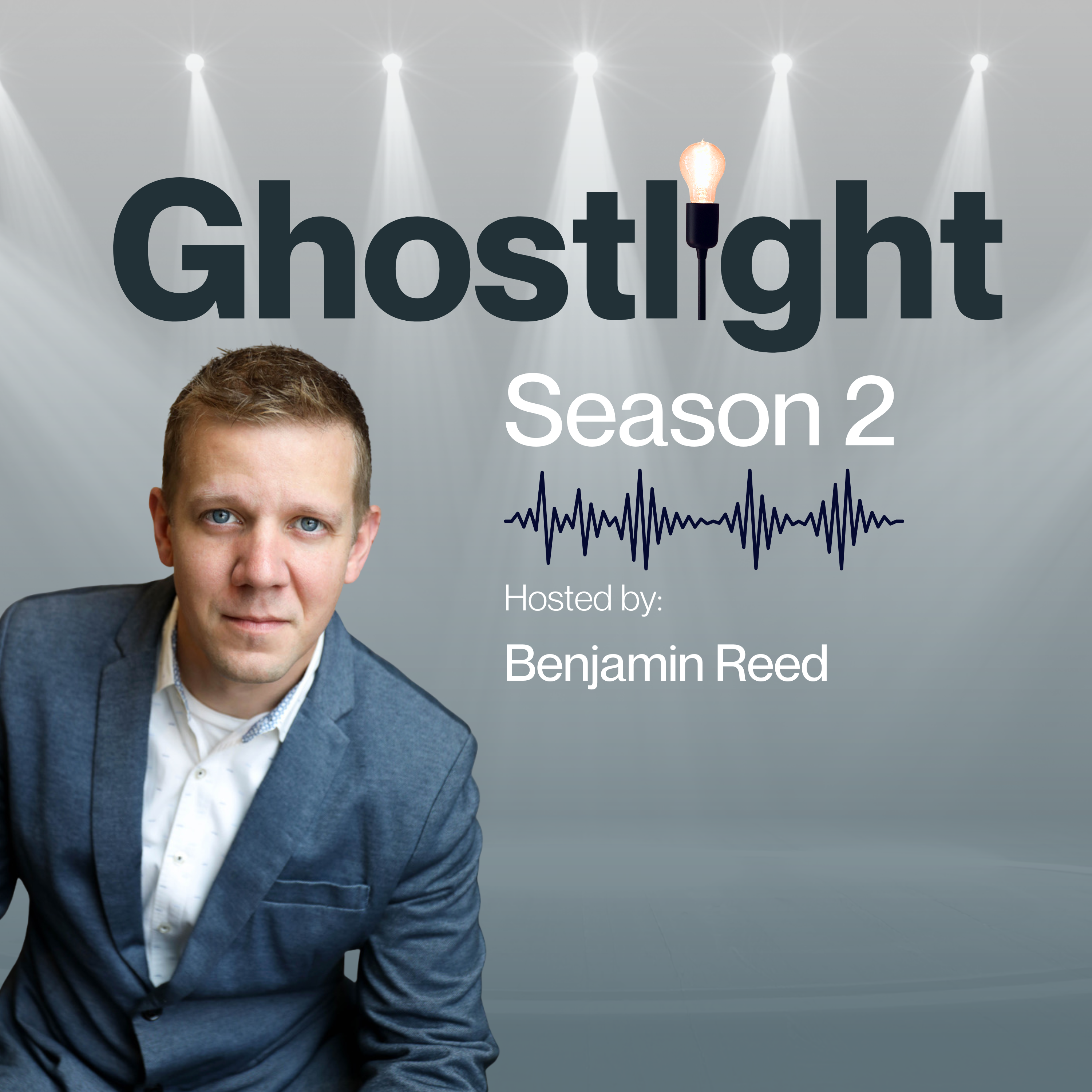
Ghostlight
by Stageable
What does it actually take to build a sustainable life in the arts?Ghostlight is a podcast about the intersection of creativity, business, identity, and survival. Hosted by entrepreneur and theater artist Benjamin Reed, each episode features candid conversations with performers, playwrights, directors, producers, and builders navigating the realities of creative work.Together, they explore the mechanics behind artistic careers: money, leverage, burnout, storytelling, ambition, audience building, self-worth, and the challenge of creating meaningful work without destroying yourself in the process.Because making art is one thing. Building a life around it is another.
-
30
218. Ginna Hoben
In this episode of Ghost Light, Benjamin Reed sits down with playwright, director, educator, and performer Ginna Hoben for a candid conversation about the realities of building a life in the arts. Together they explore artistic identity, the mechanics of effective storytelling, and the tension between creative fulfillment and financial sustainability.Ginna shares how playwriting unexpectedly became one of the most financially leveraged parts of her career, how her play The Twelve Dates of Christmas developed a life beyond her direct involvement, and what it means to create work that resonates deeply with audiences. The conversation moves through topics including artistic labor, self-worth, scarcity mindset, unpaid creative work, and the evolving economics of theater.Along the way, Benjamin and Ginna discuss the myth of the “starving artist,” the importance of communal storytelling, and why live performance still matters in an increasingly digital world.TakeawaysDiversification of Artistic RolesFinancial Leverage in Playwriting Artists invest time without immediate ROIThe importance of communal storytelling in theaterChapters00:00 Introduction to Artistic Identity and Roles37:48 The Artist's Investment43:36 Managing Finances as an Artist51:40 Theater in 202659:32 The Myth of the Starving Artist01:08:25 The Future of Theater
-
29
217. Jeremy West
Jeremy West, the founder of Silver Line Theater Exchange, discusses the founding of the theater, his evolving roles as an educator, artist, and entrepreneur, the challenges of sustainability and revenue generation, the future of American theater, and the nonprofit challenges and waste in the industry. The conversation covers the topics of leveraging shared resources, community involvement and resource sharing, the live theater experience vs. cinema, theater as a communal experience, and creating opportunities for emerging artists. These themes highlight the importance of collaboration, community engagement, and the unique value of live theater experiences.TakeawaysFounding a theater company requires identifying gaps in the community and offering unique educational and theatrical experiences.Balancing the roles of educator, artist, and entrepreneur is an evolving process that impacts decision-making and priorities.The future of American theater lies in the sustainability and adaptability of small theater companies, especially in the face of economic challenges and changing audience preferences. Community involvement reduces waste and fosters collaborationLive theater offers a unique communal experienceChapters00:00 Founding Silver Line Theater Exchange05:58 Sustainability and Revenue Generation15:03 The Future of American Theater24:56 Nonprofit Challenges and Waste in the Industry31:05 Leveraging Shared Resources36:33 Live Theater Experience vs. Cinema42:39 Theater as a Communal Experience53:24 Creating Opportunities for Emerging Artists
-
28
216. Brian Dickel
The conversation explores the transition from being a touring musician to becoming a business owner, the challenges faced by touring musicians, and the impact of the pandemic on the music industry. The conversation delves into the financial struggles faced by artists and business owners in the arts industry, highlighting the challenges of balancing financial sustainability with artistic passion. It also explores the impact of technology on the arts and music industry, shedding light on the evolving demands and changes in the industry landscape.TakeawaysTransition from musician to business ownerChallenges of being a touring musicianImpact of the pandemic on the music industry Challenges of balancing financial sustainability with artistic passionThe impact of technology on the arts and music industryChapters00:00 Transition from Musician to Business Owner14:46 Impact of the Pandemic on the Music Industry26:07 Financial Struggles in the Arts Industry
-
27
215. Jonathan Spivey
The conversation delves into the financial challenges faced by performers, as well as the importance of financial literacy and planning. It also explores the emotional and psychological aspects of financial stability in the performing arts, and the impact of personal experiences on financial decision-making. Additionally, it discusses the intersection of creativity and financial management, as well as the trade-offs and choices involved in pursuing opportunities. The conversation covers the actor's journey from graduate program lessons to the importance of text analysis, simplicity in storytelling, the role of actors in script development, and the approach to character transformation. It emphasizes the responsibility of the actor to understand and convey the meaning of the script, as well as the significance of simplicity and alignment with the character's traits.TakeawaysFinancial stability in the performing artsNavigating the challenges of the acting profession Text analysis is a crucial and under appreciated part of an actor's workThe responsibility of the actor to know the meaning of everything they have to sayChapters00:00 Introduction and Professional Background05:16 Financial Literacy and Education11:12 Embracing Financial Responsibility16:26 Creativity in Financial Management25:21 Navigating Auditions and Job Opportunities30:36 Making Choices and Opportunity Costs40:25 Importance of Simplicity in Storytelling52:28 The Role of Actors in Script Development58:13 Approach to Character Transformation
-
26
214. Topher Embrey
TakeawaysNavigating the delicate balance of being a creative and paying the billsThe tension and challenges of working contract to contract, social media, and content creation.Sustainability in the performing arts industryChapters00:00 Introduction to Stageable and Ghost Light06:20 Sacrifices and Trade-offs in the Industry17:56 The Changing Landscape of Marketing and Branding26:32 Challenges and Failures in the Current Industry Model32:07 Challenges of Content Creation44:01 Sustainability in the Performing Arts53:00 Overcoming Self-Doubt and Individuality
-
25
213. Josh Innerst
The conversation delves into the world of theatrical performance, artistic expression, and the challenges and opportunities in American theater. It explores the importance of regional theaters engaging with local audiences, financial transparency in theater companies, the role of resident company systems in regional theaters, and the concept of democratizing the performing arts. The conversation explores the concept of empowering artists through audience support and the potential of technology in live entertainment. It delves into the challenges faced by artists and the role of technology in bridging the gap between artists and their audience. The discussion highlights the importance of financial transparency, collaboration, and the democratization of philanthropy in the arts industry.TakeawaysRegional theaters engage with local audiencesFinancial transparency in theater companiesThe importance of resident company systemsDemocratizing the performing arts Empowering artists through audience supportThe potential of technology in live entertainmentChapters00:00 Challenges and Opportunities in American Theater28:37 Empowering Artists Through Audience Support35:59 The Potential of Technology in Live Entertainment
-
24
212. Vanessa Morosco
The conversation explores the act of community in theater, the use of shared light for community engagement, the creation of a theatrical experience, the synergy between artistic and administrative roles, and the shifting landscape of theater post-pandemic. The conversation covers the challenges faced by theater makers, the impact of AI on the creative world, the role of collaboration in theater, and the significance of Shakespeare in modern times. It explores the vulnerability in the theater industry, the use of AI as a tool, the importance of collaboration, and the enduring relevance of Shakespeare's works.TakeawaysTheater as a radical act of communityShared light in theater as a means of community engagement Theater makers are facing challenges in the current industry landscapeThe use of AI in the creative world is a topic of concern and interestChapters00:00 The Radical Act of Community in Theater10:31 Creating a Theatrical Experience18:51 Artistic and Administrative Synergy25:33 Theater Landscape Post-Pandemic40:29 The Role of Collaboration in Theater
-
23
211. Clayton Smith
Clayton Smith discusses his diverse career path, from teaching high school to working in marketing for arts organizations, and the challenges of marketing in the performing arts industry. He also shares insights on community building and fundraising in the nonprofit arts sector. The conversation delves into the tension between artistic integrity and commercial success, the importance of community engagement, the evolution of social media marketing, and the inspiring qualities of the next generation.TakeawaysDiverse career paths in the arts industryChallenges of marketing in the performing arts industry Artistic integrity vs. commercial successCommunity engagement as a priorityEvolution of social media marketingInspiring qualities of the next generationChapters00:00 Introduction to Clayton Smith's Career Path08:44 The Role of Marketing in the Performing Arts14:26 Community Building and Fundraising in the Arts Sector27:41 Balancing Artistic Integrity and Commercial Success34:36 Marketing Budget and Return on Investment41:55 Evolution of Social Media Marketing50:55 Inspiring Qualities of the Next Generation
-
22
210. Constance Swain
The conversation with Constance Swain delves into her entrepreneurial expansion and career transition, exploring her journey into real estate and the challenges she faced. It also touches on the evolution of her identity and the balance between her roles in real estate and theater. The discussion emphasizes the importance of embracing new titles and roles, the approach to creativity and process, and the significance of trusting the path and expressing gratitude. The conversation delves into the themes of trusting the process, shifting mindset, making generous assumptions, empathy in business, the art of auditioning and negotiating with others, and empathy and advocacy in real estate. It explores the importance of authenticity and the concept of artistic home as a reflection of one's true self.TakeawaysEntrepreneurial expansionIdentity and career transition Trusting the processShifting from 'please hire me' to 'is this a good fit?'Chapters00:00 Trusting the Path and Gratitude30:31 Making Generous Assumptions and Empathy in Business35:33 The Art of Auditioning and Negotiating with Others41:30 Empathy and Advocacy in Real Estate
-
21
209. Patrick Earl
The conversation covers the challenges and triumphs of leading a community theater, the importance of fundraising, the impact of structural changes, the workload and time management, and the future goals and challenges of the theater company. The conversation delves into the role of an artist as an administrator, the definition of art and artists, the concept of art as worship, the influence of existentialism on art, the impact of art on worldview, the process of creating and refining art, the power of live theater, and the importance of user experience in theater.TakeawaysCommunity Theater VitalityChallenges of Nonprofit Leadership The role of an artist as an administratorThe importance of live theater and communal experiencesChapters00:00 Future Goals and Challenges39:29 Art as Worship44:59 The Impact of Art on Worldview53:28 The Power of Live Theater
-
20
208. Stephanie Holladay Earl
This conversation with Stephanie H Earl covers her multifaceted role in academia, theater, and parenting. It delves into the challenges of balancing work and family, the importance of non-negotiables, and the shared lessons between leadership and parenting. Additionally, it explores the impact of union regulations on resource allocation and decision-making in the theater industry. The conversation delves into the challenges of casting and talent acquisition, the impact of union membership on an actor's career, future aspirations and work-life balance, the sabbatical experience and artistic projects, working with a partner and professional/familial balance, and navigating career priorities and fulfillment.TakeawaysBalancing work and family requires constant developmentNon-negotiables are essential for managing prioritiesLeadership and parenting share common lessonsDecision-making and resource allocation are influenced by union regulations Balancing artistic vision with financial constraintsNavigating the challenges of casting and talent acquisitionThe impact of union membership on an actor's careerChapters00:00 Introduction to Stephanie H Earl06:15 Impact of Teaching and Parenting15:53 Non-Negotiables and Decision-Making26:50 Involvement in Financial Decision-Making32:03 Casting Challenges and Talent Acquisition41:13 Future Aspirations and Work-Life Balance50:30 Working with a Partner and Professional/Familial Balance
-
19
207. Emily Wold
Emily Wold shares her journey from stage work to voiceover acting, the challenges she faced, and the mindset shift that led to her success as an entrepreneur. She discusses the practical steps involved in building her home studio and the impact of imposter syndrome on creative entrepeneurs. Emily shares her insights on the power of routine, creativity, and high-level listening in both artistry and entrepreneurship. She also discusses her vision for Fablehound and her experience returning to the stage after a long hiatus.TakeawaysEntrepreneurial mindset in the artsTransition from stage work to voiceover actingDealing with imposter syndrome, the power of routine, and setting things in orderHigh-level listening and its impact on businessCreativity as a lever for growth and business successBalancing artistry and entrepreneurshipVision for Fable Hound and the intersection of creativity and businessReturning to the stage and finding joy in both stage work and voiceoverDiversified approach to finding work in voiceover industryChapters00:00 Introduction and Reconnecting08:01 Transition to Full-Time Voiceover Work13:48 Setting Up a Home Studio26:48 Prioritizing Auditions43:06 Vision for Fable Hound and the Intersection of Creativity and Business50:00 Returning to the Stage and Balancing Artistry with Entrepreneurship
-
18
206. The Honey Dewdrops
SummaryIn this episode of Ghost Light, host Benjamin Reed engages with the Honey Dewdrops, Kagey and Laura, as they discuss their journey as musicians, their roots in Virginia, and the evolution of their music and storytelling. They share insights into their songwriting process, the impact of their relocation to Staunton, and how the music industry has changed over the years.The conversation also touches on the balance between pursuing a passion for music and the practical realities of life, as well as the lessons learned throughout their artistic journey.TakeawaysThe Honey Dewdrops have a long history of making music together, originating from their college days.Their songwriting process is varied, often involving collaboration and inspiration from poetry.Relocating to Stanton, Virginia, was driven by a desire to be closer to family and their musical roots.Virginia's music scene has significantly influenced their sound, emphasizing storytelling and acoustic traditions.Their latest album features a unique collaboration that explores themes of adoption and gratitude.The duo is adapting to changes in the music industry by focusing on local performances and community engagement.Teaching music has become a fulfilling way to stay connected to their passion while navigating financial realities.Imposter syndrome is a common struggle for artists, even those with extensive experience.Finding joy in the creative process is essential, and artists should not take themselves too seriously.The importance of balancing artistic passion with practical life considerations is a recurring theme in their journey.TitlesThe Honey Dewdrops: A Musical JourneyFrom Virginia Roots to National StageSound bites"We are pumped for that too.""Don't take yourself so seriously.""I just want to be close to the music."Chapters00:00 Introduction to the Honey Dewdrops01:07 The Origin Story of the Honey Dewdrops03:48 Songwriting Process and Collaboration04:31 Relocation to Stanton, Virginia08:09 Influence of Virginia's Music Scene13:28 Evolution of Storytelling in Music20:37 Adapting to Changes in the Music Industry23:09 Balancing Music and Practical Realities33:36 Lessons Learned as Artists39:53 Navigating the Artist's Journey46:07 Rapid Fire Questions and Closing Thoughts
-
17
205. René Thornton Jr.
This conversation celebrates the power of storytelling and live theater, from classical stage work at the American Shakespeare Center to the adventure of touring with Harry Potter. Along the way, it explores what success really looks like in today’s theater world and how artists can build careers that are both meaningful and sustainable.At its heart, the episode is a reminder of why theater matters. It’s a shared, human experience that connects people, sparks imagination, and leaves a lasting impact on everyone involved.Key TakeawaysTheater as a Transformative ExperienceLive performance creates connection, empathy, and moments that stay with us long after the curtain falls.The Power of Training and FlexibilityStrong training opens doors. Flexibility keeps them open. The most successful artists are ready to adapt, grow, and say yes to unexpected paths.Chapters00:00 – The Power of Storytelling and TheaterWhy live performance still matters.08:13 – Touring with Harry PotterBig stages, big lessons, unforgettable experiences.16:45 – Defining Success in TheaterRethinking what it means to thrive as an artist.25:40 – Advice for Aspiring ActorsPractical guidance for building a joyful, resilient career.
-
16
204. Jim Warren
In this conversation with Jim Warren, artistic director and longtime builder of theatre companies, we explore what it means to build a theatre organization that can grow, adapt, and endure. From the early inspiration behind founding a company to the practical realities of expansion and long-term sustainability, Jim shares hard-won insights from decades of leadership in the field.The discussion highlights the powerful role that a clear mission plays in guiding decision-making, especially when paired with thoughtful financial stewardship. Rather than positioning money and artistry as opposing forces, the conversation reframes sustainability as a tool that enables creative freedom, resilience, and longevity.We also look at how the theatre ecosystem is evolving. As funding models shift and organizations adapt to new economic realities, Jim reflects on the diverse strategies theatres use to support artists, audiences, and staff. The episode offers a thoughtful examination of how institutional structures, including unions, contribute to stability and protection while also inviting ongoing dialogue about flexibility, innovation, and future-focused practices.Throughout, the conversation emphasizes possibility: how theatre builders can learn from the past, respond creatively to present conditions, and design organizations that are both values-driven and structurally sound.Key TakeawaysA strong mission provides clarity and confidence at every stage of growthFinancial sustainability empowers artistic risk and long-term impactToday’s theatre landscape offers multiple paths to resilience and successAdaptive funding and operational strategies are reshaping how theatres thriveUnion structures play an important role in protecting artists and supporting professional standardsThe future of theatre is being actively shaped by thoughtful, entrepreneurial leaders
-
15
203. Philip Orazio
This conversation examines the growing difficulty of sustaining a long-term career in the performing arts. We reflect on the transition from full-time artist to part-time professor as both a practical adaptation and an emotional experience. Together, we interrogate the audition-based labor model, the effects of market saturation, and an industry that increasingly struggles to support the people it relies on.Rather than offering platitudes, the discussion centers on how artists respond to frustration, recalibrate their ambitions, and persist in meaningful ways when traditional definitions of “success” begin to break down.Key TakeawaysExperience remains a powerful asset, and artists who build adaptable, sustainable paths are better positioned to navigate an audition-driven economy over the long termIn a saturated market, artists who clarify their value and cultivate direct relationships with audiences gain greater agency and leverageFrustration can be a productive signal, pointing artists toward structural changes, new strategies, and healthier definitions of successPersistence is most effective when paired with a willingness to redefine success in ways that align with personal values and long-term sustainabilityCareer aspirations naturally evolve as artists integrate lived experience, financial clarity, and shifting priorities into their creative lives.
-
14
202. Jessie Lillis
Jesse Lilis discusses the journey of Starling Shakespeare, a nonprofit theater company, and its vision for the future. The conversation delves into the challenges of operating as a nonprofit, the company's revenue model, and the potential for digital content creation in the performing arts industry. The conversation explores the challenges and opportunities of digital content creation for theaters, emphasizing the need to experiment, learn, and engage with audiences in new ways. It also highlights the importance of providing valuable and entertaining content while navigating the transition to a digital platform.TakeawaysNonprofit theater companies rely on a combination of performance fees, donations, grants, and sponsorships to sustain their operations.The creation of digital content in the performing arts industry presents opportunities for engaging audiences and expanding reach, but it requires careful consideration and experimentation.The mission of Starling Shakespeare is to provide professional theater for free, making it accessible to communities that may not have access to high-quality art. Digital content creation for theaters requires experimentation and learningEngaging with audiences in new ways is essential for the transition to a digital platformChapters00:00 Introduction to Starling Shakespeare05:49 Founding of Starling Shakespeare14:02 Challenges of Operating as a Nonprofit20:03 Adapting to the Digital Landscape28:23 Exploring Digital Content Creation33:37 Planning for 202639:04 Adapting to a New Container44:14 Purpose of Social Media for Theaters51:19 Engaging with New Audiences
-
13
201. Jack Sheehan
Episode OverviewThis conversation is for artists and music industry professionals who want to build sustainable careers while staying true to their creative work.It starts with the experience a lot of musicians know well: touring hard, putting records out, and working to balance passion and practicality. We talk honestly about how streaming changed the math & why touring feels unnavoidable.From there, the conversation widens. We dig into what it actually means to be an artist in the digital age, where access is easy but attention is scarce, and where creative identity can get flattened into content. There’s no pretending the system is fair. But there is clarity about how it works, and what artists can realistically control.We also spend time on AI, not in an abstract way, but in terms of what it feels like to watch the market get flooded with “good enough” music and art. We talk about where that leaves human creators, how ideas of ownership are shifting, and why authorship and trust are becoming more important, not less.This isn’t about hacks or shortcuts. It’s about staying in the work long enough to matter, learning the business side without losing yourself, and figuring out how to make a life in art that doesn’t quietly grind you down.Who This Episode Is ForArtists trying to make sense of their finances without giving up the workMusicians who love touring but are tired of pretending it’s sustainableIndustry folks who see the cracks and still want to help build something betterCreators who feel pressure to become brands, platforms, and products overnightAnyone wondering how AI changes the future without replacing the human partCore TakeawaysIf the math feels off, you’re not imagining itStreaming exposure and financial stability are not the same thing.Touring keeps careers alive and burns people outBoth can be true at the same time.The digital era didn’t kill art, it changed the rulesVisibility is easy. Staying distinct is the hard part.AI raises real questions, not just technical onesAbout authorship, ownership, and what we actually value.Understanding business isn’t selling outIt’s how artists protect their time, energy, and future.Direct relationships matter more than platformsAudiences you can reach yourself are the most reliable asset you have.Chapters00:00 – Artistic Identity and the Reality of Making a Living08:51 – When Touring Stops Adding Up17:01 – Career Pivots and Hard Decisions22:06 – Making Art in the Digital Age31:46 – AI and Creative Saturation38:20 – What AI Means for Music Careers47:26 – Creativity, Business, and Survival55:54 – Ownership, IP, and What Comes Next
-
12
111. David lee Huỳnh
In this episode of the Stageable State of the Stage podcast, Benjamin Reed interviews David Lee Huynh, a first-generation theater artist from Louisiana. David shares his journey into the world of theater, the founding of a theater company aimed at supporting Vietnamese artists, and the importance of balancing the business side of acting with artistic expression. He offers valuable advice for young actors on time management and the significance of viewing work as a form of love. The conversation also delves into the evolving landscape of the performing arts, the impact of AI on creativity, and the enduring need for human connection in storytelling. In this conversation, Đavid Lee Huỳnh and the host explore the profound impact of theater on individual and collective experiences. They discuss the importance of empathy, storytelling, and community engagement in the arts, as well as the challenges faced by regional theaters in a changing cultural landscape. The dialogue emphasizes the need for connection, understanding, and the role of commerce in sustaining artistic endeavors.
-
11
110. Josh Innerst
In this episode of the Stageable State of the Stage podcast, host Benjamin Reed interviews actor and audiobook narrator Josh Innerst. They discuss Josh's artistic journey, his transition from classical theater to audiobook narration, and the challenges of balancing family life with a freelance career. Josh shares insights into his audiobook process, daily work schedule, and the impact of the pandemic on the theater industry. He reflects on the systemic issues revealed during the pandemic and the need for theaters to adapt and support their staff for a sustainable future. In this conversation, Josh Innerst and Benjamin Reed discuss the current state of theater, focusing on diversity, community building, and the importance of resident companies. They explore the challenges of balancing work and family life in the performing arts, the emergence of new theater companies, and the impact of AI on the industry. The discussion also highlights the tools and techniques used in audio narration, emphasizing the need for artists to adapt to changing landscapes while maintaining their craft.
-
10
109. James Keegan
In this episode of State of the Stage, host Benjamin Reed speaks with actor and English professor James Keegan about balancing a career in academia with life on stage. They explore the role of theater in society, sustaining artistic passion, and the evolving performance landscape. Their conversation touches on the balance between artistic integrity and commercial pressures, the resurgence of community theater, and the unique power of live performance. Keegan shares insights on collaboration, audience engagement, and the importance of adaptability in today’s shifting artistic environment.
-
9
108. Kelly Burdick
In this episode of the Stageable State of the Stage podcast, Benjamin Reed and Kelly Burdick discuss the evolution of the performing arts, Kelly's transition from theater to agriculture, and the importance of collaboration in fostering creativity. They explore the differences between nonprofit and for-profit models in the arts, the role of donations, and the changing landscape of philanthropy. The conversation emphasizes the need for a unified approach in the arts community to navigate challenges and promote sustainability. In this conversation, Kelly and Benjamin explore the complexities of arts organizations, focusing on the economic disparities between small and large entities, the challenges faced by administrative staff, and the need for capacity building. They discuss the importance of investing in people, the impact of union constraints, and the necessity of rethinking traditional models in the arts. The conversation also highlights the decline of arts education and its implications for future participation in the arts.
-
8
107. David Rainey
In this episode of the Stageable: State of the Stage podcast, host Benjamin Reed sits down with veteran actor and theater educator David Rainey for a wide-ranging conversation on sustainability in the performing arts.They explore Rainey’s decades-long career, including his recent performance in Death of a Salesman, his work to build community resources for actors in Houston, and the evolving role of digital performance post-pandemic.From navigating small venues to launching a theater company, Rainey shares hard-won lessons on the entrepreneurial side of the arts — including how to tell the difference between a good idea and a smart one. They also tackle the challenges of securing stable income, the need for increased donor support, and how the film industry shapes local theater opportunities.
-
7
106. Constance Swain
In this dynamic episode, host Benjamin Reed sits down with multi-hyphenate artist and director Constance Swain to dive into the evolving world of live performance in the digital age. Constance shares her artistic journey, including her recent directorial work on Little Women and Art, and reflects on the transition from performing to directing.Together, they explore:• The impact of technology on live theater• The importance of accessibility and democratization in the arts• Audience engagement and storytelling that reflects diverse experiences• Navigating imposter syndrome and career transitions• The power of community building in productions like Wicked• The relevance of reimagining classic works for today’s audiencesThis episode is a thoughtful and inspiring look at how artists can reclaim their narratives and create more inclusive, resonant, and future-forward theater experiences.🎧 Tune in to hear how personal connection, innovation, and representation are shaping the stage of tomorrow.
-
6
105. Greg Brostrom
On this episode of State of the Stage, Greg Brostrom shares insights about his life as a performer and the challenges faced by artists in America. He discusses the impact of the pandemic on his career, the nature of acting roles in television, and the evolving landscape of live performance in a digital age. The conversation also touches on the societal perception of artists and the importance of supporting the arts.Greg and Benjamin Reed explore the complexities of performance arts, particularly theater, in the context of modern society and digital media. They discuss the value of performance arts, the responsibility of artists in the digital age, the need for adaptability to audience preferences, and the balance between challenging and entertaining audiences. They also touch on the future of theater in a digital world, emphasizing inclusivity and the potential for innovative storytelling.
-
5
104. Jim Warren
This week on State of the Stage, Benjamin interviews Jim Warren, the founding artistic director of the American Globe Center. Jim discusses the challenges and opportunities in modern theater, particularly the need for audience engagement and the importance of creating a community through live performances. Jim also talks about his current project to build a Shakespeare campus in Connecticut, with the centerpiece being the worlds only re-creation of Shakespeare's 1614 Globe Theatre. The AGC is aiming to revitalize the theater experience and connect with audiences in new ways, including through technology and streaming.Jim and Benjamin explore the evolving landscape of theater, emphasizing the importance of embracing technology, accessibility, and sustainable economic models. They discuss the need for theater to connect with diverse audiences, the challenges of maintaining a living wage for artists, and the potential of digital platforms to enhance community experience. The dialogue highlights the transformative power of art in fostering humanity and the necessity for innovative approaches in the theater industry.
-
4
103. Amelia Fischer
In this episode of the Stageable State of the Stage podcast, Benjamin Reed speaks with Amelia Fischer, the artistic director of North Georgia Shakespeare. They discuss the evolution of theater in the digital era, the challenges of engaging new audiences, and the importance of financial sustainability in the performing arts. Amelia shares her journey in theater, the innovative approaches her company is taking to connect with the community, and the role of digital media in expanding access to live performances. The conversation highlights the need for empathy, inclusivity, and collaboration within the arts community to ensure a vibrant future for theater.
-
3
102. David Deaton
In this episode of the State of the Stage, host Benjamin Reed sits down with musician and composer David Deaton to discuss the evolving landscape of live performance and the challenges artists face in 2025.David shares his journey from touring musician to film composer, including his work on the independent film Between Giants. The conversation explores the struggles of independent artists in an industry dominated by ticketing monopolies, the importance of authenticity in music, and the future of live performances in an increasingly digital world.Benjamin and David also dive into how technology, AI, and innovative platforms like Stageable can help bridge the gap between artists and audiences, fostering sustainable careers in the performing arts.
-
2
101. Patrick Earl
Patrick Earl and I discuss his work at Endstation Theatre and the sustainability of live performance as the industry progresses into the digital era.
No matches for "" in this podcast's transcripts.
No topics indexed yet for this podcast.
Loading reviews...
ABOUT THIS SHOW
What does it actually take to build a sustainable life in the arts?Ghostlight is a podcast about the intersection of creativity, business, identity, and survival. Hosted by entrepreneur and theater artist Benjamin Reed, each episode features candid conversations with performers, playwrights, directors, producers, and builders navigating the realities of creative work.Together, they explore the mechanics behind artistic careers: money, leverage, burnout, storytelling, ambition, audience building, self-worth, and the challenge of creating meaningful work without destroying yourself in the process.Because making art is one thing. Building a life around it is another.
HOSTED BY
Stageable
CATEGORIES
Loading similar podcasts...
URL copied to clipboard!