
EPISODE · Dec 17, 2023 · 54 MIN
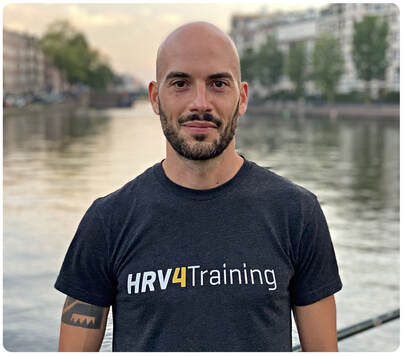
#119 | Stress Resilience via HRV | Marco Altini, PhD, HRV4Training
from wise athletes podcast · host wise athletes podcast
Fullscript for WiseAthletes HRV or heart rate variability has made a come-back in my pursuit of health, longevity, and athletic performance. Years ago I discarded HRV as one-less-thing-to-fuss-with, but I have been reborn as believer in the power of HRV to guide me in rebalancing my nervous system for the benefit of better stress management and better sleep. All thanks to Marco Altini, PhD Today on episode #119, I am speaking with the one and only Marco Altini, PhD. Marco says he is a scientist and developer mainly working at the intersection between health, technology and performance. He is also the founder of HRV4Training, which is trusted by more than 150 000 athletes, including olympic medalists and professional teams, to measure physiology and quantify stress, helping people of all ages and athletic pursuits to better balance training and lifestyle stressors. In our discussion, Marco illuminates the many factors that impact the calculation of heart rate variability, how stress impacts the autonomic nervous system, and how we can use HRV as a biofeedback tool with deep breathing exercises to help us learn or re-learn how to self-regulate and better cope with stressful situations. How to do HRV right: "Pick one good tool, be consistent in usage, be patient" Devices: fingertip, ring, wrist, chest strap (only way to get actual HRV) Phone apps: be sure to get proper error correction, and avoid conversion of standard algorithms to proprietary indexes Different algorithms …rMSSD is best but SDNN (used by Apple Watch) is fine. Skip the "readiness scores" and "indexes" Time of day: all night sleep or upon wakeup (nothing is perfect; consistent is good enough) Body position: Sitting is best if done after wakeup Breathing method (for HRV baseline): breath naturally, somewhere between "resonance" (6 bpm) and sleeping (12-20 bpm). Breath however you normally breath...nasal/mouth, and try not to breath more deeply than normal Do not over-breathe: if you blow off too much co2 it will increase stress; activate sympathetic ANS HRV biofeedback: "Rebalance the autonomic nervous system; build resilience and capacity to self-regulate & deal with life stress." Identify resonant frequency try 4.5-6.4 bpm. Inhale belly; exhale pursed lips. “Deep abdominal breathing following a pacing stimulus”. The apps will provide a sensory guide to time your inhale/exhale to match targeted frequency Synchronize breathing and heart rate. Maximize oscillations in heart rate that you see on the app 2x/day for 20 minutes (work up to this...a few minutes before bed will have an impact) Continue for as long as you want to be healthy Related info and episodes: HRV4biofeedback.com/the-app HRV4Training Circadian Rhythms of the Autonomic Nervous System Episode 107 - using-music-for-a-better-brain-body (relaxing after workouts) <a href="https://www.wiseathletes.com/podcast/70-hea
Embed this episode
NOW PLAYING
#119 | Stress Resilience via HRV | Marco Altini, PhD, HRV4Training
No transcript for this episode yet
Similar Episodes
No similar episodes found.
Similar Podcasts
No similar podcasts found.