
EPISODE · Feb 10, 2025 · 22 MIN
Atomic Habits: An Overview
from Devsig Podcast · host Bholendra Singh
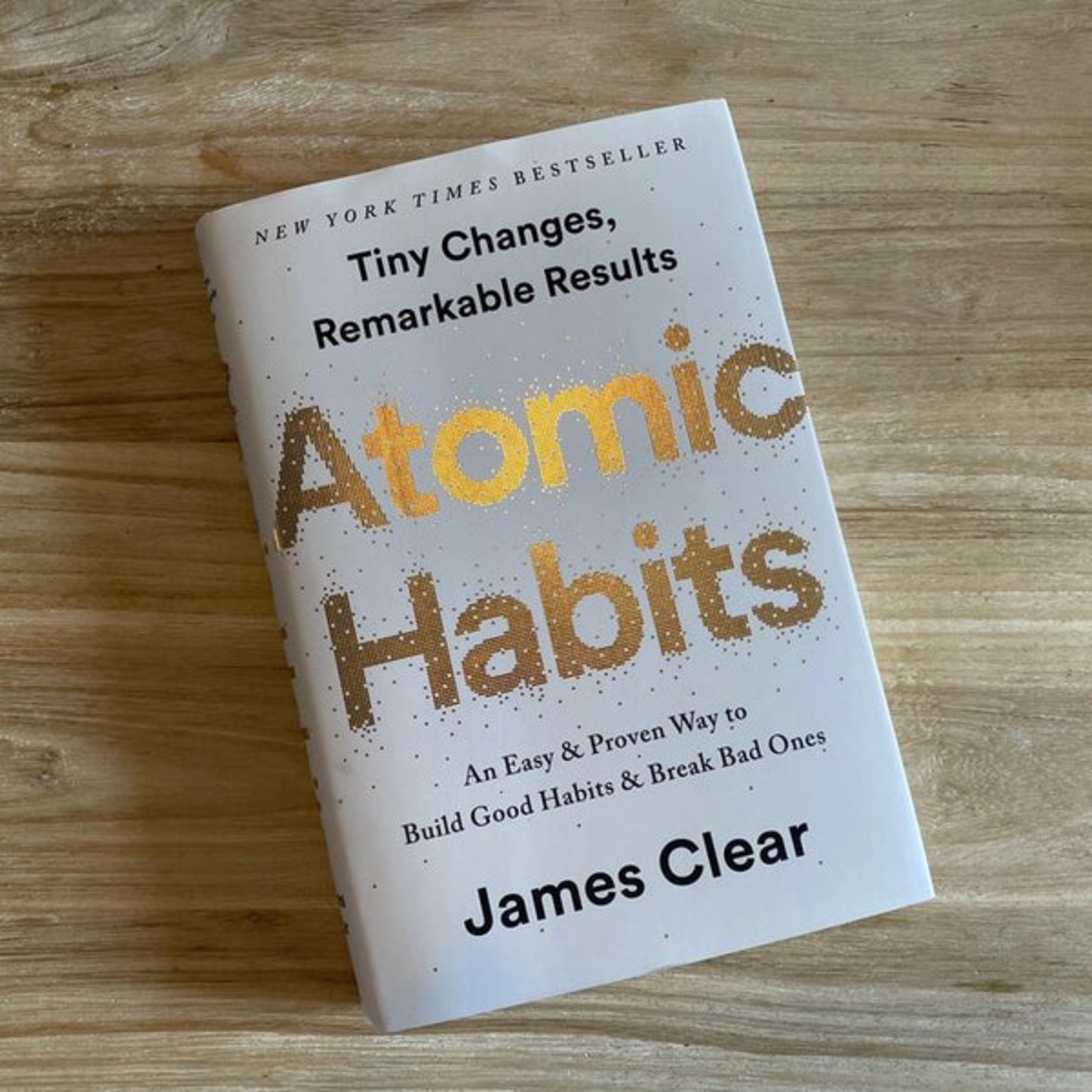
The book "Atomic Habits" discusses how small changes in habits can lead to remarkable results. An atomic habit is defined as a tiny change that is part of a larger system.The author, James Clear, shares his personal story of recovering from a severe baseball bat injury, which led him to understand the importance of small habits. He went from being in a medically induced coma to becoming an Academic All-American. This experience led him to start his own business and write this book.The book is based on a four-step model of habits: cue, craving, response, and reward. This model is a synthesis of ideas from biology, neuroscience, philosophy and psychology.The Four Laws of Behaviour Change:Make It Obvious: This involves recognizing habits and the cues that trigger them. Strategies to achieve this include implementation intentions and habit stacking.Make It Attractive: This involves making habits more enticing and understanding the role of dopamine in cravings. Techniques such as temptation bundling can make habits more attractive.Make It Easy: This involves reducing friction to make good habits easier to perform. The "Two-Minute Rule" is a way to start habits by making them easy to begin.Make It Satisfying: This involves ensuring a satisfying experience which increases the likelihood of repeating the behaviour. The focus should be on immediate satisfaction.Key Concepts:Habit Stacking: Pairing a new habit with a current habit. The habit stacking formula is: "After [CURRENT HABIT], I will [NEW HABIT]".Implementation Intentions: Creating a specific plan for when and where to act. The formula is: "I will [BEHAVIOR] at [TIME] in [LOCATION]".Temptation Bundling: Linking an action you want to do with an action you need to do. For instance, watching Netflix while riding a stationary bike.Pointing and Calling: A method used to increase awareness of actions. It involves verbally stating what you are doing.Habit Scorecard: A tool used to become more aware of your habits by categorising them as good, bad or neutral.The Role of Environment: The environment plays a significant role in shaping habits. Visual cues are a great catalyst for behavior. It is important to live and work in environments filled with productive cues. Conversely, it is important to reduce exposure to cues that cause bad habits.The Importance of Culture: The culture we live in determines which behaviors are attractive to us. We tend to adopt habits that are praised and approved of by our culture. We also tend to imitate the habits of those who are close to us, those in our social group and those with status.Continuous Improvement: The book emphasizes the importance of reflection and review to remain conscious of your performance over time. It also stresses the need to focus on systems instead of goals, because you do not rise to the level of your goals, but fall to the level of your systems.The book provides practical advice and a step-by-step plan for building better habits for a lifetime. The author notes that the ideas in the book are based on his personal experiences and he had to rely on small habits to fulfil his potential.
What this episode covers
The book "Atomic Habits" discusses how small changes in habits can lead to remarkable results. An atomic habit is defined as a tiny change that is part of a larger system.The author, James Clear, shares his personal story of recovering from a severe baseball bat injury, which led him to understand the importance of small habits. He went from being in a medically induced coma to becoming an Academic All-American. This experience led him to start his own business and write this book.The book is based on a four-step model of habits: cue, craving, response, and reward. This model is a synthesis of ideas from biology, neuroscience, philosophy and psychology.The Four Laws of Behaviour Change:Make It Obvious: This involves recognizing habits and the cues that trigger them. Strategies to achieve this include implementation intentions and habit stacking.Make It Attractive: This involves making habits more enticing and understanding the role of dopamine in cravings. Techniques such as temptation bundling can make habits more attractive.Make It Easy: This involves reducing friction to make good habits easier to perform. The "Two-Minute Rule" is a way to start habits by making them easy to begin.Make It Satisfying: This involves ensuring a satisfying experience which increases the likelihood of repeating the behaviour. The focus should be on immediate satisfaction.Key Concepts:Habit Stacking: Pairing a new habit with a current habit. The habit stacking formula is: "After [CURRENT HABIT], I will [NEW HABIT]".Implementation Intentions: Creating a specific plan for when and where to act. The formula is: "I will [BEHAVIOR] at [TIME] in [LOCATION]".Temptation Bundling: Linking an action you want to do with an action you need to do. For instance, watching Netflix while riding a stationary bike.Pointing and Calling: A method used to increase awareness of actions. It involves verbally stating what you are doing.Habit Scorecard: A tool used to become more aware of your habits by categorising them as good, bad or neutral.The Role of Environment: The environment plays a significant role in shaping habits. Visual cues are a great catalyst for behavior. It is important to live and work in environments filled with productive cues. Conversely, it is important to reduce exposure to cues that cause bad habits.The Importance of Culture: The culture we live in determines which behaviors are attractive to us. We tend to adopt habits that are praised and approved of by our culture. We also tend to imitate the habits of those who are close to us, those in our social group and those with status.Continuous Improvement: The book emphasizes the importance of reflection and review to remain conscious of your performance over time. It also stresses the need to focus on systems instead of goals, because you do not rise to the level of your goals, but fall to the level of your systems.The book provides practical advice and a step-by-step plan for building better habits for a lifetime. The author notes that the ideas in the book are based on his personal experiences and he had to rely on small habits to fulfil his potential.
NOW PLAYING
Atomic Habits: An Overview
No transcript for this episode yet
Similar Episodes
Mar 26, 2026 ·1m
Jan 2, 2026 ·47m
Dec 21, 2025 ·46m