
EPISODE · Feb 13, 2025 · 17 MIN
How to Create a Calmer Household: 10 Steps
from Devsig Podcast · host Bholendra Singh
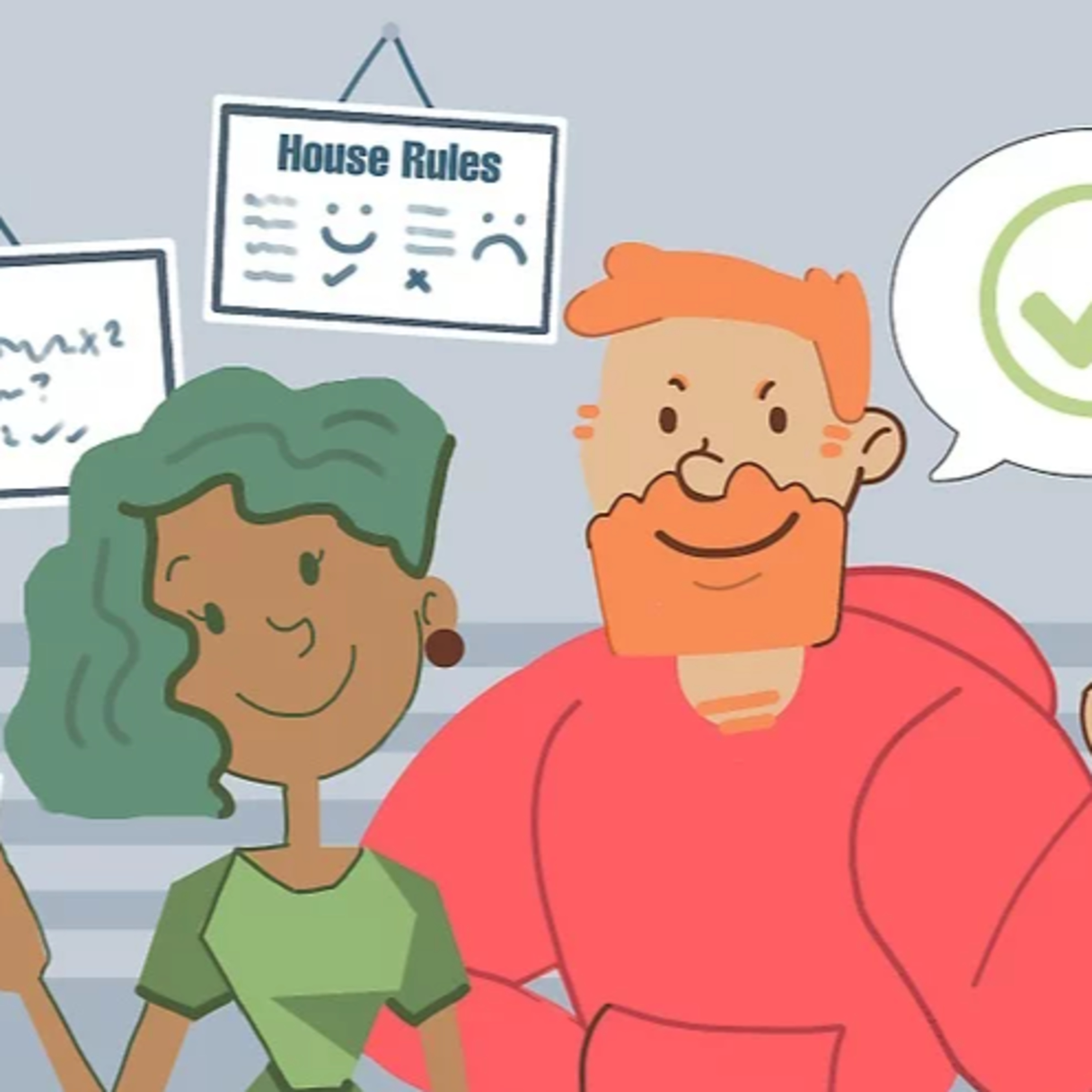
To create a calmer household, there are several steps you can take, including setting limits, visualizing a calmer home, addressing noise and rushing, creating task charts, tidying clutter, cleaning as you go, planning meals, asking visitors to respect your limits, dealing with mail promptly, and setting aside calm time.Here's a breakdown of the steps, according to "How to Create a Calmer Household: 10 Steps (with Pictures)":Setting Limits: Being willing to set limits on times, noise levels, activities, and bedtimes is the first and most important step. For example, parents should go to bed at the same time as their kids to avoid having to get up early to take them to school.Visualizing a Calmer Home: Visualizing a calmer home and writing down what you see can help you turn these visions into goals. This helps you focus on and gradually work towards the kind of household you want.Addressing Noise and Rushing: Write a list of the things that create the most noise and rushing in your home and target these with limits. This could include limiting visitors, TV noise levels, computer usage, and banning running indoors. Instead of TV and video games, consider traditional games.Creating a Task Chart: The task chart must apply to every member of the household, with days and deadlines. Give larger jobs a longer time frame to maintain a calm approach.Tidying Clutter: Clutter increases feelings of stress. If kids have too many toys, books, and video games, make a deal to keep them in storage, and donate them to charity if they are left out more than three times in a row.Cleaning as you Go: Wash items as you use them while cooking. Everyone should be retrained to put things back where they came from immediately after use. Use labeled storage bins or baskets to encourage this.Planning Meals: Spend half an hour a week planning meals. This doesn't have to be incredibly specific, but having a general idea of meals can help.Asking Visitors to Respect Your Limits: Inform visitors of closing times and out-of-bounds hours, such as family lunch times. This includes taking the phone off the hook and closing e-mail applications.Filing Promptly: Deal with mail as soon as it arrives. Open envelopes, read the contents, and file them immediately.Setting Aside Calm Time: Set aside calm time for yourself at least once a week, or preferably once a day, to relax and shut out everything around you and encourage family members to join you. Create a special relaxation space away from noise and disruption.Additional tips include varying children's chores to make them seem less repetitive. Also, prepare healthy food without debating meal choices. Expecting immediate change is unrealistic, so be gentle with yourself and family members, treating each new calm change as a milestone.One reader, Prajakta Kulkarni, found the article helpful for sorting out stress at home.
What this episode covers
To create a calmer household, there are several steps you can take, including setting limits, visualizing a calmer home, addressing noise and rushing, creating task charts, tidying clutter, cleaning as you go, planning meals, asking visitors to respect your limits, dealing with mail promptly, and setting aside calm time.Here's a breakdown of the steps, according to "How to Create a Calmer Household: 10 Steps (with Pictures)":Setting Limits: Being willing to set limits on times, noise levels, activities, and bedtimes is the first and most important step. For example, parents should go to bed at the same time as their kids to avoid having to get up early to take them to school.Visualizing a Calmer Home: Visualizing a calmer home and writing down what you see can help you turn these visions into goals. This helps you focus on and gradually work towards the kind of household you want.Addressing Noise and Rushing: Write a list of the things that create the most noise and rushing in your home and target these with limits. This could include limiting visitors, TV noise levels, computer usage, and banning running indoors. Instead of TV and video games, consider traditional games.Creating a Task Chart: The task chart must apply to every member of the household, with days and deadlines. Give larger jobs a longer time frame to maintain a calm approach.Tidying Clutter: Clutter increases feelings of stress. If kids have too many toys, books, and video games, make a deal to keep them in storage, and donate them to charity if they are left out more than three times in a row.Cleaning as you Go: Wash items as you use them while cooking. Everyone should be retrained to put things back where they came from immediately after use. Use labeled storage bins or baskets to encourage this.Planning Meals: Spend half an hour a week planning meals. This doesn't have to be incredibly specific, but having a general idea of meals can help.Asking Visitors to Respect Your Limits: Inform visitors of closing times and out-of-bounds hours, such as family lunch times. This includes taking the phone off the hook and closing e-mail applications.Filing Promptly: Deal with mail as soon as it arrives. Open envelopes, read the contents, and file them immediately.Setting Aside Calm Time: Set aside calm time for yourself at least once a week, or preferably once a day, to relax and shut out everything around you and encourage family members to join you. Create a special relaxation space away from noise and disruption.Additional tips include varying children's chores to make them seem less repetitive. Also, prepare healthy food without debating meal choices. Expecting immediate change is unrealistic, so be gentle with yourself and family members, treating each new calm change as a milestone.One reader, Prajakta Kulkarni, found the article helpful for sorting out stress at home.
NOW PLAYING
How to Create a Calmer Household: 10 Steps
No transcript for this episode yet
Similar Episodes
Mar 26, 2026 ·1m
Jan 2, 2026 ·47m
Dec 21, 2025 ·46m