
EPISODE · Dec 30, 2025 · 27 MIN
Identity and Belonging: Why We Protect Parts of Who We Are
from DoubleVision Podcast (by DoubleVision Blog) · host DoubleVision Blog
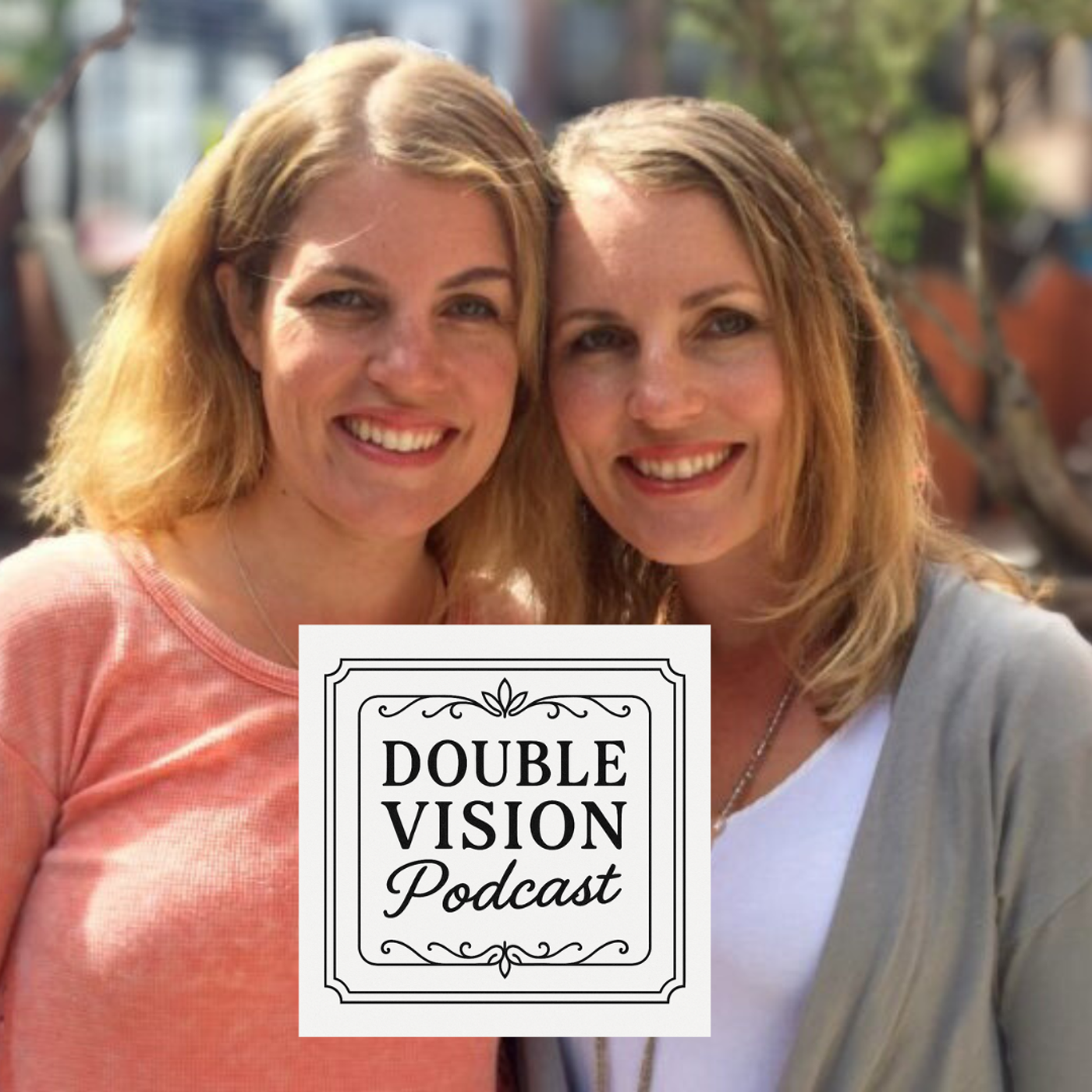
In this episode, Jenelle and Joy begin a two-part conversation on identity, grounded in their lived experiences of vision loss. Through stories from their childhood, they explore how early reactions from others taught them to protect certain parts of who they are. Those moments shaped instincts around when to explain, when to downplay, and when to keep parts of their identity private in order to feel safe or accepted.They explore the deeper reason humans learn to protect aspects of identity in the first place. The desire to belong is rooted in our need to survive within a community. When belonging feels uncertain, protection becomes a strategy. This shows up in especially layered ways for disabled people, who often have to assess when it feels safe to disclose parts of their identity, how much to share, and with whom.The conversation also touches on the medical model of disability and how it frames difference as something to fix, alongside the real and often unspoken paradox of feeling both proud of one’s identity and protective of it at the same time. By naming the moments that shaped these protective patterns, listeners are invited into the work of recognizing their own. This episode focuses on awareness as the first step toward integrating parts of identity that may have been hidden and creating more choice about how to move forward.Key TakeawaysHumans protect parts of their identity as a way to secure belonging and survival.Early responses from others often shape what feels safe to reveal or hide.Vision loss offers a specific lens, but identity protection is a universal experience.Disabled people often navigate ongoing decisions about disclosure and safety.Readiness and context matter when sharing personal aspects of identity.The medical model of disability can reinforce the idea that difference needs fixing.It is common to feel both pride and protectiveness around identity.Protection strategies formed early in life often persist without awareness.Naming these patterns helps loosen their hold.Integration creates space for growth, agency, and forward movement.Series ContextThis episode is Part 1 of a two-part series on identity. Part 1 focuses on early experiences and the ways we learn to protect parts of who we are. Part 2 will explore what it looks like to integrate those parts and move forward with greater clarity and freedom.Reflection Questions for ListenersCan you remember a moment when you learned to shrink or protect part of your identity based on someone else’s response?Where do you still notice that vulnerable, protective feeling showing up in your life today?Resources Mentioned During This EpisodeThe Country of the Blind by Andrew LelandThere Plant Eyes: A Personal and Cultural History of Blindness by M. Leona GodinWhat Does Grief Need? (DoubleVision Podcast)Access Intimacy (DoubleVision Podcast)
What this episode covers
In this episode, Jenelle and Joy begin a two-part conversation on identity, grounded in their lived experiences of vision loss. Through stories from their childhood, they explore how early reactions from others taught them to protect certain parts of who they are. Those moments shaped instincts around when to explain, when to downplay, and when to keep parts of their identity private in order to feel safe or accepted.They explore the deeper reason humans learn to protect aspects of identity in the first place. The desire to belong is rooted in our need to survive within a community. When belonging feels uncertain, protection becomes a strategy. This shows up in especially layered ways for disabled people, who often have to assess when it feels safe to disclose parts of their identity, how much to share, and with whom.The conversation also touches on the medical model of disability and how it frames difference as something to fix, alongside the real and often unspoken paradox of feeling both proud of one’s identity and protective of it at the same time. By naming the moments that shaped these protective patterns, listeners are invited into the work of recognizing their own. This episode focuses on awareness as the first step toward integrating parts of identity that may have been hidden and creating more choice about how to move forward.Key TakeawaysHumans protect parts of their identity as a way to secure belonging and survival.Early responses from others often shape what feels safe to reveal or hide.Vision loss offers a specific lens, but identity protection is a universal experience.Disabled people often navigate ongoing decisions about disclosure and safety.Readiness and context matter when sharing personal aspects of identity.The medical model of disability can reinforce the idea that difference needs fixing.It is common to feel both pride and protectiveness around identity.Protection strategies formed early in life often persist without awareness.Naming these patterns helps loosen their hold.Integration creates space for growth, agency, and forward movement.Series ContextThis episode is Part 1 of a two-part series on identity. Part 1 focuses on early experiences and the ways we learn to protect parts of who we are. Part 2 will explore what it looks like to integrate those parts and move forward with greater clarity and freedom.Reflection Questions for ListenersCan you remember a moment when you learned to shrink or protect part of your identity based on someone else’s response?Where do you still notice that vulnerable, protective feeling showing up in your life today?Resources Mentioned During This EpisodeThe Country of the Blind by Andrew LelandThere Plant Eyes: A Personal and Cultural History of Blindness by M. Leona GodinWhat Does Grief Need? (DoubleVision Podcast)Access Intimacy (DoubleVision Podcast)
NOW PLAYING
Identity and Belonging: Why We Protect Parts of Who We Are
No transcript for this episode yet
Similar Episodes
Mar 26, 2026 ·1m
Jan 2, 2026 ·47m
Dec 21, 2025 ·46m