
EPISODE · May 8, 2026
If Staying Up Late Causes One to Wake Up Late
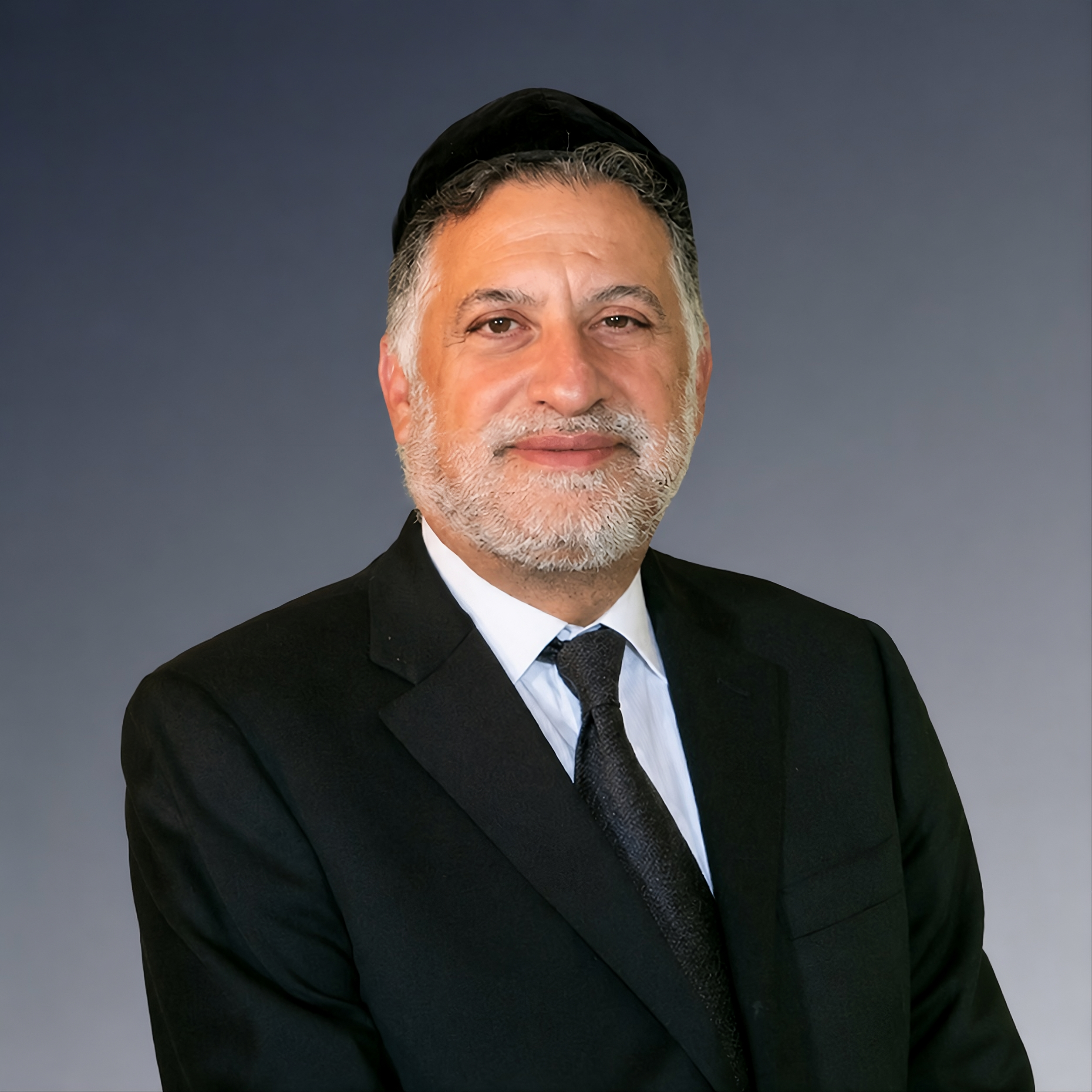
from Daily Halacha Podcast - Daily Halacha By Rabbi Eli J. Mansour · host Rabbi Eli Mansour
If a person feels alert in the late hours of the night, should he spend that time learning Torah, even if this will likely cause him to wake up late in the morning and miss the final time for reciting Shema? One might argue that at night, one is not required to take the next morning into account, and since he currently is able to learn Torah, he should do so without worrying about how this might affect the next morning. In truth, this line of reasoning is entirely incorrect, and it is clear that one must ensure to go to sleep early enough at night to ensure his ability to wake up in time for Shema in the morning. Reading Shema before the final time in the morning constitutes a Torah obligation, and, moreover, it cannot be made up once it is missed. Thus, if a person oversleeps and does not read Shema by the final time, he has neglected a Torah obligation. Hacham Bension Abba Shaul (Jerusalem, 1924-1998) sharply criticized yeshiva students who stay up late to learn and then oversleep the next morning, noting that they are using the Torah to act contrary to Hashem's will, which cannot possibly be excused. He related that Rav Tzadka Hussin (Baghdad-Jerusalem, 1876-1961) always recited Shaharit at sunrise, but one morning he woke up late, and he decided to pray privately at home, rather than arrive late in the synagogue. He felt that a Rabbi arriving late for the prayer creates a Hilul Hashem – a defamation of G-d's Name – and it is therefore to pray at home under such circumstances. This underscores the impropriety of Torah scholars rising late in the morning. It is far preferable to learn less at night and wake up on time in the morning than to learn until the late nighttime hours and risk waking up late in the morning. It should be mentioned that there is a famous dispute among the Poskim in calculating the final time for Shema in the morning. The two opinions are commonly referred to as the view of the Magen Abraham (Rav Abraham Gombiner, Poland, 1633-1683) and the Vilna Gaon (1720-1797). Sephardic practice follows the view of the Magen Abraham, according to which the final time is earlier than according to the Vilna Gaon. Hacham Ovadia Yosef writes that one should not rely on the lenient view of the Vilna Gaon except under extenuating circumstances. Certainly, though, if one missed the time of Magen Abraham, he should ensure to recite the Shema before the time of the Vilna Gaon.
What this episode covers
Daily Halacha - delivered directly to your computer and/or mobile device.
NOW PLAYING
If Staying Up Late Causes One to Wake Up Late
No transcript for this episode yet
Similar Episodes
Mar 26, 2026 ·1m
Jan 2, 2026 ·47m
Dec 21, 2025 ·46m