
EPISODE · Jan 31, 2025 · 35 MIN
Internet of Things: A Comprehensive Overview
from Devsig Podcast · host Bholendra Singh
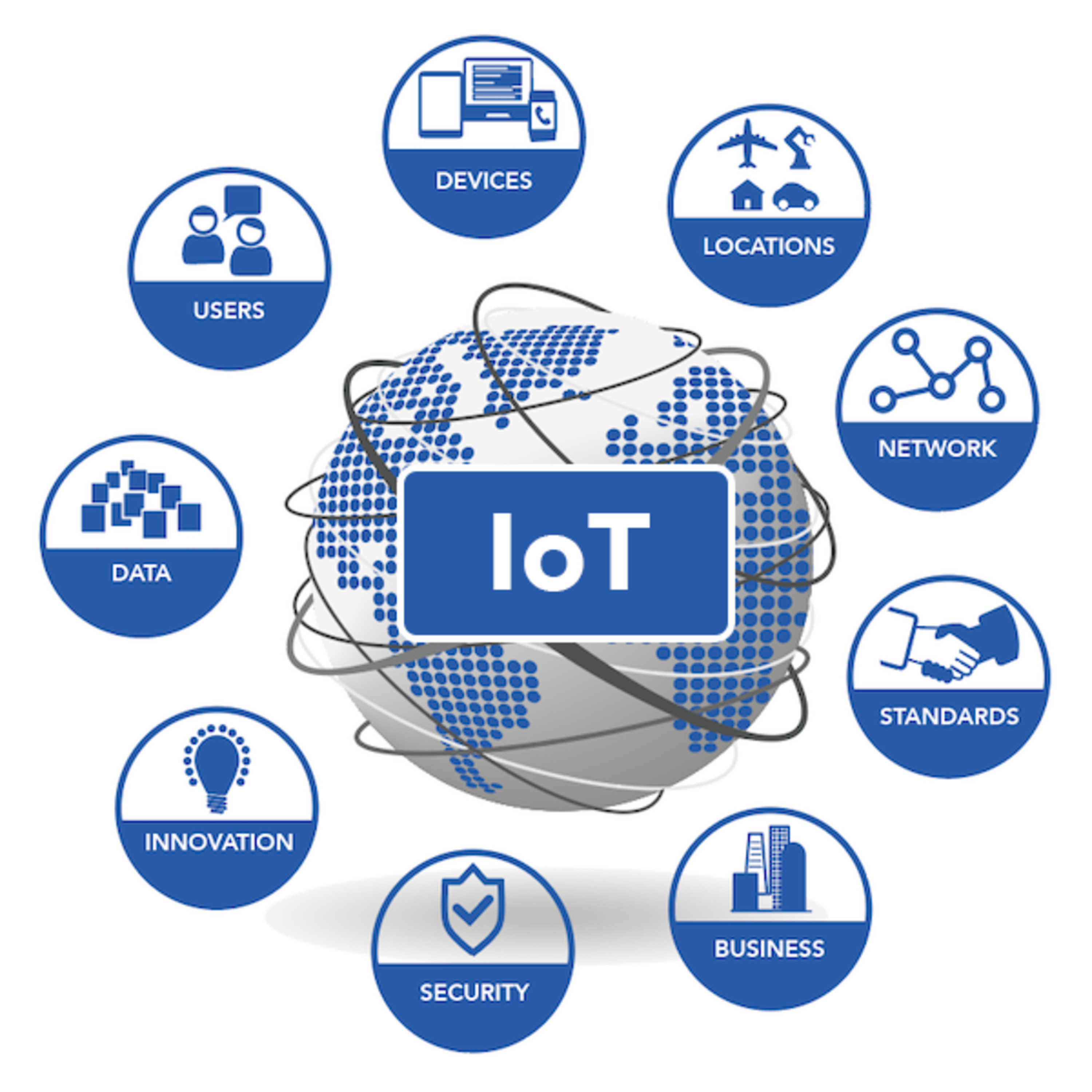
The Internet of Things (IoT) refers to devices with sensors, processing capabilities, software, and other technologies that connect and exchange data with other devices and systems via the internet or other communication networks. The IoT integrates electronics, communication, and computer science engineering. It is important to note that devices do not need to be connected to the public internet to be considered part of the IoT, but they must be connected to a network and be individually addressable. Key concepts related to the Internet of Things include: History: The concept of connected devices dates back to the 1970s with a computer-controlled vending machine at Stanford Artificial Intelligence Laboratory. In the 1980s, a Coca-Cola vending machine at Carnegie Mellon University was connected to the internet. The term "Internet of Things" first appeared in a speech by Peter T. Lewis in 1985, and was independently coined by Kevin Ashton in 1999. Applications: IoT devices have a wide range of applications that can be broadly divided into consumer, commercial, industrial, and infrastructure spaces. Architecture: IoT systems typically have three tiers: devices, the Edge Gateway, and the Cloud. Devices connect to an Edge Gateway, which pre-processes data and secures connectivity to the cloud. The cloud layer includes applications built for IoT using a microservices architecture, databases, and event queuing systems. Some experts classify the three tiers as edge, platform, and enterprise. Social Internet of Things (SIoT): SIoT focuses on the social interactions and relationships between IoT devices enabling device-to-device communication and collaboration without human intervention. SIoT is active, whereas the traditional IoT is passive. Enabling Technologies: A range of technologies enable the IoT, including short-range wireless (Bluetooth, Li-Fi, NFC, RFID, Wi-Fi, Zigbee, Z-Wave), medium-range wireless, long-range wireless, and wired technologies. Standards: Numerous standards and standards organizations work to ensure the successful development and implementation of IoT technologies. Criticism, Problems and Controversies: There are a variety of concerns related to the IoT, including platform fragmentation, privacy, autonomy, data storage, security, safety, and the potential for intentional obsolescence of devices. The lack of clear terminology surrounding IoT is also a source of confusion. The IoT presents many opportunities and challenges that need to be addressed to ensure its safe and effective implementation.
What this episode covers
The Internet of Things (IoT) refers to devices with sensors, processing capabilities, software, and other technologies that connect and exchange data with other devices and systems via the internet or other communication networks. The IoT integrates electronics, communication, and computer science engineering. It is important to note that devices do not need to be connected to the public internet to be considered part of the IoT, but they must be connected to a network and be individually addressable. Key concepts related to the Internet of Things include: History: The concept of connected devices dates back to the 1970s with a computer-controlled vending machine at Stanford Artificial Intelligence Laboratory. In the 1980s, a Coca-Cola vending machine at Carnegie Mellon University was connected to the internet. The term "Internet of Things" first appeared in a speech by Peter T. Lewis in 1985, and was independently coined by Kevin Ashton in 1999. Applications: IoT devices have a wide range of applications that can be broadly divided into consumer, commercial, industrial, and infrastructure spaces. Architecture: IoT systems typically have three tiers: devices, the Edge Gateway, and the Cloud. Devices connect to an Edge Gateway, which pre-processes data and secures connectivity to the cloud. The cloud layer includes applications built for IoT using a microservices architecture, databases, and event queuing systems. Some experts classify the three tiers as edge, platform, and enterprise. Social Internet of Things (SIoT): SIoT focuses on the social interactions and relationships between IoT devices enabling device-to-device communication and collaboration without human intervention. SIoT is active, whereas the traditional IoT is passive. Enabling Technologies: A range of technologies enable the IoT, including short-range wireless (Bluetooth, Li-Fi, NFC, RFID, Wi-Fi, Zigbee, Z-Wave), medium-range wireless, long-range wireless, and wired technologies. Standards: Numerous standards and standards organizations work to ensure the successful development and implementation of IoT technologies. Criticism, Problems and Controversies: There are a variety of concerns related to the IoT, including platform fragmentation, privacy, autonomy, data storage, security, safety, and the potential for intentional obsolescence of devices. The lack of clear terminology surrounding IoT is also a source of confusion. The IoT presents many opportunities and challenges that need to be addressed to ensure its safe and effective implementation.
NOW PLAYING
Internet of Things: A Comprehensive Overview
No transcript for this episode yet
Similar Episodes
Mar 26, 2026 ·1m
Jan 2, 2026 ·47m
Dec 21, 2025 ·46m