
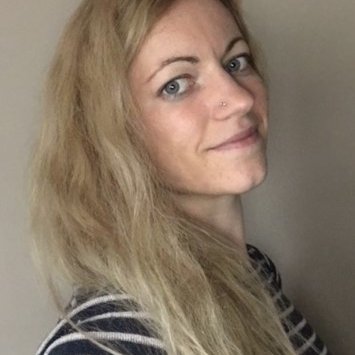
Hi there everybody. Welcome back to the Pivin Northwest podcast. My name is Caitlin Curry, and I'm so glad to be here with you. On today's podcast, Program Director Martini Menis interviews Harley Lee.
We also talk to him about more open high-loved interchanges about the vulnerable subject of his heritage, and the opportunities were carried within that view, as well. We encourage you all to receive Harley's honesty and words with an open heart, and we likewise invite you to suspend for a moment any pro-life and pro-choice arguments in here in the discussion. But rather, we encourage you to listen for pastoral development of identity and for a theology of family. Alright, I am sitting here with Harley Lee.
Harley and I have a little bit of history with both of all of the other. And I'm a current producer herself. And then today we're talking about Miskar. So you can introduce yourself in a little bit about what you're doing right now currently.
Your product and a little bit of history. How you got into this? Sure. Thanks Martini.
My name is Harley. I am a fuller alumna here in the Northwest. Studied theology and really at graduation was asking what am I going to do with this theology degree. And so I kind of was looking into my lived experience and asking myself what is really just bothering you and renovating with me.
And when I take away from these hours of studying, and it really was my Miskaric experience. I thought there was a viewable intersection of theology and ministry that becomes the other. And I really dive deep into that. So I'm going to tell you a little bit more.
And she was in 12 after three years of being married and two years of trying to get pregnant. I had a lot of pregnant and delivered early at home in my time. And they used my life. According to state of Washington because we weren't 23 or 24 weeks along, it was not as low birth.
It was a good experience. And it was really unrecognized. I would say we didn't have birth to be able to do that. That's what we had.
Very old. So it was really kind of dehumanizing to that child that I had carried. I created. But it was also disenfranchised grief that we felt also.
And so that kind of started this work of, wow, why is there such a gap here in the reality and the ministry? I'm going to go to church. I couldn't go to my doctor. I couldn't go to my device.
There was really nothing for us. It was a five week effort and again, and half an hour or a half an hour or a half an hour. And in 2016, it was an 18 procedure to have four more miscarriages early on the British China Center. And now here I am.
Wow. Can you see a little more about what you said you couldn't go to these different institutions? Because I think that's why these people don't like them. And that's because we all have different experiences with midwives, with pastors, with doctors, newties out of a little experience.
What these different institutions and how you've all made it for my work. Maybe if I don't. Sure. Yeah.
So at the time, it was part of a small group. And interestingly enough, it's not great that the majority of us had had pregnancy losses. And a small group was not organized around that. No, not at all.
It was just this random group, you know, doing like a kind of quasi-bital study kind of thing together. It was multi-dimensional too. Half were probably with millennials and half were just on the others. It was maybe five years older.
And even though we all had some kind of experience, we already had some kind of experience with pregnancy loss, whether it was going through in vitro and then proceed to lose a pregnancy. One had a twin who the twin had died in vitro and then went on to birth the second twin. Oh, you know, to the local mishear just we never felt like we could go to our pastor for pastoral care. Like I said, we didn't have a birth certificate.
So I thought this was kind of safe. We also didn't have a funeral. We didn't have any church service or recognition. There was no one formally talking about this loss that we had experienced.
It seemed like it was kind of this wind group and the whisper of our shared experiences on the sideline instead of actually talking about what life or women are going through. It was a miscarriage of pregnancy loss. It definitely seemed kind of secret club that we were part of. How many women told her in this group?
That group was a limited. It was a couple's group. And so this couple's group was male female couples and there were eight of us and six had pregnancy loss stories. One went on to have miscarriages, interestingly enough.
And the other one was us who had gone through our first miscarriage in that group. So it was a really interesting group. And yeah, like you said, it was a group four pregnancy loss. It just happened that we all did not do experiences.
And we also felt like none of us could actually go to our, I thought that was a prescription for women to go to our pastor. I grew up in a Jewish sin spot and I never went to my rabbi for this kind of stuff. It does. It seems like a secret club.
So when we, when you and I reconnect recently, I saw you're doing this, miscarriage retreat through and that you were kind of focusing your efforts in this direction. I thought it was a sound like a topic that in my experience, I heard people around Seattle in 2013's kind of lament to the lack of services and care. I was like, I want you to talk to her about this, especially because you're willing to tell your story and you've been able to really dive into the sea logically in all other ways. So I was really excited to have this conversation.
And it sounds like you met in this group. You all supported each other a bit. Was it was there a sense of that you had set into the pastor opposition in this group or was it more of everyone kind of kind of caring for each other totally? And also maybe talk a little bit about how the male female had that discussion transpired a little bit.
I guess it's a more full of pictures of how there was support or how there wasn't support. And we'll be talking about all the pastors and doctors and other things later. Sure. So in that group, like I was a Christian church.
And so for the women, it was a little bit more than one's open support where we just got it. Like we just understood where I was going through and at the end when we were doing e-littizing lows or prayer requests or something, it seemed like at least each week there was one person that was like, oh, I can't believe that I've been here again. Can you just like know that I'm in the season or another one was like, well, we've gone through IVF again. So just know that the next two weeks are going to be really stressful for us.
And it was kind of really just a sense of almost like an unspoken partnership with the men. This is why I was laughing. I hope you're okay with these things. With a men, so our doctors and advice, Matt and I, to just do a certain test first, because there is typically only about four things that can be going on with the male.
But the female there can be 200 things that have been going on. So we go on this room test and my husband is like, we're coming with me, right? And I was like, sure, let's just go out and party in there. So we went to the young reproductive together and I went into the room with him and we all already, it was great.
Turned in the cement and it came back. It's totally fine. So great. We got to check on the present.
The reason I shared that is at that small group. We had done those room tests and needed just hours before. And so we go in all giggling and we're just kind of like having a fun day. It's a real experience.
It's so surreal. It's so weird. And like also like kind of beautiful and just really funny. And we go to our small group and John has been, he's just blushing and instantly.
There were two other men in our small group. They just knew what we had done because they've been there. And so again, it was this unspoken thing. And it guys immediately, they were like, you guys are going to do you.
And John's just laughing and he's like, yeah, and I ran my white in the room with me. It just went like we just had to find humor in it. And so that was really kind of where we started finding connections and we'll start to create our own rituals and find humor. And this where we had to meet our own, there was no liturgy on the church.
Now I know that the physical church does have a beautiful liturgy. It's called, originally in our lives. I only went that after the fact. So at that bar church, it was not as well.
There was no liturgy. There were no prayers and there was nothing set up to help us through this really kind of light-faultering and really deeply theological even in our lives. So we just had to kind of find humor in it and laugh out and figure out our own with these people that also done their own. Yeah, I should actually see people as only those you're being right now.
I have been in that room. It's like those rooms. It's fun and sticky room. Well, I did experience that thing for a while.
But yeah, I think that you you'll look really interesting thing about your story being changed. Earlier when we met, we discussed how it's sometimes an awkward time to approach a couple when maybe they've pulled you in secret that they're pregnant, but they're still early in an audience and everyone or maybe they haven't announced it. And then something like Father's Day for Mother's Day comes on Sunday morning and the pastors are delicately trying to navigate the politics of that with people who have lost parents, who have lost children, who have been in miscarriages, who have held glowing children. There was diversity of experiences that the pastoral staff is trying to care for.
And so then we look for these people who we you know in secret or they probably are you know carrying this child in what we say. Are you now Father? Are you now Mother? Were you maybe when the last time you were pregnant and the baby didn't run into the Lord?
Yeah, enjoy it. Right. Yeah, warming and living into identity of a parent is so powerful. And a lot of people have really different and it's like, different ideas of when their identity of a parent begins.
So as you said, does your identity as a parent begin when you start going to the adoption process? If you're done, if you're done, you're done being parents start when you're going to the first time you went into the idea and the A has been verbalized and planted are you a parent now? Or are you a parent after the baby's born when you're actually holding the the baby in your arms? And I don't think any of those are wrong.
I think that for me personally, I was kind of surprised at how parental I felt when I was trying to get pregnant and when I was pregnant. And so when I lost my pregnancy, I was very I really felt like I was already a parent. I was caring for someone else, I was eating differently. I was sleeping differently.
I was nesting, you know, American commercialism. I was buying different things. I was spending my money in different ways. My husband and I bought a Ford or car.
You know, treated our little two or GTI. So what's my family car? So we really were that was our way of living into this new identity of the parent. And when you you're in the missionary, it's that identity is really derailed.
And it's not recognizing our community that maybe that person really didn't feel like the parent essentially the fathers too. The bond is oftentimes our look as gatekeepers when friends do what happens. So for example, when I lost our emergency, my husband took me to the ER because it was just so shocking that we were not expecting to deliver the baby. And the baby, you know, was not alive.
And so much ER. And immediately my husband was getting on the phone. He was reaching out to full sets of grandparents. And he was reaching out to pastors and doctors and particularly clinics and big wives and our do love who we had set up and he was not able to process his own personally because he was acting a big keeper of my dream.
And that continued for at least three months where people would come to our house, bring the door, and say, how is Carly doing? Is she in pain? Here's dinner for you guys. How's Carly?
And no one asked him, well, I can't say no one to my knowledge. Anyone actually asked John, how are you doing? Yeah. It was a how are you guys doing or how's Carly?
And that happens so many times with the the partner who's not caring, they didn't go through that possibly physical trauma. Sure. But I'm just carrying they have a kind of grief cycle that is a little bit delayed. It starts about three six months after the partner who carried the baby.
It's not like your sight in some research when you say that. I kind of couldn't even ask me. That's why that's why I just wanted to, you know, we have to dance between generalizations of the experience versus specific. And that's kind of what you're doing.
It's like our listeners that you have when you are trying to map out how you react to a situation. You have real generalizations and then adjust to the specific needs of the person. That's our care. And there are there's quite a bit of research on she's going to her book.
I have amazing questions. Okay. Since you asked, there's a one of our article, the main author is Nathaniel Wagner. It's called father's lived experience of his carriage.
Another one is Jennifer Fairchild. She has a PhD from Eastern Kentucky University Estetations of Husbands in this huge account. So we probably put some of these in the line. I would be happy to share.
Yeah. So there's a lot of these that and there is there's been quite a bit of um, the watch of note. There's not been a lot of the watchable research. There's been quite a lot of psychological research done on the repercussions of miscarriage on both partners.
And where I'm kind of trying to hold into because we do have a little dollar is the repercussions of pregnancy loss when you have a little children. So it does my daughter who's three and a half. For the miscarriage I had actions born. We've been very open about with her.
Is she experiencing her own grief about the possibility of am I a sister? Yeah. She's trying to develop her own new identity. Am I a sister or am I not a sister?
Was I a sister? And now I'm not. What does that mean that my sibling died? And what does that mean that my sibling maybe was never born?
So she has a three half year old. She is going through various and where classes have yet also through when they're expecting the birth of a child. What expects their child to die of birth of war? You know, we all in our pregnant expect to have a healthy living child and we start building identity.
Well, at least in Seattle, Washington in 2019. Yes, great points. Yes. And unwanted pregnancies.
I mean, that's a little bit of a different part. My point is the American narrative is that you have the game. And that's definitely in the case around the world right now. And it has been cases, partly in the early scripture.
And that's definitely not the case. There's lots of stories of sort of hope and has been hope. I was hoping. Yeah.
And that's a great, that's a great, we're going to quote one. And I think that's where I am right now. And hope it's as Dr. Reverend, Dr.
Spring Jones. She has an amazing kind of little coins term called hope deferred. I can't have your touch up as well. It's a little collaborative work that she did.
Well, that's what we might just link to whatever where you're going to link. Yeah, hope deferred. I love those. Yeah.
So this gets to, I think not only the point that we were really excited about discussing on the lead sort of talk about things but also the reason why items are just this identity formation in your 20s and sort of by religion also in the 30s. That's kind of what we're setting. We're trying to understand how the adults view the church, how they approach the church on that lead the church and the why of all that. So I want you to rehearse a little bit of your story because you started the story in your 20s.
Yeah. Yeah. So you were telling me earlier. So in the 20s and 30s is usually when couples try to conceive at least as easy as at that point.
We're discussing. We're discussing what age was it that that your tragic pregnancy is considered as like in the 30s. So you know, your experience, which probably is not too similar from, I would imagine a lot of your impressions out there. I think probably illustrates the sort of difficulties of taboos and the possible avenues for people leaving the church or at least if not leaving the church, not fully forming an identity, a Christian identity around who am I in this church as a young at all who's married or not, who's has successful pregnancy or not.
And how have you and how do I interact especially on a day and father's day and you know, holidays? Yeah. We're both in our 30s and we've lived through it. So we have reason for these.
And I think that, you know, there's lots of other issues that are happening in the West Coast like, you know, we have a job of eating support children. Yeah, you hear about that. The baby bones happen when, you know, it's, you know, now they're well, thank jobs in the city. There's a ton of kids coming into the school.
So. And then the second point is that it gets to a theology of family and how we view our relationship with the other people in our nations. So maybe gives a little bit more of what your experience has been. It sounds like your group that you're in was playing with theology family that wasn't as defined as your your family where our family went.
And I've been with my experience that at our church, which you were generously, you were saying, oh, that sounds wonderful. Our children are very much inherited by their non-biological, the uncle's name, the church. And I think that that's maybe more common than when I grew up, that was almost unheard of. So what is your experience then?
And then maybe talk even more about even how you're organizing this miscarriage retreat resources and how those stories, what you're hearing from young women in their experiences. Yeah, so to briefly rest the first two topics, I kind of have a similar answer. So kind of went back on my story in 2012 when I had my first miscarriage, when I was my last first child. We found that we had great community within the church when we were college students, high school students, you know, and below, like, and number.
And then there was this gap of really no defined church ministries or communities that we really did into until you were married with children. And so I'm trying to just know man's land, right? You are having this amazing college ministry and then you graduate in a legal first of all, wow, I wanted to admit I needed to look at a job and I lost my, maybe some college friends, I think I lost my community too because I'm not married with children. So I think that would be one area to address is this attention on my own and it's attention to people that are post college, but maybe pre-backed very Glatanya.
I could marry with children and a dog and all that you can get friends. There's a lot of light that lives there and the church I think is really missing out on the opportunity to create an insurance services for that age group because that age group could last two years for some people. People who last 10 years, 20 years for other people. My husband didn't have not been until he was 30 years old.
So in this century, using more to work for the concert of state, you know, like your cell, maybe figuring out your profession or your your head by house yet or any other sort of person developing things from a general point of view. Yeah, and that could be in your 20s or 40s, right? But I feel like there's this gap in ministry. It was a church that I can part of in between college and I'm very children.
And so that would kind of be the first thing I'm not losing into the work that I'm doing. I know this is a fair, it was really a gap in services, liturgies, prayers for the families that have my carry in. And that's why I try to make very, very clear is I think that miscarriage is not a women's issue. It's a family issue.
It affects everyone's family and there's amazing opportunity that the church can tap into this theology, psychology, grief, the process of what a family goes through when they have this derailed identity. They're trying to have that information and then when they hear challenges, they're still happening. There's stuff and they now have to cancel back to their pre-identity because they've lived through something. Yeah, it's a process of that.
But they can't also go forward in a typical sense because they can't be actively monitoring and monitoring that living child. And so I think that there's a lot of theology that can be done. So for example, one area is the person who has a business. It was that he was a person.
In fact, he was a person and if we've misheared that person, how do we want to all of that life? You might be an honor to like if someone else had died. What services and rituals and memories do we want to do? To keep that person part of our family.
Do we want to name that baby? Do we have some ritual like Lendlunzo or Lendlunzo or Lendlunzo or Lendlunzo on the birthday of our first baby to just create a secret time and say good space to remember that life? Another thing is that it's character treats. So getting together in community of people not in a secret way.
Our group kind of is like kind of this impromptu mindset that we happen to all have been like this experience. But to actually hear a join us at work group or attend a retreat and really make friends other people who have gone through this. So what we're planning to have the youngest presenter is on March 9th. There's going to be a mystery of human retreat.
It's on Mercer Island, that Mercer Island, that's a change. And it's an all-day retreat. We have four seekers. One is a professor at S.H.U.
Psychology. Another is a couple priests who's also mentioned on the earth. One is an adult counselor and the other one is actually a doula who is creating the reunion dula curriculum for this young area. We all work out, all those years myself have really identified the power of putting a ritual together and living in that ritual, making meaningful and that ritual to help you process your group.
And we notice that that's what liturgies and prayers and churches and funerals, that's what they are. They're meeting main activities that people do to help process what just happened. And if the church is not currently overnight, the church that I've been doing this and not going to do it, they're not offering that. And we can do ourselves until maybe the church will come along and be part of this.
So the retreat is going to have a ritual room and there's going to be about 60 different rituals that you can participate in. I won't be mulling on what. So we don't have to find out for yourself. But one is so beautiful.
It's just a same box that you can draw in the sand. It's a very contemporary activity. You'll have rocks and a rake and you can really just kind of be all the sand in your hand and feel maybe the multitude of granules in your hand. So there'll be a solid water so you can kind of clump the sand together.
It's just a centric space. Another one is very traditional. So you have a candle lighting station. So you can light the candle for your experiences or solvers or whatever.
Another is a community journal. There's a huge hour in writing your story. A lot of people really resonate when you start telling your story. And having a community journal that you can make might not have to remind you, but you've been that story down.
You've given that loss like three words and you made it tangible. And there's a power of processing and letting go and addressing what you've been through. It really validates what you've been through. So that's the research key language.
Well, and also do it in a community where you don't have to explain yourself. And I just think that there are more folks who have had the same experience. One of the one of the things I hear often just in my personal life and also my professional as someone who works with churches is just a silence. And I'm with a silence, but this carries way more common.
Then we really are there people who allow to be talked about. And so because it's not discussed, there's a sort of evidence that we've been hearing in our culture of our churches. It's interesting to think about that because just since 2012, since I've been really kind of doing this research, I've noticed that in just in those seven years, it's gone from, the obvious areas have talked about to one of the more women in the experience in this carriage. And this carriage still isn't talked about.
So what are we talking about in this carriage? We're talking about it's not talked about. Wait, that's one of the most of the years at least. Let's go set further and actually talk more about it, more about the repercussions of what happened.
Let's actually meet services and rituals and public areas and spaces that we can really process these things. Yeah, knowledge. Yeah, instead of seven plus years of we don't talk about this. Well, I think that one of the key thoughts that I are receiving from your experience is it is talked about media in a medical way.
Or it is talked about even in therapy or in therapeutic way. Like how do I deal with a grief in an individual, clinical setting. But what you're saying is, or what I hear you saying is that because we don't have a real methodology. And because we don't have a real explanation as a theological community that is always that informed the way we approach it.
If we don't have a theological story, it's always about it. Then we're not going to tell the story. It's not very fun. It's not very fun.
It's in a scientific experience of this carriage. And it's not even necessarily I don't know. I'm looking at it. To talk about your therapeutic reaction from this carriage as opposed to theological reaction.
It's an therapeutic reaction. It's very personal, but the logical reaction that has to belong to the community. It has to inform the communal experience. I think that they're being in the theological community.
But also could be both in the master's microscope. But you're right. I think maybe the therapeutic response to the individual ones that you know, the theological ones in the individual. Because with the logical responses, you are looking at it from like the ecclesia.
It's this framework on how we as a people god look at God. We'll try and understand that. But we're working out these questions and trying to build this framework of understanding. And so how do we be logically understanding this carriage?
Well, right now I'm doing this paper puzzle for an conference. And I'm proposing to them that the church in the 1970s respond to Roe, Roe, Roe, Roe, Roe, Roe, Roe, Roe, Roe, by taking a very political and very national republic pro life approach to abortion. And their tagline for their pro life stands is that life is that conception. And this life in the conception went through really the nation.
I mean, I know anyone who doesn't have who's ever heard of life in the conception. What did they really know? I mean, the paper book is how public this has become. And I really think that the church has set this up for us to understand the theology of the person who's through this pro life life in the conception.
So what does that do to the family who miseries? I'm not saying it was intentional. It just happened. What that does is that says when you can see that the person that has it made, when you misery, I intervert that my personality is a person died.
So why does the church not have services? You know, all recognition of the life that was lost in this carriage. So if they're claiming that like in the conception. Yeah, and this is general speaking.
So probably some churches that do. Absolutely. I would agree to you. I do not know any that it's like usually effort of parents who are saying, I don't want my parent to deny it.
And so I'm going to go to the pastor and go to the others and say I want to create a service because this is part of the law. And so yeah, it's more like a grassroots level where their lived experience is informing their personal theology because the communal theology is life in a perception of their personal experiences. Well, I miseries. So that life mattered to me and now it's gone.
So what do we do with that? Yeah. And so I think that's why we're seeing kind of this grassroots movement of some beginnings of some things here. So you know, what we do with the person who's a fitness because the yeah, the church not every single church, but generally speaking, they said that this is life.
And you know, I have to talk about what just happened in New York. You know, the acronym is utilizing abortion, it's an important term. This kind of goes right in line we were talking about is that the life matters. And instead of attacking, I think my perspective and this goes with this heritage still where the abortion is let's recognize the belief that the parents are going through that mother just carry that baby full term and for whatever medical reason.
And again, this is broadly speaking, she probably was faced with a very impossible decision. And for whatever reason, had to end it. And let's go alongside her grief and show that at the end of kindness that she just lost her child. And she's going to the same kind of identity formation of derailment as I went through when I went into marriage.
Well, I think what you're saying is, this is why we're having conversations because you know, let's do want to have these conversations and the church often chiseled away from this for good or bad. So I'm not worried about us talking about this because even though I'm not finding particular perspective of your leaning for it. But I am concerned about the pastoral care of just the average church person and how the average pastor is informing their own theology and their own perspective. So yeah, I'm not worried about it.
Every state is going to be laws that are when you created and they're going to be challenged. And this is not a done story. You know, right? And I think that for a forget.
Yeah. And I think whoever's listening, whether you are for like, or for a choice, the fact is that this is what's happening anywhere. Like you said, it's kind of that. And so again, whether you agree with the law or not, let's look at that family's grief.
Yeah. And let's let's show empathy instead of tap. Yeah. So when you find out the difference, lost a baby, you know, what's the first chance you're going to have?
It's not going to be a friend at the law. You know, it's going to be I am so sorry for what you're going through. Yeah. I'm going to walk you on.
Yeah. Yeah. Yeah. I wrote a really re-arble with my buddy Joseph Kimpxton.
I think we get your two. But it's very practical things that you can do after you heard and be wrote specifically in New Scherism. You can apply to any kind of fantasy laws. Yeah.
What, you know, what can you do? You can sit with them, let them cry. Don't necessarily put on tissue. Because that shows them, here's a tissue.
Stop crying. You're making it uncomfortable. Yeah. Just sit with them.
And they will guide you and show you if you're really kind of just quiet and empathetic and willing to sit within their pain. They'll show you what they need. Put it in your teeth or dinner or lock. If they have to run in kids, they need some childcare or maybe you need to take, you know, fridge, how to stir practice and just let them be home and then really bowl partners is not just for the mother.
Yeah. So another amazing thing is not necessarily asking them point to questions but asking open-ended questions. You know, such as like, wow, I see that this is a really deal for you. What would you like to share about what you're going through?
Something so open like guys and invitation saying, I am here to listen to whatever you're going to share. I don't need to know how far along the run of pregnancy. I don't need to know what can I do for you because that's focusing on myself. Yeah.
But what are you willing to share? What do you like to talk about? Can be great and be nothing. And that's totally fine.
Yeah. Yeah. Yeah. I found that some of the best advice I was ever given to me after a trial is eat exercise and, you know, figure out ways to get sleep.
Yeah. Just continue to exist. Yeah. And time will answer some of the questions you have.
But it also allows folks to talk with you on the journey. Right. So wow, thank you so much for your vulnerability. And under the last thoughts or words are anything you didn't get to that you thought will be important.
New one for this. Your event is one again. March 9th. Okay.
So people should probably wish you pretty quick because it will probably be released in February. Yeah. Two rounds now. And you're welcome to join all.
I mean, the entire price of the ticket goes to paying for the tree. I literally get what you think. Yeah. The four speakers which were really missing music, you know, trio bands, lunch, all day, all day, service.
Yeah. So if you know someone who has missed your and you're trying to be a good friend, is this sort of like, well, what's going to invite someone to consider attending this as a sort of an ally of a miscarriage? Sure. That's a great.
I have a scholarship fund going right now. And it was kind of worth through some people that were reaching out to me saying, you know, I love time to retreat, but it's just not quite in my budget. And for whatever reason, I don't need to know why. So I started raising money to allow for discounted ticket prices.
And I think one very gentle, very, very sweet and doing way that if you had friends that you wanted to kind of encourage some participants, you could spend say $10 toward a scholarship fund. You'll get a little email back from me. And then you could forward that email to them saying, hey, I just put $10 into that scholarship fund. Why would you come to this?
Why don't you join? And maybe you can get $10 off your ticket price because I put the $10 toward it. Another way would be to volunteer for the event. If that's something that you like to do, I would love to have millennials coming in and, you know, starting coffee or just even just witnessing what happens to learn kind of what we're talking about, even the 10 yourself.
We're just giving them the fliers. Yeah, I think something that when that extra mile would be, you know, put back 10 bucks into a scholarship fund. And that really seek to that brand saying, wow, this person is really thinking that's a good idea. And I'm sorry, I didn't do my research.
You already have what say it or you'll have what if it was some of these resources that we talk about. We have what I also have to do. We'll learn all about this. It'll be really interesting too, because once you experience a research, you create that through a research life.
So you can imagine women all you just have in this retreat because if you think it's and you still might be affected by or maybe a few miserable times. So it'll be really interesting to maybe get a sense of how many young folks show up to this. Either, I mean, do you think anyone will show up who hasn't had an experience that we have a history of that in their family? Yeah, I know I'm loud to talk about this.
I can ask her directly. So one of our speakers actually has not personally had an experience, but her sister and mom and her mother have all experience very dramatic friends and glasses. And so she's coming to see to the group, or to the attendees, from the perspective of someone who has witnessed the grief that comes from his marriage, not from herself, but from the English, which is lived with. And I think that's a very powerful perspective because she's had to live with that and was all to be from her and who has.
I definitely think that the attendees will be all-time regional. I think a lot of the generations older than me probably dealt with this even less than my generation. And I also am thinking that friends or sisters or whoever that have experienced any lots of different ways will attend even if they haven't had a conversation. So yeah, I imagine this could be a good event to go with someone if you had this or don't see because you might be affected in ways you don't understand.
It might be nice ever right home. Or you're not driving back. Yeah, but to get your girlfriend, I think also pastors too, is with an amazing event for pastors to come to. Of course, they would be participating in the rituals.
Like your lens of learning instead of healing themselves from Christmas years, but I'm hoping that you could bring any trauma or grief to these rituals and clean your front toes and take them with you and incorporate them into your congregation and your services. And this really is a service for everyone to use these resources. The longer I've been interested in the more I've recognized the potency of mysticism and rituals and how you never know what that ritual is going to signal to you. So I won't be comfort hearing it, healing in their Christmas or for the nano-piet experience healing in other life.
Right. Absolutely. And it's like that you're going to have a miss your group. You know, that's a great question.
We're hoping that this, well, we're really, really strongly suggesting that this person is here to be female only. So it's as long as I like to say it. Yeah, this one will be female only. The next retreat that we plan will be an extender.
The reason for that is this is a touchy subject. Not many miss your age retreats have been created for doing this first time. So we're trying to experiment and we're trying to control it just enough where it really is a in the community. It is.
And so how do we put these external thoughts and kind of push them out a little bit without it just being offensive and falling apart. And so we are keeping it when we're going to go into the virtual retreat. This is how we're going to introduce partners. Yeah, definitely not very wise and invite it.
This is that decision because it all sounds, it also sounds like you're reinforcing rather than fighting the fact that it is not just a long position. Right. And recognizing that it is now, but it really is a young issue. Yeah.
It takes time. I can't like that. I just want to check it out. Yeah.
But it takes time to change that. Yeah. So that's a drastic re-first and then we'll work on family. Yeah.
Well, I feel like we've really covered a lot of ground and you may go up to all conversation in a few years. And otherwise we'll post your advice on our on our on our website. So people can find you in access those resources. And thank you for your good work.
Thank you so much for having me. Thanks for being part of the conversation. We are so glad you took the time to listen in the best day. Please come visit us at pivit north west.org.
That's pivit and w.org. And guess our view on iTunes or wherever you listen to your podcasts. Any rain and sell other people to find us and just read the word about our work in the work of our partner congregations. We grateful welcome any comments or feedback you may have.
We want to keep the conversation going. And we'd love to know what you're finding to be most helpful as we seek to inspire people faith to new action and new partnerships that involve and serve individuals. We are excited to continue to introduce you through this with you and can we just see you next time. Blessings and peace.