
EPISODE · Feb 5, 2025 · 11 MIN
Mastering Study Concentration
from Devsig Podcast · host Bholendra Singh
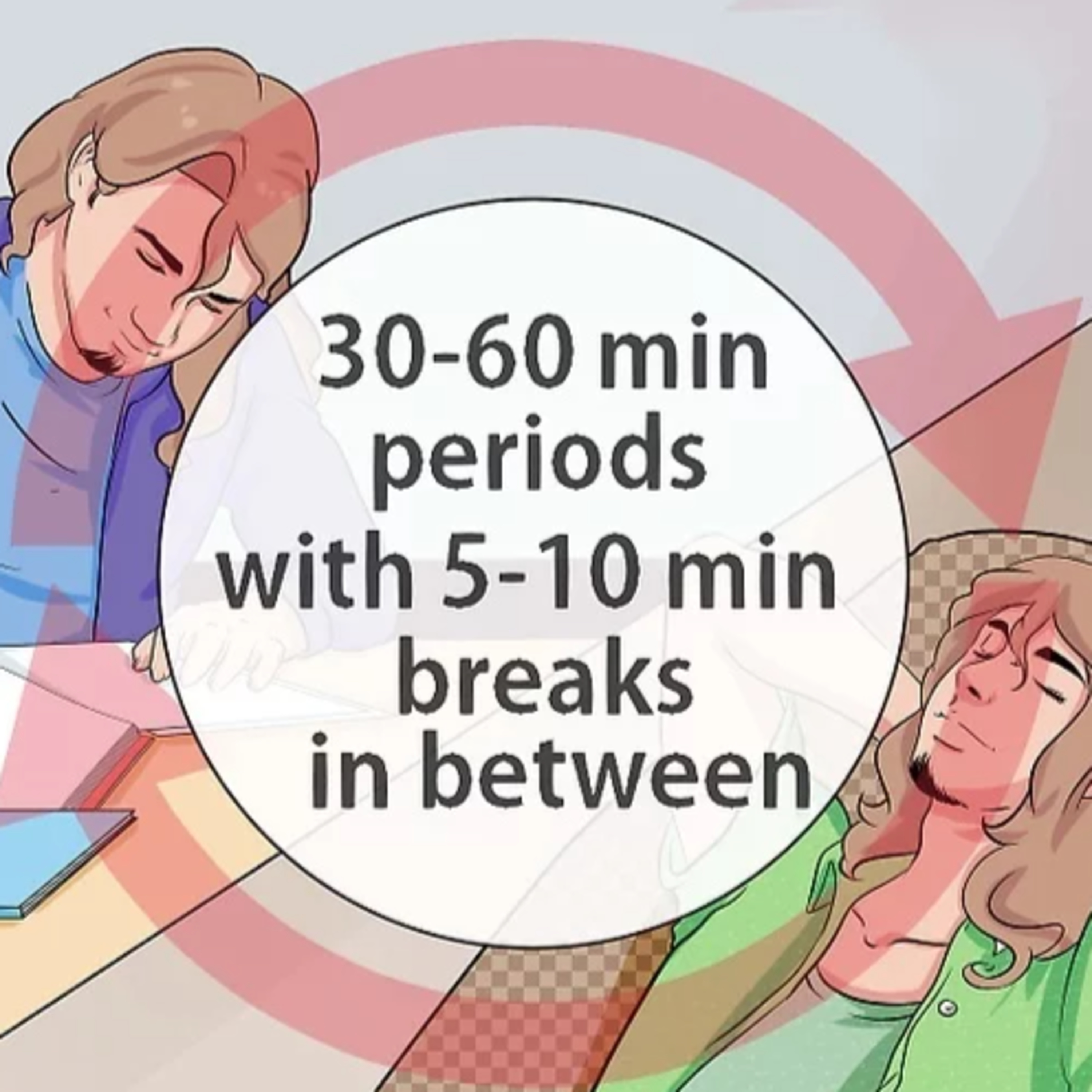
To improve concentration on studies, the sources suggest several strategies, which can be grouped into three main areas: staying focused, creating a conducive environment, and making concentrating easier. Staying Focused: Time Management: Create a study timetable with 30-60 minute work periods followed by 5-10 minute breaks. Divide work into smaller parts and switch subjects every hour to avoid boredom. Managing Thoughts: Set aside time to worry or think about other things, reassuring yourself that you will address them later. If your mind wanders, stop it, and resume studying. Keep pen and paper to jot down distracting thoughts and address them during breaks. Active Learning: Switch up learning methods to engage different parts of the brain, such as using flashcards, making charts, or listening to recordings. Rewarding Yourself: Create incentives to stay focused on your studies, such as treats or a short break in front of the TV. Backtracking: If you are struggling with complex material, go back to the basics. Active Reading: Use active reading techniques like asking questions and summarising aloud to keep your mind engaged. Note-Taking: Make notes using brief examples and abbreviations, and create quizzes from your notes to review later. Breaks: Use short breaks to engage with social media or other favourite activities, then return to studying. Creating an Environment for Proper Concentration: Location: Choose a quiet place free from distractions like TV or pets, with a comfortable chair and good lighting. Avoid studying in bed, except perhaps reading upright, to prevent associating your bed with studying. A quiet library cubicle is effective for many. Study Materials: Keep all necessary materials, like pencils, pens, highlighters, and books, within reach to avoid interruptions. Snacks: Have simple, repeatable snacks and water nearby, avoiding sugary drinks, caffeinated teas, or energy drinks. Brain-boosting foods include blueberries, spinach, squash, broccoli, dark chocolate, and fish. Goals: Write down your study goals for the day to stay focused. Make sure the goals are achievable and take time constraints into account. Turn off Electronics: Turn off your cell phone and other electronic devices and use website blockers if needed. Only use a computer for study purposes. Background Music: Consider playing soft background music or nature sounds, but avoid music that makes you sing along. Making Concentrating Easier: Body Awareness: Study during your high-energy periods. Sleep: Get enough sleep (7-9 hours) to help you focus. Healthy Diet: Eat healthy foods like colourful fruits and vegetables, whole grains, lean meats, and good fats. Positive Thinking: Believe that you can focus and use techniques like the "5 More" rule to break tasks into smaller parts. Prioritise: Do the least pleasant tasks first while your mind is fresh. Plan: Schedule a specific time each day for studying. Memory: Use mnemonics and mental imagery to remember rules and formulas. The sources emphasize that it's important to experiment to find what works best for the individual. They also highlight the importance of taking breaks and not studying for too long at once. The tips provided are supported by expert advice and research.
What this episode covers
To improve concentration on studies, the sources suggest several strategies, which can be grouped into three main areas: staying focused, creating a conducive environment, and making concentrating easier. Staying Focused: Time Management: Create a study timetable with 30-60 minute work periods followed by 5-10 minute breaks. Divide work into smaller parts and switch subjects every hour to avoid boredom. Managing Thoughts: Set aside time to worry or think about other things, reassuring yourself that you will address them later. If your mind wanders, stop it, and resume studying. Keep pen and paper to jot down distracting thoughts and address them during breaks. Active Learning: Switch up learning methods to engage different parts of the brain, such as using flashcards, making charts, or listening to recordings. Rewarding Yourself: Create incentives to stay focused on your studies, such as treats or a short break in front of the TV. Backtracking: If you are struggling with complex material, go back to the basics. Active Reading: Use active reading techniques like asking questions and summarising aloud to keep your mind engaged. Note-Taking: Make notes using brief examples and abbreviations, and create quizzes from your notes to review later. Breaks: Use short breaks to engage with social media or other favourite activities, then return to studying. Creating an Environment for Proper Concentration: Location: Choose a quiet place free from distractions like TV or pets, with a comfortable chair and good lighting. Avoid studying in bed, except perhaps reading upright, to prevent associating your bed with studying. A quiet library cubicle is effective for many. Study Materials: Keep all necessary materials, like pencils, pens, highlighters, and books, within reach to avoid interruptions. Snacks: Have simple, repeatable snacks and water nearby, avoiding sugary drinks, caffeinated teas, or energy drinks. Brain-boosting foods include blueberries, spinach, squash, broccoli, dark chocolate, and fish. Goals: Write down your study goals for the day to stay focused. Make sure the goals are achievable and take time constraints into account. Turn off Electronics: Turn off your cell phone and other electronic devices and use website blockers if needed. Only use a computer for study purposes. Background Music: Consider playing soft background music or nature sounds, but avoid music that makes you sing along. Making Concentrating Easier: Body Awareness: Study during your high-energy periods. Sleep: Get enough sleep (7-9 hours) to help you focus. Healthy Diet: Eat healthy foods like colourful fruits and vegetables, whole grains, lean meats, and good fats. Positive Thinking: Believe that you can focus and use techniques like the "5 More" rule to break tasks into smaller parts. Prioritise: Do the least pleasant tasks first while your mind is fresh. Plan: Schedule a specific time each day for studying. Memory: Use mnemonics and mental imagery to remember rules and formulas. The sources emphasize that it's important to experiment to find what works best for the individual. They also highlight the importance of taking breaks and not studying for too long at once. The tips provided are supported by expert advice and research.
NOW PLAYING
Mastering Study Concentration
No transcript for this episode yet
Similar Episodes
Mar 26, 2026 ·1m
Jan 2, 2026 ·47m
Dec 21, 2025 ·46m