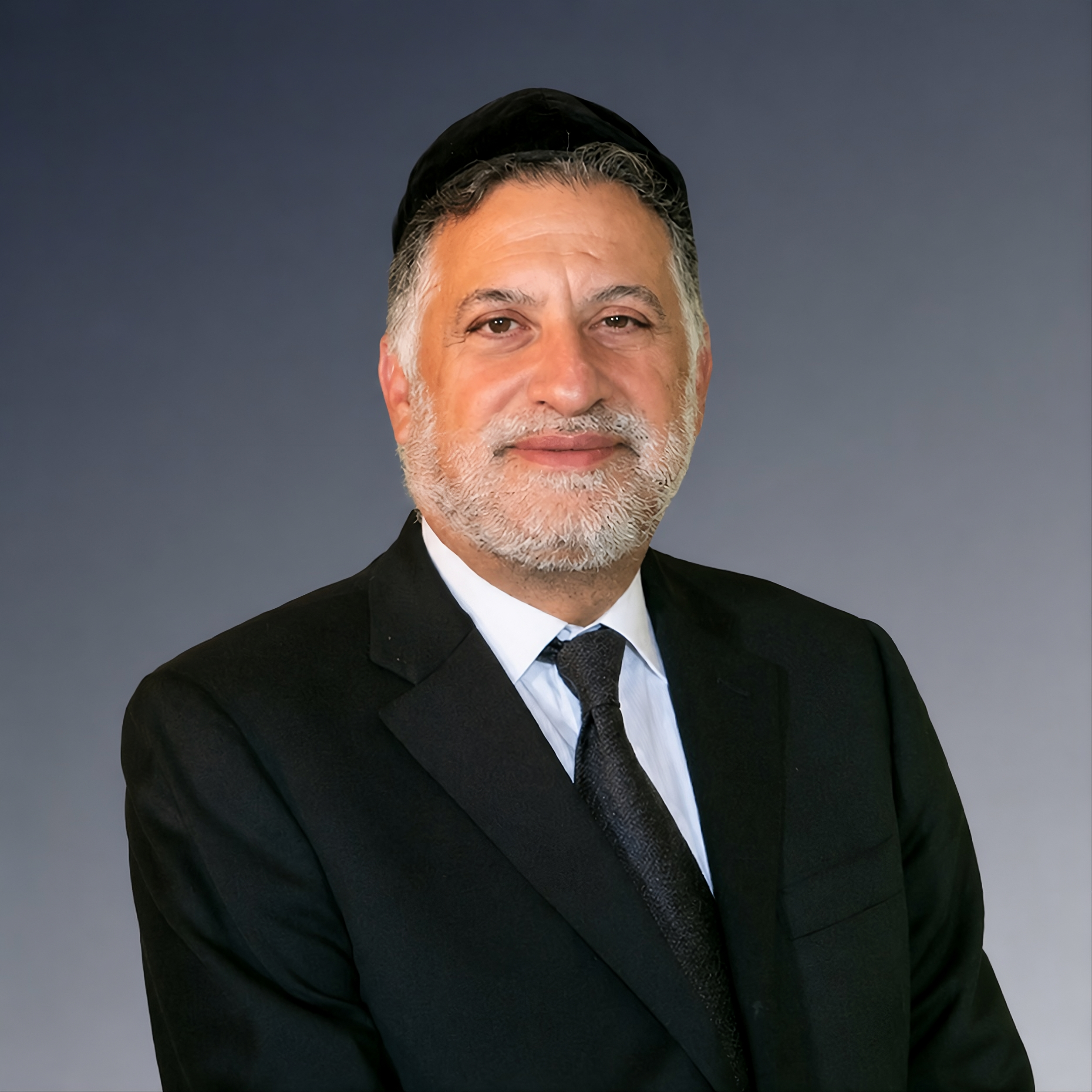
Pronouncing Words Properly episode artwork

EPISODE · Jun 17, 2026

Pronouncing Words Properly

from Daily Halacha Podcast - Daily Halacha By Rabbi Eli J. Mansour · host Rabbi Eli Mansour

When I was a young boy, the schools placed a great emphasis on Keri'a – teaching children to read properly. They insisted that youngsters must be taught all the nuances of the Hebrew language, so they know how to accurately pronounce each letter of every word. This continued the tradition that was followed by our ancestors in Syria. Indeed, a number of sources emphasize the importance of praying slowly and carefully, ensuring not to skip or mispronounce even a single word. The Sefer Misvot Katan (Rav Yosef of Corbeil, France, 13 th century) writes that one must treat each word like a precious jewel, seeing to it that not a single word is missed. And the Shelah (Rav Yeshaya Horowitz, d. 1630) writes that if one mispronounces even a single letter of the prayer text, he can end up "destroying the world." For example, when reciting in Birkat Kohanim the words "Ya'er Hashem" – "G-d shall shine," mispronouncing the word "Ya'er" could result in a words that means, "G-d shall curse," and thus the Kohen ends up cursing, Heaven forbid, instead of blessing. Another example is the word "Anenu," which means "answer us." If it is pronounced with a Dagesh (dot) in the Nun, this word means "torment us." Mispronouncing words can also result in outright blasphemy. In the verse "Nafshenu Hiketa L'Hashem" – "Our soul awaits G-d" (Tehillim 33:20), the word "Hiketa" begins with the letter Het. If one mispronounces this Het as a Heh, then the meaning of the word is "strike," as though we proclaim that we are beating the Almighty, Heaven forbid. And in the verse "L'Hashem Ha'aretz U'mlo'ah, Tebel Ve'yoshebeh Bah" – "The earth and its fulness belong to G-d; the world and those who reside in it" (Tehillim 24:1), one must recite the word "Tebel" ("world") with the emphasis on the second syllable. Otherwise, this word means "produce that has not been tithed," implying that this is all that G-d owns, Heaven forbid. Likewise, we recite each morning the blessing "Malbish Arumim" – that G-d "clothes the naked," but if we omit the Dagesh in the Mem of "Arumim," the word means "the clever ones." This blessing would thus imply that Hashem provides clothing only for those who are clever. Another common mistake is omitting the "Mapik Heh" at the end of certain words. When the Heh at the end of a word has a Dagesh, it must be pronounced in a special way, and failing to do so corrupts the word's meaning. King Shlomo warns in the Book of Mishleh (18:21), "Mavet Ve'haim Be'yad Lashon" – "Death and life are in the hand of the tongue." This is certainly true in the realm of interpersonal relations, as gossip and slander can sometimes be a matter of life or death, but additionally, as we have seen, mispronounced words in prayer can reverse the prayer's meaning, resulting, Heaven forbid, in dire consequences.

Daily Halacha - delivered directly to your computer and/or mobile device.

NOW PLAYING

Pronouncing Words Properly

0:00 0:00

No transcript for this episode yet

We transcribe on demand. Request one and we'll notify you when it's ready — usually under 10 minutes.

MG Show MG Show The MG Show, hosted by Jeffrey Pedersen and Shannon Townsend, is a leading alternative media platform dedicated to uncovering the truth behind today’s most pressing political issues. Launched in 2019, the show has grown exponentially, offering unfiltered insights, comprehensive research, and real-time analysis. With a commitment to independent journalism and factual integrity, the MG Show empowers its audience with knowledge and encourages active participation in the political discourse. That Hoarder: Overcome Compulsive Hoarding That Hoarder Hoarding disorder is stigmatised and people who hoard feel vast amounts of shame. This podcast began life as an audio diary, an anonymous outlet for somebody with this weird condition. That Hoarder speaks about her experiences living with compulsive hoarding, she interviews therapists, academics, researchers, children of hoarders, professional organisers and influencers, and she shares insight and tips for others with the problem. Listened to by people who hoard as well as those who love them and those who work with them, Overcome Compulsive Hoarding with That Hoarder aims to shatter the stigma, share the truth and speak openly and honestly to improve lives. Flottengeflüster ALD Automotive Österreich | LeasePlan Beim Flottengeflüster powered by ALD Automotive | LeasePlan präsentieren Jörg Janik und Peter Gutenbrunner alle zwei Wochen spannende Informationen rund um das Thema nachhaltige Mobilität. Beide beschäftigen sich schon lange mit der Thematik und bringen umfangreiches Fachwissen mit. Sollten sie aber doch einmal nicht weiter wissen, werden unsere Expert*innen hinzugezogen, die ihnen gerne mit Rat und Tat zur Seite stehen. The Small Business Startup School – Business Notes | Financial Literacy | Retail Psychology – For Professionals & Entrepreneurs The Small Business Startup School Inc. Starting or buying a small business? While personal circumstances may vary, business patterns remain timeless. On The Small Business Startup School, we explore strategies, insights, and practical solutions to help entrepreneurs confidently navigate their journey.Hosted by Ola Williams—a retail entrepreneur, fintech founder, and financial coach with over two decades of experience—this podcast marries financial awareness and retail psychology with optimism to deliver actionable takeaways.Join us to learn, grow, and connect as we uncover the keys to business success.Let’s continue to learn together and be encouraged to keep on connecting!

Frequently Asked Questions

How long is this episode of Daily Halacha Podcast - Daily Halacha By Rabbi Eli J. Mansour?

Episode duration information is not available.

When was this Daily Halacha Podcast - Daily Halacha By Rabbi Eli J. Mansour episode published?

This episode was published on June 17, 2026.

What is this episode about?

When I was a young boy, the schools placed a great emphasis on Keri'a – teaching children to read properly. They insisted that youngsters must be taught all the nuances of the Hebrew language, so they know how to accurately pronounce each letter of...

Can I download this Daily Halacha Podcast - Daily Halacha By Rabbi Eli J. Mansour episode?

Yes, you can download this episode by clicking the download button on the episode player, or subscribe to the podcast in your preferred podcast app for automatic downloads.
URL copied to clipboard!