
EPISODE · May 1, 2026
Serving Hashem When Conducting Our Mundane Affairs
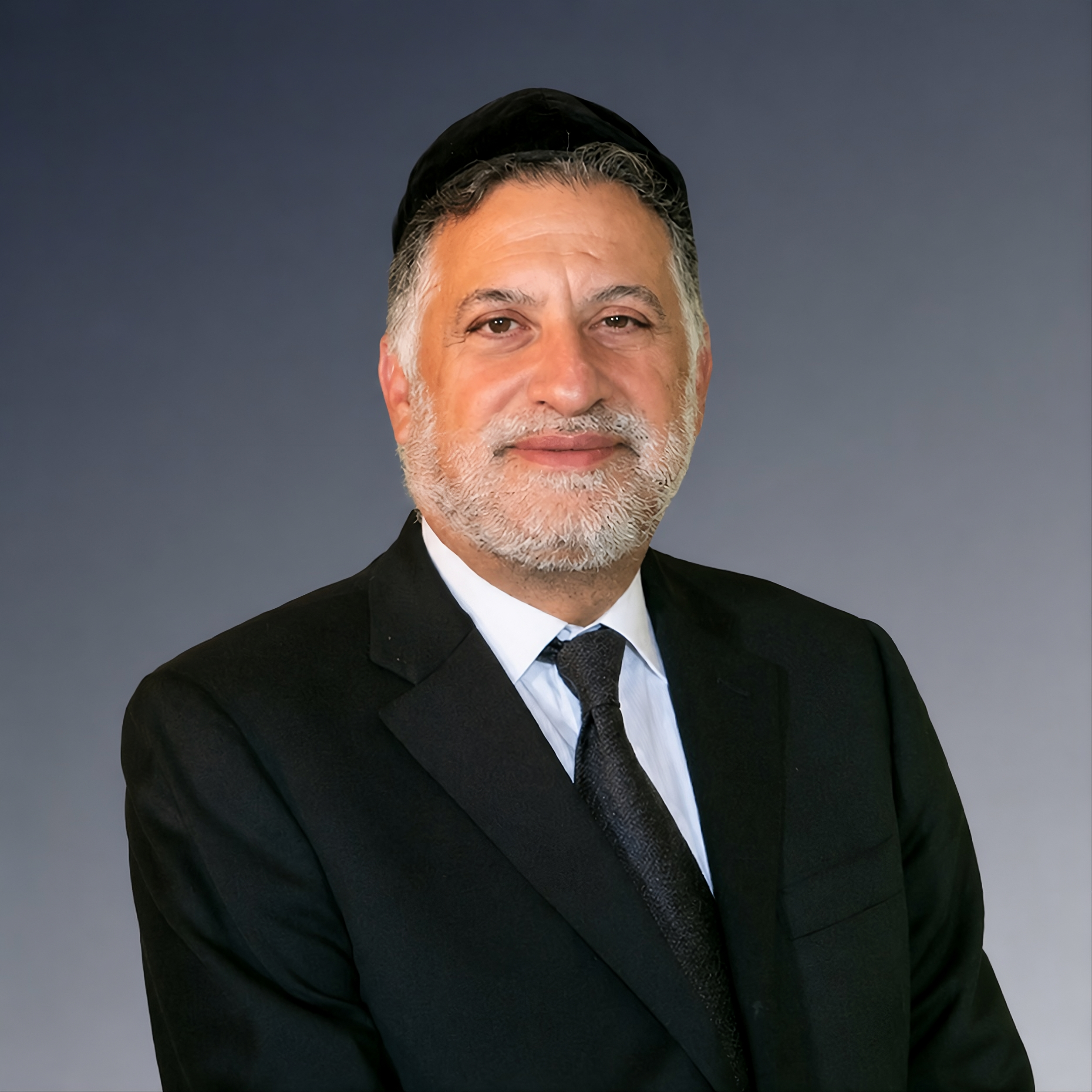
from Daily Halacha Podcast - Daily Halacha By Rabbi Eli J. Mansour · host Rabbi Eli Mansour
King Shlomo teaches us in the Book of Mishleh (3:6), "Be'chol Derachecha Da'ehu" – "Know Him in all your ways." The Rambam explains this to mean that we are to serve Hashem even in our ordinary "ways," while tending to our physical and material needs, and conducting our day-to-day affairs. Religion is not reserved for the realm of the sacred; it is not observed only when we pray, learn Torah, and perform Misvot. Even when are involved in ordinary, mundane activities, we are to serve G-d by engaging in these activities for the sake of Abodat Hashem (the service of G-d). We are to care for our bodies, and work to earn a living, not as ends unto themselves, but rather for the purpose of enabling us to serve Hashem. If we eat to maintain our health and strength so that we can learn Torah and observe Misvot, then we in essence turn our calories into Misva calories; we transform the mundane act of eating into a sacred act. This is true also of sleeping, exercising, earning a living, and even reasonable amounts of recreation. If we engage in these activities with the intention of maintaining our physical and emotional wellbeing so that we can serve Hashem, then we infuse these activities with holiness, and they become part of our Abodat Hashem. The converse, however, is also true. If we fail to use our free time for Torah learning and other sacred endeavors, then this shows that our mundane affairs are not conducted for the sake of Hashem. If a person does not spend meaningful amounts of time learning Torah during the workweek, this might be justified if he truly has no free time for learning due to the pressures of his profession or business – but only if he uses the free time that he does have for Torah learning. If a person does not spend time on Sunday or on his other free days learning Torah, then this undermines his excuse for not learning Torah during the week. Some have explained in this vein the Mishna's teaching in Pirkeh Abot (4:10), "Im Bitalta Min Ha'Torah, Yesh Lecha Betelim Harbeh Ke'negdecha" (literally, "If you neglected Torah, there are many 'neglects' equal to yours"). This could mean that if a person wasted time that he could have used for Torah study, then he is held accountable also for "Betelim Harbeh Ke'negdecha" – lots of other wasted time. The times which he could have legitimately claimed to be unavailable for Torah learning could no longer be excused, since he does not properly use the time that he does have available for Torah learning. It is only when we utilize our free time for Torah learning that our mundane affairs can be considered part of our Abodat Hashem, as they are conducted for the sake of our service of G-d. Rav Shmuel Pinhasi (contemporary) found an allusion to this concept in a verse in Tehillim (75:3): "Ki Ekah Mo'ed Ani Mesharim Eshpot" (literally, "When I take a festival, I judge justly"). On Hol Ha'mo'ed, when a person takes time off from work, the way he spends his time reveals his priorities. If he fails to use the time for Torah learning, then he will be judged for all the time that he did not learn with the excuse that he was busy working. Working for a living is considered sacred if a person properly utilizes the time when he does not need to work, thereby showing that he works for the sake of serving Hashem, to enable him to learn Torah. But if a person fails to learn Torah when he does not need to work, then the time he spent working can no longer be regarded as sacred, as he demonstrates that this is not his objective.
What this episode covers
Daily Halacha - delivered directly to your computer and/or mobile device.
NOW PLAYING
Serving Hashem When Conducting Our Mundane Affairs
No transcript for this episode yet
Similar Episodes
Mar 26, 2026 ·1m
Jan 2, 2026 ·47m
Dec 21, 2025 ·46m