
EPISODE · Aug 1, 2026 · 55 MIN
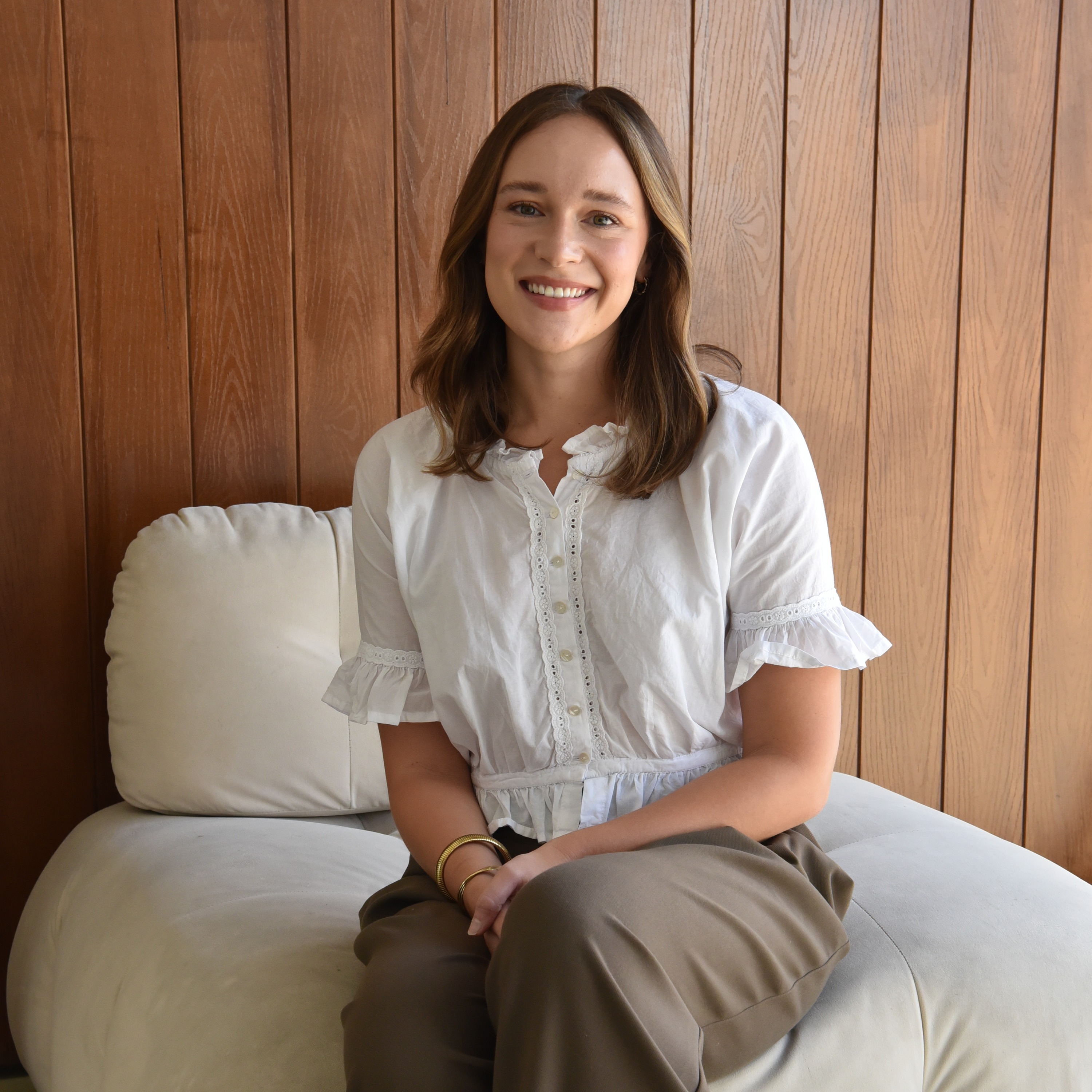
Skeptical About Psychology for Chronic Pain? This Episode Will Change Your Mind | Sophie O'Dwyer
from Pain Coach · host Lachlan Townend
Got a sore back and rolling your eyes at the idea of "seeing a psychologist for it"? You're not alone and this episode is for you.Lachlan puts that exact skepticism to pain psychologist Sophie and what follows is a masterclass in the real, physiological role psychology plays in persistent pain. They unpack the "window of tolerance," why the nervous system can become overprotective, how adverse life experiences shape our pain response and why phantom limb pain proves pain is never just about tissue damage.From practical tools - progressive muscle relaxation, the stress bucket analogy, graded exposure, CBT, ACT and pain reprocessing therapy - to the bigger picture of why multidisciplinary care changes outcomes, this conversation bridges the physical and psychological divide that so many pain patients get stuck in.Lachlan and Sophie also share the story behind Paced Health, their new multidisciplinary telehealth pain clinic - why they built it, what the name means, and how they're trying to fix the fragmented, confusing experience so many people with chronic pain describe.RESOURCES:- Pain Coach: Clinical software helping clinicians turn complex chronic pain intosimple habit targets. Sign-up here: https://paincoach.co- Paced Health website: https://www.pacedhealth.com- Paced Health Instagram: https://www.instagram.com/pacedhealth/KEY TOPICS:00:00 – Cold open: "Can psychology really help my back pain?"01:00 – Meet Sophie, pain psychologist at Managing Pain01:36 – Why a psych referral for pain feels invalidating — and how to start03:17 – Noticing patterns: what pain psychologists actually look for04:34 – What is nervous system regulation? The "window of tolerance"06:35 – Signs you're in hyperarousal (fight-or-flight)07:48 – Signs you're in hypoarousal (shutdown/freeze)10:13 – How adverse childhood experiences shape your nervous system12:46 – Complex trauma vs. single-event trauma16:20 – Why do some people develop PTSD (and pain) — and others don't?18:43 – How to actually widen your window of tolerance20:33 – Allostatic load and the "stress bucket" analogy22:00 – Doing hard things on purpose: habituation and control27:11 – Phantom limb pain: proof pain isn't just physical28:31 – Practical tools: breathing, PMR, mindfulness30:31 – Cognitive functional therapy & movement experiments33:29 – CBT and Acceptance and Commitment Therapy for pain35:13 – What is Pain Reprocessing Therapy?37:17 – Why multidisciplinary teams change outcomes39:17 – The Paced Health origin story42:05 – The idea: multiple clinicians, one room, one hour44:12 – Why the name "Paced Health"?47:09 – The Tour de France analogy for pacing49:13 – Why build this business at all?51:07 – How to get involved (clients + clinicians)52:13 – Advice for someone at their lowest point with pain54:27 – Closing thoughts: autonomy, hope, and communityDisclaimer: This podcast is not personalised medical advice. Please consult a health professional before acting on anything discussed.
Embed this episode
Ready to play
Skeptical About Psychology for Chronic Pain? This Episode Will Change Your Mind | Sophie O'Dwyer
No transcript for this episode yet
Similar Episodes
No similar episodes found.