
PODCAST · health
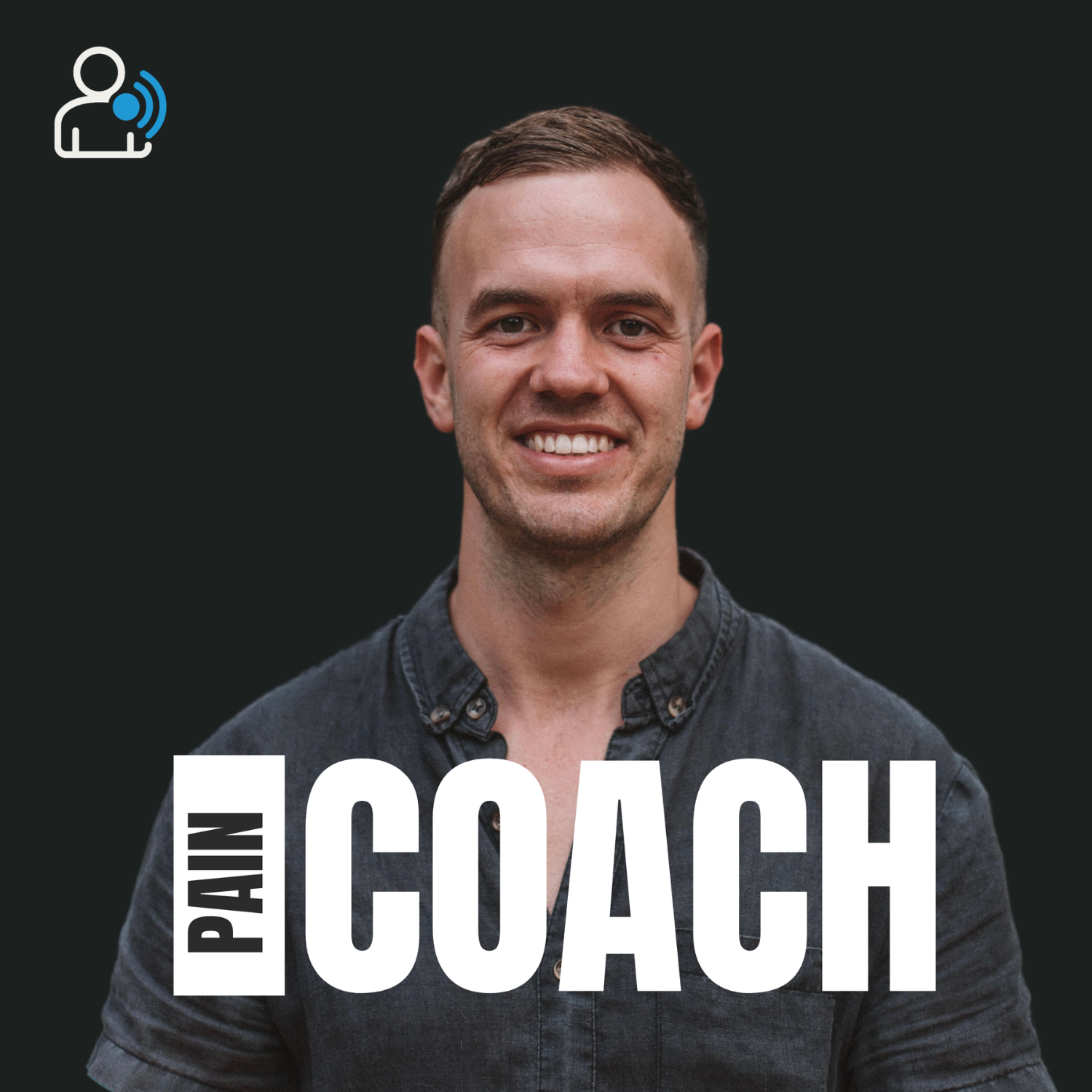
Pain Coach
by Lachlan Townend
Welcome to Pain Coach, the podcast designed to empower you to regain control of your pain treatment journey.In each episode, Lachlan Townend shares inspiring stories from individuals who have overcome the obstacles of pain, along with insights from health professionals dedicated to helping you reclaim your life. This podcast offers practical tools and guidance for those who refuse to let pain dictate their lives or steal their dreams.Pain Coach encourages you to find a health professional who acts as a coach—not a 'magic healer'—supporting you in your recovery journey. It’s time to step back into the driver’s seat and reclaim what pain has taken from you.DISCLAIMER: This podcast is for educational purposes only. The views expressed in this podcast do not constitute medical advice and are general in nature. You should obtain specific advice from a qualified health professional before acting on any of the information within this podcast.
-
23
The Lifestyle Levers That Influence Your Entire Pain System | Derek Griffin (PhD)
Lachlan Townend sits down with Derek Griffin (PhD), a Clinical Specialist Physiotherapist (Pain) and pain researcher based in Tralee, Ireland, who has spent his career untangling the science of chronic pain without losing sight of the person in front of him.Derek shares why he sees pain as a fundamentally protective (sometimes overprotective) system, and why he refuses to get lost in debates about nociception, central sensitisation and nociplastic pain when a patient in front of him needs a real next step.The conversation covers the fatigue of being told "pain is complex" without ever getting something actionable, the shift from treating a joint to treating a whole person, why the simplest lifestyle levers such as sleep, exercise, social connection, psychological wellbeing and nutrition are most pivotal and Derek's honest take on the debate around hands-on therapy.Whether you're a clinician working in a multidisciplinary team, someone living with persistent pain trying to make sense of your own story, or somewhere in between, this episode is a grounded, evidence-informed and genuinely human look at what it takes to help someone recover their quality of life.RESOURCES:- Pain Coach: Clinical software helping clinicians turn complex chronic pain into simple habit targets. Sign-up here: https://paincoach.co- Derek Griffin's socials: X | Instagram | LinkedIn - Listen to Peter O'sullivan episode mentioned hereKEY TOPICS:00:00 — Teaser00:54 — Medical disclaimer01:41 — Interview starts: Derek's marathon running and PB (2:27:04, Valencia)04:22 — Why Derek got into chronic pain: his PhD path06:37 — What his PhD research found08:42 — Derek's clinical role at Bon Secours Hospital10:58 — Why multidisciplinary care matters11:37 — How Derek explains pain to patients12:01 — The "is pain a protector" debate14:02 — The neuroimmune system, explained simply16:34 — Where modern pain explanations go wrong18:41 — Why pain education has to drive behaviour change, not just belief21:19 — Navigating different beliefs inside a multidisciplinary team23:52 — Zooming into the nervous system: nociceptive vs. neuropathic vs. nociplastic pain30:39 — The "pain is complex" fatigue34:57 — Why simple lifestyle advice can feel invalidating - the habit-change problem37:57 — The biggest controversy in pain science: is nociception necessary for pain?41:15 — Shifting from "joint health" to "person health" (knee osteoarthritis)46:14 — The big five modifiable factors: sleep, exercise, social connection, psychological wellbeing, nutrition47:31 — How sleep affects the neuroimmune system — and your pain54:05 — Pain Coach ad 54:33 — Is hands-on treatment necessary? The telehealth debate1:00:29 — Derek's advice for anyone currently in painDisclaimer: This podcast is not personalised medical advice. Please consult a health professional before acting on anything discussed.
-
22
Skeptical About Psychology for Chronic Pain? This Episode Will Change Your Mind | Sophie O'Dwyer
Got a sore back and rolling your eyes at the idea of "seeing a psychologist for it"? You're not alone and this episode is for you.Lachlan puts that exact skepticism to pain psychologist Sophie and what follows is a masterclass in the real, physiological role psychology plays in persistent pain. They unpack the "window of tolerance," why the nervous system can become overprotective, how adverse life experiences shape our pain response and why phantom limb pain proves pain is never just about tissue damage.From practical tools - progressive muscle relaxation, the stress bucket analogy, graded exposure, CBT, ACT and pain reprocessing therapy - to the bigger picture of why multidisciplinary care changes outcomes, this conversation bridges the physical and psychological divide that so many pain patients get stuck in.Lachlan and Sophie also share the story behind Paced Health, their new multidisciplinary telehealth pain clinic - why they built it, what the name means, and how they're trying to fix the fragmented, confusing experience so many people with chronic pain describe.RESOURCES:- Pain Coach: Clinical software helping clinicians turn complex chronic pain intosimple habit targets. Sign-up here: https://paincoach.co- Paced Health website: https://www.pacedhealth.com- Paced Health Instagram: https://www.instagram.com/pacedhealth/KEY TOPICS:00:00 – Cold open: "Can psychology really help my back pain?"01:00 – Meet Sophie, pain psychologist at Managing Pain01:36 – Why a psych referral for pain feels invalidating — and how to start03:17 – Noticing patterns: what pain psychologists actually look for04:34 – What is nervous system regulation? The "window of tolerance"06:35 – Signs you're in hyperarousal (fight-or-flight)07:48 – Signs you're in hypoarousal (shutdown/freeze)10:13 – How adverse childhood experiences shape your nervous system12:46 – Complex trauma vs. single-event trauma16:20 – Why do some people develop PTSD (and pain) — and others don't?18:43 – How to actually widen your window of tolerance20:33 – Allostatic load and the "stress bucket" analogy22:00 – Doing hard things on purpose: habituation and control27:11 – Phantom limb pain: proof pain isn't just physical28:31 – Practical tools: breathing, PMR, mindfulness30:31 – Cognitive functional therapy & movement experiments33:29 – CBT and Acceptance and Commitment Therapy for pain35:13 – What is Pain Reprocessing Therapy?37:17 – Why multidisciplinary teams change outcomes39:17 – The Paced Health origin story42:05 – The idea: multiple clinicians, one room, one hour44:12 – Why the name "Paced Health"?47:09 – The Tour de France analogy for pacing49:13 – Why build this business at all?51:07 – How to get involved (clients + clinicians)52:13 – Advice for someone at their lowest point with pain54:27 – Closing thoughts: autonomy, hope, and communityDisclaimer: This podcast is not personalised medical advice. Please consult a health professional before acting on anything discussed.
-
21
"Are You Telling Me It's All in My Head?" The Truth About Chronic Pain | Prof. Tasha Stanton
"When Tasha speaks about pain, everyone should listen" - Merv Travers (previous guest and pain researcher) In this episode, Professor of Clinical Pain Neuroscience, Tasha Stanton translates the current science of persistent pain into practical reasoning.Tasha explains that pain is a protective system that can become over-sensitive - in her words, "a system that's working too well." She's candid about what she's moved away from over her career — why giving the brain sole focus, and the notion that "the brain decides," are both inaccurate - and what it takes to communicate pain science without a patient hearing it's all in your head.From there it's straight into application: assessing body perception and two-point discrimination, sensorimotor and tactile discrimination retraining, what the RESOLVE trial suggests about mechanism, the role of systemic inflammation and why loading helps, and using active inference and predictive processing to drive change - including her group's VR cycling work, which improves how patients feel while they work harder.Tasha is also clear that the evidence for persistent pain points to hope rather than inevitability, and she closes with what she'd actually say to a patient in pain.If you treat people in persistent pain and want better outcomes, sharper communication, and theory you can use in clinic, this one's for you.RESOURCES- Pain Coach: Clinical tool discussed by Lachlan. Use today with a patient - click here- Prof. Tasha Stanton Research: https://researchers.adelaide.edu.au/profile/tasha.stanton- The Resolve Trial: https://jamanetwork.com/journals/jama/fullarticle/2794765- The Knee Osteoarthritis Handbook (NOIgroup) - Tasha is a co-author: https://www.noigroup.com/product/knee-osteoarthritis-handbook/KEY TOPICS 00:00 — Teaser00:59 — Why Tasha comes so highly recommended 01:31 — From an overwhelming caseload to pain science 03:40 — The mentors who shaped her clinical thinking 05:10 — When the system fails patients: lessons from her mum's care 07:22 — Lachlan's own experience of persistent pain 08:53 — Reframing pain for patients: protection, not damage 10:50 — Pain as a changeable process (bioplasticity) 13:43 — What Tasha changed her mind about — and why clinicians should too 16:06 — Language in clinic: from "brain" to "dysregulated systems" 17:44 — A clinically useful model of pain to share with patients 22:35 — "The carpentry looks good": pain after knee replacement 23:22 — Assessing body perception and post-surgical pain risk29:52 — A thoracic pain case: what two-point discrimination revealed 31:38 — Sensorimotor retraining in practice: grids, graphesthesia, dosage 33:33 — Does sensory change drive pain change? CRPS & the RESOLVE trial 41:49 — Inflammation, central sensitisation, and why loading helps 44:49 — Translating complexity into simple, actionable interventions 46:48 — A knee OA case: shifting outcomes by shifting the narrative 48:17 — Targeting lifestyle factors for the individual in front of you 49:21 — Optimising the rest–activity balance across 24 hours 51:11 — Applying active inference and predictive processing clinically 52:58 — VR cycling: engineering a prediction error to drive adaptation56:55 — What to say to a patient who's in pain right now 58:03 — Framing prognosis: hope over inevitability 59:21 — Clinician resources: Pain Plans and where to learn moreDisclaimer: Not personalised medical advice, consult a health professional.
-
20
Is Sleep the New Treatment for Pain? | Associate Professor Michelle Hall
Could the key to easing chronic joint pain lie in how you sleep?In this episode, Lachlan Townend talks with Associate Professor Michelle Hall from the University of Sydney's Musculoskeletal Research Hub. They unpack what osteoarthritis really is, why your X-ray often doesn't match how you feel and why myths like "bone on bone" and "exercise wears the joint out" don't hold up.Then they turn to sleep — why poor sleep doesn't just follow pain but can actively drive it, how cognitive behavioural therapy for insomnia (CBT-I) helps most people within weeks, often without medication and what Michelle's clinical trials could mean for the future of pain care.If you live with pain, or treat people who do, it's a practical and hopeful listen.Resources Is sleep contributing to you or your patients' pain? Try Pain Coach for free and find out: Click here Lachlan Townend on LinkedIn: https://www.linkedin.com/in/lachlan-townend/ Michelle Hall on LinkedIn: https://www.linkedin.com/in/michelle-hall-548627111/ Michelle's research profile: https://profiles.sydney.edu.au/michelle.hall/about Musculoskeletal Research Hub, University of Sydney (Charles Perkins Centre): https://www.sydney.edu.au/charles-perkins-centre/our-research/research-groups/musculoskeletal-research-hub.html Musculoskeletal Research Hub on LinkedIn: https://www.linkedin.com/company/111559366/ Online sleep resources based in cognitive behavioural therapy for insomnia (Sleepio): https://sleepio.bighealth.com/ SLEEP-FIT Trial (sign up): https://redcap.sydney.edu.au/surveys/?s=AKTTJLD44NNMYMHK Referenced paper (open access): Klyne DM, Hall M. Is sleep the new treatment for pain? Two issues need resolving before deciding. Sleep. 2024;47(6):zsae089. https://doi.org/10.1093/sleep/zsae089Key Topics: 00:00 Intro01:19 Michelle's path into research04:00 Why her dad's pain started it all08:23 From biomechanics to the whole person13:04 What osteoarthritis really is (and why scans mislead)19:52 Myths, exercise & weight loss27:57 Why sleep matters in pain31:14 Is sleep the new treatment for pain?34:16 CBT for insomnia, explained43:52 Inside the trials52:07 Beyond knees: other pain55:24 Where to start57:23 One habit from lasting relief58:20 Find MichelleDisclaimerThis podcast is for educational purposes only. The views expressed do not constitute medical advice and are general in nature. Please obtain specific advice from a qualified health professional before acting on any information in this episode.
-
19
The Strengths-Based Shift: Why Pain Researchers Are Asking "What's Right With You?" Instead of "What's Wrong?" | Prof. Niamh Moloney & Barry Moore
For decades, pain care has run on a simple question: what's wrong with you? Risk factors, deficits, pathology, problems. It's well-intentioned but could the deficits focus being making things worse?In this episode of Pain Coach, Lachlan sits down with Dr Niamh Moloney and PhD candidate Barry Moore from Curtin University to unpack a quietly radical reframe in persistent pain research: stop leading with what's wrong, and start asking what's right.Niamh shares the the beachside journaling session that flipped her thinking. Barry walks through his newly published scoping review in the European Journal of Pain, surfacing 79 studies on protective factors like self-efficacy, optimism, resilience and social connection, that help people live well with pain.Crucially, this isn't toxic positivity. It's not about ignoring pathology or dismissing what hurts. It's about refusing to reduce a person to a list of their risk factors and building care around the resources they already carry.If you've ever walked out of an appointment feeling smaller than when you walked in (or unintentionally sent a patient home that way) this conversation will change how you think about pain care.One problem in, a couple of solutions out. That's the goal.RESOURCES: Free trial of Pain Coach: https://paincoach.co?utm_src=podB&N Dr Niamh Moloney on X: https://x.com/drniamhmoloney Barry E. Moore LinkedIn: https://www.linkedin.com/in/barry-moore-006a24145/ 📄 Moore, B. E., Schleidgen, L., Hang, C. P., et al. (2026). "Protection from Chronic Musculoskeletal Pain: A Scoping Review." European Journal of Pain, 30(4): e70273. → https://doi.org/10.1002/ejp.70273 📄 Rabey, M. & Moloney, N. (2022). "I Don't Know Why I've Got this Pain!" Allostasis as a Possible Explanatory Model. Physical Therapy, 102(5), pzac017. → https://doi.org/10.1093/ptj/pzac017KEY TOPICS00:00 — Intro00:43 — Disclaimer & welcome01:22 — Meet Dr Niamh Moloney & Barry — paths crossing at Curtin03:05 — What is chronic / persistent pain?05:18 — Why pain persists: the multifactorial picture09:35 — Central sensitisation in lay terms12:47 — Why "central sensitisation" grinds Niamh's gears15:36 — How to know if your nervous system is involved18:43 — Niamh's lived experience of persistent pain20:34 — The "why" behind the wider project24:46 — The allostatic load paper: "I don't know why I've got this pain"26:14 — Confronting her own risk factors27:55 — The beach notebook: writing down what kept her well29:44 — CliftonStrengths and the leadership lightbulb31:39 — From deficits to strengths: a research pivot33:09 — Antonovsky, Holocaust survivors & the salutogenic model36:16 — Barry's scoping review (European Journal of Pain) — 79 studies38:25 — Strengths aren't just the opposite of risk factors40:04 — What surprised the researchers43:30 — Lived experience: how people actually use their strengths46:13 — Strengths ≠ toxic positivity: validating patients first48:56 — Why disability (not pain) was the chosen outcome51:22 — Pain intensity work is coming next52:43 — The decade-long wider project & future studies56:58 — Building hope, not despair58:18 — Advice for someone at their low point1:04:04 — Where to follow Niamh and Barry
-
18
Nine Years To Be Believed: The Endometriosis Diagnosis Crisis, The Surgeon Allegedly Performing Unnecessary Endo Surgery & Why Pain Science Education Needs A Female Rewrite | Dr Millie Mardon (PhD)
Dr Millie Mardon is a pelvic pain researcher at Western Sydney University with her own lived experience of the condition. Diagnosed with endometriosis at 14 after years of debilitating period pain, Millie navigated surgeries and a complex healthcare system — and is now happy to say she is pain-free. That experience became the foundation of her entire research career.RESOURCES: Try Pain Coach for free Millie's Research "I Wish I Knew Then What I Know Now" Millie's Instagram Millie's researcher profileKEY TOPICS:0:00 — Introduction & trailer 1:25 — Why Millie devoted her life to pelvic pain research 3:12 — Millie's personal story: endometriosis from her first period 3:36 — The 7–9 year diagnosis delay in Australia — and why it matters 7:23 — The role of parental advocacy in getting answers 9:26 — Is a diagnosis the be-all and end-all? 12:55 — Pain-free for over 10 years14:06 — What Millie thinks made the difference in her recovery 16:17 — "I Wish I Knew Then What I Know Now" — her landmark research study 18:05 — The 4 pain science education concepts that actually help people with pelvic pain 22:34 — Where lifestyle fits into pain: sleep, stress, diet & exercise 25:40 — How a medical scientist ended up in pain research 27:24 — The influence of Lorimer Moseley, David Butler & Explain Pain 29:45 — What actually is endometriosis? 33:20 — Prevalence: 1 in 7 women, 1 in 5 with persistent pelvic pain 34:48 — Why is endometriosis still so underfunded? 40:09 — Surgery for endometriosis: what does the research actually say? 40:43 — The Melbourne surgery scandal (ABC Four Corners: Scarred) 42:05 — The real numbers: 50% improve, 25% stay the same, 25% get worse 43:26 — Ablation vs excision: which works better and why 48:38 — The danger of swinging too far — biomedical vs biopsychosocial 52:46 — Millie's current research projects 53:28 — The pelvic pain social media campaign for young people 54:39 — The EndoEd trial: pain science education before laparoscopy 56:14 — The big unanswered question: why do some people get better and others don't? 57:14 — Gut health and endometriosis: 97% of people have GI symptoms 59:50 — Millie's parting advice for anyone navigating pelvic pain
-
17
Pain Is Not In Your Brain And It's Not In Your Tissues - So Where Is It? | Dr Mervyn Travers (PhD)
If you've been told your pain is "all in your head" or that it's purely a problem with structures in your body - this episode will challenge both of those ideas.Dr Merv Travers is a physiotherapist, PhD researcher and strength & conditioning coach based in Perth, Western Australia. He's a Senior Research Scholar at the University of Notre Dame Australia, working in the areas of low back pain, tendon pain, and exercise rehabilitation.In this conversation, Merv explains why pain belongs to the whole person - not just the brain and not just the body. He breaks down active inference and predictive processing in plain language, shares a story of a professional athlete he treated for Achilles pain and makes a compelling case for why the RESOLVE trial may be the most important musculoskeletal pain trial we've ever had.We also explore the common threads between some of the best research that has been done on persistent pain - Cognitive Functional Therapy, Pain Reprocessing Therapy and Graded Sensorimotor Retraining - and why Merv believes the active inference framework ties them all together.Whether you're a clinician looking for a better way to treat persistent pain or someone living with pain who's been told nothing else can be done - this episode offers real hope backed by real science. RESOURCES: Try Pain Coach for free RESOLVE Trial (Bagg et al., JAMA 2022) The Fit for Purpose Model (Wand et al., Physical Therapy 2022) Recognise App (for laterality training) Dr Merv Travers / Optimise RehabKEY TOPICS 00:00 — Teaser & Introduction 01:05 — Merv's Mission: Helping Clinicians Help Patients 02:44 — How Do You Understand Pain? 04:13 — Predictive Processing Explained Simply 08:00 — The Teacher Who Said "Your Back Never Heals" 09:50 — Beyond Predictive Processing: Active Inference 12:02 — Pain Equals Body Damage x Nervous System Threat? 14:19 — The Wine Experiment: How Expectations Shape Experience 18:02 — Why Every Person's Pain Is Unique 21:48 — Treating Athletes: The Culture of Structural Thinking 23:28 — The Achilles Story: "I Don't Know What I'm Going to Do" 24:56 — Sensory Acuity Testing: "Foot Fetish Tinder" 27:07 — The RESOLVE Trial: The Most Important Pain Trial We've Had 30:21 — Why The Trial's Rigour Matters 31:40 — CFT, Pain Reprocessing Therapy & What's Coming Next 33:58 — The Common Threads Across All Three Treatments 37:07 — Get To Know Your Patient (Pain Coach Ad) 37:33 — Movement Experimentation & Modifying Symptoms 44:05 — Manual Therapy Isn't Excluded From This Framework 48:56 — The Fit For Purpose Model: Three Pillars 51:07 — Self-Evidencing Through Movement 54:19 — The Placebo Effect Is Not A Dirty Word 58:55 — A Universal Truth For Someone In Pain 01:01:21 — Where To Find Merv Travers
-
16
The Missing Two-Thirds Of Pain Treatment + Find Your Pain Recipe | Dr. Rachel Zoffness (PhD)
Dr. Rachel Zoffness (PhD) is a pain psychologist and author who has devoted her career to understanding why we suffer with pain and what we can actually do about it.We discuss: The childhood experience with chronic pain that sparked her obsession with understanding suffering. The "biopsychosocial" truth about pain that medicine has known for 65 years but never tells patients. Why the healthcare system only treats one-third of the pain problem. The "pain dial" in your nervous system and the three factors that turn it up or down. How she learned to warm her hands to 90 degrees using only her thoughts. The difference between a "high pain recipe" and a "low pain recipe" – and how to craft yours. If there is an off switch for pain and whether you would want one. And much more...Rachel's new book Tell Me Where It Hurts is out March 24th and is available for pre-order on Amazon. RESOURCES Pain Coach: Find Lifestyle Targets for Treating Pain Tell Me Where It Hurts Rachel's Website Book an appointment to see LachlanKEY TOPICS00:00 The lie medicine has sold you about pain01:24 Why Rachel devoted her life to studying pain03:02 Chronic pain as a child & what she wishes she'd known05:28 What is pain? The biopsychosocial model explained08:05 The three domains: Bio, Psych & Social09:05 The missing two-thirds of pain treatment11:32 Why pills and procedures aren't working12:13 Central sensitization: How pain becomes chronic15:01 The piano analogy: Your brain practices pain17:50 Is there hope? Can the pain pathway shrink?25:52 The Pain Dial: How to turn your volume up and down26:15 Factor 1: Stress and anxiety26:40 Factor 2: Mood and emotions27:25 Factor 3: Attention and focus28:16 The good news: The opposite is also true30:18 Is there an on/off switch for pain?32:04 Why opioids work (and it's not just physical)33:39 Can chronic pain ever fully disappear?35:32 The Pain Recipe: High pain vs low pain ingredients38:35 Crafting your low pain recipe41:51 Habit change & lasting pain relief45:08 Biofeedback: How Rachel learned to warm her hands to 90 degrees51:42 Your thoughts literally change your biology53:16 Biofeedback is as effective as migraine drugs54:16 This isn't "manifesting" – it's science55:55 How to reduce fear during a pain flare58:24 What surprised Rachel while writing the book01:00:26 About "Tell Me Where It Hurts"01:02:10 Rachel's parting advice: Write your pain recipe
-
15
You Don't Know How Good You Can Feel (Until You Do This) | Chloe McLeod
Is what you eat making your pain worse? In this episode, I sit down with Chloe McLeod, founder of Verde Nutrition Co, Accredited Practising Dietitian, and Advanced Sports Dietitian with over 16 years of experience. Chloe is one of Australia's leading experts in gut health, food intolerance, and autoimmune conditions. Chloe has been featured in Women's Health, Body & Soul, and House of Wellness. We unpack the real connection between nutrition and chronic pain, whether gut health is all hype and what you can actually do to start feeling better. If you live with fibromyalgia, rheumatoid arthritis or persistent pain, this one's for you.RESOURCES Pain Coach: Find Lifestyle Targets for Treating Chronic Pain Verde Nutrition KEY TOPICS & TIME STAMPS00:00:53 — Introduction to Chloe McLeod & Verde Nutrition02:02 — The connection between pain and what we eat03:37 — Nutrition's impact on fibromyalgia & rheumatoid arthritis05:19 — Is gut health just a craze?05:49 — The gut-brain axis explained07:04 — Case study: How 7 days of fast food changed a man's microbiome09:20 — How to know if your gut is healthy11:25 — Microbiome testing: Is it worth it?16:42 — Big ticket items for improving gut health (water & fibre)18:39 — Resistant starch hack: Cook, cool, and reheat pasta/potatoes20:32 — Meat, dairy, and gluten: Do you need to eliminate them?22:26 — Intermittent fasting and chronic pain25:38 — Processed meat: No safe level of consumption27:25 — Food chemical sensitivity and pain29:22 — Added sugar: How much is too much?31:07 — Omega-3s and extra virgin olive oil as "liquid gold"32:03 — Working with fibromyalgia, rheumatoid arthritis & osteoarthritis33:11 — Plants for Joints study and plant-based eating36:34 — Navigating nutrition with eating disorder history39:57 — Case study: Fibromyalgia client success with multidisciplinary care45:36 — The research connecting gut health and fibromyalgia47:10 — Excitotoxins (artificial sweeteners, MSG) and fibromyalgia49:05 — The role of supplements in pain management50:14 — Supplements are "sprinkles on the icing on the cake"52:23 — Top supplements: Omega-3s, collagen, magnesium54:40 — Curcumin, probiotics, glucosamine: Second-tier supplements56:49 — Supplement quality and contamination risks58:33 — How to screen for quality supplements (Informed Sport, HASTA)01:00:36 — Final advice for someone struggling with chronic pain
-
14
Why This Doctor's Patients Cry: Two Words That Change Everything | Dr Dan Bates
Dr. Dan Bates, is a sports and exercise medicine specialist, director of the Back, Neck and Joint Clinic in Melbourne, and former head doctor for both Melbourne and North Melbourne AFL teams. Dr. Bates has developed an innovative, algorithmic approach to chronic pain that's helping patients reclaim their lives.In this episode, we tackle one of the most controversial topics in pain management: what happens when patients are told their pain is "in their head." Dr. Bates reveals why this messaging - even when well-intentioned - can drive hopelessness, helplessness, and suicidal ideation. He shares the simple phrase that makes his patients tear up with relief and teaches the powerful two-word question that gives patients their power back.You'll learn practical strategies for managing pain amplifiers within your control: how catastrophizing language physically amplifies pain, why depression and anxiety are normal responses to chronic pain (and how they make it worse), and the importance of taking ownership. Dr. Bates reveals his clinical algorithm to determine how he treats his pain patients. Dr. Bates offers hope for those in despair: your pain is real, you're not imagining it, and just because we can't find the cause doesn't mean there isn't one.RESOURCES Back, Neck and Joint clinic Dr. Bates' podcast: "It's Not In Your Head" Free Trial of Pain Coach KEY TOPICS & TIME STAMPS00:00 - 03:02 Dr. Bates' Journey into Chronic Pain Medicine03:52 - 07:26 The "It's In Your Head" Problem07:26 - 13:18 Medical History of Blaming Patients13:34 - 21:30 Understanding Pain Mechanisms21:30 - 27:25 Pain Amplifiers You Can Control27:25 - 32:09 The Two-Word Power Move32:09 - 37:44 Why Doctors Struggle to Say "I Don't Know"38:05 - 42:47 The Shocking Truth About Medication Effectiveness42:47 - 49:36 Getting More Specific with Diagnosis49:36 - 56:45 The Algorithmic Approach to Treatment56:45 - 59:59 Final Words for Those in Despair
-
13
The Real Reason Your Back Still Hurts (It's Not What You Think) | Professor Peter O'Sullivan
In this episode, Lachlan Townend sits down with world-renowned pain researcher and clinician Professor Peter O’Sullivan - a man whose work has completely reshaped how we understand and treat back pain. If you’ve ever been told your spine is fragile, your core is weak, or your pain always means damage - this episode will change the way you see back pain forever. Peter’s research and clinical leadership led to the creation of Cognitive Functional Therapy (CFT) - a revolutionary approach that helps people break free from fear, overprotection, and the belief that pain always equals damage.Together, Lachlan and Peter explore: Why so many of us have been taught to fear movement and “protect” our backs How Peter’s own experience with pain changed the way he treats patients The science behind CFT and how it helps people reclaim confidence in their bodies The role of stress, sleep, exercise, social connection and nutrition Why posture, scans, and “core stability” might not be what really mattersResources: Free trial of Pain Coach Book a consultation with Lachlan Evoolve Pain Care Academy Cognitive Function Therapy (3 year follow-up) paper Body Logic
-
12
Why We Should Teach Every Child About Pain | Joshua Pate
In this episode of Pain Coach, physiotherapist, researcher, and TEDx speaker Joshua Pate joins us to unpack the complexity of pain - especially how children and adults make sense of it and why our beliefs matter so much for recovery. Josh shares powerful metaphors, practical strategies, and inspiring patient stories that highlight the balance between short-term relief and long-term change.We discuss how pain science can transform healthcare, everyday coping strategies, and even prevention - starting as early as schools. Whether you’re living with pain, supporting someone who is, or simply curious about how the brain and body work together, this conversation offers hope, validation, and tools to help you move from the backseat to the driver’s seat of your healing journey.Resources Pain Coach: Helping Clinicians Take The Guesswork Out Of Pain Treatment Connect with Lachlan on LinkedIn Book an appointment with Lachlan Joshua Pate’s website & resources Zoe and Zac’s Pain Hacks children’s book series Josh’s TEDx: The mysterious science of pain The “One Thing” ProjectKey Topics & Timestamps 00:00 – Introduction 06:38 – Josh’s journey: From physiotherapy clinics to pain research and children’s books 10:48 – Myths about pain: Why pain isn’t just about “damage” 23:42 – Turning down the pain “volume”: The Lego Experiment 40:47 – Validating pain: Why “hurt ≠ harm” isn’t always helpful 46:15 – Practical Tip #1: Making sense of your own pain and how others see it 49:26 – Practical Tip #2: Multidisciplinary support and short vs. long-term strategies 52:11 – The ladder analogy: Small wins build toward big change 55:25 – Inspiring patient story: From toilet-seat struggles to the Great Wall of China 58:47 – Driver’s seat vs. backseat: Balancing agency and support 01:03:08 – The “One Thing” project: Messages of hope for people in pain 01:05:00 – Closing reflections: The importance of curiosity, validation, and prevention
-
11
Precision Pain Relief Is Closer Than You Think | Prof. Mark Hutchinson
In this episode, Lachlan Townend is joined by Professor Mark Hutchinson to explore the complexities of pain from the cellular level through to lived human experience.Mark shares his personal journey with chronic back pain, including the challenges of navigating healthcare as both a patient and a pain scientist. He discusses his cutting-edge research into how blood biomarkers could transform pain diagnosis and treatment - bringing us one step closer to precision, personalised medicine for pain.We also dive into practical strategies like sleep, nutrition, mindfulness, and cold-water therapy, connecting them to the molecular science of how pain develops and persists. With passion and authenticity, Mark sheds light on why there’s more hope now than ever before.Whether you’re a clinician, researcher, or someone living with pain, this conversation offers science, story, and hope in equal measure.Links & Resources: Pain Coach: Lifestyle tracker to take the guesswork out of pain relief. Professor Mark Hutchinson's LinkedIn page Book an appointment with Lachlan
-
10
Jerar Lahoud: Fighting Back Against Bad Back Pain Advice
In this episode, Lachlan talks with Jerar (@thepainillusion), an Exercise Physiologist who used to deal with long-term back pain. He shares what he learned from his own struggles and why pain doesn’t always mean something is badly wrong.They talk about why scan findings can be unnecessarily alarming, how some advice from health professionals can actually hinder recovery and why getting stronger doesn’t always mean your pain will go away.If you’ve ever had pain that won’t go away - or want to help someone who does - this conversation will help you see pain in a new light.What you’ll hear: Why pain isn’t always a sign of damage What “The Pain Illusion” really means Why scans and back problems don’t always match up How to think differently about strength and movementLinks & Resources: Pain Coach App offer - 1 month free with an initial online consultation Pain Coach app: take the guesswork out of pain relief The Pain Illusion Your MRI & Persistent Lower Back Pain: A Modern Day Horror Movie by Oliver Davis Why do ineffective treatment seem helpful? A Brief Review by Steve Hartman
-
9
Jessica Maguire: How Nervous System Dysregulation Fuels Pain
Today on Pain Coach, we’re joined by Jessica Maguire. Jessica is a trauma-informed physiotherapist, TEDx speaker, and author of The Nervous System Reset. Jessica has helped over 20,000 people understand and regulate their nervous systems. Her mission is to create true freedom from nervous system dysregulation and all its painful side effects.Resources:Jessica Maguire's WebsiteLachlan's Pain Relief AppFollow Lachlan on LinkedIn and InstagramBook a Clarity Call with LachlanKey Topics & Timestamps:00:00 – Introduction to neuroplasticity and bioplasticity01:15 – Jessica’s journey from physio to nervous system educator03:00 – Vagus nerve stimulation and chronic pain research06:00 – Burnout, emotional stress, and pain08:00 – Why the nervous system—not just the brain—matters12:20 – Personal story of grief, dysregulation, and healing17:20 – How dysregulation fuels chronic pain and inflammation23:00 – Signs of dysregulation in the body27:00 – The gut-brain connection & IBS reclassification31:00 – Inflammation and nervous system biomarkers33:45 – What to do if you think you're dysregulated37:00 – The danger of using the wrong tool (e.g., meditation vs movement)41:30 – Processing emotions through safe expression46:00 – Expanding your “window of regulation”51:30 – The role of media and overconsumption of threat cues55:00 – Thinking brain vs survival brain58:30 – The 5 pillars of health and their link to pain relief01:04:00 – Why connection and community matter01:06:00 – Final message of hope for those living with chronic pain
-
8
Dr. Howard Luks: The Surgeon Who Says We Do Too Much Surgery
“To say that many surgeries we do shouldn’t be done is a bold statement”—and today’s guest stands firmly behind it. In this episode of Pain Coach, we’re joined by Dr. Howard Luks, a leading orthopaedic surgeon specialising in shoulders and knees. Dr. Luks brings decades of clinical experience and personal insight to a conversation that challenges conventional thinking around pain, aging, and the role of surgery.Dr. Luks understands firsthand what it means to move through pain. He shares how his own journey helped him reevaluate long-held medical advice—like bed rest for back pain—and shaped his belief that movement is not only safe but essential for long-term relief and recovery.This episode dives into how physical activity, not inactivity, fosters healing and resilience. We explore the disconnect between imaging findings and actual pain, the link between metabolic health and joint degeneration, and why fear-avoidant behaviour often does more harm than good. Dr. Luks also explains why surgery isn’t the quick fix many believe it to be—and how empowering patients with the right education can change lives.If you’re navigating persistent pain or questioning the next steps in your care, this episode offers both hope and clarity from a voice of experience and reason.RESOURCES: Dr. Luks' Website Lachlan's Pain Relief App Follow Lachlan on LinkedIn and Instagram Book a Clarity Call with LachlanKEY TIMESTAMPS:1:10 – Introduction to Dr. Howard Luks and his background3:00 – Living with chronic back pain: personal insights6:40 – The link between metabolic health and joint pain8:30 – Movement as medicine: The science behind pain relief14:00 – Myths vs. real lifestyle interventions16:20 - Lachlan's pain relief app 19:25 – Gut health and joint pain26:35 – Should we run with arthritis? 32:00 – When surgery is necessary—and when it’s not36:39 – Joint replacement decisions46:00 – MRIs, joint abnormalities, and pain perception54:00 – Longevity Simplified: Tips for those in chronic pain1:00:00 – Final thoughts: There is hope—and helpDISCLAIMER:This podcast is for educational purposes only. The views expressed in this podcast do not constitute medical advice and are general in nature. You should obtain specific advice from a qualified health professional before acting on any of the information within this podcast.
-
7
Dr. David Clarke: The Approach That Has Helped Over 7,000 Patients
In this powerful episode of Pain Coach, Lachlan Townend sits down with Dr. David Clarke, a pioneer in treating chronic pain without a clear visible injury. They dive deep into the world of neuroplastic symptoms — real, often debilitating pain driven by changes primarily in the nervous system rather than structural damage. Dr. Clarke shares groundbreaking insights from decades of work with over 7,000 patients, stories of transformation, and the science behind how our brains and life stresses shape our health. Learn why hope is very real for those feeling lost in the traditional medical system.DISCLAIMER: This podcast is for educational purposes only. The views expressed in this podcast do not constitute medical advice and are general in nature. You should obtain specific advice from a qualified health professional before acting on any of the information within this podcast.RESOURCES: Quiz at Symptomatic.me Follow Lachlan on LinkedIn and Instagram Book a Clarity Call with LachlanKEY TOPICS WITH TIMESTAMPS: Introduction to Neuroplastic Pain & Dr. David Clark’s Journey (00:00) The Scope of Stress-related Illness (07:00) Neuroplastic Pain Explained (12:00) Adverse Childhood Experiences & Chronic Pain (20:00) Boulder Back Pain Study (34:00) Gut-Brain Axis and Chronic Pain (49:00) Hope and Resources for Chronic Pain Sufferers (1:01:40)
-
6
Oliver Crossley: Listen to your body before it yells at you
Oliver Crossley is an integrative Physiotherapist for complex pain and invisible illness. Oliver is the founder of Yogic Physio, where he blends ancient practices and modern science-backed rehabilitation to provide a holistic service. Oliver is a yoga and meditation teacher who is passionate about bringing these ancient practices into modern pain care. DISCLAIMER: This podcast is for educational purposes only. The views expressed in this podcast do not constitute medical advice and are general in nature. You should obtain specific advice from a qualified health professional before acting on any of the information within this podcast.REFERENCES: Yogic Physio Follow Lachlan on LinkedIn and Instagram Book a Clarity Call with LachlanKEY TOPICS WITH TIMESTAMPS:(check back soon)
-
5
Dr. Jonathan Ramachenderan: The pyramid of pain treatment.
Dr. Jonathan is a Pain Medicine Specialist from Western Australia, the author of the blog The Healthy GP, and a TEDx speaker on The Spiritual Dimension of Medicine.In this episode we discuss: The nurse that shifted his pain paradigm The multidimensional nature of pain Spirituality and pain How we should relate to suffering The pain pyramid and why it is often inverted Why the future will be better for people in pain The role of Physiotherapy for people in pain How medicine that treats depression can help people with painDISCLAIMER: This podcast is for educational purposes only. The views expressed in this podcast do not constitute medical advice and are general in nature. You should obtain specific advice from a qualified health professional before acting on any of the information within this podcast.REFERENCES: The Healthy GP Blog The Spiritual Dimension of Medicine Follow Lachlan on LinkedIn and Instagram Book a Clarity Call with LachlanKEY TOPICS & TIME STAMPSIntroduction 00:00:00 | Introduction to the episode and guest 00:02:58 | Background in general practice, anaesthetics, and transition into pain medicine. 00:05:52 | Personal journey, career shifts, and the motivation behind specialising in pain management.Understanding Pain Beyond the Physical 00:07:09 | Early experiences in pain medicine and formative moments in treating patients. 00:10:15 | Pain as a multidimensional experience—biomedical, psychological, and social factors. 00:12:19 | The impact of emotions, trauma, and stress on physical pain perception.Spirituality & Pain Management 00:17:16 | The role of spirituality in pain relief and mental resilience. 00:20:15 | How hope and purpose influence pain perception and recovery. 00:23:51 | The connection between suffering and personal growth in chronic pain management.The Pyramid of Pain Care 00:31:40 | A structured approach to pain management: foundational lifestyle factors vs. medical interventions. 00:37:28 | The problem of reversing the pain care pyramid—why lifestyle and behavioral changes should be the priority.Future of Pain Medicine & Holistic Approaches 00:43:06 | Innovations in pain management, reducing opioid dependency, and telehealth applications. 00:49:58 | Chronic pain as a long-term condition—why ongoing self-care is crucial.Final Thoughts & Advice for Those in Pain 01:10:57 | Encouragement for listeners struggling with pain—practical steps and mindset shifts.
-
4
Shane Brennan: how pain science and meditation helped him recover from a painful condition
In this episode, Shane shares his personal journey with Ankylosing Spondylitis, an autoimmune condition where the body attacks the spine. Diagnosed at a young age, Shane used a combination of meditation and pain science education to recover and reclaim his life.As the founder of The Calm Potential, Shane now teaches meditation and breathwork to help others manage pain and cultivate a deeper sense of calm. Together, we explore his story and dive into powerful tools for pain management.We dive into: The power of meditation Graded exposure to activity and its role in recovery Understanding pain science and its role in recovery The mind-body connection in managing pain The hesitancy towards meditation within Christian communities The barriers towards a shift toward pain science informed clinical practices The role of education as a treatment for chronic painDISCLAIMER: This podcast is for educational purposes only. The views expressed in this podcast do not constitute medical advice and are general in nature. You should obtain specific advice from a qualified health professional before acting on any of the information within this podcast.RESOURCES:Learn More, Hurt Less mailing list and free e-bookThe Calm PotentialExplain Pain by David Butler & Lorimer MoseleyBook a free clarity call with Lachlan Follow Lachlan on LinkedIn and Instagram
-
3
Ray Chen: post-traumatic growth after a bike accident in Thailand led to chronic pain
In this episode of Pain Coach, we sit down with Ray Chen, an integrative physiotherapist who takes a holistic approach to pain management. Ray’s personal experience with pain following a traumatic bike injury in Thailand has profoundly shaped his clinical practice.We dive into topics such as: Ray’s personal journey with pain and recovery The power of mindfulness and meditation in managing pain Understanding the difference between acceptance and helplessness How telehealth is a great option for people with chronic pain The importance of daily habits in long-term pain managementDISCLAIMER: This podcast is for educational purposes only. The views expressed in this podcast do not constitute medical advice and are general in nature. You should obtain specific advice from a qualified health professional before acting on any of the information within this podcast.CONTENT WARNING: This podcast discusses depression and suicidal ideation. For mental health support please contact Beyond BlueRESOURCES: Ray's Website Book a free clarity call with Lachlan Townend Follow Lachlan on LinkedIn and Instagram
-
2
Anjelo Ratnachandra: Hit by a molotov cocktail due to mistaken identity led to a journey with chronic pain
In this episode, we’re joined by Anjelo Ratnachandra, who turned personal tragedy into a mission to help others overcome chronic pain.Anjelo’s journey began when he was innocently hit by a Molotov cocktail due to mistaken identity in gang wars, leading to severe burns and chronic pain. This traumatic experience sparked his deep determination to reclaim his life and to lead others beyond pain.Anjelo shares his personal story of living with chronic pain, the emotional and physical challenges of dealing with an invisible illness, and what he has learned from his own struggle, as well as from working with many others dealing with chronic pain.He is the founder of Beyond Pain Clinic, Physiotherapist of the Year (2018) at the Australian Allied Health Awards, and author of the self-guiding book Beyond Pain.If you’ve ever struggled with chronic pain or felt like it controls your life, this episode is for you.DISCLAIMER - This podcast is for educational purposes only. The views expressed in this podcast do not constitute medical advice and are general in nature. You should obtain specific advice from a qualified health professional before acting on any of the information within this podcast.RESOURCES:Beyond Pain ClinicBeyond Pain: Conquer Your Pain, Reclaim Your LifeBook a free clarity call with Lachlan TownendFollow Lachlan on Linkedin and Instagram
-
1
Lauren Cannell: From running marathons to struggling to get to her front gate.
Lauren Cannell is a story of hope for the 3.6 million Australians living with chronic pain. Lauren shares her journey from being an active, high-achieving individual to facing daily struggles with pain that shrank her world. She discusses the emotional and physical toll of her experience with pain and challenges within the healthcare system. Lauren's turning point towards recovery was learning about the science of pain. As a TEDx speaker with a talk titled "A New Way To Think About Pain" and the recipient of the Consumer Advocate of the Year at the Pinnacles Pain Sector Awards in 2024, Lauren offers invaluable insights and encouragement for anyone navigating similar struggles with pain. DISCLAIMER - This podcast is for educational purposes only. The views expressed in this podcast do not constitute medical advice and are general in nature. You should obtain specific advice from a qualified health professional before acting on any of the information within this podcast.Resources:Why Things Hurt | TEDxAdelaide | Lorimer MoseleyA new way to think about pain | Lauren Cannell | TEDxHobartBook a free clarity call with Lachlan TownendFollow Lachlan on LinkedIn or Instagram
We're indexing this podcast's transcripts for the first time — this can take a minute or two. We'll show results as soon as they're ready.
No matches for "" in this podcast's transcripts.
No topics indexed yet for this podcast.
Loading reviews...
ABOUT THIS SHOW
Welcome to Pain Coach, the podcast designed to empower you to regain control of your pain treatment journey.In each episode, Lachlan Townend shares inspiring stories from individuals who have overcome the obstacles of pain, along with insights from health professionals dedicated to helping you reclaim your life. This podcast offers practical tools and guidance for those who refuse to let pain dictate their lives or steal their dreams.Pain Coach encourages you to find a health professional who acts as a coach—not a 'magic healer'—supporting you in your recovery journey. It’s time to step back into the driver’s seat and reclaim what pain has taken from you.DISCLAIMER: This podcast is for educational purposes only. The views expressed in this podcast do not constitute medical advice and are general in nature. You should obtain specific advice from a qualified health professional before acting on any of the information within this podcast.
HOSTED BY
Lachlan Townend
Loading similar podcasts...
Frequently Asked Questions
How many episodes does Pain Coach have?
Pain Coach currently has 23 episodes available on PodParley. New episodes are automatically indexed when they're published to the podcast feed.
What is Pain Coach about?
Welcome to Pain Coach, the podcast designed to empower you to regain control of your pain treatment journey.In each episode, Lachlan Townend shares inspiring stories from individuals who have overcome the obstacles of pain, along with insights from health professionals dedicated to helping you...
How often does Pain Coach release new episodes?
Pain Coach has 23 episodes. Check the episode list to see recent publication dates and frequency.
Where can I listen to Pain Coach?
You can listen to Pain Coach on PodParley by clicking any episode. We provide an embedded audio player for direct listening, and you can also subscribe via your preferred podcast app using the RSS feed.
Who hosts Pain Coach?
Pain Coach is created and hosted by Lachlan Townend.
URL copied to clipboard!