
EPISODE · Jan 29, 2025 · 19 MIN
SOLID Principles: Object-Oriented Design
from Devsig Podcast · host Bholendra Singh
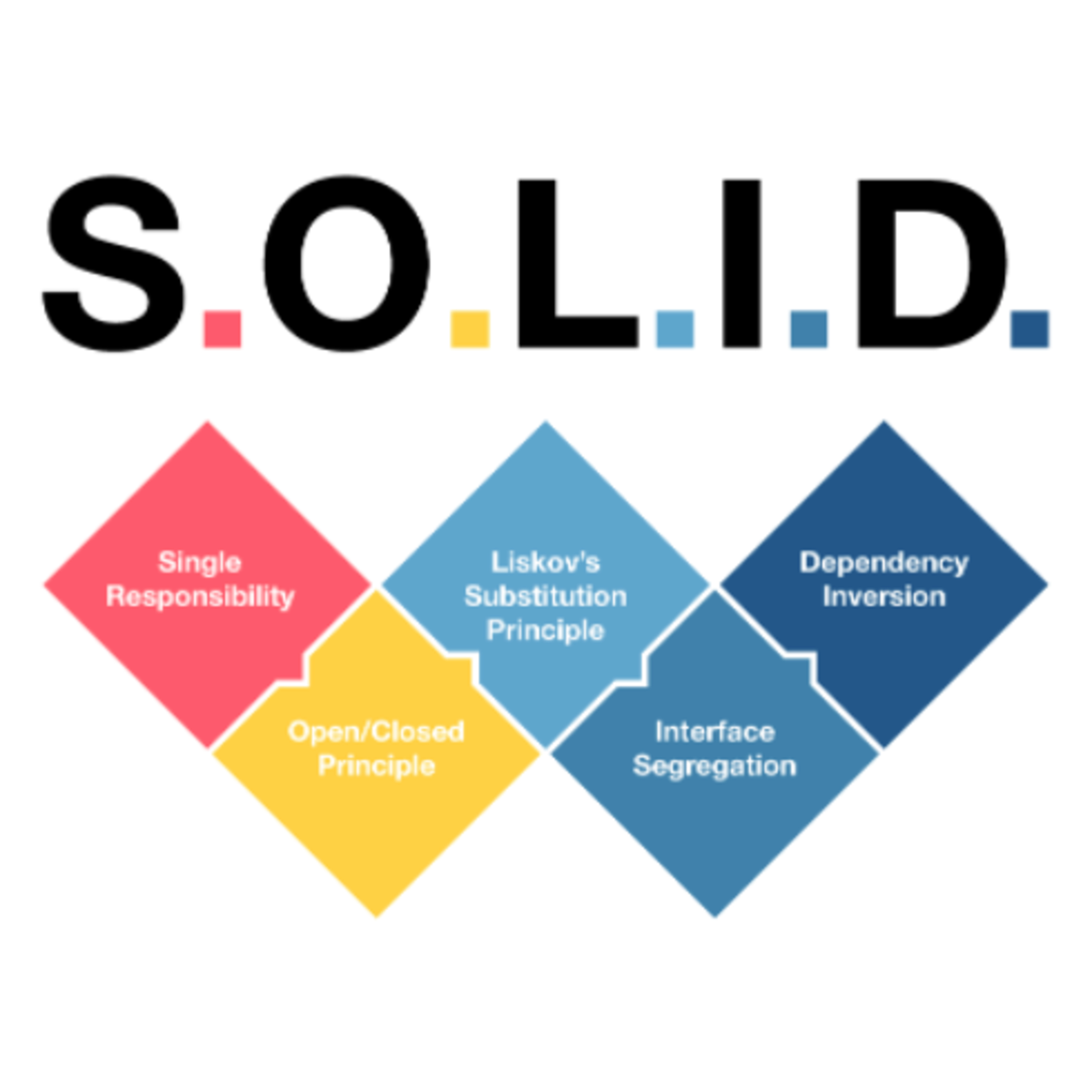
Single Responsibility, Open/Closed, Liskov Substitution, Interface Segregation, and Dependency Inversion are five foundational principles of software design, collectively known as SOLID principles. These principles aim to improve software architecture, ensuring maintainability, scalability, and flexibility in the face of evolving requirements. Below is an overview of each principle: Single Responsibility Principle (SRP): This principle states that a class should have only one reason to change, meaning it should perform a single, well-defined responsibility. By adhering to SRP, developers can create modular code, making it easier to maintain, test, and extend. For example, separating database logic from user interface logic ensures clarity and reduces the likelihood of introducing errors during updates. Open/Closed Principle (OCP): According to OCP, software entities such as classes, modules, or functions should be open for extension but closed for modification. This encourages the use of abstraction and polymorphism, allowing new features to be added without altering existing code. For instance, introducing new payment methods in an e-commerce system can be achieved by implementing additional classes without modifying the core payment processing logic. Liskov Substitution Principle (LSP): LSP asserts that objects of a superclass should be replaceable with objects of its subclasses without affecting the program's behavior. This ensures that inheritance is used appropriately, and subclasses remain compatible with the expectations set by the base class. Violating LSP can lead to unexpected bugs and a fragile codebase. Interface Segregation Principle (ISP): ISP advocates for creating specific and focused interfaces rather than monolithic ones. This prevents classes from being forced to implement methods they don't need. For example, instead of a single Vehicle interface with methods like fly() and drive(), creating separate interfaces like AirVehicle and LandVehicle ensures better design and usability. Dependency Inversion Principle (DIP): DIP emphasizes that high-level modules should not depend on low-level modules; both should depend on abstractions. It also states that abstractions should not depend on details, but details should depend on abstractions. This principle helps in decoupling the system, making it easier to refactor and adapt. Dependency injection frameworks like Spring are often used to implement DIP effectively. By applying these principles, developers can create robust and adaptable systems that meet both current and future requirements. These principles foster clean code practices and reduce the technical debt that often accompanies poorly designed software.
What this episode covers
Single Responsibility, Open/Closed, Liskov Substitution, Interface Segregation, and Dependency Inversion are five foundational principles of software design, collectively known as SOLID principles. These principles aim to improve software architecture, ensuring maintainability, scalability, and flexibility in the face of evolving requirements. Below is an overview of each principle: Single Responsibility Principle (SRP): This principle states that a class should have only one reason to change, meaning it should perform a single, well-defined responsibility. By adhering to SRP, developers can create modular code, making it easier to maintain, test, and extend. For example, separating database logic from user interface logic ensures clarity and reduces the likelihood of introducing errors during updates. Open/Closed Principle (OCP): According to OCP, software entities such as classes, modules, or functions should be open for extension but closed for modification. This encourages the use of abstraction and polymorphism, allowing new features to be added without altering existing code. For instance, introducing new payment methods in an e-commerce system can be achieved by implementing additional classes without modifying the core payment processing logic. Liskov Substitution Principle (LSP): LSP asserts that objects of a superclass should be replaceable with objects of its subclasses without affecting the program's behavior. This ensures that inheritance is used appropriately, and subclasses remain compatible with the expectations set by the base class. Violating LSP can lead to unexpected bugs and a fragile codebase. Interface Segregation Principle (ISP): ISP advocates for creating specific and focused interfaces rather than monolithic ones. This prevents classes from being forced to implement methods they don't need. For example, instead of a single Vehicle interface with methods like fly() and drive(), creating separate interfaces like AirVehicle and LandVehicle ensures better design and usability. Dependency Inversion Principle (DIP): DIP emphasizes that high-level modules should not depend on low-level modules; both should depend on abstractions. It also states that abstractions should not depend on details, but details should depend on abstractions. This principle helps in decoupling the system, making it easier to refactor and adapt. Dependency injection frameworks like Spring are often used to implement DIP effectively. By applying these principles, developers can create robust and adaptable systems that meet both current and future requirements. These principles foster clean code practices and reduce the technical debt that often accompanies poorly designed software.
NOW PLAYING
SOLID Principles: Object-Oriented Design
No transcript for this episode yet
Similar Episodes
Mar 26, 2026 ·1m
Jan 2, 2026 ·47m
Dec 21, 2025 ·46m