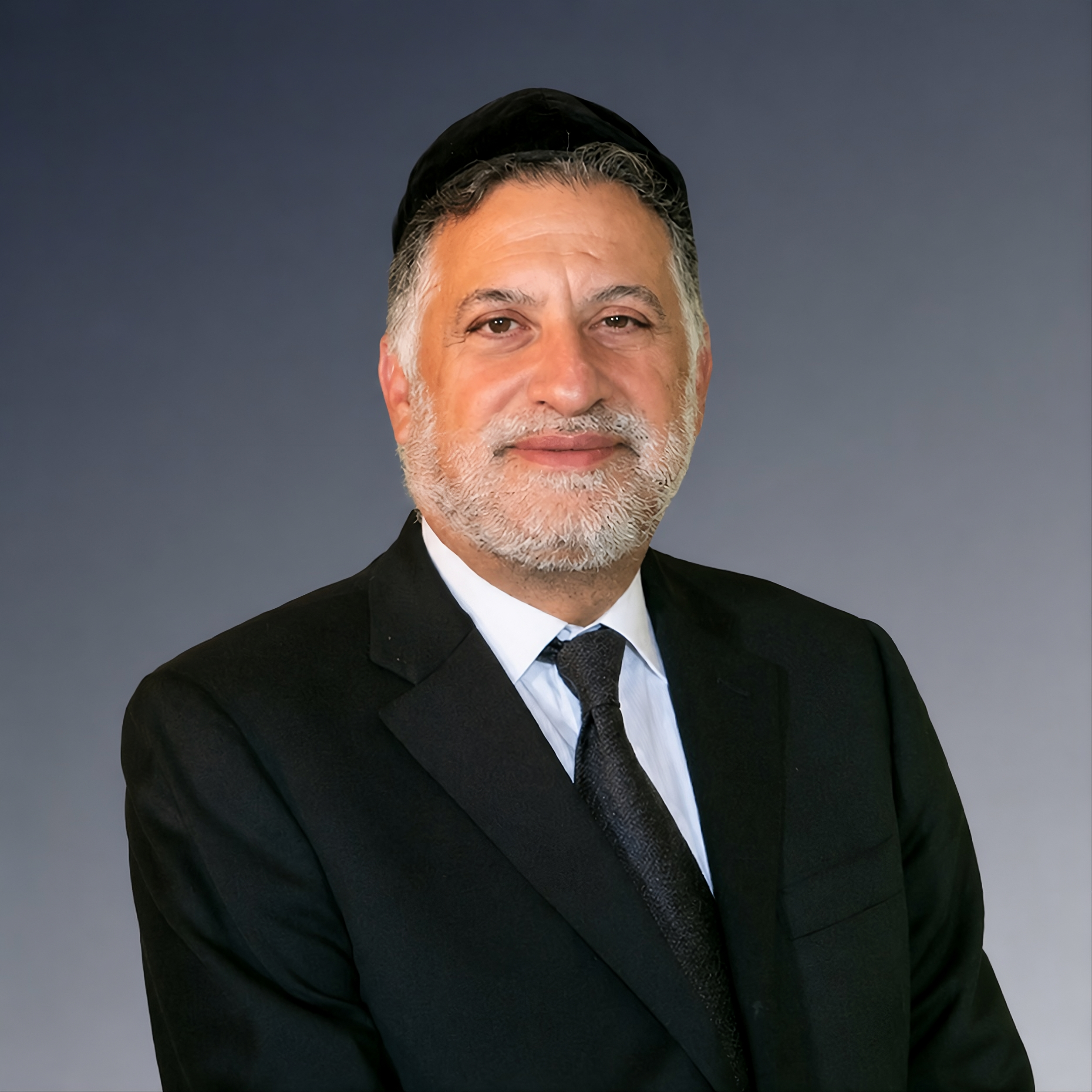
The Correct Text of the Phrase “Ashrenu Ke’she’anu Mashkimim” episode artwork

EPISODE · May 25, 2026

The Correct Text of the Phrase “Ashrenu Ke’she’anu Mashkimim”

from Daily Halacha Podcast - Daily Halacha By Rabbi Eli J. Mansour · host Rabbi Eli Mansour

In the prayer we recite before the Korbanot section each morning, we express our joy over the fact that we arise early each morning to go to the synagogue and study hall, and we remain there in the evenings: "Fortunate are we! How good is our portion, how pleasant is our lot, and how exceedingly beautiful is our heritage. Fortunate are we when we rise early and stay late in synagogues and houses of study." In some editions of the Siddur, the phrase "Ke'she'anahnu Mashkimim" is written without the prefix "Ke" at the beginning. According to this version, we are exclaiming that we are fortunate "She'anahnu Mashkimim" – "that we arise early," not "when we arise early." The Ben Ish Hai (Rav Yosef Haim of Baghdad, 1833-1909) writes that a person should not say, "She'anahnu Mashkimim," because this would be dishonest, as most people do not arise at dawn to go to the synagogue or study hall. We should instead recite "Ke'she'anahnu," expressing that we are fortunate when we succeed in arising early to serve Hashem. Hacham Ovadia Yosef, however, disagreed, noting that the word is written "She'anahnu Mashkimim" in numerous texts of the earlier generations. It is found in Tana De'beh Eliyahu, the Siddur of Rav Amram Gaon, the Tur, the Seder Ha'yom, and several other sources. Hacham Ovadia explains that even one who does not rise early can recite this text – "She'anahnu" – because this word is written in the plural form, and thus refers not specifically to the individual reciting the prayer, but to the Jewish People generally, and many Jews indeed make a point of rising very early. This is comparable to the Vidui Ma'aser declaration that would be made every third and six years of the seven-year Shemitta cycle avowing compliance with the various tithing requirements (Terumot and Ma'aserot). Rashi (to Kiddushin 26a) writes that even a person who does not own land in Eretz Yisrael can make this proclamation, even though it refers to Eretz Yisrael as the land "Asher Natata Lanu" – "that You have given us" (Debarim 26:15), because this means that the land was given to the entire Jewish Nation. Even though the person himself has no portion in the Land of Israel, he can nevertheless speak of it as the land which Hashem has given "us," because the land was given to the entire nation. By contrast, a person without land in Eretz Yisrael cannot make the Mikra Bikkurim proclamation which is declared upon bringing one's first fruits, because this declaration speaks of the land "Asher Natati Li Hashem" – "that You, O G-d, have given me" (Debarim 26:10), in the first-person form. The phrase "She'anahnu Mashkimim" is written in the plural form, and thus refers to all Am Yisrael, and not specifically to the person reciting the prayer. Hence, it is legitimate even for somebody who does not rise early to recite this text. Nevertheless, most of the Siddurim that have become accepted in our community use the text "Ke'she'anahnu Mashkimim."

Daily Halacha - delivered directly to your computer and/or mobile device.

NOW PLAYING

The Correct Text of the Phrase “Ashrenu Ke’she’anu Mashkimim”

0:00 0:00

No transcript for this episode yet

We transcribe on demand. Request one and we'll notify you when it's ready — usually under 10 minutes.

MG Show MG Show The MG Show, hosted by Jeffrey Pedersen and Shannon Townsend, is a leading alternative media platform dedicated to uncovering the truth behind today’s most pressing political issues. Launched in 2019, the show has grown exponentially, offering unfiltered insights, comprehensive research, and real-time analysis. With a commitment to independent journalism and factual integrity, the MG Show empowers its audience with knowledge and encourages active participation in the political discourse. That Hoarder: Overcome Compulsive Hoarding That Hoarder Hoarding disorder is stigmatised and people who hoard feel vast amounts of shame. This podcast began life as an audio diary, an anonymous outlet for somebody with this weird condition. That Hoarder speaks about her experiences living with compulsive hoarding, she interviews therapists, academics, researchers, children of hoarders, professional organisers and influencers, and she shares insight and tips for others with the problem. Listened to by people who hoard as well as those who love them and those who work with them, Overcome Compulsive Hoarding with That Hoarder aims to shatter the stigma, share the truth and speak openly and honestly to improve lives. Flottengeflüster ALD Automotive Österreich | LeasePlan Beim Flottengeflüster powered by ALD Automotive | LeasePlan präsentieren Jörg Janik und Peter Gutenbrunner alle zwei Wochen spannende Informationen rund um das Thema nachhaltige Mobilität. Beide beschäftigen sich schon lange mit der Thematik und bringen umfangreiches Fachwissen mit. Sollten sie aber doch einmal nicht weiter wissen, werden unsere Expert*innen hinzugezogen, die ihnen gerne mit Rat und Tat zur Seite stehen. The Small Business Startup School – Business Notes | Financial Literacy | Retail Psychology – For Professionals & Entrepreneurs The Small Business Startup School Inc. Starting or buying a small business? While personal circumstances may vary, business patterns remain timeless. On The Small Business Startup School, we explore strategies, insights, and practical solutions to help entrepreneurs confidently navigate their journey.Hosted by Ola Williams—a retail entrepreneur, fintech founder, and financial coach with over two decades of experience—this podcast marries financial awareness and retail psychology with optimism to deliver actionable takeaways.Join us to learn, grow, and connect as we uncover the keys to business success.Let’s continue to learn together and be encouraged to keep on connecting!

Frequently Asked Questions

How long is this episode of Daily Halacha Podcast - Daily Halacha By Rabbi Eli J. Mansour?

Episode duration information is not available.

When was this Daily Halacha Podcast - Daily Halacha By Rabbi Eli J. Mansour episode published?

This episode was published on May 25, 2026.

What is this episode about?

In the prayer we recite before the Korbanot section each morning, we express our joy over the fact that we arise early each morning to go to the synagogue and study hall, and we remain there in the evenings: "Fortunate are we! How good is our...

Can I download this Daily Halacha Podcast - Daily Halacha By Rabbi Eli J. Mansour episode?

Yes, you can download this episode by clicking the download button on the episode player, or subscribe to the podcast in your preferred podcast app for automatic downloads.
URL copied to clipboard!