
EPISODE · Mar 24, 2026 · 17 MIN
Understanding Triggers: What They Really Mean and How to Work With Them
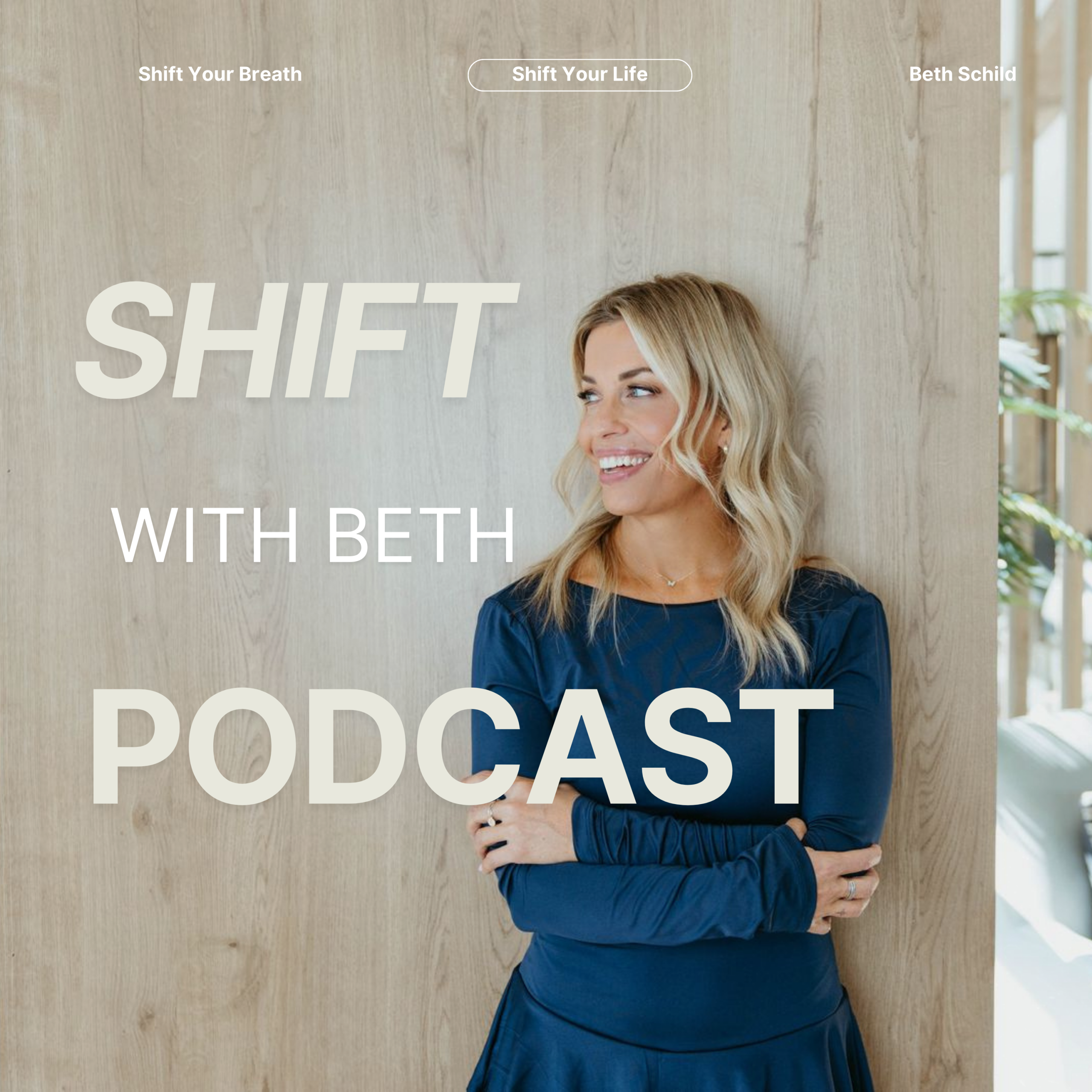
from Shift With Beth · host Beth Schild
The word triggered gets used all the time, but most people do not actually understand what it means. They just know it feels uncomfortable, overwhelming, and often bigger than the moment. So let’s slow it down. A trigger is when something happening in the present moment activates something unresolved from your past inside your nervous system. It is not just a thought. It is a body response. Your chest tightens.Your throat constricts.Your stomach drops.Your jaw clenches.Your mind starts scanning for danger. And the important part is this: the current situation may not actually be unsafe, but it feels familiar to something that once was. That changes everything. Triggers Are Felt In The Body First One of the most important things to understand is that triggers happen in the body before the mind creates the story. Your nervous system reacts first. Then your thoughts rush in to explain it. That is why your reaction can feel immediate. Maybe your boss sends a message that says, “Can we talk later?” and suddenly your body goes into alarm. Nothing has even happened yet, but your system is already bracing. Your mind starts filling in the blanks. This is not just about the present moment. It is about what your nervous system remembers. Why Your Reaction Feels Bigger Than The Moment A trigger often means a younger part of you has been activated. Not your grounded adult self. A past version of you. A younger version who learned to people-please, shut down, overthink, brace, or react in order to feel safe. So when your reaction feels bigger than the current moment, it usually is not just about what is happening right now. It is about what this moment reminds your body of. Instead of asking, What is wrong with me, a more helpful question is: What is being activated in me right now? Why Fighting The Trigger Makes It Worse Most people have never been taught how to be with a trigger. They are taught to suppress it, react from it, or judge themselves for having it. But when you brace against the bracing, you often intensify the trigger. A more supportive approach is to acknowledge what is happening and gently signal safety to your nervous system. If your chest feels tight, let your body know it is okay to feel that. Then bring your attention to another part of your body that feels neutral or safe, like your hands, your legs, or your feet. You are not telling your body that something is wrong. You are telling it, I can feel this and still be safe. And if the activation feels too strong, orient outward. Notice what you can see. Listen for what you can hear. Touch something grounding. Triggers pull you emotionally into the past. Grounding brings you physically back into the present. A Simple Way To Work With Triggers Beth teaches a simple three-step process: Notice.Get curious.Regulate before responding. Notice that something in you is activated. Get curious about what story, belief, or younger part may be coming online. Then regulate before reacting. Take a breath. Ground. Pause. Give your nervous system support before you respond. The goal is not to never be triggered. You are human. You have a nervous system. You have lived experiences. The goal is to understand what is happening when you are, so you can stay with yourself instead of abandoning yourself in the moment. That is where self-trust begins to rebuild.
What this episode covers
The word triggered gets used all the time, but most people do not actually understand what it means. They just know it feels uncomfortable, overwhelming, and often bigger than the moment. So let’s slow it down. A trigger is when something happening in the present moment activates something unresolved from your past inside your nervous system. It is not just a thought. It is a body response. Your chest tightens.Your throat constricts.Your stomach drops.Your jaw clenches.Your mind starts scanning for danger. And the important part is this: the current situation may not actually be unsafe, but it feels familiar to something that once was. That changes everything. Triggers Are Felt In The Body First One of the most important things to understand is that triggers happen in the body before the mind creates the story. Your nervous system reacts first. Then your thoughts rush in to explain it. That is why your reaction can feel immediate. Maybe your boss sends a message that says, “Can we talk later?” and suddenly your body goes into alarm. Nothing has even happened yet, but your system is already bracing. Your mind starts filling in the blanks. This is not just about the present moment. It is about what your nervous system remembers. Why Your Reaction Feels Bigger Than The Moment A trigger often means a younger part of you has been activated. Not your grounded adult self. A past version of you. A younger version who learned to people-please, shut down, overthink, brace, or react in order to feel safe. So when your reaction feels bigger than the current moment, it usually is not just about what is happening right now. It is about what this moment reminds your body of. Instead of asking, What is wrong with me, a more helpful question is: What is being activated in me right now? Why Fighting The Trigger Makes It Worse Most people have never been taught how to be with a trigger. They are taught to suppress it, react from it, or judge themselves for having it. But when you brace against the bracing, you often intensify the trigger. A more supportive approach is to acknowledge what is happening and gently signal safety to your nervous system. If your chest feels tight, let your body know it is okay to feel that. Then bring your attention to another part of your body that feels neutral or safe, like your hands, your legs, or your feet. You are not telling your body that something is wrong. You are telling it, I can feel this and still be safe. And if the activation feels too strong, orient outward. Notice what you can see. Listen for what you can hear. Touch something grounding. Triggers pull you emotionally into the past. Grounding brings you physically back into the present. A Simple Way To Work With Triggers Beth teaches a simple three-step process: Notice.Get curious.Regulate before responding. Notice that something in you is activated. Get curious about what story, belief, or younger part may be coming online. Then regulate before reacting. Take a breath. Ground. Pause. Give your nervous system support before you respond. The goal is not to never be triggered. You are human. You have a nervous system. You have lived experiences. The goal is to understand what is happening when you are, so you can stay with yourself instead of abandoning yourself in the moment. That is where self-trust begins to rebuild.
NOW PLAYING
Understanding Triggers: What They Really Mean and How to Work With Them
No transcript for this episode yet
Similar Episodes
Mar 26, 2026 ·1m
Jan 2, 2026 ·47m
Dec 21, 2025 ·46m