
EPISODE · Jan 28, 2017
Why Do I Have PMS? | PYHP 04
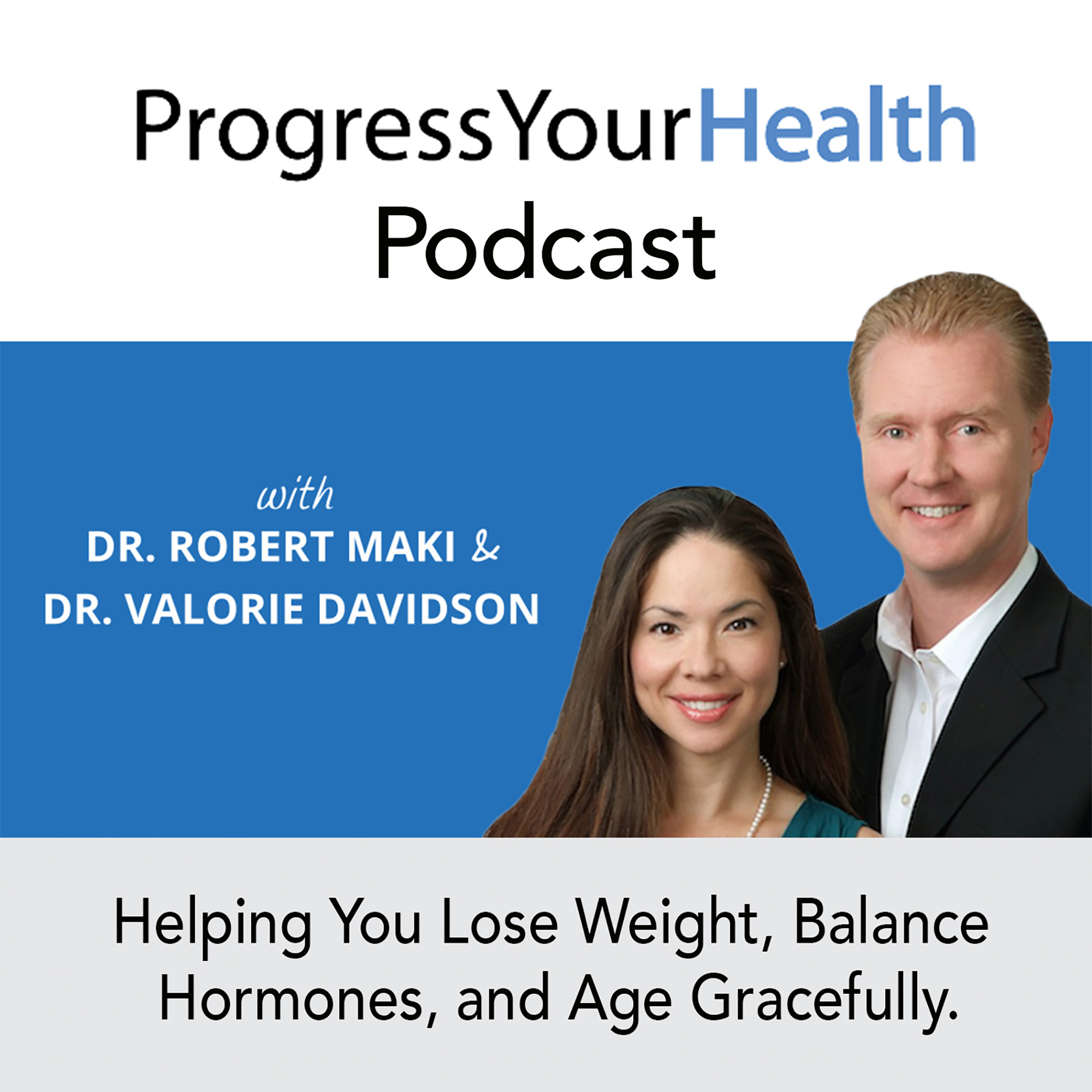
from Progress Your Health Podcast · host Dr Valorie Davidson and Dr Robert Maki
A very common and obvious indication of a hormone imbalance is Premenstrual Syndrome. PMS is not actually a disease, but instead a collection of several physical and emotional type of symptoms that a woman can experience prior to the start of her period. For many women, the symptoms of PMS can begin 7 to 14 days before the period starts and range widely in severity from woman to woman. Also, it is typical for a woman get some relief and feel slightly better once menstruation starts. Most Common PMS Symptoms: Irritability / anger Mood swings Acne Water retention Bloating Insomnia (waking in the middle of the night for hours) Low libido Breast tenderness Cramping Heavy periods Cravings for refined carbohydrates and sweets. Conventional treatments for PMS are birth control pills and often times the use of antidepressant medications. These are not ideal treatments and are actually bandaids, not to mention the side effects from these medications. The goal is to balance the hormones, specifically Progesterone Insufficiency. PMS is usually the effect of the progesterone not rising sufficiently or it is dropping too fast in the female cycle. PMS is not usually related to Estrogen Dominance, as in the estrogen is too high. Most females have sufficient levels of estrogen, it is the lack of progesterone levels that cause the PMS. If a female does have high estrogen levels being produced in Estrogen Dominance, then she is usually not as irritable but more sad and weepy. The best way to test for PMS is to get the subjective symptoms and do blood work on day 21. Day 21 of the cycle is when the progesterone is going to be the highest in her cycle. That will give us some objective data on her level or lack of progesterone. Balancing the hormones to alleviate PMS can be prescriptions for progesterone for the appropriate individual, lifestyle changes, dietary changes, thyroid and adrenal optimizing and supplementation. If you have questions, please feel free to leave a comment below, or you can contact us directly. The post Why Do I Have PMS? | PYHP 004 appeared first on .
What this episode covers
A very common and obvious indication of a hormone imbalance is Premenstrual Syndrome. PMS is not actually a disease, but instead a collection of several physical and emotional type of symptoms that a woman can experience prior to the start of her period. For many women, the symptoms of PMS can begin 7 to 14 days before the period starts and range widely in severity from woman to woman. Also, it is typical for a woman get some relief and feel slightly better once menstruation starts. Most Common PMS Symptoms: Irritability / anger Mood swings Acne Water retention Bloating Insomnia (waking in the middle of the night for hours) Low libido Breast tenderness Cramping Heavy periods Cravings for refined carbohydrates and sweets. Conventional treatments for PMS are birth control pills and often times the use of antidepressant medications. These are not ideal treatments and are actually bandaids, not to mention the side effects from these medications. The goal is to balance the hormones, specifically Progesterone Insufficiency. PMS is usually the effect of the progesterone not rising sufficiently or it is dropping too fast in the female cycle. PMS is not usually related to Estrogen Dominance, as in the estrogen is too high. Most females have sufficient levels of estrogen, it is the lack of progesterone levels that cause the PMS. If a female does have high estrogen levels being produced in Estrogen Dominance, then she is usually not as irritable but more sad and weepy. The best way to test for PMS is to get the subjective symptoms and do blood work on day 21. Day 21 of the cycle is when the progesterone is going to be the highest in her cycle. That will give us some objective data on her level or lack of progesterone. Balancing the hormones to alleviate PMS can be prescriptions for progesterone for the appropriate individual, lifestyle changes, dietary changes, thyroid and adrenal optimizing and supplementation. If you have questions, please feel free to leave a comment below, or you can contact us directly. The post Why Do I Have PMS? | PYHP 004 appeared first on .
NOW PLAYING
Why Do I Have PMS? | PYHP 04
No transcript for this episode yet
Similar Episodes
Mar 26, 2026 ·1m
Mar 19, 2026 ·34m
Feb 18, 2026 ·11m
Feb 11, 2026 ·45m