
PODCAST · society
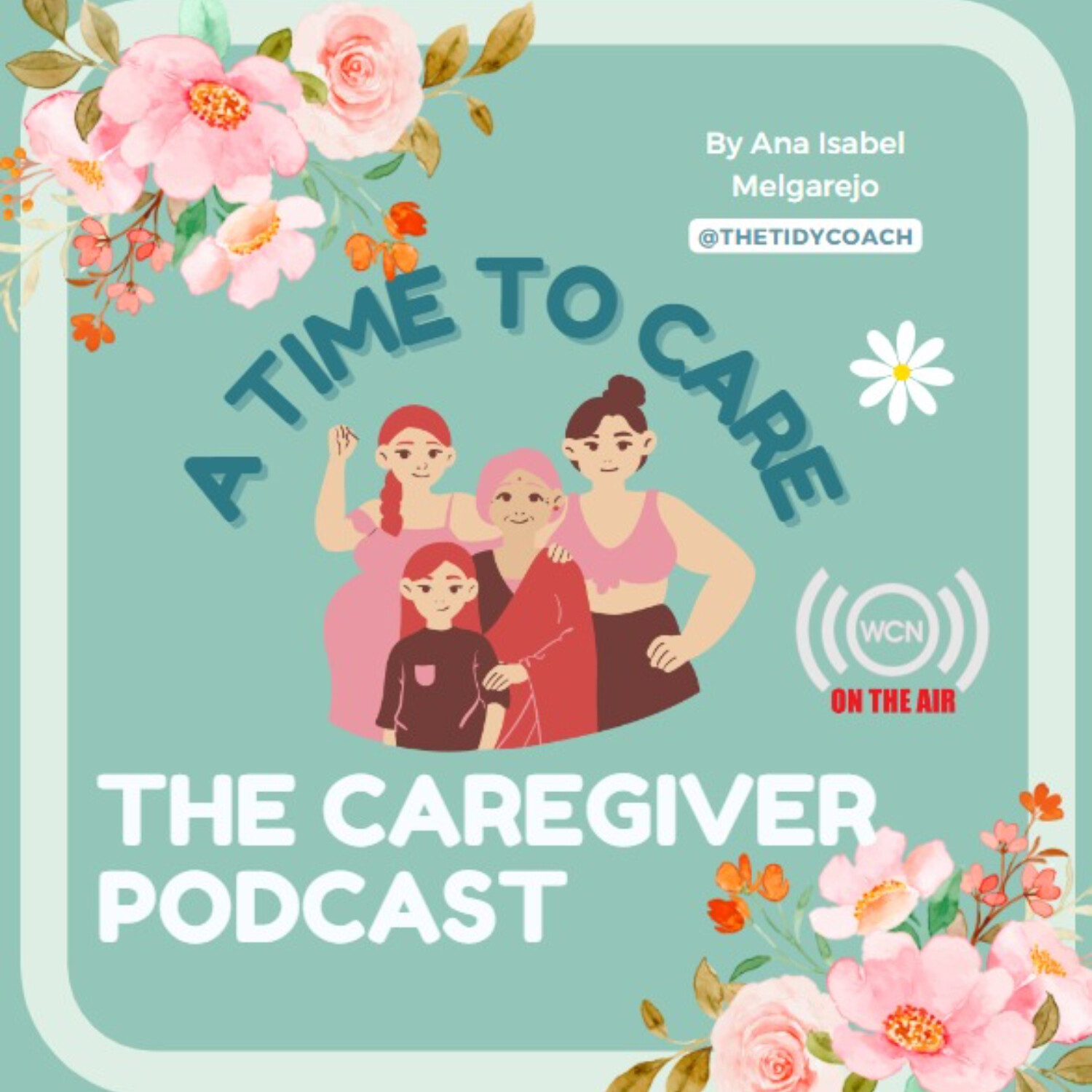
A Time to Care: The Caregivers Podcast
by Isabel Melgarejo on The Whole Care Network
I’m Isabel Melgarejo, and I was raised never to talk about the uncomfortable things in life and to put myself after everyone else’s needs (just like any other woman I know). In college, after Dad’s passing, I had to change all my beliefs. I had to talk about death, about my mom’s future, and I had to ask for a LOT of favors.After connecting with many caregivers when I moved to Texas and remembering one of the toughest seasons in my life, I created a program to help caregivers navigate these very uncomfortable conversations and help them through their particular journeys with their loved ones. In this podcast, I want to share advice on how to prioritize your mental health, how to have those difficult conversations, and how to talk you out of feeling guilty and overwhelmed.
-
146
What Every Family Caregiver Should Know Before a Hospital Stay with Dr. Monique Nugent
Hospital stays can feel overwhelming, but preparation can make all the difference. In this episode, Isabel speaks with Dr. Monique Nugent about how caregivers can confidently navigate the hospital experience, communicate effectively with healthcare teams, prepare for discharge, and build realistic care plans that support both the patient and themselves. A practical and compassionate conversation for anyone caring for an aging parent, spouse, or loved one with complex medical needs.
-
145
Why Medicare Isn't the Whole Picture | Natalie Contorno on Planning for the Future
When families begin planning for the future, they often receive information one piece at a time. Medicare from one source. Social Security from another. Financial planning somewhere else. In this episode, Isabel Melgarejo talks with Natalie Contorno about bringing those pieces together to help families see the bigger picture. Together they explore what Medicare covers, why long-term care planning is essential, how Social Security fits into the conversation, and why building relationships with trusted professionals can bring clarity and peace of mind. If you're preparing for retirement, supporting aging parents, or simply want to make thoughtful decisions before a crisis happens, this episode will help you take the next step with greater confidence.
-
144
Finding Hope Through Life's Hardest Seasons | Rebecca (Becky) Galli on Resilience & Caregiving
What if the hardest moments of your life could become the very experiences that help you care for others with greater compassion? In this episode, Isabel Melgarejo sits down with author Rebecca (Becky) Galli to discuss caregiving, grief, resilience, journaling, and the daily practices that help us keep moving forward—even when life doesn't go as planned. Together they share practical tools for processing emotions, finding peace during uncertainty, building a healthy support system, and discovering hope one day at a time. Whether you're caring for an aging parent, a spouse, a child with special needs, or simply navigating life's unexpected challenges, this conversation will remind you that every experience can become part of your healing journey.
-
143
Your Body Is Speaking—Are You Listening? | Finding Healing Beyond the Symptoms with Gail Blair
What if your symptoms are trying to tell you something? In this episode, Isabel Melgarejo talks with Gail Blair about the powerful connection between mind, body, and spirit. Gail shares how learning to listen to your body's signals, caring for yourself as a caregiver, and embracing purpose, movement, and community can lead to greater health, healing, and hope.
-
142
The One Tool Every Family Caregiver Should Try: Personalized Music with Dan Cohen
Can music reconnect someone with memories that seem lost? In this episode, Isabel Melgarejo talks with Dan Cohen, founder of the Music & Memory movement, about how personalized music can reduce anxiety, spark meaningful memories, ease caregiving challenges, and bring moments of joy to people living with dementia. Discover simple, practical ways to use music as a powerful tool for connection, comfort, and hope—for both caregivers and their loved ones.
-
141
When Is It Time to Stop Driving? Walking Through One of Caregiving’s Hardest Decisions with Judy M. Romano
When is it time to stop driving? For many older adults, driving symbolizes independence and freedom. For caregivers, concerns about driving safety can bring uncertainty, worry, and difficult conversations. In this episode, occupational therapist and driver evaluation specialist Judy Romano shares practical guidance for recognizing warning signs, approaching conversations with compassion, and helping loved ones maintain dignity and quality of life while prioritizing safety. A thoughtful and encouraging resource for anyone caring for aging parents or supporting a loved one through changing abilities.
-
140
Autism, Family Support & Sustainable Care with Teresa Lyons
Autism caregiving can place deep emotional and practical demands on families. In this gentle conversation, Teresa Lyons, PhD and Isabel Melgarejo explore family dynamics, caregiver burnout, multigenerational support, and the importance of sharing care with steadiness and compassion.
-
139
When Caregiving Feels Heavy: Grace, Resilience, and Believing in Yourself | with Joseph Brooks
Sometimes caregiving is not only about caring for someone else—it is about learning how to care for the way you speak to yourself. In this powerful and heartfelt episode, Isabel welcomes Joseph Brooks, motivational speaker, caregiver, and resilience leader, for a conversation about grief, difficult decisions, perfectionism, and the daily practice of self-belief. After growing up in a violent neighborhood, losing both parents at a young age, caring for his wife through years of severe illness, and eventually facing the heartbreaking decision to remove life support, Joseph brings a perspective rooted in lived experience, faith, service, and grace. Together, Isabel and Joseph explore: how to make emotionally loaded decisionswhy caregivers must release the need to be perfectthe healing power of serving from presence instead of pressurehow to challenge negative self-talkrebuilding confidence after losstaking life one day at a timecreating a daily practice of truth, grace, and resilience This conversation offers gentle encouragement for any caregiver carrying guilt, fear, grief, or the weight of impossible choices. A reminder for your heart: You do not need to be perfect. You only need to keep showing up with grace.
-
138
How Horses Bring Joy, Movement, and Connection in Dementia Care | with Dr. Beth Fields
What if care could also look like fresh air, nature, and the gentle rhythm of a horse? In this heartfelt episode, Isabel speaks with Dr. Beth Fields about Riding in the Moment, an adaptive horseback riding program created for adults living with dementia. Together, they explore how horses, movement, and community can support joy, connection, balance, long-term memory, and moments of relief for caregivers as well. This is a hopeful conversation about the many ways care can remain meaningful, human, and deeply connected to what brings us alive.
-
137
Early-Onset Alzheimer’s Caregiving, Identity Loss & Everyday Joy | Suzy McNamara
How does caregiving change who we become? In this deeply moving conversation, Isabel speaks with author Suzy McNamara about caring for her husband through early-onset Alzheimer’s, the grief of watching someone change, and the importance of finding joy in the present moment. This episode explores identity shifts, caregiver isolation, allowing others to help, and learning to honor yourself through the caregiving journey. A gentle, honest conversation for anyone navigating long-term care, grief, or the emotional weight of loving someone through illness.
-
136
AI and Caregiving: Staying Human in a Digital World with Dr. Jeremy Holloway
AI is becoming part of everyday life, and for caregivers, that can bring both curiosity and quiet uncertainty. In this conversation, Isabel Melgarejo and Dr. Jeremy Holloway explore what it means to use AI in a way that feels supportive—without losing the human presence that caregiving requires. Together, they reflect on the balance between receiving help and staying grounded…. between using tools and holding on to your own judgment, intuition, and care. This is not about getting it right. It is about finding a way to let AI sit beside you—without letting it take your place. As you listen, you may begin to notice where AI could gently support you… and where your presence, your voice, and your understanding remain essential. There is no pressure here to use everything. Only an invitation to stay connected to what matters most.
-
135
Using Home Equity in Retirement with Kristy Osborne
Reverse mortgages are often misunderstood — and that fear can keep families from exploring helpful options. In this episode of A Time to Care, Isabel talks with Kristy Osborne, a mortgage and reverse mortgage specialist, about what these loans really are, who they’re for, and how they can support caregivers and retirees. They discuss common myths, planning strategies, and real stories of people using home equity to create more peace of mind in retirement. This is an educational conversation to help you make informed, confident choices. To contact Kristy: kristyosborn.com
-
134
A Softer Way to Care with Amy Temperley
Caregivers are always giving — but who takes care of them? In this episode of A Time to Care: The Caregivers Podcast, Isabel sits down with Amy Temperley, founder of Aging is Cool, to talk about movement, rest, purpose, and finding joy even in the hardest caregiving seasons. They explore: ✨ Why small movement matters more than big workouts ✨ How rest is not laziness — it’s survival ✨ Ways caregivers can protect their energy ✨ How to find meaning during grief and burnout ✨ Simple daily practices that support emotional health If you’re tired, overwhelmed, or feeling invisible in your caregiving role — this conversation is for you. You don’t have to do this alone.
-
133
Boundaries, Balance & Self-Care for Women Caregivers with Jessica Rich
What if success didn’t have to cost your peace? In this episode of A Time to Care: The Caregivers Podcast, Isabel sits down with wellness coach Jessica Rich to talk about something many caregivers silently struggle with: burnout, pressure, and the belief that we must always carry everyone else first. Jessica shares her journey from senior corporate leadership to redefining success on her own terms — walking away from burnout, setting boundaries, and creating a life rooted in harmony instead of hustle. Together, we explore: Why high-achieving women burn out How to set boundaries without guilt (even with family) What “capacity” really means The power of rest and disconnectionHow travel and new experiences support emotional healing Why caregivers deserve support too If you’re tired of being the strong one all the time, this conversation will feel like permission to breathe. You don’t have to carry everything alone. To contact Jessica: Coaching Website: www.jessicarichcoaching.com Travel Website: icmtravelexperiences.com Instagram: @coachjessicarich
-
132
From Caregiver to Creator: Maureen Jirikowic on Identity, Style, and Healing
In this heartfelt episode, Isabel sits down with Maureen Jirikowic, founder of Miracles of Beauty, to explore what it really means to rediscover yourself after caregiving, grief, and major life transitions. Drawing from her journey as a caregiver to her late husband, Maureen shares how style, self-care, and small daily choices can become powerful tools for healing, confidence, and renewal. This conversation is an invitation for caregivers and women in transition to reconnect with who they are — gently, intentionally, and with compassion.
-
131
Medicare Without the Confusion: What Caregivers Need to Know with Kandice Hall
In this episode of A Time to Care: The Caregivers Podcast, Isabel Melgarejo sits down with Medicare expert Kandice Hall to unpack one of the most confusing topics caregivers and families face: Medicare. Kandice shares her personal journey into healthcare education and explains why Medicare is not “free,” how costly penalties can happen without proper guidance, and why timing matters when enrolling. Together, they clarify common misconceptions, upcoming changes, and the importance of having a trusted agent who educates rather than sells. This conversation is a compassionate, practical guide for caregivers, families, and anyone approaching Medicare—reminding us that you don’t have to navigate this complex system alone.
-
130
Surviving the Sandwich Generation: A Conversation with Caregiver Advocate Paul Wynn
In this heartfelt episode of A Time to Care: The Caregivers Podcast, host Isabel Melgarejo speaks with caregiver advocate and author Paul Wynn about the emotional and practical realities of caring for multiple loved ones while raising a family. Paul shares his personal story of supporting both his mother and uncle through Alzheimer’s, the challenges of being a working caregiver in the sandwich generation, and the essential role of connection, support networks, and flexible workplaces. Together, they explore how caregivers can bring families together, use small moments for self-care, and find community—even when they feel alone.
-
129
How Design Shapes Our Well-Being — with Janet Elizabeth Roche
“Design isn’t just about beauty — it’s about dignity.” This week, Janet Elizabeth Roche shares how inclusive and trauma-informed design helps people feel seen, heard, and welcomed. If you care for someone, or you need a space that supports your own emotional well-being, this episode will inspire you. If you have questions about any of this, make sure to listen to the episode all the way through. What inclusive design really meansWhy knowing the population mattersHow architecture can confuse usLight and sound are keyColor isn’t universalSmall changes, big impactAgency healsWhere to start todayPlay matters at any age ======================================================================== Stay Connected • Podcast Website: A Time to Care: The Caregivers Podcast • Follow us on Instagram: @tumcoeur • Download our Free Guide: How to Navigate Difficult Conversations • Join the Tumcoeur Community: Support, tools, and a safe space for caregivers
-
128
Wills vs. Trusts: What Every Family Should Know with Arma Fitzgerald
Estate planning doesn’t have to feel overwhelming. In this episode of A Time to Care: The Caregivers Podcast, Isabel sits down with estate planning attorney Arma Fitzgerald to break down wills, trusts, probate, and how planning ahead can bring peace and clarity to families. This gentle, practical conversation will help you understand what steps truly matter — so you can protect your loved ones and yourself. If you have questions about any of this, make sure to listen to the episode all the way through. The difference between a will and a trust (and which one might fit your situation)Common mistakes families make when planning — and how to avoid themWhat probate is and why preparation mattersHow early planning reduces conflict, stress, and confusionSimple steps to get your documents and decisions in order ======================================================================== Stay Connected • Podcast Website: A Time to Care: The Caregivers Podcast • Follow us on Instagram: @tumcoeur • Download our Free Guide: How to Navigate Difficult Conversations • Join the Tumcoeur Community: Support, tools, and a safe space for caregivers
-
127
Avoid Costly Mistakes: Mark Kashar’s Advice for Families & Caregivers
Welcome to A Time to Care: The Caregivers Podcast! In this episode, Isabel Melgarejo sits down with financial advisor Mark Kashar to talk about the importance of insurance, long-term care planning, and how to protect your loved ones with smart financial decisions. Learn why early planning matters, what insurance companies look for, and how to avoid common — and costly — mistakes caregivers face. Perfect for anyone wanting clarity, confidence, and peace of mind.
-
126
Recognizing Burnout Before It Hits: Advice from Dr. Laura Paredes
In this episode, Isabel Melgarejo talks with Dr. Laura Paredes, a geriatrician, about one of the biggest challenges caregivers face — burnout. Together, they explore why it happens, how it affects both caregivers and their loved ones, and what can be done to prevent it. Dr. Paredes shares real-life stories from her patients, practical tips for self-care, and the importance of recognizing our own limits. A heartfelt and eye-opening conversation for anyone who gives care with love but sometimes forgets to care for themselves.
-
125
New Horizons: Preparing for What’s Ahead
In this short update, host Isabel Melgarejo shares exciting news with the A Time to Care community! As the podcast celebrates over 100 episodes, Isabel talks about what’s ahead — including new projects, resources, and ways to support caregivers. She also announces a small change: new episodes will now be released every other week to make space for upcoming initiatives designed to help you thrive in your caregiving journey. ✨ Stay connected and don’t miss what’s coming next — subscribe to the newsletter and get your free guide to having difficult conversations by registering in our page.
-
124
When Care Meets Innovation: Hailey How’s Journey
In this inspiring episode of A Time to Care: The Caregivers Podcast, Isabel Melgarejo talks with Hailey How, co-founder of CareCorgi, an AI-driven caregiving platform designed to make family caregiving simpler and more connected. Hailey shares her deeply personal caregiving story that inspired her to create a tool to support the 53 million caregivers across the U.S. Together, they explore the emotional realities of caregiving—from family communication challenges to the need for personalized care plans that honor culture and family dynamics. Hailey also offers a glimpse into how technology and empathy can work hand in hand to ease the caregiving journey. A moving and insightful conversation about innovation, compassion, and the power of understanding what caregivers truly need.
-
123
No Country for Old People: The Power of Love, Laughter, and Advocacy in Elder Care with Susie Singer
In this heartfelt and eye-opening episode of A Time to Care: The Caregivers Podcast, Isabel Melgarejo talks with filmmaker, actress, and elder care advocate Susie Singer Carter. What begins as a warm, humorous conversation about Susie’s caregiving journey with her mother evolves into a powerful discussion about ageism, dementia, and the broken long-term care system. Susie shares how her personal experience inspired her short film My Mom and the Girl and her documentary No Country for Old People, exposing the deep issues in elder care while championing dignity, love, and laughter through the challenges of caregiving. Together, Isabel and Susie explore how compassion, humor, and advocacy can transform the way we care for our elders — and how communities can come together to create real change.
-
122
The Calm That Comes from Being Ready with Lynn Lambrecht
In this insightful episode of A Time to Care: The Caregivers Podcast, host Isabel Melgarejo welcomes her friend and special guest, Lynn Lambrecht, founder of The Living Planner. Drawing from her experience in aviation emergency response and years of helping families prepare for life’s unexpected moments, Lynn shares why planning ahead is an act of love — not fear. Together, they explore how to make practical, thoughtful choices about important documents, caregiving, and end-of-life wishes, and why honest conversations today can ease tomorrow’s burdens. The Living Planner Social Media Accounts Website: https://thelivingplanner.com Online Courses: https://courses.thelivingplanner.com/home Twitter/X: @living_planner https://twitter.com/living_planner Facebook: https://www.facebook.com/TheLivingPlanner LinkedIn: https://www.linkedin.com/in/lynnlambrecht Instagram: https://www.instagram.com/thelivingplanner/
-
121
Protecting Loved Ones Beyond Numbers with Ryan Botzong
In this episode of A Time to Care: The Caregivers Podcast, Isabel Melgarejo sits down with financial advisor Ryan Botzong to explore the often-overlooked side of financial planning: managing risks, protecting loved ones, and making tough conversations easier. From life insurance and long-term care to aligning your plan with what truly matters, Ryan shares practical advice and personal insights on how to approach these challenging topics with care, clarity, and compassion. This episode is perfect for anyone looking to create a plan that protects both their family and their peace of mind.
-
120
Travel as Medicine: Restoring the Caregiver’s Spirit with Dr. Clay Lowder
In this episode of A Time to Care: The Caregivers Podcast, Isabel welcomes Dr. Clay Lowder, family physician and founder of the Winners Travel Foundation. Together they explore the realities of caregiver syndrome, the importance of rest, and how travel can renew body, mind, and spirit. Dr. Louder shares his journey from medicine to creating life-changing retreats and free travel opportunities for caregivers, reminding us all that renewal is possible and community makes the journey lighter.
-
119
Finding Your Voice in Healthcare with Claudia Cometta
In this episode of A Time to Care: The Caregivers Podcast, Isabel Melgarejo welcomes Claudia Cometta, a pharmacist who transformed her own family’s health crisis into a mission of hope and advocacy. Claudia shares how her father’s illness opened her eyes to the struggles patients face and inspired her to guide others with compassion, clarity, and courage. Together, they explore how to reclaim your voice in healthcare, set meaningful goals for well-being, and embrace a new paradigm where patients and families are empowered to shape their own health journey.
-
118
Finding Beauty in Life’s Final Chapter with Martha Jo Atkins
Why do we fear death—and how can we see its beauty? In this heartfelt episode, host Isabel Melgarejo speaks with death doula Martha Jo Atkins about end-of-life care, breaking taboos, and finding peace in life’s hardest goodbyes.
-
117
What if the secret to abundance is simply choosing joy today?
In this episode, Isabel shares how a simple shift in mindset—choosing love, care, joy, and abundance—can transform everyday life. From self-talk to daily habits, she shows how to replace guilt with gentleness and discover the abundance already around us. A gentle reminder that you deserve more kindness, more joy, and more peace—starting with yourself.
-
116
What if the biggest challenge in caregiving isn’t age, but ageism? An Interview to Dr Mara Karpel
In this episode of Time to Care Like Caregivers, Isabel Melgarejo sits down with psychologist, author, and podcast host Dr. Mara Karpel to explore the hidden impact of ageism in healthcare and caregiving. From her personal journey advocating for her mother to her upcoming book on navigating an ageist system, Dr. Karpel shares insights, tools, and hope for caregivers who often feel unheard. A powerful conversation about dignity, advocacy, and finding passion at any age
-
115
Hobbies: Your Secret Care Tool
In this episode of A Time to Care: The Caregivers Podcast, Isabel Melgarejo reminds us that life is more than work and responsibilities. She explores the power of hobbies and joyful activities, why we often postpone them, and how even small steps—like researching or trying something new—can bring energy and fulfillment into our daily lives.
-
114
Transforming Caregiving into a Season of Growth
In this episode, Isabel invites listeners to pause, reflect, and imagine their future as caregivers—or as care receivers. Drawing from her experience leading her first Planning Lab for Caregivers and Retirees, she shares how planning for care can be just as meaningful and intentional as planning a trip, a new home, or retirement dreams. Through a guided journaling and reflection exercise, Isabel encourages listeners to: Explore their expectations and emotions around caregiving.Identify the mix of feelings that come with this life stage—honor, sadness, guilt, joy, or overwhelm.Recognize which emotions they may want to shift, and understand why those emotions are present.Practice self-kindness and curiosity instead of judgment. She emphasizes that caregiving is not just about challenges—it can be a season of connection, self-discovery, and love. By reframing emotions and making small changes today, we can create a more compassionate, intentional future for ourselves and those we care for. Isabel closes by reminding listeners that they deserve love, care, joy, and abundance—and that even small mindset shifts can transform the caregiving journey.
-
113
Looking Ahead: Exciting Upcoming Projects at Tum Coeur
In today’s episode, we take you behind the scenes at Tum Coeur to share an exciting glimpse of what’s coming next. From new podcast series and live workshops to community events and creative collaborations, we’re building meaningful spaces to grow, connect, and care—together. Whether you’ve been with us from the beginning or you’ve just joined our community, this is the perfect time to tune in and learn about the vision that inspires everything we do. We talk about our goals for the months ahead, the new resources we’re working on for caregivers and families, and how you can be part of the journey. Don’t miss this episode—it’s full of hope, gratitude, and momentum. The future of Tum Coeur is growing with intention, and we can’t wait to walk this path with you. Youtube channel https://www.youtube.com/channel/UCuNZZr8K6hu11-9aSRbhsuQ To join to our newsletter write an email to: [email protected]
-
112
Healing What We Inherit: Understanding Generational Trauma with Eve Buck
In today’s episode, we speak with Eve Buck, an expert in generational trauma—the emotional and psychological wounds that are passed down from one generation to the next. Eve helps us understand that trauma isn’t always caused by a single event. Sometimes, it’s inherited. We may carry the weight of experiences we didn’t personally live through, but that were passed to us through learned behaviors, emotional responses, and even family silence. These patterns often show up in our lives as chronic stress, anxiety, over-vigilance, or feelings of fear or mistrust, even when there's no clear explanation for them in our own personal history. Much of this is rooted in what Eve calls “direct parenting.” The way we were raised, the emotional environments we grew up in, and the unspoken rules or expectations within families all play a role. When trauma is unprocessed in one generation, it can shape the next through coping mechanisms, belief systems, and relational dynamics. But there’s good news—awareness is the first step to healing. Eve shares insights on how to recognize generational trauma in your own life and offers tools to begin breaking harmful cycles. Whether it’s through therapy, reflection, or conscious parenting, healing generational trauma means not only reclaiming your story, but also creating a better one for future generations. This conversation is powerful, eye-opening, and deeply human. If you’ve ever asked yourself, “Why do I feel this way?” or “Where did this pattern come from?”—this episode may offer the answers, and the hope, you’ve been seeking.
-
111
When Life Feels Uncomfortable: Choosing Curiosity and Clarity Over Confusion
In this episode of the podcast, we explore those seasons in life when something just doesn’t feel right—when discomfort lingers, but we’re not quite sure what to do about it. These moments can feel heavy or confusing, especially when we silence the voice of curiosity. Often, when we stop being curious, we also stop exploring new perspectives. We fall into autopilot, tolerate discomfort, or assume there’s no solution—just "A or B," black or white, this or that. But what if there’s a third way? We share three key lessons that can help you begin to move through uncertainty: 1) Listen Closely to What People Tell You Sometimes, others notice things about our lives before we do. Their words can be mirrors. Instead of brushing them off, consider whether there’s truth in their observations. You might uncover a blind spot or a possibility you hadn’t seen. 2) Don’t Limit Yourself to Either/Or Thinking When facing a difficult decision, we often trap ourselves into thinking there are only two options. What if, instead, you asked: What’s option C? Or what if I could take the best of both A and B and create a hybrid solution? Expanding the field of possibility can open unexpected and more aligned paths. 3) Recreate and Gain Clarity We often don’t allow ourselves to follow a journey fully. We may start planning or designing a change but hesitate to commit to a clear direction. Yet clarity is powerful—it acts like a roadmap. When you gain clarity about your needs, goals, or values, things tend to flow more easily and move forward with surprising speed. It’s not about forcing the path but allowing yourself to walk it step by step, with purpose. Discomfort is often the starting point of transformation—not something to fear, but something to examine. Join us as we talk through how embracing curiosity and clarity can turn uncertainty into opportunity.
-
110
Letting Go: Making Space for What Matters
In today’s episode, we take a thoughtful look at the things we hold on to—especially the clothes and belongings that no longer serve a real purpose in our lives. It’s easy to keep items simply because they once worked for us or because they hold sentimental value. But just because something was useful or meaningful in the past doesn't mean it's still helping us thrive today. We invite you to consider: Do the objects around you bring joy, comfort, or inspiration? Or are they simply taking up space—physically and emotionally? Letting go isn’t always easy, but releasing what no longer serves us creates room for the new. New energy, new experiences, and new ways of expressing who we are now—not just who we used to be. This conversation is not just about decluttering a closet. It’s about reflecting on the chapters of life that are ready to be closed, and opening space for what truly supports your well-being and growth. Join us as we explore how letting go can be an act of healing, self-respect, and even freedom.
-
109
"Understanding Grief: Giving Space to What Was Lost"
In today’s episode of A Time to Care: The Caregivers Podcast, we welcome grief expert Danielle Southwick for a heartfelt and enlightening conversation on one of the most universal yet often misunderstood experiences: grief. Danielle reminds us that grief is a normal and natural part of life—it’s not something to hide, fix, or rush through. She expands our understanding of grief by explaining that it doesn’t only come from the death of a loved one. Grief shows up in many forms: Tangible losses, such as the death of someone close, graduating from school, or relocating to a new city.Intangible losses, like losing a sense of identity, confidence, faith, or emotional connection.Disenfranchised grief, a type of loss that isn’t always recognized or validated by society—for example, mourning the death of a public figure or a pet, or feeling grief over a relationship that others might not have seen as significant. Danielle explains that the grieving process is deeply personal and complex. It’s not just about what we’ve lost—it’s also about the unspoken words, the dreams that were never fulfilled, the roles we no longer play, and the parts of ourselves that don’t feel heard. The healing process begins with a small but essential step—what she calls the 1%. It’s the decision to acknowledge the grief and allow ourselves to feel it. That small act of courage can open the door to greater healing. As Danielle says, "The rest will come, but the first step must be yours." This episode is a powerful reminder that grief is not a weakness—it's part of being human. Whether you're grieving a person, a season of life, or an old version of yourself, there’s space for your feelings, and healing is possible. Join us for this deeply compassionate conversation about how to give yourself—and others—permission to grieve and the grace to heal.
-
108
"Taking the Fear Out of Finances: A Caregiver’s Guide to Financial Confidence"
In today’s episode of A Time to Care: The Caregivers Podcast, we sit down with financial advisor Joel Arsenault for an eye-opening conversation about personal finance—especially for caregivers and families navigating later stages of life. Joel encourages us to go deeper into the topic of finances, reminding us that financial planning is not just for experts or investors—it’s for everyone, especially those in caregiving roles. He reflects on how, in the past, financial decisions were often left solely to men, which created an imbalance in knowledge and confidence that still lingers today. Many people—particularly women—have been conditioned to feel ashamed or intimidated when it comes to talking about money. Joel challenges this mindset and emphasizes that not knowing something isn’t a weakness; it’s an opportunity to learn and grow. He also highlights a surprising fact: only a small percentage of people actually work with a financial advisor, despite how valuable that support can be. For caregivers who are managing not only their loved ones’ needs but also their own futures, financial clarity can make all the difference.
-
107
Faith, Healing, and the Sacred Work of Caregiving
In today’s episode of A Time to Care: The Caregivers Podcast, we speak with Amy Chastain, author of How to Find God in the Caregiver’s Journey. Amy opens her heart and shares how her personal relationship with God was both tested and strengthened through her caregiving experience. She candidly describes a time when she felt unworthy and had to return to the foundations of her faith to rebuild from within. Amy emphasizes the vital importance of community, even when it feels incredibly vulnerable to admit we need help. She reminds us that healing is not a one-time event but a journey—a process filled with highs and lows, including moments of anger, doubt, and even blame toward God. But, as Amy beautifully puts it, “God already knows it all—and still loves us exactly as we are.” She encourages caregivers to begin simply: by praying without filters. Don’t try to tidy up your emotions. God won’t run from your pain, frustration, or sorrow. In fact, it’s in those raw and honest moments that He draws closest, offering strength and reassurance. Amy leaves us with a powerful message: caregiving is not just a role—it’s sacred. It’s holy work. And when we invite God into our caregiving journey, we not only care better for others, we also find the space to be cared for ourselves. Tune in to this deeply moving conversation and discover how spirituality and community can help anchor us in the storm. To contact Amy: Enduring Together: Strength for the Weary Caregiver https://a.co/d/gqtqNDq Caregivers | Encouragement from Amy Chastain
-
106
Healing the Body, Shifting the Mind: A Conversation on Recovery, Joy, and Acceptance with Brian Lerch
In today’s episode of A Time to Care: The Caregivers Podcast, we sit down with Brian Lerch, a seasoned executive in healthcare who works at a rehabilitation hospital that supports individuals recovering from traumatic events—such as car accidents or major strokes. Brian shares valuable insights into the journey of rehabilitation, where the goal is not just physical recovery but also emotional and mental transformation. Patients at his facility participate in three hours of therapy a day, focusing on regaining the ability to perform daily tasks. But the journey doesn’t stop there. A crucial part of healing, he explains, is working on one’s mindset—regardless of whether the outcome is returning to independent living or transitioning into hospice care. He emphasizes the importance of accepting change, embracing the good that remains, and learning to appreciate the present. According to Brian, healing includes discovering new sources of joy—like trying a hobby or exercising in ways that weren't part of your routine before. These activities not only help people cope with their new reality but also allow them to explore aspects of themselves they may have never known. Brian reminds us that it's okay to feel uncomfortable when trying something new. In fact, feeling “bad at something” is the first step toward eventually becoming good at it. Whether it’s painting, yoga, or simply walking again—small efforts can lead to big emotional wins. He also discusses how some people naturally possess a positive mindset, while others may struggle. For caregivers and family members, he advises practicing empathy by putting yourself in your loved one’s shoes and highlights how a strong support system can make a world of difference—for the person in recovery and for those supporting them. This episode is a heartfelt reminder that recovery is not just about returning to the past—it’s about rewriting your story with hope, patience, and new possibilities. Tune in, reflect, and share this with someone who needs encouragement in their caregiving or healing journey. To get in touch with Brian Lerch: linkedin.com/in/brianlerch about.me/brianlerch [email protected]
-
105
Peace Within the Storm: Finding Calm as a Caregiver with Rick Henkin
In this deeply moving episode of A Time to Care: The Caregivers Podcast, we speak with Rick Henkin, who shares his personal journey as a caregiver for his wife after she was diagnosed with Alzheimer’s. Faced with overwhelming emotions, unanswered questions, and a heart heavy with grief, Rick found little external guidance to help him cope. So, he turned inward. What followed was a profound internal transformation—a path toward peace, self-acceptance, and emotional resilience. Rick opens up about the lessons he’s learned in this intimate caregiving journey. He encourages caregivers not to be too hard on themselves and reminds us that we are just as deserving of compassion as the people we care for. "Treat yourself like you treat your dearest friends," he says. One of Rick’s most powerful tools for emotional well-being is reshaping our internal narrative. He suggests asking yourself: How is this thought helping or harming me?Does this thought reduce or increase my stress?What would happen if I chose to think differently? By taking a step back and actively reframing negative or guilt-driven thoughts, caregivers can regain emotional clarity and strength. Rick emphasizes a vital insight: Our thoughts create our feelings, and that means we can choose what to think—and ultimately, how we feel. When a caregiver is emotionally calm, it profoundly affects the person they are caring for. Peace is contagious, and even in the midst of Alzheimer’s or other difficult conditions, a calm presence can bring unexpected moments of connection and comfort. Rick leaves us with this simple but transformative mantra: Rephrase and Replace. Tune in for a powerful conversation that will inspire you to care not only for your loved one—but for yourself—with tenderness, grace, and intentional thought.
-
104
Talk Kindly to Yourself: Rewriting Your Inner Dialogue with Traci Poe
In today’s episode of A Time to Care: The Caregivers Podcast, we sit down with Traci Poe, a communication expert with a powerful message—not about how we speak to others, but how we speak to ourselves. Traci explains that one of the most damaging and overlooked forms of communication is our inner dialogue. Far too often, we mistreat ourselves with negative self-talk, using harsh labels or being overly critical. This internal narrative can quietly erode our confidence, especially during challenging life stages like caregiving or retirement. To help shift this dynamic, Traci offers a simple yet transformative three-step process: Recognize the Pattern – Notice when you’re being unkind or critical to yourself. Awareness is the first step toward change.Relabel the Negative Names – Replace those harmful labels (“lazy,” “bad,” “not good enough”) with more accurate and compassionate terms.Reframe the Story – Learn to see challenges through a new lens. Instead of “I failed,” try “I’m learning something new.” Traci also shares practical tips to help rebuild self-esteem and foster a healthier relationship with yourself: Understand that self-care is not selfish—it’s essential.Surround yourself with people who lift you up.Be your own ally; treat yourself like you would a dear friend.Celebrate your wins, especially the small ones—they matter.Laugh more—it lightens the soul.Increase your sense of gratitude.And most importantly, give yourself grace and mercy. We're all human. We make mistakes, and that's part of the journey. This conversation is a gentle reminder that the words we speak to ourselves matter. By shifting our inner voice, we can better care for others—starting with ourselves. Tune in and discover how a little kindness on the inside can change everything on the outside.
-
103
Breaking the Silence: How to Support Older Adults Facing Loneliness with Deborah Armstrong
In this heartfelt episode of A Time to Care: The Caregivers Podcast, we speak with Deborah Armstrong, a specialist in senior isolation and loneliness. Deborah sheds light on a reality many older adults face: feeling disconnected from their families and the world around them. Whether it’s an inability to relate to the fast-paced conversations of their children and grandchildren or the impact of cognitive or mental health issues, isolation often leads to deep sadness or depression. Deborah also reminds us how the COVID-19 pandemic heightened this problem, as everyone became more familiar with the toll that prolonged isolation can take. But there is hope. Deborah shares practical and compassionate strategies to help bring our aging loved ones back into connection with life and those around them. Some of her suggestions include: Taking them out for short visits to familiar or new placesBringing laughter into their lives through funny movies or joyful memoriesSurrounding them with children when possible, whose energy can be contagiousSharing family photos to spark stories and conversationBringing along favorite activities (like coloring, knitting, or puzzles) when going to appointments to make wait times more enjoyableEncouraging movement—short walks, gentle dancing, or just listening to musicSinging together or reading a book they once lovedReentering their world, rather than forcing them into ours Deborah’s message is clear: reconnection doesn’t require grand gestures—it starts with small, loving actions that honor who they are and what brings them joy. Tune in to learn how to help the elders in your life feel seen, heard, and valued once again.
-
102
Redefining Life After Retirement: A Conversation with Alara Rosenberg
In this inspiring episode of A Time to Care: The Caregivers Podcast, we sit down with Alara Rosenberg, a retirement coach who helps individuals navigate the emotional and practical transition into post-career life. Alara shares that one of the most essential steps in this phase is taking the time to reflect on key questions: Who are you now? What do you want to do? Who do you want to become? She emphasizes the importance of social connection, encouraging retirees to build meaningful relationships and embrace the freedom to explore new interests. Retirement, she reminds us, is not a fixed destination—it’s a journey of self-discovery where everyone’s path is different. Alara invites retiree listeners to experiment with new hobbies, seek out fresh friendships, and pursue long-forgotten passions. This stage of life is a unique opportunity to realign with your values and find joy in new experiences. She leaves us with three powerful pieces of advice: Take intentional time to plan your retirement journey.Identify your new values, goals, and priorities.Take care of your brain and body to maintain vitality and good health. Tune in to be inspired and to rethink retirement not as an end, but as a new beginning filled with possibility.
-
101
Empowering Elder Care: Giancarlo Paolillo on Safety, Innovation, and Real-Time Support
In today’s podcast episode, we have the pleasure of speaking with Giancarlo Paolillo, whose background in law enforcement has inspired him to develop a cutting-edge mobile application designed to enhance safety and communication in elder care. Drawing from his experience on the police force, Giancarlo recognized the urgent need for real-time information sharing and reliable systems that support both caregivers and families. His app—available for both Android and iOS—is versatile and scalable, making it ideal for individuals, small businesses, and large organizations alike. The platform allows users to document real-time biometric testing results, track medications taken, and identify who the current caregiver is. It also includes a powerful feature that enables users to request assistance during a crisis, ensuring all relevant parties are notified immediately. Whether you're caring for a loved one at home or managing care across an organization, this app is a game-changer. It empowers families, caregivers, and health professionals with the tools they need to ensure safety, transparency, and quick response when it matters most. Giancarlo reminds us that technology, when used with compassion and intelligence, can truly transform the way we protect and care for our elders. To reach Giancarlo https://www.watchourown.com [email protected] I want to take a moment to personally invite you to something very special. If you're a caregiver or someone approaching retirement, and you're feeling like it’s time to start thinking about your future — not just everyone else’s — then I’d love to welcome you into “A Planning Lab for Family Caregivers and Retirees.” This is a 5-week online experience where we slow down and explore important questions: What do I want my next chapter to look like?How do I prepare emotionally and practically for the future?And how can I start caring for myself the way I care for others? In this space, you’ll find guidance, clarity, and community. We’ll talk about planning ahead, navigating difficult conversations, creating meaningful connections, and prioritizing your own well-being. The Lab begins on June 4th, and spots are limited to keep it personal and supportive. If this speaks to you — or someone you know — visit https://www.tumcoeur.com/artandsupportofagingwell to learn more and sign up. You’ve given so much. Now it’s time to give a little back to yourself. I hope to see you there.
-
100
Money, Mind, and Memory: Proactive Planning with Michael Lewis
In this episode of the podcast, we sit down with financial advisor Michael Lewis, who shares insightful perspectives on the intersection of brain health and financial planning. Michael points out that certain cognitive decline conditions can begin developing 7 to 10 years before any noticeable symptoms appear. With this in mind, he strongly recommends that just as we schedule annual physical checkups, we should also routinely assess our cognitive function. Proactive brain health screenings can make a significant difference in long-term financial decision-making and personal well-being. He also emphasizes that periods of high stress are some of the worst times to make major financial decisions. Stress can cloud judgment, heighten emotional responses, and lead to choices that may not be in our best interest. His advice? Plan ahead and prepare for the unexpected. Michael encourages families to have the important conversations before a crisis arises—whether about wills, care plans, or long-term financial goals—and to take action early, rather than delaying essential steps. This conversation is a powerful reminder of the importance of being proactive, not only in our finances but in our mental and emotional well-being as we age. To reach Michael. LinkedIn: linkedin.com/in/michael-lewis-cfa-mbaWebsite: www.familylegacync.com Calendar: https://calendly.com/caregiversresource/preliminary
-
99
Unlocking Inner Strength: Mental Wellness for Peak Performance with Aneesh Chaudhry
Today, we have the pleasure of speaking with Aneesh Chaudhry, who shares powerful insights into the connection between mental health and athletic performance. Through his work, Aneesh discovered that many athletes struggle to reach their full potential not due to physical limitations, but because of psychological barriers that often go unaddressed. Motivated by this realization, he developed a specialized program designed to support athletes in nurturing strong mental well-being. His approach focuses on helping individuals build emotional resilience, foster inner peace, and maintain a balanced mindset—essential tools not only for sports but for life. Aneesh emphasizes that true happiness isn’t something we need to chase externally. Instead, it can be cultivated from within through intentional and conscious practices. One of the foundational tools he recommends is mindfulness—learning to be present in the moment, to observe thoughts without judgment, and to reconnect with one’s inner self. His work is a reminder that peak performance starts from within, and that mental fitness is just as important as physical training. To reach Aneesh: webpage: SoulPhysio LifeStyle – Family Mental Health is Our Mission
-
98
More Than a Move: Navigating Emotional Transitions with Miriam Bahar
Today on the podcast, we are joined by Miriam Bahar, a specialist in movement and transitions, who provides compassionate support to individuals—especially older adults—during the significant life event of relocating to a new home. Miriam shares how moving is not simply about changing addresses; it is a deeply emotional and meaningful process. For many seniors, parting with personal belongings can be difficult, as these items often hold sentimental value and are linked to cherished memories. She emphasizes the importance of having support during this time—someone who can walk alongside them with empathy and understanding, helping them make thoughtful decisions about what to keep, what to donate, and what truly serves them in the present. One of Miriam’s core principles is focusing on what is currently useful and necessary. In her experience, simplifying one’s space by keeping only what is actively used allows for a more peaceful and manageable transition. She also reminds us that people often hold onto objects not for their utility but for the emotional significance they carry. Navigating this attachment with care and sensitivity is essential in her work. Beyond emotional support, Miriam highlights the importance of planning for safety. She encourages individuals and families to take future mobility and accessibility into account when choosing a new home or arranging a living space. Proactively creating a safe and comfortable environment plays a key role in maintaining independence and quality of life as we age. Miriam’s work serves as a beautiful reminder that moving can be a healing process—a chance to reflect, simplify, and look ahead with clarity and confidence.
-
97
Speaking the Language of Love: Connecting Through Communication with Traci Poe
In this episode of our podcast, we have the pleasure of interviewing Traci Poe, a communication specialist with a deep understanding of human connection and emotional intelligence. Tracy shares valuable insights on how we can learn from others by observing and even mirroring their ways of expressing love, helping us to better connect with those around us—whether it's our partners, family members, or friends. One of the key highlights of the episode is Traci’s explanation of the Five Love Languages, a concept developed by Dr. Gary Chapman that has transformed how many people understand and express love. These five languages are: Words of Affirmation – expressing love through verbal encouragement, appreciation, and kind words.Acts of Service – showing love by doing helpful things for the other person, like running errands or helping with tasks.Physical Touch – using affection, such as hugs, hand-holding, or gentle touches, to communicate emotional closeness.Quality Time – giving someone your undivided attention and being fully present during shared moments.Giving and Receiving Gifts – showing love through thoughtful presents that symbolize care and appreciation. Traci emphasizes that by understanding these different languages and recognizing the preferred love language of those we care about, we can foster deeper, more meaningful relationships. She also encourages us to be open to learning and adapting our communication style—not only to express love more effectively but also to receive it in the way others offer it. This episode is a powerful reminder that love is both a feeling and an intentional practice, and by becoming fluent in the love languages, we can strengthen our bonds and create more harmony in our relationships. To reach Traci: Webpage: https://communicategreat.online/page/communicating-with-family-friends Podcast: https://open.spotify.com/show/6nOmhILK8mF7Pt6PE6B1SF Social: FB- https://www.facebook.com/profile.php?id=61572409980096 IG- https://www.instagram.com/glowandgrowthyself?igsh=ZW10eXJxdDdvZjUy&utm_source=qr YT- https://youtube.com/@glowandgrowthyself?si=dwCTJPoyq3ajS4N5
We're indexing this podcast's transcripts for the first time — this can take a minute or two. We'll show results as soon as they're ready.
No matches for "" in this podcast's transcripts.
No topics indexed yet for this podcast.
Loading reviews...
ABOUT THIS SHOW
I’m Isabel Melgarejo, and I was raised never to talk about the uncomfortable things in life and to put myself after everyone else’s needs (just like any other woman I know). In college, after Dad’s passing, I had to change all my beliefs. I had to talk about death, about my mom’s future, and I had to ask for a LOT of favors.After connecting with many caregivers when I moved to Texas and remembering one of the toughest seasons in my life, I created a program to help caregivers navigate these very uncomfortable conversations and help them through their particular journeys with their loved ones. In this podcast, I want to share advice on how to prioritize your mental health, how to have those difficult conversations, and how to talk you out of feeling guilty and overwhelmed.
HOSTED BY
Isabel Melgarejo on The Whole Care Network
Loading similar podcasts...
Frequently Asked Questions
How many episodes does A Time to Care: The Caregivers Podcast have?
A Time to Care: The Caregivers Podcast currently has 50 episodes available on PodParley. New episodes are automatically indexed when they're published to the podcast feed.
What is A Time to Care: The Caregivers Podcast about?
I’m Isabel Melgarejo, and I was raised never to talk about the uncomfortable things in life and to put myself after everyone else’s needs (just like any other woman I know). In college, after Dad’s passing, I had to change all my beliefs. I had to talk about death, about my mom’s future, and I had...
How often does A Time to Care: The Caregivers Podcast release new episodes?
A Time to Care: The Caregivers Podcast has 50 episodes. Check the episode list to see recent publication dates and frequency.
Where can I listen to A Time to Care: The Caregivers Podcast?
You can listen to A Time to Care: The Caregivers Podcast on PodParley by clicking any episode. We provide an embedded audio player for direct listening, and you can also subscribe via your preferred podcast app using the RSS feed.
Who hosts A Time to Care: The Caregivers Podcast?
A Time to Care: The Caregivers Podcast is created and hosted by Isabel Melgarejo on The Whole Care Network.
URL copied to clipboard!